Transform Your Lawn: A Comprehensive Guide to Conquering White Grass (Powdery Mildew)
A vibrant, emerald green lawn is often the crown jewel of any home, a testament to dedicated care and a source of neighborhood envy. The sight of lush, healthy turf promises outdoor enjoyment and boosts curb appeal significantly. But what if you step outside one day to find your beloved lawn has taken on an unexpected, ghostly white hue? This can be quite alarming for any homeowner who takes pride in their landscape. Fear not, fellow homeowner: the culprit, often powdery mildew disease – frequently referred to as “white grass” – is a common fungal issue that, while unsightly, rarely causes permanent damage to your turf. However, it can certainly strip your lawn of that coveted, attractive green luster we all strive for, hindering photosynthesis and weakening the grass over time. This extensive guide will delve into everything you need to know about your grass turning white, from understanding its origins to implementing effective solutions, and even knowing when it might be time to consider a fresh start for your lawn.
Unmasking White Grass: What is Powdery Mildew?
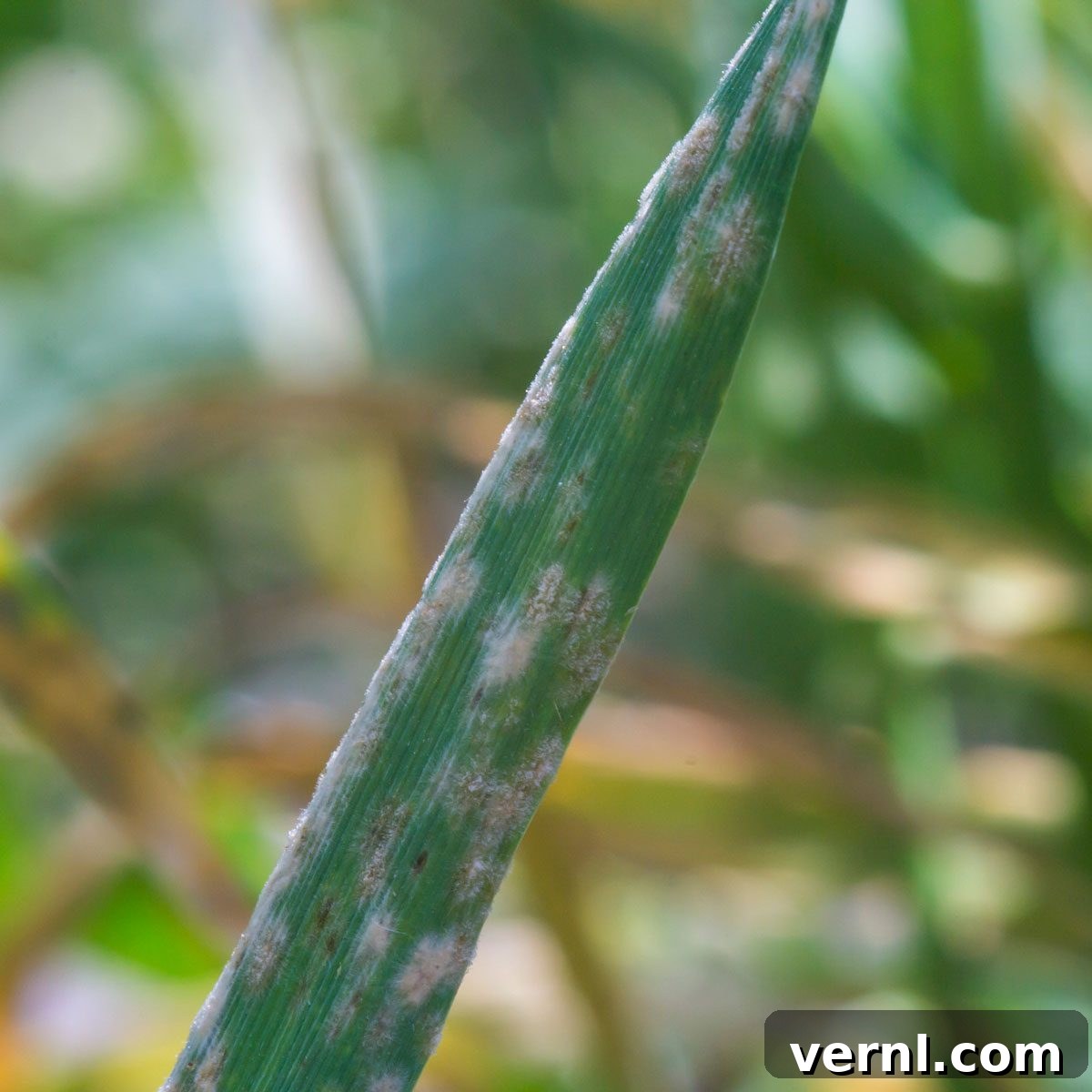
Powdery mildew is a ubiquitous fungal disease that affects an incredibly wide array of plants, including many common turfgrasses. It’s aptly named for the characteristic white, powdery appearance it creates on the surface of infected plant parts, particularly the leaf blades. While it might look alarming, resembling a fine dusting of flour or talc, it’s typically more of an aesthetic issue for lawns rather than a life-threatening one, though severe and prolonged cases can weaken the grass, stunt its growth, and make it more susceptible to other environmental stresses or diseases. The specific fungi responsible for powdery mildew on turfgrasses belong to a group that thrives by drawing essential nutrients directly from the plant cells. This parasitic action inhibits the grass’s ability to photosynthesize effectively, leading to a less vigorous, dull, and ultimately less healthy-looking lawn.
Spotting the Signs: How to Identify White Grass on Your Lawn
Early detection is paramount for the timely and effective management of powdery mildew, allowing you to intervene before the problem becomes widespread. If you inspect your lawn closely, especially in areas that are frequently shaded, you may first notice small, isolated patches of a white, flour-like substance scattered across individual leaf blades. These subtle initial signs are the developing fungal spores and mycelium (the thread-like body of the fungus) beginning to colonize the grass. As the disease progresses, and if environmental conditions remain favorable for its growth, these initial patches will coalesce. This process results in larger, more noticeable sections of your lawn becoming covered in a distinct, pervasive powdery white coating. The affected grass blades may eventually begin to turn yellowish or even a dull brown, which is a clear indication of stress and inhibited photosynthesis. However, the defining and unmistakable characteristic of powdery mildew remains that tell-tale white dusting directly on the grass blades, covering them almost entirely.
It’s crucial to differentiate powdery mildew from other conditions that can cause your grass to appear white, as misidentification can lead to ineffective treatments. A common misidentification is with snow mold, a separate fungal disease. Both can manifest as white or grayish growth on the grass surface, but their appearances and conditions for development differ significantly. Snow mold typically presents as a matted, web-like growth, often appearing in circular patches after snowmelt, sometimes with pinkish or grayish hues and a distinctly flattened texture. In stark contrast, powdery mildew is a more uniform, powdery coating directly on the surface of the leaf blades themselves, resembling a dusting of talcum powder, rather than a web woven over the grass. Additionally, severe drought stress, nutrient deficiencies (such as an iron deficiency), or even chemical spills can sometimes cause grass to bleach or turn a pale white. However, these symptoms usually lack the distinct powdery texture and fungal growth inherent to mildew, underscoring the importance of careful observation.
Root Causes of White Grass: Why Your Lawn is Losing Its Luster
Understanding the specific conditions that favor powdery mildew development is an essential step in both preventing its occurrence and effectively treating an existing infestation. This particular fungal disease doesn’t appear randomly; rather, it flourishes under a precise set of environmental circumstances and tends to target certain types of turfgrass more readily than others.
Environmental Conditions That Promote Powdery Mildew
The primary driver for powdery mildew is a specific combination of environmental factors that collectively create an ideal breeding ground for the fungus. These include:
- Persistent Shade: Powdery mildew notoriously appears in areas of your lawn that receive minimal direct sunlight throughout the day. This often means sections nestled under mature, dense trees, adjacent to tall buildings or structures, or along solid fences. Shaded environments inherently reduce the amount of light and heat reaching the grass, which prolongs the period of leaf wetness and keeps temperatures cooler, both conditions conducive to fungal proliferation.
- Poor Air Circulation: Stagnant air is a significant ally to powdery mildew. Areas with dense plantings, unpruned shrubs, overgrown hedges, or even compact lawn areas where air doesn’t move freely create a microclimate of high humidity around the grass blades. This trapped moisture and still air provide the perfect conditions for spores to germinate, spread, and flourish, clinging to the damp leaf surfaces.
- Cool, Cloudy Conditions: While many fungi thrive in warm, humid conditions, powdery mildew specifically prefers cooler temperatures, typically ranging between 60-70°F (15-21°C). It also strongly favors cloudy weather, as prolonged direct sunlight can effectively inhibit its growth and kill off spores. This explains why you might observe it emerging prominently first thing in the spring, persisting as a nuisance throughout cooler, cloudier stretches of summer, and potentially re-appearing into the fall.
- High Humidity: This is arguably the most critical environmental factor. High humidity, particularly during the nighttime hours, provides the necessary moisture for fungal spores to germinate and spread efficiently. However, it’s important to note that, unlike some other common fungal diseases that require standing water on the leaf surface, powdery mildew doesn’t always need free water; high atmospheric humidity alone is often sufficient for it to thrive.
The overall severity and persistence of a powdery mildew outbreak are largely dictated by how long these favorable weather conditions prevail. A prolonged period of cool, cloudy, and humid weather in an already shaded and poorly ventilated area can quickly lead to a significant and widespread infestation, making your once-green lawn appear strikingly white.
Grass Variety and Age: Factors of Susceptibility
Not all grass types exhibit the same level of susceptibility to powdery mildew, and the age and maturity of your lawn can also play a significant role. Older, well-established lawns, particularly those consisting of common-type Kentucky bluegrasses and fine fescues or certain bermudagrass varieties that have been in place for 20 years or longer, tend to be inherently more prone to developing powdery mildew. This increased vulnerability is often due to several factors:
- Older Cultivars: Many older turfgrass cultivars lack the genetic disease resistance that has been specifically bred into newer, improved varieties. Modern grass breeding programs often prioritize resistance to common diseases, including powdery mildew.
- Dense Turf: Over time, established lawns can become very dense. This density, especially when combined with infrequent aeration, can further impede air circulation at the turf level, creating an even more welcoming and humid microclimate close to the grass blades, which is ideal for fungal growth.
- Accumulated Stress: Older lawns may also have accumulated various stresses over the years, such as soil compaction, nutrient imbalances, or root system degradation, which can generally weaken the grass and make it more vulnerable to opportunistic pathogens like powdery mildew.
Therefore, while environmental conditions are key, the inherent characteristics of your grass—its species, cultivar, and age—also significantly influence its likelihood of succumbing to this common fungal issue.
Effective Strategies to Reclaim Your Green: Fixing White Grass
Restoring your lawn to its former vibrant glory after a bout of white grass requires a strategic, multi-pronged approach. This involves focusing on modifying environmental conditions that favor the fungus, along with implementing proper cultural practices that promote overall lawn health and resilience. Here are detailed, actionable steps you can take to combat powdery mildew and encourage a healthier, greener lawn:
Optimizing Sunlight Exposure
Given that persistent shade is one of the major contributing factors to powdery mildew, anything you can do to increase the amount of direct or indirect sunlight reaching your grass will provide significant benefits. This might involve a program of selective pruning: carefully removing low-hanging branches from trees that cast dense shadows over your lawn. For particularly problematic areas, or if the trees are non-essential and their removal aligns with your landscaping goals, consider consulting a certified arborist about thinning out tree canopies to allow more dappled light to penetrate, or, in extreme cases, even removing entire trees if practical and desired. More sunlight directly inhibits the growth of the powdery mildew fungus and also helps to warm the soil surface, making the environment less hospitable for fungal proliferation.
Enhancing Air Circulation
Improving air movement in heavily shaded or enclosed areas is equally crucial for discouraging powdery mildew. Dense shrubbery, overgrown hedges, and solid fences can all create stagnant air pockets where humidity remains high and air exchange is minimal. To combat this, consider thinning out shrubbery by pruning inner branches to allow air to pass through freely. Trimming trees to raise their canopy can also improve air flow beneath them. If you have solid fencing, opting for “breathing” fence designs, such as picket fences or those with intentional gaps, can significantly improve air movement. Additionally, core aeration of the lawn itself can indirectly help by improving overall turf health and root development, though its direct impact on surface air circulation for mildew control is less significant than targeted pruning.
Smart Fertilization Practices
Be highly mindful of your lawn’s fertilization regimen, particularly in areas susceptible to powdery mildew. While nitrogen is an essential nutrient for promoting lush green growth and overall turf vigor, excessive application, especially in shaded areas, can inadvertently promote powdery mildew activity. High nitrogen levels encourage succulent, rapid leaf growth, which often results in a denser turf canopy that further reduces air circulation at the base of the grass blades. This new, soft growth is also typically more susceptible to fungal attack. Therefore, opt for a balanced fertilizer and meticulously follow recommended application rates. In areas historically affected by mildew, you might even consider slightly reducing the nitrogen component. Focus on using slow-release nitrogen sources, which provide a more steady and gradual supply of nutrients without causing rapid flushes of overly succulent, susceptible growth.
Proper Watering Techniques
Your watering schedule and technique can significantly impact the proliferation of fungal diseases like powdery mildew. A critical rule is to avoid watering your lawn during the evening or at night. Watering at these times leaves grass blades wet for extended periods throughout the cool, dark hours, creating the perfect high-humidity environment that powdery mildew thrives in. The absolute best time to water your lawn is during the early morning hours, typically between 4 AM and 9 AM. This allows the grass to absorb the moisture it needs before the intense heat of the day. Crucially, any excess moisture on the leaf blades will quickly evaporate as the sun rises and temperatures increase, minimizing the window for fungal development. Aim for deep, infrequent watering sessions rather than shallow, frequent watering, as deep watering encourages strong, drought-resistant root growth and prevents the surface from remaining constantly damp.
Selecting Disease-Resistant Grass Varieties
For a robust, long-term solution, especially when overseeding an existing lawn or establishing a completely new one, prioritizing the choice of powdery mildew-resistant grass varieties is paramount. Many improved turfgrass cultivars are specifically bred through years of research to withstand common lawn diseases, including various forms of mildew. When purchasing seed, look for reputable varieties of shade-tolerant Kentucky bluegrasses, improved fine fescues, fine-textured perennial ryegrasses, turf-type tall fescues, and specific bermudagrass varieties that are explicitly known for their inherent resistance to powdery mildew. Always check with your local county or university lawn extension services or reputable nurseries. They can provide invaluable, localized advice on the best disease-resistant grass seed varieties specifically suited for your particular climate, soil conditions, and light exposure, ensuring you select the most robust and appropriate options available for sustained lawn health.
Frequently Asked Questions About White Grass and Lawn Health
Dealing with lawn issues can often raise more questions than answers, leaving homeowners searching for clear guidance. Here are some common inquiries regarding white grass and general lawn health, addressed with expert insights to help you make informed decisions.
Diagnosing the Cause: When to Consult a Professional
While this guide provides comprehensive general advice, specific lawn issues can sometimes be complex, with symptoms potentially overlapping or masking underlying problems. The most accurate and definitive way to know for sure why your grass is turning white, or if there are other underlying issues at play beyond just powdery mildew, is to confer with a professional. As home improvement expert Lou Manfredini wisely advises, “Take a soil sample to a garden center that offers soil testing to find out if there is a fungus or pH level issue, and then you can properly treat it.” A professional soil analysis can reveal crucial information, such as nutrient deficiencies, significant pH imbalances, or confirm the precise presence of specific fungal pathogens or insect pests that might be contributing to your lawn’s distress. Their specialized expertise ensures a targeted and genuinely effective treatment plan, ultimately saving you considerable time, effort, and money on trial-and-error solutions.
Considering a Full Lawn Replacement: When is it Time?
Despite your best efforts and diligent care, some lawns may unfortunately be beyond simple repair or gradual recovery. The general rule of thumb that many lawn care professionals adhere to is: if your lawn is 50 percent dead or more, or if it consists of severely damaged patches that are too widespread to effectively patch or overseed, you might want to seriously consider replacing the entire thing. “Any lawn can be reseeded and tended to and brought back to life, but that takes time and consistent effort,” says Manfredini. “If your lawn looks terrible and you have no patience and money, then you can have it all replaced with sod for instant gratification and a beautiful new start.” While reseeding can indeed be a more cost-effective solution for less severe or localized damage, a full replacement with sod offers an immediate, uniform, and healthy lawn, perfect for those seeking a quicker transformation, facing extensive, irreparable damage, or simply desiring a pristine landscape without the waiting period of seed growth.
Expert Insight from Lou Manfredini
- Lou Manfredini is Ace Hardware’s highly respected resident Home Expert, boasting an impressive track record of over 25 years of extensive home improvement experience. His expertise spans a wide range of topics, including specialized knowledge in comprehensive lawn care and maintenance. Lou is also a familiar and highly valued home improvement contributor for NBC’s The Today Show, where he consistently delivers practical tips, insightful advice, and invaluable guidance to millions of homeowners across the country, helping them tackle various projects with confidence. His dedication to empowering both novice and experienced DIYers is further exemplified by his authorship of five insightful books, all packed with meticulously crafted advice designed for both first-time enthusiasts and seasoned veterans alike, making complex home projects accessible and achievable.
By thoroughly understanding the signs, underlying causes, and effective treatment strategies for white grass, you are now well-equipped to proactively address this common lawn ailment. With consistent, informed care, strategic adjustments to your lawn’s environment, and the right approach to cultural practices, your lawn can once again become the envy of the neighborhood. Dedication to these principles will help you cultivate a lush, vibrant green carpet that not only enhances your home’s beauty but also welcomes you to enjoy your outdoor space to the fullest.