Understanding Late Fall Foliage: A Comprehensive Guide to Tree Health and Autumn Yard Care
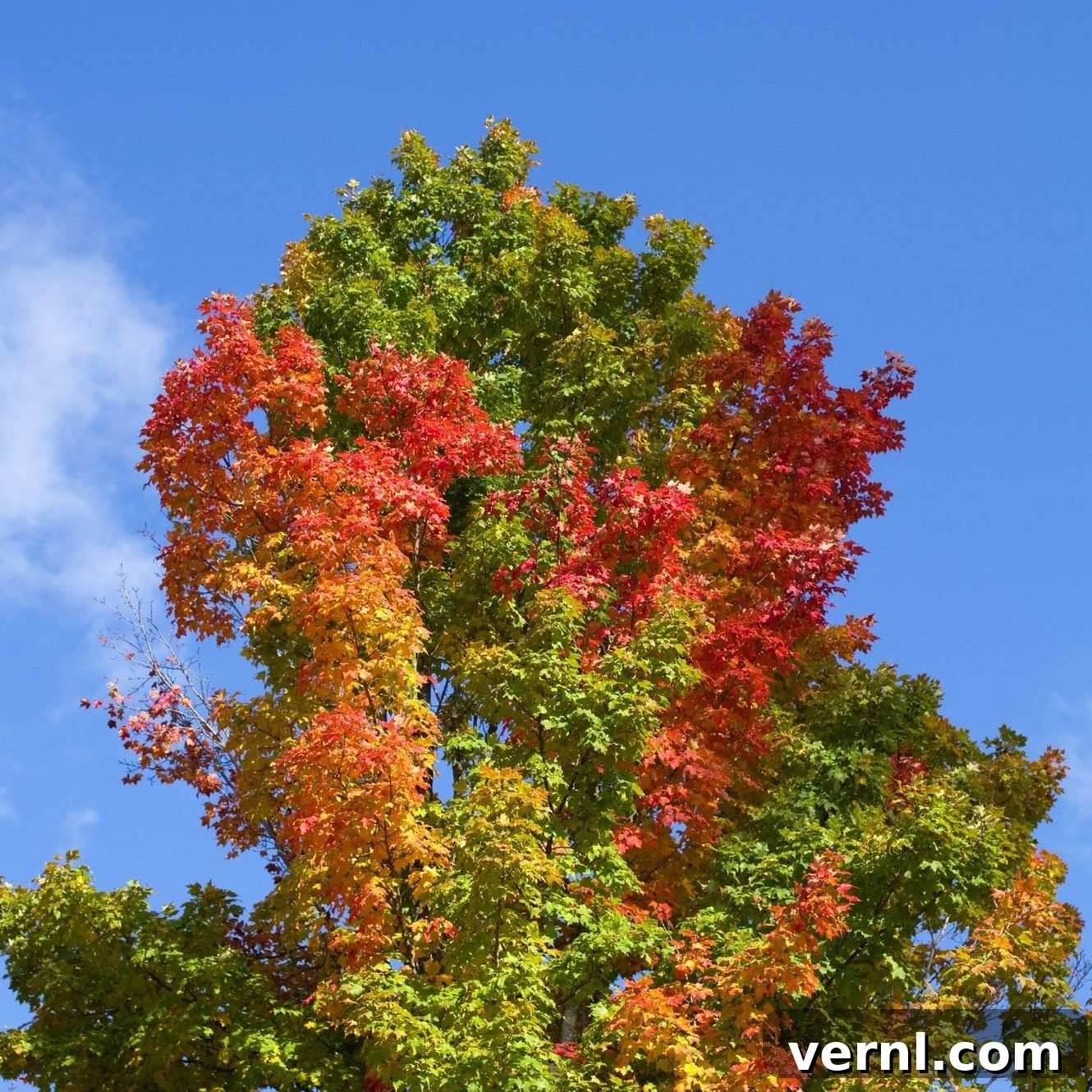
For many, the crisp air and vibrant spectacle of fall foliage represent the quintessential autumn experience. It’s a time of year eagerly anticipated, as trees transform landscapes with breathtaking hues of red, orange, and gold. However, depending on your location, this year’s seasonal display might feel a little…off. Across various regions, observations suggest leaves are changing color and/or falling later than typical. In some cases, trees are even shedding their foliage without achieving their full chromatic glory, presenting a rather muted end to the growing season.
If your cherished fall routine involves leisurely strolls through a kaleidoscope of colors or simply admiring the natural splendor from your porch, this unexpected shift can certainly be a source of disappointment. Beyond the aesthetic aspect, these changes beg a practical question: what about the myriad fall lawn care chores that usually punctuate your weekend schedule? Should you even bother dusting off your rake and preparing for the annual leaf-clearing ritual?
The answer is unequivocally yes. While the timing may be altered, the leaves will, almost certainly, still change color and fall from the trees – eventually. This delay, however, necessitates a thoughtful adjustment to your routine, impacting precisely when you should undertake those crucial autumnal tasks. Understanding the reasons behind this shift and adapting your approach will ensure the continued health of your landscape and a well-prepared garden for the seasons ahead.
Why Are Leaves Changing Later This Year? Unpacking the Science and Regional Variations
If you’re gazing out your window at a lawn already covered in a blanket of colorful leaves, perhaps even thinking about a good raking session, you likely reside in areas such as the Pacific Northwest or parts of the Midwest. In these regions, fall foliage has largely adhered to its traditional schedule. Yet, the story is markedly different for residents of states like New Hampshire, Vermont, or certain Southern locales, where the autumnal spectacle has been noticeably postponed.
The primary culprit behind this delayed coloration across much of the Northeastern U.S. and higher elevations of the South in recent years has been persistently elevated temperatures. Steve Norman, Ph.D., a distinguished research ecologist with the U.S. Forest Service, explains, “We’ve seen a delay in fall leaf color…largely due to higher than average temperatures during later summer and early fall.” Trees interpret prolonged warmth as an extension of summer, signaling to them that there’s no immediate need to prepare for winter dormancy.
The Science Behind Fall Colors
To truly appreciate this phenomenon, it’s helpful to understand the science behind leaf color change. Throughout the spring and summer, leaves are green due to the abundance of chlorophyll, the pigment essential for photosynthesis. As autumn approaches, shorter days and cooler temperatures trigger trees to slow down and eventually stop producing chlorophyll. As the green pigment fades, other brilliant pigments, like the yellow and orange carotenoids already present in the leaves (but masked by chlorophyll), become visible. Red and purple anthocyanins, on the other hand, are produced in the fall in response to bright sunlight and cool, but not freezing, temperatures. This delicate balance of environmental cues dictates the timing and intensity of fall displays.
The Impact of Heat and Moisture
When temperatures remain unseasonably high, the chlorophyll breakdown process is delayed, keeping leaves green for longer. But heat isn’t the only factor at play. Heavy rain can also significantly impact the vibrancy and timing of leaf color patterns, as noted by Dr. Norman. Indeed, many areas have experienced unprecedented rainfall in recent years, a trend that climate scientists indicate may continue. Excess moisture creates conditions conducive to fungal infections on leaves. While fungus-infected leaves will eventually turn brown and fall off, they often bypass the characteristic vibrant displays of strong autumnal colors, resulting in a duller, less spectacular showing.
The combination of warmer temperatures and increased precipitation disrupts the natural rhythm that trees have evolved to follow. This deviation from the norm not only affects the aesthetic appeal of our landscapes but also raises questions about the long-term health and resilience of our beloved trees.
Understanding the Long-Term Implications for Tree Health
While the delayed leaf change might initially seem like a benign inconvenience, it naturally prompts concern among homeowners and environmental enthusiasts alike: what does this mean for the overall health of our trees? In the short term, there’s generally no immediate cause for alarm. “If leaves stay green a little longer than normal, that isn’t much of a tree health concern,” assures Dr. Norman. Trees are remarkably resilient organisms, capable of adapting to minor fluctuations in seasonal patterns.
Immediate Risks: Early Winter Storms
However, there’s a critical exception to this short-term reassurance, particularly for trees in colder regions or at higher elevations. If an early or severe winter storm arrives before trees have fully shed their leaves, the consequences can be dire. Leaves, especially when laden with moisture, add significant weight to branches. When combined with heavy snowfall or freezing rain, these extra-heavy branches can become excessively stressed and prone to breaking. This can lead to substantial structural damage to the tree, ranging from minor limb loss to catastrophic splitting, which may compromise the tree’s long-term viability or even lead to its removal.
Long-Term Concerns: The Climate Change Connection
The more significant concern arises if these patterns of excessive heat and heavy rains persist and become a recurring annual phenomenon, consistently disrupting the natural “schedule” of leaves year after year. Chris Still, a professor of Forest Ecology at Oregon State University, emphasizes that this represents a much graver threat than an isolated period of drought or unusual weather. Over extended periods, chronic excessive heat and altered precipitation patterns can profoundly impact tree growth, development, and overall resilience.
Still cautions, “This is a bad scenario if it keeps happening… bad for plants and people. They don’t do well in extremes.” When trees are repeatedly exposed to prolonged stress, their physiological processes are strained. This can lead to reduced growth rates, increased susceptibility to pests and diseases, and diminished ability to withstand future environmental challenges. Furthermore, changes in tree health can have cascading effects on local ecosystems, impacting wildlife that relies on trees for food and shelter, and potentially altering regional carbon cycles.
While a single season of delayed foliage may not be catastrophic, the long-term trend points towards a future where our forests and urban trees face increasing pressure. Understanding these implications helps us appreciate the importance of proactive care and sustainable practices.
Adapting Your Fall Lawn Care: Embracing the Delay as an Opportunity
It’s true that as individuals, we possess limited control over global weather patterns or the innate biological clock of our trees. We cannot dictate when leaves decide to shed their summer attire. What we can do, however, is adapt. By understanding the prevailing conditions and listening to the cues our environment provides, we can modify our actions to best support our landscapes. The delayed fall foliage, rather than being solely a frustration, can be reframed as an invaluable opportunity to engage in more thorough and strategic yard care.
Kris Kiser, president of the TurfMutt Foundation, an organization dedicated to environmental education and stewardship, advocates for this perspective. He suggests viewing the extended period of green leaves as extra time to prepare your yard comprehensively for the dormancy of winter and the vigorous growth of spring. “If leaves change color later, that means that homeowners have more time to do fall lawn tasks and check off their to-do list,” Kiser notes, highlighting the silver lining in this seasonal shift.
Maximizing Your Extended Fall Yard Care Window
With this bonus time, you can tackle several essential tasks that might otherwise feel rushed. While you’re patiently waiting for the main leaf-raking event, consider these proactive steps:
- Aerate Your Lawn: If you haven’t already, now is an excellent time to aerate your lawn. Aeration involves creating small holes in the soil, which alleviates compaction and allows air, water, and nutrients to penetrate more deeply to the grass roots. This crucial step promotes stronger root development and helps produce a lusher, healthier lawn come spring, making it more resilient to stress.
- Continue Mowing: As long as your grass is still growing, continue mowing. The final cut of the season should typically be lower than your summer height, usually around 2-2.5 inches. This helps prevent matting and fungal diseases like snow mold over winter.
- Fertilize Strategically: Fall is arguably the most important time to fertilize your lawn. Using a “winterizer” fertilizer, which is typically higher in potassium, will nourish the roots and help the grass store carbohydrates, strengthening it for winter survival and promoting an early spring green-up.
- Overseed or Plant New Grass Seed: The cooler temperatures and increased moisture often associated with late fall (even with a foliage delay) create ideal conditions for planting new grass seed. Fall seeding allows the seedlings to establish strong root systems before the harsh conditions of winter arrive.
- General Tree Inspection: Take this time to inspect your trees for any signs of disease, pests, or structural issues. While major pruning is often best done in dormancy, removing small dead or broken branches can be beneficial.
Always exercise caution and safety when operating outdoor power equipment. Be mindful of tree roots and trunks; avoid running over exposed roots or accidentally nicking the bark with mowers or trimmers, as such injuries can be detrimental to a tree’s health.
What to Do Once the Leaves Finally Fall
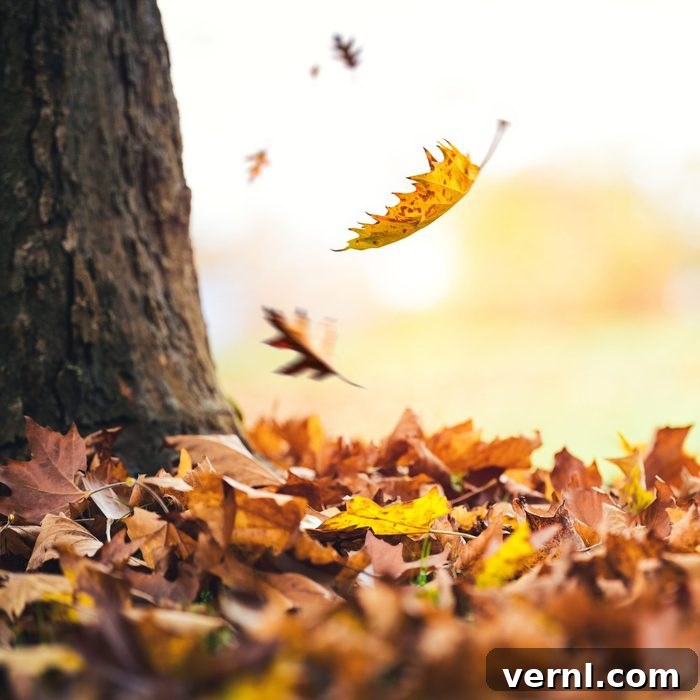
When the long-awaited leaf drop finally commences, a few final, critical steps are necessary to safeguard your landscape through winter:
First, before the ground freezes solid and water penetration becomes difficult, “Give (your trees) one last deep watering,” advises Kiser. This deep saturation is vital, especially for evergreens and newly planted trees, as it helps prevent winter desiccation (drying out) when water is unavailable due to frozen soil. Consider using tree watering bags or a soaker hose for efficient, slow delivery of water directly to the root zone.
Once the leaves have fallen, it’s time to tackle the raking or blowing. This chore is particularly important to complete before significant rain or snow arrives. A thick, matted layer of wet leaves can suffocate your grass, create an ideal breeding ground for fungal diseases like snow mold, and harbor pests over winter. Additionally, raking wet leaves is significantly more challenging and laborious than clearing dry ones. For efficient leaf removal, consider using a leaf blower, a sturdy rake, or even a mulching mower. A mulching mower can chop leaves into fine pieces that decompose quickly, returning valuable nutrients to the soil. You can also explore various eco-friendly options for what to do with those leaves after they’ve been raked, such as composting them or using them as mulch in garden beds.
Finally, a crucial step for tree protection is the application of mulch around the base of your trees. Kiser stresses that a two- to four-inch layer of organic mulch (like wood chips or shredded bark), spread in a donut shape around the tree’s base but kept a few inches away from the trunk, will provide insulation. This insulation helps regulate soil temperature, protects roots from extreme cold and sudden temperature fluctuations, conserves soil moisture, and suppresses weed growth. While it may seem like a lot of work, these comprehensive fall preparations are an investment in the long-term health and beauty of your landscape. “In the end, it’s worth it if it keeps your trees in good shape,” Kiser asserts.
The Enduring Value of Healthy Trees
Beyond their aesthetic appeal, healthy trees offer a multitude of tangible benefits that extend far beyond the boundaries of your property. “Trees add a lot of value to your landscape and even benefit your health, so it is important to take care of them,” says Kris Kiser. This statement is backed by scientific research, including a 2015 study published in Nature Scientific Reports. This groundbreaking research found a compelling correlation between the number of trees on a street and the health of its residents, specifically noting that people living on streets with more trees exhibited better heart and metabolic health.
The ecological advantages of trees are equally profound. They play a critical role in purifying the air by absorbing pollutants and releasing oxygen, helping to mitigate the urban heat island effect by providing shade and evaporative cooling, and reducing stormwater runoff by intercepting rainfall. Trees also provide vital habitat and food sources for a diverse array of wildlife, contributing to biodiversity within our communities. From an economic perspective, mature trees can significantly increase property values and reduce energy costs by shading homes in summer and blocking winds in winter.
In conclusion, while the shifting patterns of fall foliage may present new challenges and require adjustments to our traditional routines, they also underscore the profound connection we share with the natural world. By understanding the reasons behind these changes, adapting our fall lawn care practices, and committing to proactive tree care, we can continue to cultivate healthy, vibrant landscapes that not only beautify our surroundings but also contribute to our well-being and the health of the planet. Embracing adaptability and responsible stewardship ensures that our trees will continue to thrive, offering their invaluable benefits for generations to come, regardless of the precise timing of their autumnal transformation.