Every home presents unique painting challenges, and few spaces are as demanding as the bathroom. From steamy showers that transform the air into a tropical mist to the daily splashes and humidity, bathrooms are constant battlegrounds for your walls and ceilings. I vividly recall my teenage years in a single-bathroom household where prolonged showers were a daily ritual for my siblings and me. The consequence? A haven for stubborn mildew, severely stressed paint, unsightly yellow water stains streaking down the walls, bothersome blisters, and ultimately, cracked and peeling paint.
While many contemporary homes now feature a bathroom for each bedroom, mitigating the constant overuse of a single space, the introduction of luxurious steam showers and high-flow waterfall-style showerheads means that even well-ventilated bathrooms can still be overwhelmed by excessive moisture. This relentless humidity creates the perfect environment for common paint failures and the insidious growth of mold and mildew, transforming what should be a serene sanctuary into a source of frustration. Recognizing these specific environmental challenges is the crucial first step toward selecting the optimal protection for your bathroom surfaces.
Explore more about what causes paint failure in various environments.
The Undeniable Need for Specialized Bathroom Paint
Bathrooms are far from typical rooms in your home; they are high-humidity zones subject to continuous temperature fluctuations. The cycle of hot showers followed by cooler air leads to significant condensation, which, combined with direct water exposure, forms an ideal breeding ground for paint-related problems. Standard interior paints are simply not engineered to endure such rigorous conditions. They lack the specific protective properties required to repel moisture, effectively inhibit microbial growth, and maintain their structural integrity over time. Without specialized protection, homeowners inevitably face a cascade of issues:
- Peeling and Blistering: Moisture effortlessly penetrates behind standard paint films, causing them to lose adhesion, bubble, and eventually lift away from the substrate.
- Mold and Mildew Proliferation: The warm, damp environment is perfect for mold and mildew spores to flourish, leading to unsightly black spots, unpleasant odors, and potentially unhealthy indoor air quality.
- Unsightly Stains: Yellow or brown streaks, commonly referred to as “surfactant leaching,” occur when water-soluble components in standard paint are drawn to the surface by moisture, marring the aesthetic.
- Cracking and Flaking: The constant expansion and contraction of surfaces due to temperature and humidity changes put immense stress on paint, leading to premature cracking and flaking.
As a seasoned professional painter, my consistent recommendation and specification for all bathroom projects — covering ceilings, walls, and trim — is always specialized bathroom paint. This isn’t merely a preference; it’s a commitment to delivering superior quality, ensuring lasting customer satisfaction, and preventing costly future issues such as callbacks or warranty claims. While specialized products even allow you to paint your bathtub, the protection of walls and ceilings is paramount. The effectiveness of specialized bathroom paint is unequivocally proven; it simply performs better in these demanding environments. However, a truly successful project also mandates a thorough paint inspection to confirm a professional, durable, and long-lasting finish.
Distinguishing Bathroom Paint from Conventional Varieties
The core distinction between specialized bathroom paint and general interior paint lies in its advanced chemical formulation. Bathroom paints are meticulously engineered using a very high-quality resin that, during the curing process, coalesces to form an incredibly dense, tight, and robust barrier. This impermeable film is specifically designed to resist and prevent the absorption of moisture, whether from airborne humidity or direct water splashes.
When moisture is effectively prevented from penetrating the paint film, it cannot degrade the underlying wall surface or compromise the paint’s adhesion. This sophisticated resin technology serves as the primary defense mechanism against the prevalent paint failures observed in humid conditions. In contrast to standard paints, where moisture can easily seep through, causing the paint’s binder to break down and its grip to weaken, specialized bathroom paints steadfastly maintain their integrity. This superior resistance means homeowners can bid farewell to frustrating issues such as paint bubbles, blisters, peeling, and the unsightly yellow streaks often caused by surfactant leaching as standard paint deteriorates under moisture stress.
Beyond the Resin: The Critical Role of Mildewcides and Enhanced Durability
The protective capabilities of bathroom paints extend beyond their advanced resin technology. These formulations are typically fortified with significantly higher concentrations of mildewcide and other antimicrobial agents. These active ingredients are uniformly integrated into the paint, working proactively to inhibit the growth of mold and mildew spores directly on the painted surface. While no paint can entirely eliminate mold if the underlying conditions — such as persistent moisture, inadequate ventilation, and available organic food sources — are not addressed, these powerful additives substantially reduce and delay microbial proliferation for extended periods.
Furthermore, bathroom paints are often engineered for superior durability and ease of cleaning. Their tough, smooth finish allows for effortless wiping and scrubbing, meaning you can regularly clean walls without fear of damaging the paint film. This synergy of exceptional moisture resistance, potent antimicrobial properties, and robust durability positions specialized bathroom paint as an indispensable choice for maintaining a pristine and healthy bathroom environment.
Is Investing in Bathroom Paint Truly Cost-Effective?
When planning any home improvement or painting project, budget considerations are always paramount. It’s natural to assume that specialized bathroom paints, with their advanced formulations, would carry a significantly higher price tag. While they do represent a minimal additional expense compared to standard interior paints, this initial investment proves to be remarkably cost-effective in the long run. On average, a premium bathroom paint, formulated for deep color retention and superior pigment, might cost approximately $55 per gallon. Lighter color options in high-quality bathroom paints typically fall closer to the $40 per gallon mark.
These figures often represent only a slight increase of a few dollars per gallon over a high-quality standard interior paint, yet the long-term savings are substantial. Consider the cumulative costs associated with common paint failures when using an unsuitable product:
- Frequent Repainting Cycles: Standard paint in a high-humidity bathroom might require repainting every 2-3 years, whereas specialized bathroom paint can maintain its integrity and aesthetic for 5-10 years or even longer.
- Mold Remediation Expenses: Addressing extensive mold growth is not only an unpleasant and labor-intensive task but can also involve significant costs for professional remediation, especially if the mold has penetrated underlying surfaces.
- Extensive Repair Work: Peeling or blistering paint necessitates laborious surface preparation, including scraping, sanding, patching, and often re-priming, before repainting can even begin, adding considerably to both labor and material costs.
- Diminished Property Value: A bathroom plagued by perpetually damp, peeling, or moldy paint significantly detracts from your home’s overall appeal, cleanliness, and market value.
From my professional vantage point, the marginally higher upfront cost of specialized bathroom paint is unequivocally a sound investment. It provides superior, long-lasting protection, ensures a more durable and aesthetically pleasing finish, and ultimately offers invaluable peace of mind, saving you both financial resources and considerable effort over time.
Leading the Way: The Best Types of Bathroom Paints on the Market
The market offers an excellent selection of high-performance bathroom paints, each boasting unique advantages specifically engineered to combat moisture and ensure enduring durability. Here are some of the most popular and highly recommended brands and product lines that consistently deliver exceptional results:
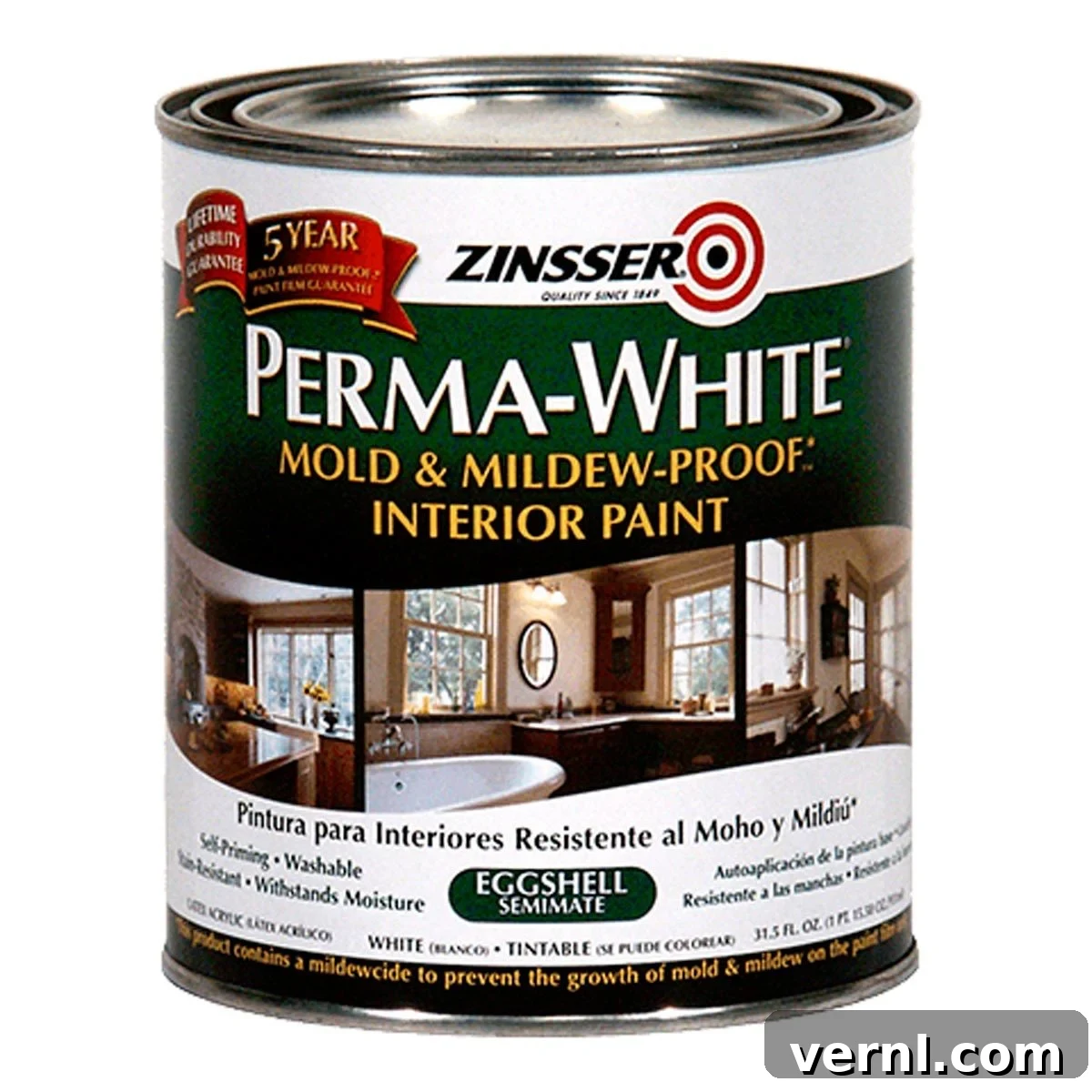
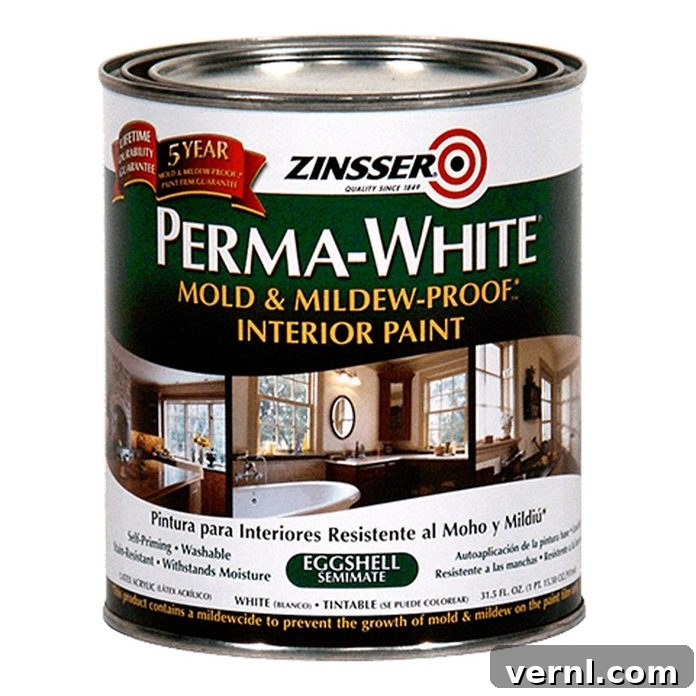
- Zinsser Perma-White Mold & Mildew Proof Interior Paint: This product remains a long-standing favorite among professionals and DIY enthusiasts alike. It is specifically formulated to prevent the growth of mold and mildew on the paint film for a guaranteed period of at least five years. Known for its self-priming capabilities, it offers excellent adhesion and outstanding durability, making it an ideal choice for the most challenging high-humidity areas. Its tough, washable finish provides a bright, clean look that withstands the test of time. Explore Zinsser Perma-White here.
- Benjamin Moore Aura® Bath And Spa Matte Finish Paint: Benjamin Moore’s Aura Bath & Spa represents a premium-grade option, celebrated for its remarkable durability and superior resistance to moisture, even in a sophisticated matte finish. Traditionally, glossier sheens were recommended for bathrooms due to their perceived cleanability. However, Aura Bath & Spa masterfully breaks this mold by offering a luxurious, low-sheen appearance without compromising on performance. It actively resists color fading, streaking, and ensures an exceptionally uniform finish, making it the perfect choice for those who desire elegance and high performance without compromise.
- Sherwin-Williams Emerald® Interior Acrylic Latex Paint: Sherwin-Williams’ Emerald line is highly regarded for its exceptional washability, enduring durability, and robust stain resistance. While the Emerald line is comprehensive, its interior acrylic latex options are particularly effective in bathrooms due to their advanced formula that adeptly resists water spotting and mildew. These paints offer superior coverage and a smooth, elegant finish, significantly contributing to a pristine and long-lasting bathroom environment.
Beyond specific brand choices, consider the paint’s sheen. While innovative matte finishes like Benjamin Moore’s Aura Bath & Spa are now available for bathrooms, satin or semi-gloss sheens remain popular choices. Their smoother, less porous surfaces are generally easier to clean and inherently more resistant to moisture penetration. When selecting colors, remember that lighter hues can effectively make smaller bathrooms feel more spacious and significantly brighter. For further inspiration on color palettes, peruse some of the best paint colors for small bathrooms and master various paint job tips for achieving a neater, professional-looking finish.
Understanding How Bathroom Paint Actively Resists Moisture and Mold
The perpetual battle against moisture and mold in a bathroom requires a strategic approach, and specialized paint plays an absolutely critical role by employing several sophisticated protective mechanisms:
- Impermeable Barrier Formation: As previously discussed, the high-quality resins inherent in specialized bathroom paints form a dense, non-porous film as they dry and cure. This barrier acts as an impenetrable shield, effectively preventing both water vapor and liquid moisture from penetrating the paint surface and reaching the underlying substrate, such as drywall or plaster. By consistently keeping moisture out, the paint actively prevents the conditions that lead to peeling, blistering, and the premature degradation of the paint film itself.
- Integrated Mildewcides and Fungicides: Beyond merely resisting moisture absorption, bathroom paints are meticulously formulated with potent mildewcides and fungicides. These antimicrobial agents are uniformly dispersed throughout the paint film and actively work to inhibit the growth of mold and mildew spores directly on the painted surface. While it’s important to note that no paint can provide absolute, perpetual protection if the environmental conditions remain excessively damp and dirty, these powerful additives significantly reduce both the likelihood and the speed of microbial growth for an extended duration.
- Enhanced Washability and Durability: The exceptionally tough, smooth finish characteristic of bathroom paint allows for frequent and thorough cleaning without compromising the paint’s integrity or appearance. This means that any mineral deposits left behind by steam, or the earliest signs of mildew, can be effortlessly wiped away using appropriate cleaning solutions. Regular cleaning effectively removes potential food sources for mildew spores, further enhancing the paint’s protective capabilities and extending its lifespan.
The Essential Role of Ongoing Maintenance
It is crucial to understand that while specialized bathroom paint offers superior resistance, it is not a miraculous, all-encompassing solution that negates the need for proper ventilation and routine cleaning. The mildewcides embedded within the paint will indeed slow growth, but over time, mineral deposits from steam and other airborne organic residues can accumulate, providing a food source upon which mildew spores will eventually thrive. When this occurs, proactive and consistent cleaning becomes absolutely essential.
Regularly wiping down your bathroom walls with a mild cleaning solution, such as an appropriately diluted bleach solution, will effectively remove these deposits and eliminate any nascent mold or mildew spores. When combined with the consistent use of your bathroom exhaust fan during and after showers, proper cleaning practices will significantly extend the life and maximize the effectiveness of your specialized bathroom paint. This holistic approach ensures your bathroom remains a fresh, clean, healthy, and visually appealing environment for years to come.
Learn comprehensive strategies on how to effectively combat mold and mildew in your home.
Mastering the Application: Essential Tips for Painting Your Bathroom
Even the highest quality bathroom paint will not deliver optimal performance without meticulous preparation and proper application techniques. Achieving a flawless, long-lasting finish begins well before you even open the paint can:
- Thorough Surface Cleaning: Start by thoroughly cleaning all bathroom surfaces, including walls, ceiling, and trim. Use a mild detergent or a specialized bathroom cleaner to eliminate all traces of soap scum, grease, dirt, and any existing mildew. Rinse all surfaces thoroughly with clean water and allow them to dry completely before proceeding.
- Comprehensive Surface Preparation: Meticulously repair any cracks, holes, or imperfections using an appropriate spackle or joint compound. Sand the repaired areas smooth and feather the edges seamlessly into the surrounding surface. For areas where existing mold or mildew was present, treat them with a solution of 1 part bleach to 3 parts water, or a commercial mildew remover. Ensure the treated area is entirely dry before advancing to the next step.
- The Crucial Step of Priming: While some modern bathroom paints are marketed as self-priming, applying a high-quality, mold-inhibiting primer is always a judicious step. This is particularly important over stained or previously mold-affected surfaces. Primer creates a uniform, adhesive base for the paint, enhances color vibrancy, and further boosts moisture and mildew resistance.
- Ensure Adequate Ventilation: Maintain excellent ventilation both during and for several hours after painting. Open windows, and critically, turn on your bathroom exhaust fan. This practice facilitates proper paint curing, reduces drying time, and minimizes exposure to paint fumes.
- Apply Even, Thin Coats: Apply paint in thin, even coats, allowing ample drying time between applications as per the manufacturer’s recommendations. Two coats are almost universally necessary to achieve full coverage, optimal durability, and the desired protective qualities.
- Allow for Full Curing: This is arguably one of the most overlooked yet vital steps. While the paint may feel dry to the touch within a few hours, it takes several days, and often weeks, for it to fully cure and achieve its maximum hardness, adhesion, and moisture resistance. During this critical curing period, avoid exposing the freshly painted bathroom to excessive steam or direct water contact.
Long-Term Maintenance for a Pristine Bathroom Environment
Once your bathroom has been beautifully painted with specialized moisture-resistant paint, implementing a simple, consistent maintenance routine will significantly ensure its longevity and sustained aesthetic appeal:
- Consistent Ventilation Habits: Make it an unwavering habit to always use your bathroom exhaust fan during showers and baths. Allow it to run for at least 15-20 minutes afterward to effectively expel humid air and prevent the accumulation of condensation. If your bathroom lacks an exhaust fan, seriously consider installing one, or ensure a window is kept open during and after use.
- Regular Surface Wiping: Periodically wipe down walls and ceilings, especially in areas highly prone to splashes or heavy condensation. A soft cloth moistened with a mild all-purpose cleaner or diluted white vinegar is typically sufficient for routine cleaning.
- Prompt Mildew Treatment: Should any small spots of mildew appear (despite the paint’s protective properties), address them immediately. A diluted bleach solution (1:10 bleach to water) or a dedicated commercial mildew cleaner can effectively remove them before they have a chance to spread or cause damage.
- Inspect for Leaks and Damage: Regularly inspect plumbing fixtures, showerheads, grout lines, and caulking for any signs of leaks, drips, or water damage. Addressing these issues promptly is crucial to prevent water from compromising your paint and the underlying structural integrity of your bathroom.
By making the wise investment in the right specialized bathroom paint and committing to a consistent routine of good ventilation and meticulous cleaning, you can confidently enjoy a bathroom that remains fresh, inviting, and completely free from the common, frustrating issues of moisture-related paint failure for many years to come.
For additional valuable insights into home improvement and renovation, you might find our comprehensive guide to renovating a 1950s bathroom particularly helpful.