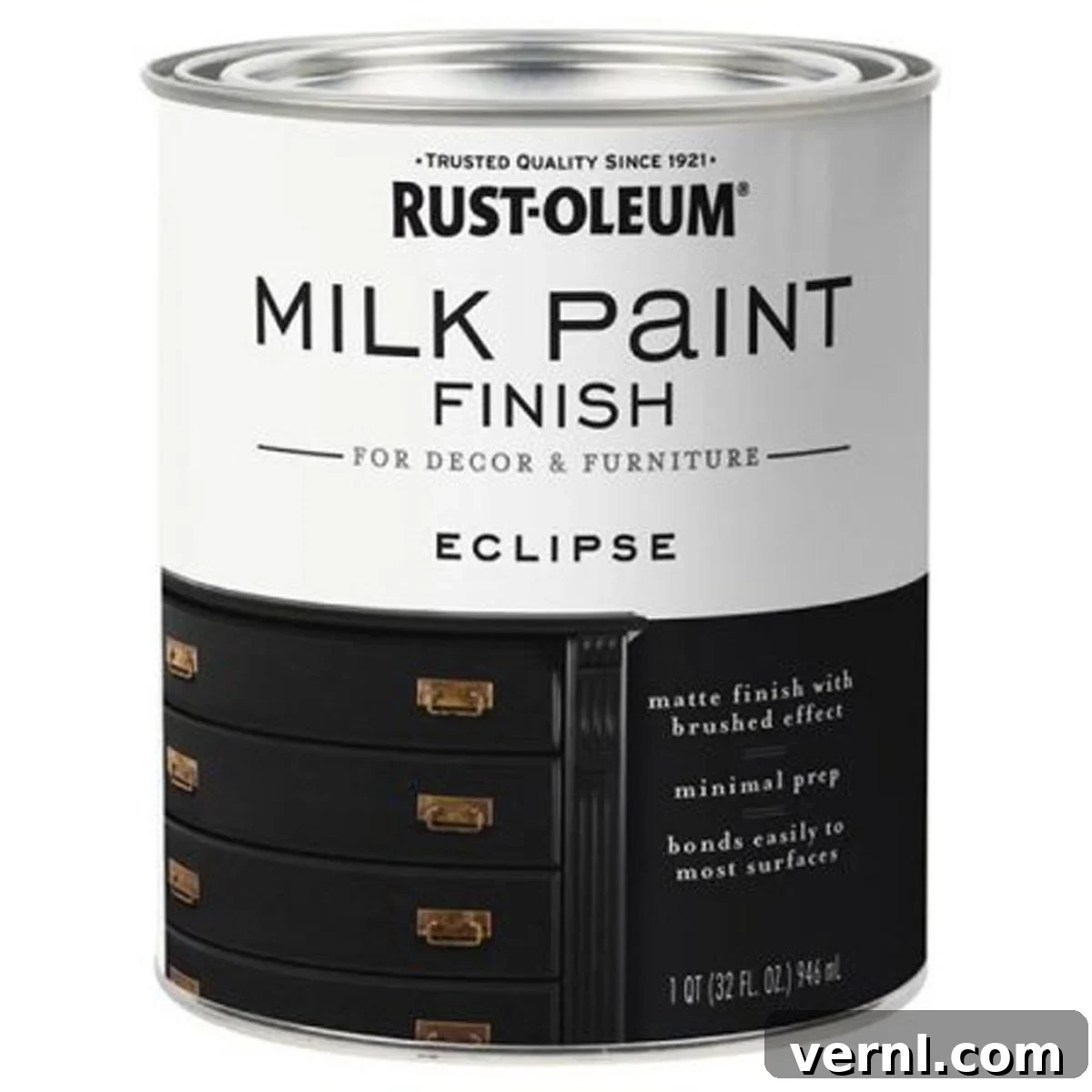
For many DIY enthusiasts, the joy of transforming a space or breathing new life into an old piece of furniture is a rewarding experience. You’ve likely become familiar with various paint types, from latex to oil-based, each with its unique characteristics. However, during a trip to the hardware store or browsing online, you might encounter a fascinating and traditional option that stands out from the rest: milk paint. Far from a modern invention, this historic finish offers a blend of eco-friendliness, unique aesthetics, and surprising versatility that makes it a favorite among those seeking a natural, authentic look for their projects.
What is Milk Paint? Uncovering a Timeless Finish
Milk paint isn’t a new trend; its rich history stretches back through millennia, making it one of the oldest forms of paint known to humanity. Evidence of milk paint has been discovered adorning the walls of ancient Egyptian pyramids and even within prehistoric cave paintings, showcasing its enduring legacy. This remarkable paint has also been a staple in colonial America and Europe, frequently found on antique furniture pieces that still proudly display their original, durable coats. Its timeless appeal lies not just in its age, but in its unique and simple composition.
At its core, milk paint is a non-toxic blend of natural ingredients. The primary components include milk protein (casein), lime, and natural pigments, often complemented by various clays. What truly sets milk paint apart from many contemporary paints is its complete absence of Volatile Organic Compounds (VOCs). These harmful solvents, prevalent in many modern synthetic paints, are known to off-gas into the air as the paint dries, leading to a range of unpleasant symptoms such as dizziness, headaches, and respiratory irritation. Milk paint, by contrast, offers a breath of fresh air—literally—making it a superior choice for health-conscious individuals and those looking to minimize their environmental footprint.
The science behind milk paint is elegantly simple. The milk protein, casein, acts as a binder when mixed with lime, forming a durable, plastic-like substance. This ancient chemical reaction creates a paint that is remarkably resilient yet retains a distinctive, soft finish. The natural pigments provide the color, while clays often contribute to texture and coverage. This combination of simple, earth-derived ingredients results in a paint that is not only beautiful but also incredibly sustainable and safe.
Environmental and Health Benefits: A Truly Green Alternative
In an era increasingly focused on sustainability and healthy living, milk paint shines as an outstanding eco-friendly choice. Unlike most conventional paints, which are often laden with petroleum-based chemicals and synthetic resins, milk paint offers a truly greener alternative that is inherently better for both personal health and the planet. Its natural, biodegradable ingredients mean that the production process has a significantly lower environmental impact compared to synthetic paints. Furthermore, the disposal of milk paint, whether in its powdered or liquid form, poses minimal risk to ecosystems, as it breaks down naturally without releasing harmful toxins.
The most compelling health benefit of milk paint is its complete freedom from VOCs. This means that upon application, there are no noxious fumes or lingering chemical odors to contend with. This is particularly advantageous for individuals with chemical sensitivities, allergies, or respiratory conditions like asthma. It also makes milk paint an ideal choice for nurseries, children’s rooms, kitchens, and other indoor spaces where air quality is a top priority. You can enjoy the process of painting without the need for extensive ventilation or worrying about the long-term effects of off-gassing, creating a safer and more pleasant environment for everyone in your home, including pets.
Application and Longevity: Simplified Painting for Diverse Surfaces
For DIYers accustomed to extensive surface preparation, the application process for milk paint is refreshingly straightforward. One of its most appealing practical advantages is that, in many cases, there’s no need for tedious sanding or priming the surface beforehand. This significantly cuts down on project time and effort, allowing you to jump straight into the creative process. Milk paint boasts impressive adhesion properties, making it suitable for a wide array of surfaces, including unfinished wood, previously painted or varnished wood, metal, glass, masonry, plastic, drywall, and plaster. Its ability to “grip” to various materials makes it incredibly versatile for almost any home decor project.
A unique characteristic of traditional milk paint is its powdered format. It is typically sold as a dry powder, which is then mixed with water by the user just before application. This powdered state is crucial for its longevity; once mixed with water, the paint becomes perishable, much like a dairy product. However, in its dry, powdered form, milk paint boasts an indefinite shelf life, making it an excellent investment for DIYers who undertake projects sporadically rather than on a regular schedule. You can store the powder for years without worrying about it going bad. When you’re ready to paint, simply mix the powder with water according to the manufacturer’s instructions, typically in a 1:1 ratio, adjusting for desired consistency. A practical tip: the mixed paint typically has a lifespan of about a week, so it’s best to prepare only the amount you anticipate using in the short term to avoid waste. Always stir thoroughly to ensure all lumps are dissolved, achieving a smooth, consistent liquid ready for application.
For surfaces that are particularly glossy or slick, or if you want to ensure a uniform, non-chippy finish, many commercial milk paint brands offer an optional “bonding agent.” Adding this agent to your mixed paint can improve adhesion on challenging surfaces, preventing the characteristic chipping that milk paint is sometimes known for, especially over existing finishes. This flexibility allows you to achieve either a perfectly smooth, modern look or the coveted naturally distressed, antique aesthetic, depending on your project goals.
Finish and Aesthetics: Crafting Unique Looks with Milk Paint
Milk paint offers DIYers a finish that is not only distinct but also remarkably versatile, allowing for a range of aesthetic outcomes from authentically rustic to subtly modern. When applied in its traditional form without a bonding agent over a varied surface, milk paint is renowned for creating an authentic, naturally distressed “chippy” look. This happens as the paint adheres differently to various existing finishes on the substrate, creating charming flakes and cracks that evoke the look of centuries-old painted furniture. This genuine, time-worn character is highly sought after for farmhouse, shabby chic, and antique-style decor.
If you’re aiming for a smoother, more consistent appearance, applying milk paint with a dedicated bonding agent, or over a properly prepared, porous surface, will yield a soft, velvety matte finish. This elegant, low-sheen look provides a sophisticated backdrop for any color and works beautifully in contemporary and minimalist settings, adding depth without shine. The colors of milk paint often appear rich and earthy, with a beautiful translucence that allows the character of the wood or previous layers to subtly show through, adding to its artisanal charm.
Another significant advantage for busy crafters and renovators is milk paint’s remarkably quick drying time. It often dries to the touch in just 30 minutes or even less, depending on humidity and ventilation. This rapid drying allows for quicker project completion, enabling multiple coats or layering techniques to be applied within a single day. Once dry, milk paint creates a porous finish that benefits from a topcoat for protection, especially on high-traffic items. A clear wax, natural oil, or polyacrylic sealer can enhance durability, deepen the color, and provide a wipeable surface, tailoring the final look and feel to your specific needs.
Can You DIY Milk Paint? Crafting Your Own Sustainable Shades
Yes, absolutely! Making your own milk paint at home is not only feasible but also a rewarding experience that connects you directly to traditional craftsmanship. Crafting your own batch allows for incredible customization of color using natural pigments and ensures you’re using the purest, most eco-friendly ingredients available. Homemade milk paint offers the same charming rustic, matte finish as its store-bought counterparts and can be a cost-effective way to experiment with this historic medium. It’s a fantastic project for those who appreciate natural materials and a hands-on approach to home decor.
DIY Milk Paint Recipe: A Simple Guide to Natural Craftsmanship
Here’s a basic, time-tested recipe to get you started on your journey of creating your own natural paint:
Ingredients:
- 1 cup of skim milk (While full-fat milk can be used, skim milk tends to produce better, more consistent results due to its lower fat content, which can interfere with the casein-lime reaction.)
- 1 tablespoon of white vinegar or fresh lemon juice (These mild acids are crucial for curdling the milk, separating the casein protein from the whey.)
- 1-2 tablespoons of hydrated lime (This alkaline ingredient, also known as calcium hydroxide, is readily available at hardware stores, garden centers, or online. It reacts with the casein to form the paint’s binder.)
- Natural pigment or food coloring for desired color (Experiment with natural earth pigments, mineral powders, or even spices like turmeric for unique hues. Food coloring offers vibrant, customizable shades.)
- A sieve or cheesecloth (Essential for straining the curds effectively.)
Instructions:
- Curdling the Milk: In a clean bowl, gently combine the skim milk with the white vinegar or lemon juice. Stir briefly. Allow the mixture to sit undisturbed for a few hours—typically 1 to 2 hours is sufficient, but it might take longer depending on temperature. You will observe the milk separating into thick, solid curds and a yellowish, watery liquid called whey. This process extracts the casein, which is the binding agent of your paint.
- Separating the Curds: Once the milk has fully separated, carefully place a sieve (lined with cheesecloth for finer straining) over another bowl. Pour the curdled milk mixture into the sieve, allowing the whey to drain away. Gently press the curds against the sieve to remove as much liquid as possible. These casein curds are the primary base for your homemade paint.
- Creating the Paint Base: Transfer the strained curds into a clean, separate mixing bowl. Slowly, in small increments, add the hydrated lime to the curds. Mix continuously and thoroughly, using a spoon or spatula, to form a smooth, consistent paste. This is the critical step where the lime reacts with the casein to create the paint’s durable binder. Ensure the mixture is completely lump-free for a smooth application. Add more lime if the mixture feels too wet, or a tiny amount of water if it’s too thick.
- Coloring Your Paint: Now comes the fun part! Add your chosen natural pigment or food coloring to the paste. Begin with a small amount and mix it in thoroughly. Continue adding little by little, stirring well after each addition, until you achieve your desired shade. Remember that the color may lighten slightly as the paint dries, so test a small patch if unsure.
- Application: Just like commercial milk paint, your DIY version can be applied to a variety of absorbent surfaces, including unfinished wood, drywall, and plaster. It dries quickly, so it’s advisable to use it soon after mixing. Apply in thin, even coats. Be aware that homemade milk paint, being a natural product, can spoil faster than commercial versions, so it’s best to make it in small batches tailored to your immediate project needs.
- Storage: If you happen to have made a little extra, you can store your homemade milk paint in an airtight container in the refrigerator for a day or two. Before using any stored paint, always check for any signs of spoilage, such as mold growth, an unpleasant sour smell beyond the initial lime odor, or a significant change in consistency. Discard if spoiled.
Tips for Success with DIY Milk Paint:
- Safety First with Hydrated Lime: Hydrated lime is an alkaline substance and can be caustic. Always wear protective gloves when handling it to prevent skin irritation. It’s also wise to avoid inhaling the powder.
- Test, Test, Test: Before committing to your main project, always test your homemade paint on a small, inconspicuous area or a scrap piece of the same material. This allows you to ensure you are completely happy with the color, consistency, and final finish.
- Adjusting Consistency: Homemade milk paint is typically thinner in consistency than most commercial latex or acrylic paints. If your paint feels too thick, you can adjust it by adding a very small amount of water (a teaspoon at a time) and mixing thoroughly until you achieve your preferred brushable consistency.
- Layering for Effects: For a deeper color or more opaque finish, apply multiple thin coats rather than one thick one. The quick drying time makes layering efficient.
- Sealing is Key: To protect your painted surface and enhance its durability, especially for furniture or high-traffic areas, apply a topcoat. Clear wax, a natural oil, or a polycrylic sealer will help protect the porous finish and can deepen the color.
Why Choose Milk Paint for Your Next Project?
Whether you’re drawn to its historical roots, its undeniable eco-friendly attributes, or the unique character it imparts, milk paint offers a compelling alternative to conventional finishes. It allows you to create truly distinctive pieces that tell a story, embracing imperfections and celebrating the beauty of natural materials. From breathing new life into antique furniture to adding a touch of rustic charm to modern walls, milk paint provides a versatile and forgiving medium for all skill levels.
For those who cherish a touch of the past, prioritize environmental responsibility, or simply seek a non-toxic option for their home, milk paint is an ideal choice. Its ease of application, coupled with its impeccable green credentials, makes it a paint that not only beautifies your space but also respects the environment and promotes a healthier indoor atmosphere. Whether you’re a seasoned DIYer looking for an authentic finish or an occasional painter eager to explore natural alternatives, milk paint’s forgiving nature and unique characteristics will undoubtedly pique your interest and inspire your next creative endeavor. Embrace the timeless charm and modern advantages of this remarkable paint option.
Photo: Courtesy of Rust-Oleum