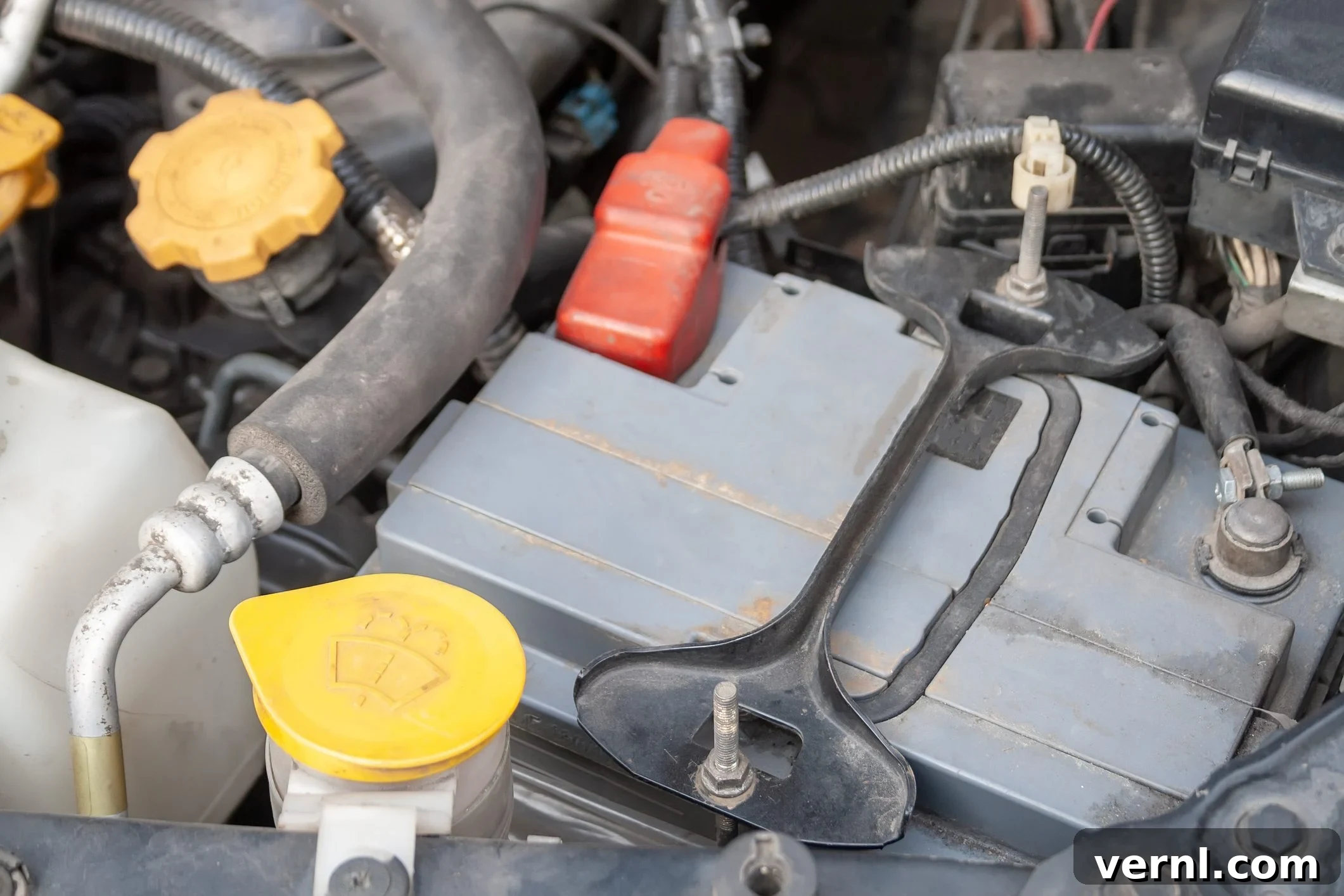
Essential Guide to Car Battery Terminal Covers: Safety, Protection, and Installation
Imagine a scenario: you’re performing routine maintenance on your car, the hood is up, and a wrench slips from your hand, landing squarely across your car’s battery. If that metal wrench makes simultaneous contact with both the positive (+) and negative (-) battery terminals, a dangerous spark could erupt. This spark has the potential to ignite the highly flammable mixture of hydrogen and oxygen gases routinely produced by a working battery, leading to a sudden and violent explosion. This isn’t just a minor inconvenience; it’s a significant safety hazard that can cause severe injury or damage to your vehicle.
Fortunately, such perilous incidents are largely preventable with a simple yet effective device: the car battery terminal cover. These covers act as a crucial barrier, drastically reducing the risk of accidental short circuits and protecting vital electrical connections. Beyond their primary safety function, new covers also contribute to a cleaner, more professional appearance under the hood, all while safeguarding your battery terminals from corrosive elements.
Understanding the Dangers: Why Battery Protection Matters
The seemingly innocuous car battery is a powerhouse, capable of delivering immense electrical current. While essential for starting your engine and powering your vehicle’s systems, this power also harbors potential dangers if not handled with care. A short circuit, for instance, occurs when an unintended, low-resistance connection forms between two points of an electrical circuit that are designed to be separated. In the context of a car battery, this often means a direct connection between the positive and negative terminals through a conductive object like a metal tool or even loose wiring.
When a short circuit occurs, an extremely high amount of current flows, generating intense heat. This heat can melt metal, cause severe burns upon contact, and rapidly ignite flammable materials. More acutely, car batteries produce hydrogen gas as a byproduct of their electrochemical reactions. In an enclosed space like an engine bay, this gas can accumulate. A spark from a short circuit can act as an ignition source, turning a simple electrical mishap into a serious fire or explosion hazard. This is precisely why safeguarding battery terminals is not merely a recommendation but a critical safety practice for any vehicle owner.
What Are Car Battery Terminal Covers?
Car battery terminal covers are protective shields designed to encapsulate the exposed ends of your battery cables and terminals. Typically manufactured from durable, non-conductive materials such as PVC (polyvinyl chloride), rubber, or various types of plastic, these covers serve as an insulating barrier. Their primary function is to prevent accidental contact between the battery terminals themselves or between a terminal and any other conductive component in the engine bay, thereby eliminating the risk of a dangerous short circuit.
Materials and Design
The choice of PVC, rubber, or plastic for these covers is deliberate. These materials are excellent electrical insulators, capable of withstanding the engine bay’s harsh environment, including temperature fluctuations and exposure to various chemicals. They are also flexible enough to accommodate different terminal shapes and sizes, ensuring a snug and secure fit. Covers come in various designs, from simple slip-on sleeves to more robust caps that fully enclose the terminal, catering to both top-post and side-post battery configurations.
The Significance of Color Coding
To further enhance safety and simplify identification, battery terminal covers are commonly color-coded. Red covers are universally designated for the “hot,” 12-volt positive (+) terminal. This vibrant color immediately signals the presence of a live electrical connection. Black covers, on the other hand, are typically used for the negative (-) “ground” terminal, which connects to the vehicle’s chassis. This clear distinction helps prevent improper connections during battery maintenance or jump-starting, which can cause severe damage to the vehicle’s electrical system or even personal injury.
The Vital Purpose of Battery Terminal Covers
The benefits of installing and maintaining car battery terminal covers extend beyond mere aesthetics. They play a multifaceted role in ensuring the safety, longevity, and reliable performance of your vehicle’s electrical system.
Preventing Dangerous Short Circuits
As previously highlighted, the most critical function of these covers is to prevent accidental short circuits. The engine bay is a dynamic environment, filled with metal tools, loose wires, and other conductive materials that could inadvertently bridge the gap between a battery terminal and another electrical component or ground. Battery terminal covers create a robust, insulated barrier, preventing such contact. This protection is invaluable during vehicle maintenance, repairs, or even in the event of a minor collision where wires might become dislodged.
Combating Corrosion and Extending Battery Life
Beyond preventing short circuits, battery terminal covers offer significant protection against corrosion. Battery terminals are susceptible to corrosion caused by the release of hydrogen gas, moisture, dirt, and other contaminants present in the engine bay. This corrosion, often appearing as a white or bluish-green powdery substance, creates resistance in the electrical connection, hindering the flow of current. Over time, excessive corrosion can lead to starting problems, reduced battery life, and even damage to other electrical components. By enclosing the terminals, covers act as a physical shield, minimizing exposure to these corrosive elements and helping to maintain clean, efficient connections. This proactive measure can significantly extend the lifespan of your battery and improve the reliability of your vehicle’s starting system.
Regular cleaning of corroded battery terminals is important, but covers reduce the frequency and severity of corrosion buildup.
Enhancing Under-Hood Aesthetics
While safety and functionality are paramount, battery terminal covers also contribute to a tidier and more organized engine bay. They conceal the exposed, often utilitarian, appearance of battery terminals and cables, giving the engine compartment a more finished and professional look. This small detail can make a difference in the overall presentation of your vehicle, especially if you take pride in a clean and well-maintained engine bay. A clean engine bay not only looks good but also helps in identifying potential issues more easily.
Why the Positive Terminal Needs Special Attention
It’s a common observation that while many vehicles come with two battery terminal covers, often only the positive battery terminal is covered, or its cover is more substantial. This isn’t an oversight but a deliberate design choice based on the fundamental principles of electrical safety. The positive terminal carries the full 12 volts of the battery’s potential, making it the most critical point for preventing a short circuit to ground.
The Difference Between Voltage and Amperage in Battery Safety
While 12 volts might not sound excessively high, the real danger lies in the amperage a car or truck battery can deliver. A typical car battery can produce well over 400 amps during a short circuit event. To put this into perspective, even 250 amps is powerful enough to easily melt or weld a quarter-inch-thick piece of aluminum. When the positive battery terminal becomes shorted to the vehicle’s metal chassis (which serves as the ground), this immense current can flow unregulated.
Any conductive material that bridges this gap will instantly become incredibly hot, hot enough to melt metal components, cause severe skin burns, or ignite nearby flammable liquids or gases. This high amperage is what generates the dangerous sparks that can quickly ignite the hydrogen and oxygen gases around the battery, leading to an explosion. Therefore, covering the positive terminal is an absolute necessity to prevent these catastrophic events.
The Role of the Negative Terminal Cover
While the negative terminal typically poses less risk of creating a hazardous short circuit (as it’s already connected to the vehicle’s ground), covering it still offers significant benefits. Primarily, a negative terminal cover provides protection against corrosion. Just like the positive terminal, the negative terminal can accumulate corrosive deposits that hinder performance and shorten battery life. A cover helps shield it from moisture, dirt, and acid fumes, ensuring a cleaner, more reliable connection. So, while the positive terminal cover is non-negotiable for immediate safety, covering the negative terminal contributes to overall battery health and longevity.
Identifying and Replacing Missing Battery Terminal Covers
Over time, battery terminal covers can become brittle, crack, fall off, or simply go missing during maintenance. If you notice your vehicle lacks these crucial battery terminal covers, it’s a straightforward and inexpensive repair you can perform yourself, greatly enhancing your vehicle’s safety.
When to Replace Your Covers
Inspect your battery terminals regularly, especially when servicing your battery. If you find any covers are missing, cracked, or no longer fit securely, it’s time for a replacement. Don’t underestimate the importance of these small components; their absence can have serious consequences.
Tools and Materials You’ll Need
- New battery terminal covers (ensure they are the correct size and type for your battery).
- Wrench (typically 10mm or 13mm for battery terminals).
- Wire brush or battery terminal cleaner brush.
- Battery terminal cleaner spray (optional, but recommended).
- Petroleum jelly or clear silicone dielectric grease.
- Small plastic zip-ties (optional, for securing covers).
- Safety gloves (acid-resistant).
- Eye protection.
Step-by-Step Installation Guide for Battery Terminal Covers
Step 1: Prioritize Safety
Before you begin, always put on your safety gloves and eye protection. Car batteries contain sulfuric acid, which is highly corrosive and can cause severe burns. Ensure you are working in a well-ventilated area to dissipate any hydrogen gas that may be present.
Step 2: Disconnect the Battery
This is a critical step to prevent accidental short circuits during the installation process. Always disconnect the negative (-) cable first. Use your wrench to loosen the nut on the negative terminal, then carefully remove the cable and tuck it away from the battery. Next, disconnect the positive (+) cable in the same manner. Removing the negative cable first ensures that if your wrench accidentally touches the vehicle’s chassis while loosening the positive terminal, it won’t create a short circuit.
Step 3: Clean and Inspect Terminals
With the cables disconnected, take this opportunity to clean your battery terminals and cable ends. Use a wire brush or a specialized battery terminal cleaning brush to remove any corrosion or dirt. For stubborn buildup, a battery terminal cleaner spray can be very effective. A clean connection ensures optimal electrical flow and reduces future corrosion. Also, inspect the battery cables and terminals for any signs of damage, fraying, or wear that might require further attention.
Step 4: Installing the New Covers
Now, it’s time to install the new covers. Sliding them over the cable terminals can sometimes be a bit tricky due to their snug fit. To ease the process, you can apply a small amount of petroleum jelly or clear silicone dielectric grease to the inner surface of the cover’s cable end. This lubrication helps the cover slide more smoothly over the cable. If you’re still struggling, a common trick is to carefully cut a small slit in the narrow end of the cover, allowing it to open slightly and slide over the cable more easily. Once in place, you can secure it with a small plastic zip-tie to ensure it remains firmly attached.
Step 5: Reconnect the Battery
Once the new covers are securely in place, you can reconnect your battery. This time, you’ll want to reconnect the positive (+) cable first. Attach the positive cable to the positive terminal and tighten the nut securely. Then, connect the negative (-) cable to the negative terminal and tighten its nut. Ensure both connections are snug but do not overtighten, as this can damage the terminals.
Step 6: Final Checks
Gently tug on the newly installed covers and cables to ensure they are firmly attached and stable. Double-check that all tools are cleared from the engine bay before closing the hood and starting your vehicle.
When to Consult a Professional
While installing battery terminal covers is a relatively simple DIY task, there are instances where professional help might be advisable. If you encounter severely corroded terminals that are difficult to clean, damaged battery cables, or if you feel uncomfortable performing the task yourself, don’t hesitate to consult a certified mechanic. Their expertise ensures the job is done safely and correctly, preventing potential issues down the line.
Comprehensive Safety Precautions When Working with Car Batteries
Working with car batteries involves inherent risks that demand strict adherence to safety protocols. Beyond wearing personal protective equipment, understanding and mitigating these risks is crucial for your safety and the longevity of your vehicle. Remember these key precautions:
- Always Wear PPE: Safety gloves and eye protection are non-negotiable. Sulfuric acid is extremely corrosive, and a splash can cause severe burns and permanent eye damage.
- Ensure Ventilation: Batteries emit hydrogen gas, especially during charging or when they are short-circuited. Hydrogen is highly flammable and explosive. Work in an open, well-ventilated area to prevent gas accumulation.
- No Open Flames or Sparks: Avoid smoking, using lighters, or creating any sparks near a battery. Even a small spark can ignite hydrogen gas.
- Remove Jewelry: Metal jewelry (rings, watches, bracelets) can conduct electricity and cause a short circuit if it comes into contact with battery terminals, leading to severe burns or damage to the jewelry and battery.
- Use Insulated Tools: Whenever possible, use tools with insulated handles to reduce the risk of accidental short circuits.
- Disconnect Properly: Always disconnect the negative (-) cable first and reconnect the positive (+) cable first to minimize the risk of accidental grounding and sparking.
- Handle Acid Spills Carefully: If battery acid comes into direct contact with your skin or eyes, flush the affected area immediately with large amounts of water for at least 15-20 minutes and seek medical attention without delay. Baking soda can neutralize spilled acid on surfaces.
- Avoid Overcharging: Overcharging a battery can lead to excessive gas production and potential cell damage, increasing safety risks.
- Secure the Battery: Ensure the battery is securely fastened in its tray. A loose battery can move, causing cables to disconnect or terminals to short against other components.
Conclusion: Prioritizing Battery Safety for a Smooth Drive
Car battery terminal covers are small, often overlooked components that play a monumental role in vehicle safety and maintenance. By providing a crucial layer of insulation, they protect against dangerous short circuits, mitigate corrosive damage, and contribute to the overall reliability and longevity of your car’s electrical system. Understanding their purpose, knowing how to identify missing covers, and correctly installing replacements are essential skills for any vehicle owner.
Prioritizing battery safety, from using proper terminal covers to following strict safety protocols during maintenance, ensures not only the smooth operation of your vehicle but also the well-being of anyone working under the hood. Don’t let a simple oversight lead to a serious hazard; invest in the protection and peace of mind that battery terminal covers provide.