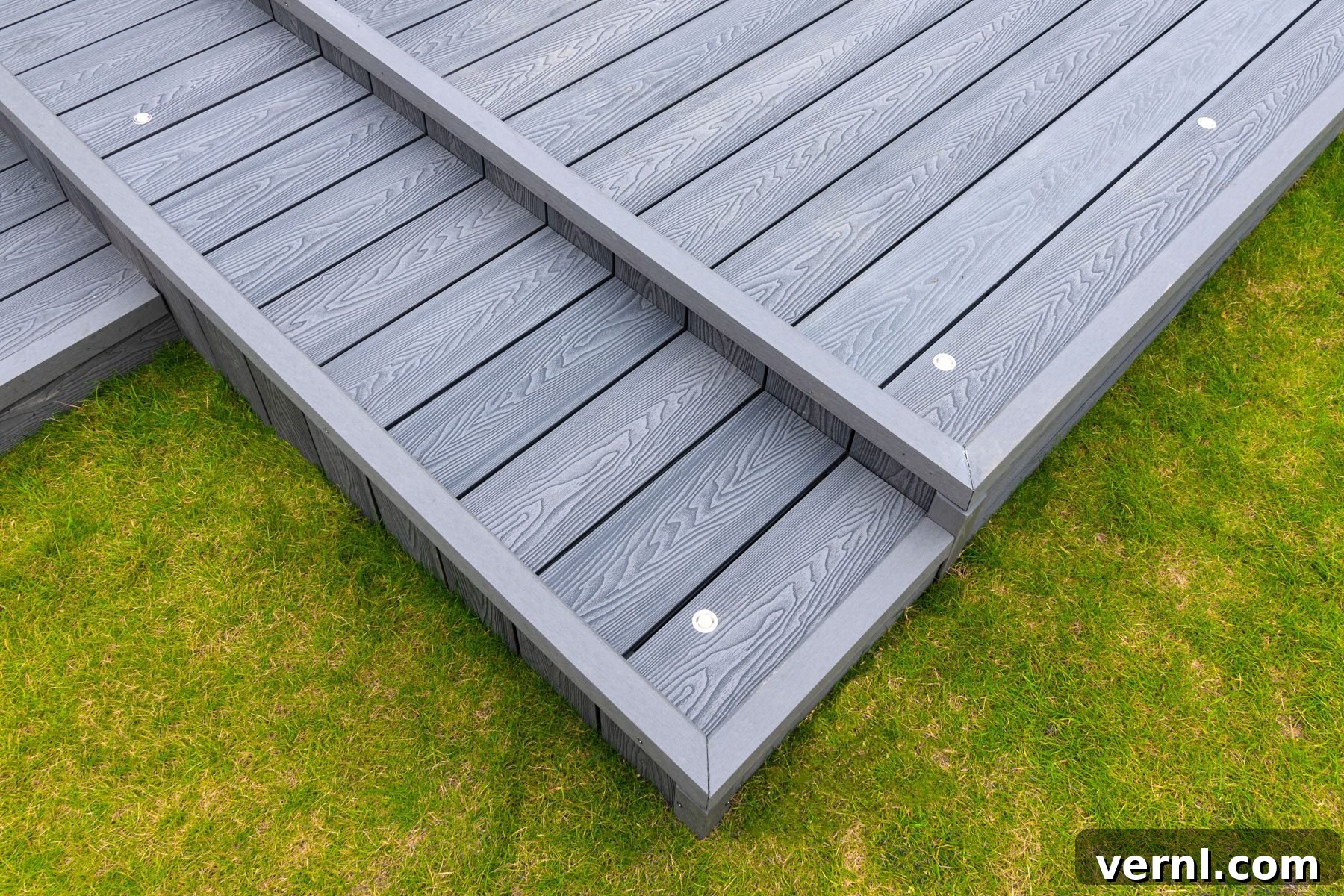
The world of outdoor living has undergone a significant transformation over the past few decades, largely driven by advancements in materials science. While traditional wood decks have long been a staple, the emergence and rapid evolution of composite decking have provided homeowners with a compelling, low-maintenance alternative. Having built decks for years before composite materials even existed, I can attest to the remarkable journey these products have taken, from their rudimentary beginnings to the sophisticated, high-performance options available today.
Pioneered by Trex in 1996, early composite deck boards faced considerable challenges, including issues like flaking, mold growth, and color fading. These initial hurdles, even leading to class-action lawsuits in the 2010s, served as a powerful catalyst for innovation. Today, the composite decking market is robust and highly competitive, featuring industry leaders like Trex, AZEK (which produces TimberTech boards), Fiberon, and MoistureShield. While Trex products continue to set a high standard, the competition has pushed the entire industry forward, resulting in an array of high-quality, durable, and aesthetically pleasing decking solutions.
With an ever-expanding selection of composite decking options entering the market each year, making an informed decision can be daunting. To help navigate this complex landscape, we consulted Josh Rudin, a seasoned building and restoration expert from Phoenix, AZ. Rudin provides invaluable insights into comparing the major brands based on critical factors such as price, durability, and ongoing maintenance requirements, ensuring you can select the best composite deck for your home and lifestyle.
Leading Composite Decking Brands: In-Depth Comparison
Understanding the distinct characteristics of the top composite decking brands is crucial for making an educated choice. Each brand brings unique strengths to the table, catering to different aesthetic preferences, performance needs, and budget considerations.
Trex Decking
“Trex stands out as the most prevalent composite decking brand on the market today, and for good reason,” explains Rudin. “Its widespread popularity stems from a combination of remarkable product quality, excellent customer service, and a proven track record for exceptional product longevity.” Trex has successfully leveraged its pioneering spirit to refine its offerings, addressing early product limitations and continuously innovating.
Trex decking boards are genuine composites, meticulously crafted from an ingenious blend of recycled wood fibers and reclaimed plastic materials. This commitment to sustainability not only diverts waste from landfills but also creates a durable, weather-resistant material. While Trex acknowledges that its early-generation decking products were somewhat susceptible to environmental factors like weather and mold, its contemporary lines have dramatically improved. Modern Trex products are “capped,” meaning they feature a robust, waterproof plastic coating that encases the composite core. This protective shell significantly enhances their resistance to moisture, mold, fading, and general wear and tear, ensuring superior performance and a longer lifespan.
- Warranty Period: Trex offers comprehensive warranties ranging from 25 to 50 years, depending on the specific product line chosen. This tiered warranty reflects the varying levels of performance and durability across their diverse product portfolio.
AZEK (TimberTech) Decking
AZEK, a prominent player in the decking industry, offers two distinct product lines under the TimberTech brand. One line features pure PVC decking, entirely devoid of wood, making it highly resistant to moisture and insect damage. The company also provides composite decking options that skillfully combine high-performance plastic with recycled and reclaimed wood content. “AZEK is particularly renowned for its advanced high-performance features,” notes Rudin. “These include exceptional resistance to mold and mildew growth, along with superior fade prevention technologies, ensuring the deck maintains its vibrant appearance for decades.” TimberTech by AZEK often appeals to homeowners seeking premium aesthetics and unparalleled durability.
- Warranty Period: TimberTech products typically come with a strong 30-year warranty, reflecting confidence in their material integrity and long-term performance.
Fiberon Decking
“Fiberon is a highly respected brand within the composite decking sector, celebrated for its innovative designs and strong commitment to eco-friendly materials,” states Rudin. Fiberon provides a diverse range of decking solutions, including both capped and uncapped composite boards. Their website prominently showcases boards made from pure PVC, offering maximum moisture resistance, as well as polyethylene (PE)/wood composites, which strike a balance between natural aesthetics and enhanced durability. Fiberon’s focus on material innovation allows them to offer a wide array of styles and price points, making them accessible to a broad spectrum of consumers.
- Warranty Period: Fiberon typically backs its products with a 25-year warranty, demonstrating reliability and lasting quality for their composite and PVC decking lines.
MoistureShield Decking
MoistureShield distinguishes itself with a robust product lineup that includes three lines of advanced capped composite boards and one line of uncapped options. “One of the most significant differentiators for MoistureShield, compared to other composite decking brands,” emphasizes Rudin, “is their extraordinary lifetime warranty against rot, decay, and even termite damage.” This unparalleled warranty underscores MoistureShield’s confidence in its proprietary manufacturing process, which ensures superior moisture resistance and structural integrity throughout the entire board, not just the surface. Their boards are engineered to be installed directly on the ground or even underwater, offering unmatched versatility for challenging environments.
- Warranty Period: MoistureShield offers an industry-leading lifetime warranty, a testament to the exceptional durability and long-term performance of their decking products.
Cost Comparisons and Long-Term Value of Composite Decking
While composite decking typically incurs a higher upfront cost than traditional pressure-treated wood, it’s essential to consider the long-term value and reduced maintenance expenses. The initial investment in composite often pays off over time by eliminating the need for annual staining, sealing, and repairs common with wood decks. As expected, pricing varies significantly among composite brands and even within a single brand’s product lines.
Trex offers one of the most comprehensive price ranges in the market, making it accessible to a wider audience. Their entry-level Trex Enhance Basics boards are among the most economical, starting around $2.20 per linear foot. On the other hand, their premium Trex Signature line represents the pinnacle of luxury and durability, reaching up to $8.50 per linear foot. Rudin regards Trex as “one of the best value products on the market,” given its balance of quality, performance, and diverse pricing options.
Among Trex’s primary competitors, TimberTech by AZEK generally positions itself at the higher end of the spectrum, with an average price hovering around $5.50 per linear foot. MoistureShield follows, offering competitive options with an average price point of approximately $4.50 per linear foot, often justified by its superior moisture protection and lifetime warranty. Fiberon typically claims the budget-friendly category for its composite products, with an average price of about $4.15 per linear foot, providing an excellent balance of quality and affordability for cost-conscious homeowners. When budgeting for your new deck, remember to factor in not just the board cost but also fasteners, substructure materials, and labor.
Style Selections and Aesthetic Versatility
Beyond durability and cost, the aesthetic appeal and style options are pivotal in choosing the right composite decking. Modern composite materials are engineered to mimic the natural beauty of wood, offering a rich palette of colors, realistic grain patterns, and varied textures that can complement any architectural style or outdoor landscape. The goal is to provide a stunning, maintenance-free surface that feels as good as it looks.
Trex offers four distinct product lineages, each progressively increasing in cost and sophistication: Enhance, Select, Transcend, and Signature. These lines differ significantly in their available color options, the depth and realism of their wood grain patterns, and their overall durability and expected lifespan. From subtle, earthy tones to vibrant, exotic hardwoods, Trex provides extensive choices. TimberTech by AZEK boasts an impressive five lineages, including Legacy (known for its rich, hand-scraped textures), Reserve (which beautifully replicates the rustic charm of reclaimed wood), Terrain (featuring a classic sanded wood appearance), Prime (offering versatile painted wood aesthetics), and Premier (another line with a refined painted wood look). Each TimberTech line offers unique colorways and surface finishes, enabling highly customized deck designs.
MoistureShield offers one specialized line of composite-enhanced PVC decking, its Stratos line, known for extreme durability and moisture resistance. Additionally, they provide four robust wood composite lines: Vision, Meridian, and Elevate (all featuring advanced capping for superior protection), and Vantage (an uncapped option for those seeking a more traditional feel with inherent moisture resistance). MoistureShield’s innovations often focus on performance in challenging conditions. Fiberon, for its part, provides two lines of pure PVC decking—Promenade and Paramount—which are ideal for high-moisture environments. They also offer five distinct lines of PE/wood composites, including the popular Concordia, Sanctuary, and Good Life series, alongside ArmorGuard and Veranda, which are more budget-friendly lines exclusively available at Home Depot. The sheer variety across these brands ensures that homeowners can find decking that perfectly matches their desired aesthetic, performance needs, and budget.
Installation: Screws, Hidden Fasteners, and Best Practices
The visual integrity and longevity of a composite deck are significantly impacted by its installation method, particularly how the boards are fastened. As a builder, few sights are as disheartening as an aging composite deck marred by visible, top-driven screws surrounded by unsightly black mold. This common eyesore is, fortunately, entirely preventable with modern installation techniques.
Virtually all leading composite decking brands now offer boards with grooved edges specifically designed for “hidden fasteners.” These innovative fastening systems utilize specialized brackets or clips that securely fit into the side grooves of the deck boards, attaching them to the substructure without any visible screws on the deck surface. The benefits of hidden fasteners are numerous: they create a sleek, clean, and seamless appearance; they eliminate potential pathways for moisture and mold growth around screw heads; and they help protect the integrity of the deck board’s cap, particularly for capped composites. Proper spacing between boards, facilitated by these fasteners, is also crucial for drainage and thermal expansion.
For those who still prefer or require the traditional method of screwing boards from the top, manufacturers have also made strides. Trex, for example, offers Hideaway plug-and-screw sets. These comprehensive kits include a specialized countersinking drill bit that creates a perfectly sized hole, weather-resistant screws for secure fastening, and precisely engineered composite plugs that fit flush into the countersunk holes. When installed correctly, these plug systems offer a much cleaner finish than standard top-driven screws, minimizing visibility and enhancing the deck’s overall aesthetic.
Maintenance Requirements for Composite Decking
One of the primary draws of composite decking is its reputation for being “low maintenance” compared to wood. However, it’s crucial to understand that “low maintenance” does not equate to “no maintenance.” Because all wood composite and pure PVC decking boards contain plastic components, they cannot be sanded or refinished like traditional wood. In fact, some manufacturers may even void warranties if high-pressure washing is used, as it can damage the board’s surface or cap.
Despite their inherent durability, composite boards still require periodic cleaning to prevent the buildup of dirt, pollen, and mildew, ensuring they remain mold-free and retain their pristine appearance. The recommended cleaning method is simple: a gentle scrub with a mild soap and water solution, followed by a thorough rinse with clean water. For tougher stains or persistent mildew, specialized composite deck cleaners are available that are formulated to be safe and effective. Regular cleaning, ideally once or twice a year, will preserve your deck’s beauty and extend its lifespan.
Another significant advantage of composite decking is that it seldom, if ever, needs painting or staining. In fact, for many products, applying paint or stain is not recommended and can negatively impact the material’s performance and appearance, potentially voiding the warranty. If an aging composite deck appears faded or worn, it’s essential to consult the manufacturer’s specifications before attempting any surface treatments. Due to the plastic content, applying dark paint colors can also lead to excessive heat absorption, potentially causing overheating, warping, or other structural issues. Embracing the natural, consistent color of your composite deck is typically the best long-term approach.
Wood Composite vs. Pure PVC Decking: Choosing the Right Material
The choice between traditional wood composite decking and newer pure PVC decking boards represents a critical decision point for homeowners, as each material offers distinct advantages suited to different environmental conditions and performance expectations. Pure PVC decking boards are a more recent innovation in the market, developed to offer even greater resistance to moisture than their composite counterparts. Being entirely free of wood fibers, PVC boards will not absorb moisture, making them an excellent choice for extremely wet or coastal environments where rot and mildew are constant threats. However, they do tend to exhibit more thermal expansion and contraction, which can lead to cracking or buckling in regions with significant temperature swings if not installed correctly.
Wood composites, while containing plastic, still have wood content that can absorb some moisture if not properly protected. This is where capped composite boards truly shine. Capped composites feature an impermeable plastic coating that completely encases the composite core, providing superior protection against moisture absorption, fading, and staining. This protective cap significantly enhances the board’s longevity and durability, making capped composites an excellent choice for a wide range of climates. They offer a better balance of rigidity and flexibility, performing well in regions with prominent seasonal temperature changes.
For optimal longevity and durability with capped composite boards, one crucial condition must be met: the cap cannot be penetrated by screws or nails. This means that hidden fasteners are not just an aesthetic preference but a practical necessity to maintain the integrity of the protective layer. Penetrating the cap compromises its waterproof barrier, exposing the wood composite core to moisture and potential degradation. Therefore, understanding the material composition and specific installation requirements is paramount to maximizing the lifespan and performance of your chosen decking material.
Benefits of Investing in Composite Decking
Choosing composite decking offers a multitude of advantages that extend beyond mere aesthetics, contributing to a more enjoyable, safer, and cost-effective outdoor living experience over the long term:
- Exceptional Durability: Composite boards are engineered to resist rot, decay, insect infestations (like termites), and splintering, problems common with natural wood. Their robust construction ensures they withstand harsh weather conditions year after year.
- Superior Longevity: With proper care, composite decks can last 25 to 50 years or even a lifetime, significantly outperforming traditional wood decks that often require replacement after 10-15 years.
- Low Maintenance: This is arguably the biggest benefit. Forget about sanding, staining, or sealing annually. A simple cleaning with soap and water is typically all that’s needed to keep your composite deck looking new.
- Enhanced Safety: Unlike wood, composite decking does not splinter, making it safer for bare feet and pets. Many composite boards also offer improved slip resistance, even when wet.
- Eco-Friendly Options: Many composite decking manufacturers, notably Trex, utilize a high percentage of recycled wood fibers and plastic, diverting waste from landfills and supporting sustainable building practices.
- Consistent Aesthetics: Composite boards offer consistent color and texture across all pieces, eliminating the variations and imperfections often found in natural wood. The colors are also designed to resist fading, maintaining their vibrancy over time.
- Increased Home Value: A well-installed composite deck can significantly enhance your home’s curb appeal and resale value, providing a high return on investment due to its durability and low maintenance appeal.
Potential Drawbacks to Consider
While composite decking offers numerous benefits, it’s also important to be aware of certain potential drawbacks to ensure it’s the right choice for your specific needs:
- Higher Initial Cost: The most significant drawback is often the upfront investment, which is generally higher than that of traditional pressure-treated lumber. However, this is frequently offset by lower long-term maintenance costs.
- Heat Retention: Darker composite deck colors, particularly those exposed to direct sunlight, can absorb and retain more heat than natural wood, making the surface quite hot to the touch. This can be a consideration in very warm climates.
- Weight: Composite boards tend to be denser and heavier than most wood decking, which might require a more robust substructure, adding to the overall construction cost and complexity.
- Fading (Historically): While modern composite decking is engineered for superior fade resistance, some older or lower-quality products might still show minor color changes over many years, particularly in uncapped varieties.
- Repair Limitations: Unlike wood, composite decking cannot be sanded, stained, or painted to repair damage. If a board is significantly scratched or damaged, the entire board usually needs to be replaced.
- Appearance: While designs have vastly improved, some people still prefer the unique, natural look and feel of real wood, despite its maintenance demands.
Making the Right Decking Choice for Your Home
Selecting the ideal composite decking material involves weighing a variety of factors unique to your situation. Consider your budget, the local climate and environmental conditions, your aesthetic preferences, and the level of maintenance you are willing to commit to. Each of the leading brands—Trex, TimberTech by AZEK, Fiberon, and MoistureShield—offers a compelling set of advantages, from industry-leading warranties and cutting-edge material technologies to diverse style options and varying price points. By carefully evaluating these elements and understanding the nuances between capped composites, uncapped composites, and pure PVC decking, you can confidently choose a deck that not only enhances your outdoor living space but also provides lasting beauty and enjoyment for decades to come.
About the Expert
- Josh Rudin is a Certified Restorer and the esteemed owner of ASAP Restoration LLC, a highly regarded company based in Phoenix, AZ. With a strong track record of excellence, the company has been proudly serving its community since 2008.