
Banish Yellow Toilet Seat Stains Forever: The Ultimate Magic Eraser Hack
The sight of a yellowed toilet seat is undoubtedly one of the most frustrating and aesthetically unpleasing issues in any bathroom. Toilets, by their very nature, are frequently used, and the expectation of a pristine, white seat is universal. Yet, despite our best efforts and rigorous cleaning routines, those stubborn yellow stains often seem inevitable, detracting from the overall cleanliness and hygiene of our personal spaces. This common household dilemma leaves many homeowners and renters alike searching for an effective solution that doesn’t involve endless scrubbing or an arsenal of harsh, potentially damaging chemicals.
For years, battling yellow toilet seat stains has felt like an uphill battle. We’ve all been there: armed with bleach, vinegar, or a concoction of home remedies, we’ve invested significant time and effort, often ruining sponges and rags in the process, only to see minimal improvement. The frustration builds as these persistent stains, caused by a variety of unavoidable factors, seem to mock our cleaning prowess. But what if there was a remarkably simple, quick, and incredibly effective method to restore your toilet seat to its original, brilliant white? A method so straightforward, it might just revolutionize your bathroom cleaning routine, leaving you with a spotless, inviting space.
The Ubiquitous Problem: Why Do Toilet Seats Turn Yellow?
Before diving into the miracle solution, it’s helpful to understand the root causes behind this common household nuisance. Identifying the culprits can not only help us tackle existing stains but also implement preventive measures to keep our toilet seats looking fresh longer. Understanding these factors can save you time and effort in the long run.
1. Urine Contact and Chemical Reactions
Perhaps the most obvious cause, regular contact with urine is a primary factor. Urine contains uric acid, urea, and other organic compounds that can react with the plastic materials commonly used in toilet seats. Over time, these chemical interactions lead to a yellow discoloration that permeates the surface, becoming increasingly difficult to remove with standard cleaners. The porous nature of some plastics can absorb these compounds, making the stain even more stubborn.
2. Hard Water Mineral Buildup
Many households contend with hard water, which contains elevated levels of minerals like calcium and magnesium. When hard water splashes or evaporates on the toilet seat, it leaves behind mineral deposits. These microscopic mineral layers can trap dirt and react with cleaning agents, leading to a yellow or brownish tint that accumulates over time, forming a tough, scale-like film. This film acts like a magnet for further discoloration and grime.
3. UV Light Exposure and Material Degradation
While less commonly considered, prolonged exposure to ultraviolet (UV) light, particularly in bathrooms with direct sunlight, can contribute significantly to the yellowing of plastic toilet seats. UV radiation causes the polymers in plastics to break down and oxidize, a process known as photo-degradation, which often manifests as discoloration and brittleness. This is similar to how old plastic appliances or outdoor furniture might yellow over time.
4. Cleaning Product Residue and Reactions
Ironically, some cleaning products, especially those containing harsh chemicals or abrasives, can exacerbate the problem. Residues left behind by certain cleaners can chemically react with the plastic over time, leading to yellowing. Additionally, abrasive cleaners can scratch the seat’s surface, creating tiny crevices where dirt, bacteria, and future stains can accumulate more easily, making the problem worse than before.
5. Age and General Wear and Tear
Like any household item, toilet seats have a lifespan. Over years of use, the plastic material naturally degrades, becoming more porous and susceptible to staining. The protective top layer can wear away, exposing the underlying material to greater discoloration. This natural aging process, combined with daily exposure to various elements, makes yellowing an almost inevitable part of a toilet seat’s life.
The Frustration with Traditional Cleaning Methods
For too long, the fight against yellow toilet seat stains has been a losing battle for many. The conventional wisdom often points towards aggressive cleaning methods that, while seemingly logical, often fall short of expectations and can even cause further issues, leaving you feeling defeated and out of options.
- Bleach and Harsh Chemicals: While bleach is a powerful disinfectant and whitener, it’s not always the magic bullet for deep-set yellow stains. Repeated use can sometimes even damage the plastic, making it more porous and prone to future discoloration. Furthermore, the strong fumes and potential for skin irritation make it an unpleasant and sometimes hazardous option for regular use.
- Vinegar and Baking Soda Concoctions: These natural remedies are popular for their gentle cleaning properties. While effective on mild surface stains and limescale, they often lack the power to penetrate and lift the deep, entrenched yellowing that characterizes old toilet seat stains. They require significant dwell time and rigorous scrubbing, often yielding disappointing results that don’t justify the effort.
- Abrasive Scrubbing and Scouring Pads: The instinct to scrub harder is strong when faced with stubborn stains. However, using abrasive pads or brushes can irreparably scratch the glossy surface of a toilet seat. These scratches then become ideal hiding spots for dirt, bacteria, and future stains, making the problem worse in the long run and compromising the hygiene of your toilet.
- The Endless Cycle of Effort: Many homeowners find themselves in a frustrating loop: trying various products, scrubbing vigorously, and then watching as the yellow returns, seemingly unaffected by their efforts. This not only wastes valuable time and money but also leads to a sense of defeat and a less-than-sparkling bathroom.
It’s clear that a new approach is needed—one that is effective, gentle on the toilet seat, and doesn’t require an exhaustive list of chemicals or brute force. Prepare to be amazed by the simplicity and power of our featured cleaning hack, a method that has taken the cleaning world by storm for its sheer effectiveness.
Introducing the Game-Changer: The Magic Eraser Solution
Imagine a world where those unsightly yellow toilet stains vanish in moments, without the need for harsh chemicals, endless scrubbing, or replacing your toilet seat entirely. This isn’t a pipe dream; it’s a reality accessible with one remarkable cleaning tool: the Magic Eraser (or any similar melamine foam sponge). Forget your dish rags, put away your bleach, and set aside your homemade solutions, because all you’ll truly need for this incredible transformation is a Magic Eraser, a little water, and minimal effort.
This ingenious solution has gained significant traction across various cleaning communities, particularly on social media platforms like TikTok, where countless users have demonstrated its astonishing effectiveness. The sheer simplicity of the method belies its powerful results, making it an indispensable hack for anyone struggling with discolored toilet seats. It’s a cleaning revelation that promises to restore your toilet seat to its original, brilliant white with surprising ease.
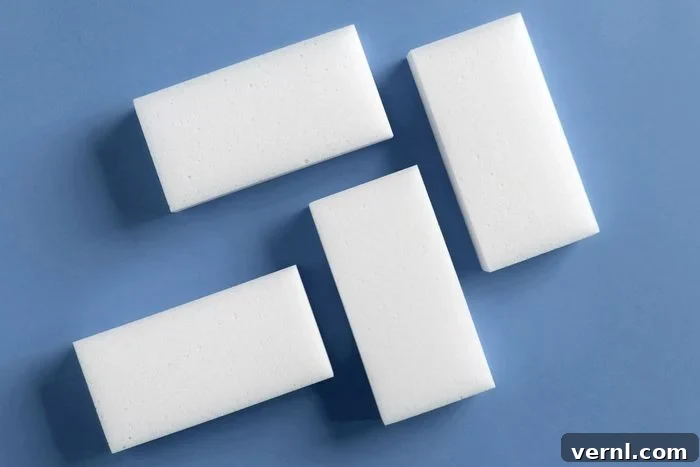
Step-by-Step Guide: How to Banish Yellow Stains with a Magic Eraser
The beauty of this hack lies in its straightforward application. You don’t need to be a cleaning expert or possess special equipment. Follow these simple steps to restore your toilet seat to its pristine condition, and prepare to be amazed by the swift results:
1. Prepare Your Supplies
- One Magic Eraser (or similar melamine foam sponge).
- A small amount of clean water, preferably from the tap.
- Optional: Rubber gloves for personal preference, though not strictly necessary as no harsh chemicals are involved.
- Optional: A clean cloth or paper towels to wipe down the seat afterward and absorb any residue.
2. Optimize Your Magic Eraser for Efficiency
To maximize the life of your Magic Eraser and ensure you always have some on hand for other cleaning tasks, consider tearing or cutting off a small portion of the sponge. A piece about 1-2 inches square is often sufficient for targeting specific stains on a toilet seat, allowing you to preserve the larger portion for future use. This strategy makes the product more cost-effective and reduces waste.
3. Wet the Eraser Appropriately
Hold the small piece of Magic Eraser under running water until it is thoroughly damp, but not dripping wet. Squeeze out any excess water gently. The eraser should be moist enough to glide smoothly across the surface, activating its cleaning properties, but not oversaturated to avoid making a mess.
4. Gently Scrub the Stains Away
With the damp Magic Eraser, begin to gently scrub the yellowed areas of your toilet seat. Use light to medium pressure and work in small, consistent circular motions. You should notice the yellow stains beginning to lift almost immediately. The melamine foam works its magic by acting as a micro-abrasive, effectively “erasing” the discoloration without damaging the underlying surface. Be patient and systematic, covering all affected areas.
5. Wipe Clean and Inspect
After scrubbing, use a clean, damp cloth or paper towel to wipe away any residue and the lifted stain particles. Inspect the area carefully. For very stubborn or deeply set stains, you may need to repeat the process, re-wetting the Magic Eraser and continuing to scrub until the stain is completely gone. Most users report significant improvement or complete removal in mere seconds to minutes, making this a truly time-saving hack.
@leaderscleaning Have you tried this one yet?! We love efficiencient and effective hacks!💙🧼 #cleantok #hack #tips #cleaninghacks #cleaningtips #fyp ♬ VANNA RAINELLE яд – 𝐕𝐀𝐍𝐍𝐀 𝐑𝐀𝚰𝐍𝐄𝐋𝐋𝐄
Why Does This Work So Well? The Science Behind the Magic Eraser
The effectiveness of the Magic Eraser isn’t magic at all, but rather a brilliant application of material science. These sponges are made from melamine foam, a unique material with a microscopic, open-cell structure. When melamine foam is dampened, it creates a super-fine abrasive material that acts like incredibly tiny sandpaper, but without the harshness of traditional abrasives. This unique composition allows it to clean in a way that traditional sponges and chemicals cannot.
Here’s a closer look at the science:
- Micro-Abrasive Action: The porous, three-dimensional structure of melamine foam cells becomes rigid when wet, forming an abrasive network. These microscopic edges are hard enough to cut through and lift away stubborn stains, dirt, and discoloration from surfaces without scratching them (provided the surface is non-porous and finished). It’s essentially millions of tiny cutting tools working simultaneously.
- Physical Cleaning, Not Chemical: Instead of dissolving stains with chemicals, the Magic Eraser physically removes them. It essentially ‘grabs’ the grime and pulls it away, making it highly effective on stains that have bonded firmly to the surface, such as those caused by urine or mineral deposits on plastic. This physical action means fewer chemicals are needed, making it a safer option for both you and your household.
- Safe for Many Surfaces: Because it’s a physical cleaning action rather than a chemical one, it’s generally safe for most non-porous surfaces, including the sealed plastic of toilet seats. It eliminates the need for potentially corrosive or discoloring chemical agents, preserving the integrity of your fixtures. However, always test on an inconspicuous area first, especially on delicate or glossy finishes.
Beyond Yellow Stains: Other Uses for Your Magic Eraser in the Bathroom
Once you experience the power of the Magic Eraser on your toilet seat, you’ll likely wonder what else this versatile tool can tackle. Indeed, its utility extends far beyond just yellow stains, making it a must-have in your bathroom cleaning arsenal. You’ll find it indispensable for tackling various cleaning challenges throughout your home, particularly in high-moisture areas like the bathroom:
- Grout Lines: Restore dingy, discolored grout between tiles to its original brightness with a few gentle swipes. The micro-abrasive nature is perfect for lifting embedded dirt.
- Soap Scum on Shower Doors and Tiles: Effortlessly cut through stubborn soap scum and hard water residue on glass shower doors, ceramic tiles, and porcelain tubs, leaving them sparkling clear.
- Wall Scuffs and Marks: Easily remove scuff marks, crayon, or pencil marks from painted walls without damaging the paint. It’s excellent for those accidental smudges.
- Bathtub Stains: Tackle rings and stains in your bathtub, whether from hard water, bath bombs, or general grime, leaving it sparkling clean and inviting.
- Sink and Faucet Fixtures: Polish chrome fixtures, removing water spots, toothpaste residue, and fingerprints for a brilliant shine. (Always test on an inconspicuous area first for delicate or brushed finishes to ensure no damage.)
Maintaining a Pristine Toilet Seat: Prevention is Key
While the Magic Eraser provides an incredible solution for existing yellow stains, adopting good cleaning habits can help prevent their return and keep your toilet seat looking new for longer. A proactive approach is always better than a reactive one when it comes to household maintenance.
- Regular Wiping: Make it a habit to quickly wipe down the toilet seat after each use, especially if there’s any splash. A simple wipe with a damp cloth or a disinfectant wipe can prevent urine and water from drying and setting in, which are primary causes of discoloration.
- Use Mild Cleaners: For daily or weekly cleaning, opt for mild, non-abrasive bathroom cleaners. Look for products specifically designed for plastics or general bathroom surfaces that won’t strip protective layers or cause chemical reactions leading to yellowing.
- Address Hard Water: If you have hard water, consider installing a water softener for your home or using hard water stain removers periodically to prevent mineral buildup on all bathroom surfaces, including the toilet seat. Regularly descale your toilet to minimize mineral accumulation.
- Good Ventilation: Ensure your bathroom is well-ventilated, either through an exhaust fan or by opening a window. This helps dry surfaces more quickly, reducing the likelihood of water stains and mineral deposits, and also helps dissipate moisture that can encourage mold and mildew.
- Avoid Harsh Abrasives: Steer clear of steel wool, highly abrasive scrubbers, or extremely strong chemical solvents for routine cleaning, as these can damage the seat’s finish, creating microscopic scratches that trap dirt and make future staining worse.
Conclusion: A Simple Solution for a Spotless Throne
The struggle against yellow toilet seat stains can finally come to an end. This simple, cost-effective, and remarkably efficient Magic Eraser hack offers a straightforward path to restoring the brilliance of your bathroom’s most essential fixture. Gone are the days of endless scrubbing, noxious fumes, and frustratingly ineffective remedies. With just a small piece of melamine foam and a little water, you can achieve results that once seemed impossible, transforming an eyesore into a point of pride.
Embrace this cleaning revelation and transform your toilet seat from an embarrassing eyesore to a gleaming testament of cleanliness. Not only will your bathroom look more inviting and hygienic, but you’ll also save time, effort, and money on unnecessary cleaning products or premature seat replacements. This hack empowers you to maintain a pristine bathroom with minimal fuss. Try the Magic Eraser hack today and experience the magic for yourself – a truly spotless throne awaits, contributing to a cleaner, fresher, and more pleasant home environment!