Understanding Professional Leaf Removal Costs: Your Ultimate Guide to a Pristine Fall Yard
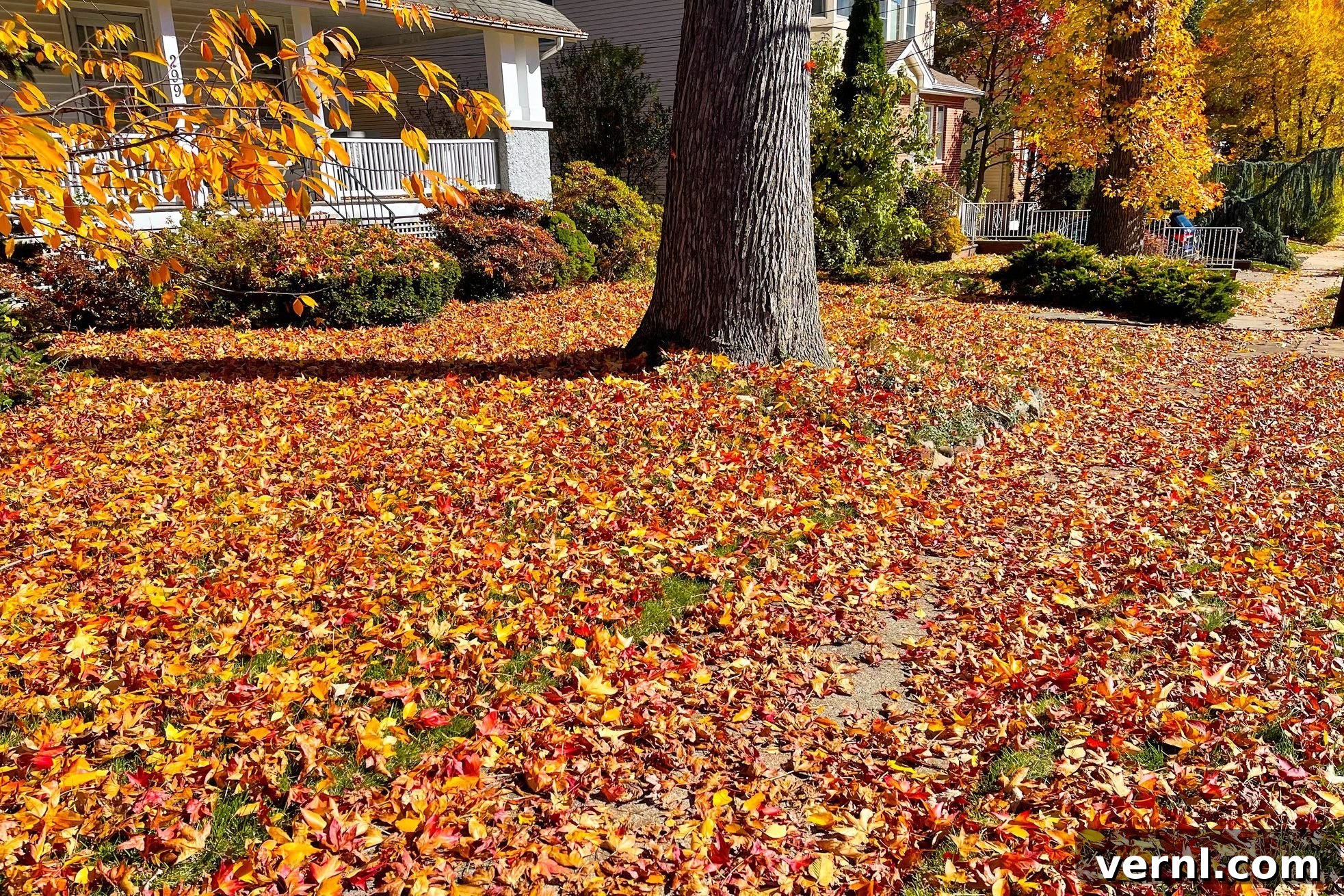
The autumn season, with its vibrant tapestry of red, orange, and gold leaves, brings an undeniable beauty to our landscapes. Yet, for countless homeowners across the country, especially those with an abundance of deciduous trees – those magnificent arboreal beauties that gracefully shed their foliage each fall – this picturesque transformation ushers in a significant and often strenuous task: comprehensive leaf removal. Whether you’re a newcomer navigating the world of yard care for the first time or a seasoned veteran who has managed your own fall cleanup for years, a common question often arises: what are the true costs associated with hiring professional landscapers to handle this annual chore?
Many diligent homeowners, myself included, opt for a hands-on approach to leaf cleanup, transforming fallen leaves into valuable resources through composting or utilizing them as nutrient-rich mulch for gardens and lawns. These sustainable practices not only minimize waste but also significantly enhance soil health and plant vitality. However, not every homeowner has the luxury of time, the necessary equipment, or the physical capacity to tackle the immense volume of leaves that can accumulate. For those who lack the perfect setup to repurpose fallen leaves, or simply wish to reclaim their precious weekend hours, enlisting the expertise of a professional leaf removal service stands out as an incredibly practical and efficient solution. It ensures your yard remains immaculate and healthy without demanding your personal effort or extensive time commitment.
So, what financial investment can you expect when considering professional leaf removal? Nationally, the average cost for this specialized service is approximately $350. However, it’s crucial to understand that this is merely an average. The actual expenditure can fluctuate significantly, ranging from as little as $150 for smaller, more manageable properties to upwards of $1,000 or even more for extensive estates blanketed by a dense canopy of trees. This considerable variation in pricing is directly influenced by several key factors, including the overall size of your yard, the density and number of deciduous trees gracing your property, and the specific leaf removal methods employed. Let’s delve deeper into these determining factors to help you gain a clearer understanding of how professionals assess costs and enable you to budget effectively for a pristine, leaf-free fall landscape.
How Professional Services Determine the Cost of Leaf Removal
For homeowners looking to engage professional services for fall cleanup, understanding the pricing structure of leaf removal is paramount. It allows for more informed decision-making, better budget planning, and more productive conversations with potential service providers. Professional landscapers don’t simply offer a one-size-fits-all price; instead, they meticulously evaluate various aspects of your property to provide a customized and accurate quote. This tailored approach ensures you pay for precisely the service you need, based on the unique characteristics and challenges of your yard.
Smart homeowners might even discover opportunities for cost savings by being proactive. Many landscaping companies offer attractive special deals or early-bird discounts for clients who book their services well in advance of the peak fall season. While leaf removal might be far from your thoughts during the vibrant growth of spring or the warmth of summer, these off-peak months are often when you can secure the most competitive offers. Typically, a reputable professional will insist on visiting your property for an on-site assessment. This crucial step enables them to accurately gauge the scope of work, identify any potential complexities or access issues, and ultimately provide you with a precise, transparent, and fair quote that reflects the true effort required.
Key Factors Influencing Leaf Removal Costs
- Lawn Size: The expanse of your property is arguably the most significant factor dictating the cost of leaf removal. Smaller urban or suburban yards, typically under a quarter-acre, might see prices beginning at the lower end of the spectrum, around $150. As your property size increases, so does the labor, equipment, and time investment required. Mid-sized yards, often ranging from a quarter to half an acre, could incur costs closer to the national average, potentially reaching $550-$600. For extensive properties spanning an acre or more, expect a substantial increase, with costs frequently ranging between $700 and $1,000 per acre, or even higher, especially if the property is heavily wooded or exceptionally complex. Larger areas necessitate more powerful, commercial-grade equipment and significantly extended working hours.
-
Leaf Removal Method: Professionals utilize a variety of techniques to efficiently clear your yard, and each method carries a different cost implication due to the equipment and labor involved.
- Blowing: Often the most efficient and, consequently, the most cost-effective method for consolidating leaves. Professionals use powerful backpack or walk-behind blowers to gather leaves from lawns, garden beds, patios, and driveways into large, manageable piles for subsequent collection. This method is fast and ideal for large, open spaces.
- Raking: While less common for entire large yards due to its labor-intensive nature, raking is still employed for smaller areas, delicate garden beds, or properties where heavy machinery might cause damage. It’s slower but offers meticulous cleanup in sensitive zones.
- Vacuuming/Shredding: This advanced method involves using specialized leaf vacuums that not only collect leaves but simultaneously shred them. Shredded leaves occupy significantly less volume, which makes disposal more environmentally friendly and often reduces disposal costs. This method is generally more expensive due to the specialized, higher-power equipment and the added benefit of volume reduction.
- Hauling and Disposal: A considerable portion of the overall cost is often attributed to the actual transportation and disposal of the collected leaves. Some services include this as part of their standard package, while others might itemize it as an additional charge, particularly if local municipal disposal services are limited, charge fees, or if the volume is exceptionally high. Environmentally conscious companies often prioritize delivering leaves to composting facilities rather than landfills.
- Tree Density and Type: The correlation is straightforward: the greater the number of deciduous trees on your property, and the larger their size, the higher the volume of fallen leaves, which directly translates to a higher cleanup cost. A yard dotted with several mature oak trees, notorious for their abundant leaf fall and dense canopy, will undoubtedly demand more labor and time than a property with fewer, smaller trees. Furthermore, the species of tree can impact the job; maples, for instance, produce large, flat leaves that are relatively easy to manage, whereas trees like sweetgum or sycamore shed leaves accompanied by prickly seed pods, adding complexity to the raking and vacuuming process.
- Property Layout and Accessibility: The complexity and accessibility of your property directly influence the time a professional team will spend on the job, thereby affecting the final bill. A large, sprawling property with widely dispersed trees, numerous intricate garden beds, retaining walls, uneven terrain, steep slopes, or restricted access points (e.g., narrow gates, fenced-off areas) will inherently take longer to clear. Conversely, a more compact yard with trees grouped together or an open, flat lawn offers greater efficiency. Obstacles such as sheds, patios, decks, swimming pools, and outdoor furniture also require careful navigation and can add to the labor time.
- Seasonality and Demand: Like many seasonal services, the pricing for leaf removal is subject to the dynamics of supply and demand. During the peak fall months, especially in regions with heavy leaf fall, demand surges, and prices typically rise. Homeowners who delay booking or require urgent, last-minute service might find themselves paying a premium. Conversely, booking early in the season or opting for a recurring service package throughout the autumn can sometimes secure more favorable rates. Unpredictable weather conditions, such as early snowfalls that flatten leaves or exceptionally windy periods that scatter them widely, can also influence pricing due to increased difficulty, extended cleanup times, or heightened urgency.
Common Pricing Models for Leaf Removal Services
Professional leaf removal companies generally employ one of several common pricing models to calculate their service fees. Understanding these distinct models can help homeowners interpret quotes more effectively and choose a service that aligns best with their property’s characteristics and their budget.
- Per Square Foot: This model is frequently adopted for small to medium-sized residential properties where the lawn and paved areas requiring cleanup can be accurately measured. Costs typically range between $0.02 and $0.10 per square foot. This method offers a clear, objective cost directly tied to the area to be serviced, providing transparency for both the client and the service provider. It’s particularly useful for properties with a uniform layout.
- Per Acre: Designed for larger properties, expansive estates, or commercial grounds, pricing per acre is a standard approach. For such significant land areas, the cost can generally range from $400 to $1,000 per acre, potentially higher for properties with extraordinarily dense tree coverage, challenging topography, or specific access limitations. This model efficiently accounts for the substantial resources, equipment, and crew size needed for large-scale operations.
- Per Bag: Some services, often catering to smaller cleanup jobs, specific areas (like a small backyard), or supplementary clear-outs, base their estimates on the number of bags of leaves collected. Prices for this model can vary quite broadly, typically between $10 and $75 per standard leaf bag, depending on the bag size, local disposal fees, and whether the service includes prior shredding of leaves. This can be a cost-effective option if you have only a few concentrated piles rather than a whole yard.
- Per Hour: Hourly rates are a flexible pricing option, often used when the exact scope of work is somewhat unpredictable or when the job involves unique challenges or specific manual techniques. For basic leaf blowing and piling, hourly rates might start around $15 per hour per worker. More labor-intensive tasks like detailed raking or intricate garden bed clearing could begin at $25 per hour. Specialized services such as professional vacuuming, which often require advanced machinery and include shredding, typically start from $45 per hour. While hourly pricing offers flexibility, homeowners should consider it carefully, as costs can escalate if the job takes longer than initially estimated.
Typical Professional Leaf Removal Cost Ranges
While various factors influence the final price, here’s a general overview of what homeowners can expect based on property size and complexity:
- Low-End: Approximately $150. This estimate usually covers smaller yards (under 0.25 acres) with a modest number of trees, often involving basic blowing and piling techniques. In many cases, the homeowner or municipality might handle the final curbside pickup or disposal.
- Mid-Range: The national average stands at roughly $350. This figure typically applies to average-sized suburban properties (ranging from 0.25 to 0.5 acres) featuring a moderate density of deciduous trees, with the service usually including comprehensive collection, hauling, and professional disposal.
- High-End: Up to $1,000 or more. This upper range is generally associated with large properties (exceeding 1 acre), properties characterized by exceptionally dense tree coverage, complex landscaping with numerous obstacles, or services that demand specialized, high-capacity equipment, extensive manual cleanup, and complete, often off-site, disposal.
DIY Leaf Removal Cost: Is It a Viable and Rewarding Option for You?
For a significant number of homeowners, particularly those managing smaller to medium-sized yards, tackling leaf removal as a do-it-yourself project presents an incredibly sensible and often rewarding choice. Beyond the financial savings, it can be a surprisingly satisfying activity and a great way to stay active. The appeal of DIY leaf removal is further enhanced if your local municipality offers convenient and free curbside leaf pickup programs, which eliminate the often cumbersome and costly aspect of disposal.
The initial investment for a basic DIY leaf removal setup is quite modest, primarily revolving around essential tools:
- A sturdy and efficient leaf rake is fundamental, with various designs available to suit different leaf types and personal ergonomic preferences.
- An ample supply of reliable lawn bags (biodegradable or reusable options are often preferred by eco-conscious homeowners and municipalities) is crucial for collection and containment.
- Comfortable and protective gloves are indispensable for preventing blisters, protecting your hands from debris, and ensuring a comfortable grip.
To significantly boost efficiency and ease the physical strain, consider upgrading your toolkit with power equipment:
- A versatile leaf blower can drastically reduce the time spent raking by quickly consolidating leaves into large, manageable piles. Options range from affordable electric handheld models suitable for smaller properties to powerful gas or battery-powered backpack blowers designed for larger yards.
- Alternatively, a leaf vacuum or shredder offers a dual benefit: it collects leaves while simultaneously reducing their volume, making them much easier to bag for disposal or ideal for use in composting and mulching projects.
Once you’ve acquired your necessary equipment, the only other “costs” are your valuable time and physical energy. Many view this as a beneficial trade-off, achieving a clean yard while simultaneously getting a satisfying outdoor workout – effectively allowing you to skip that gym session on leaf raking day! However, it’s prudent to remember that some communities or private waste management facilities may levy fees for dumping leaves at compost sites or waste processing centers, particularly if curbside pickup isn’t available or if you exceed specified volume limits.
For those committed to sustainable yard care, fallen leaves represent an incredibly valuable, free source of organic material. I personally maximize the utility of my leaves for both mulch and compost. A highly effective and popular strategy involves using a mulching mower to finely chop fallen leaves. These shredded pieces can then be left directly on the lawn to naturally decompose, returning vital nutrients and organic matter back into the soil. This “mow-to-mulch” method significantly improves soil structure and fertility. Alternatively, this beneficial leaf/grass-clipping mix can be effortlessly gathered and added directly to a compost heap, where it acts as a ‘brown’ material, accelerating the composting process and enriching your homemade compost with essential carbon.
For crafting superior, well-rotted leaf mulch, also known as ‘leaf mold,’ a simple and effective method involves vacuuming up dry leaves, packing them tightly into breathable bags (such as old burlap sacks or even black trash bags with holes poked for aeration), and storing them in an out-of-the-way, shaded location for approximately a year. Over this period, fungi and beneficial microorganisms will break them down into a dark, crumbly, nutrient-rich material that is exceptional for improving soil structure, enhancing moisture retention, and providing a slow-release nutrient boost for all your plants. This eco-friendly approach not only saves money on commercially purchased mulch but also transforms an autumn chore into a highly valuable gardening resource.
Is Professional Leaf Removal Worth the Investment for Your Home?
The ultimate decision to either engage professional leaf removal services or tackle the task yourself is a nuanced one, often hinging on a careful evaluation of financial cost, personal convenience, and the specific demands and characteristics of your property. For a particular segment of homeowners, the comprehensive benefits and sheer value proposition offered by professional services far outweigh the associated expenditure, making it an unquestionably worthwhile investment that pays dividends in time, effort, and peace of mind.
Consider your circumstances: if you are the proud owner of an expansive property sprawling with a multitude of mature, leaf-shedding trees; if your local municipality imposes substantial fees for leaf dumping or lacks convenient, efficient disposal options; or if you simply find yourself short on time, lack the physical capability, or do not possess the specialized, commercial-grade equipment necessary to perform the job effectively and safely, then without a shadow of a doubt, professional leaf removal emerges as an exemplary solution. It provides a truly hassle-free, zero-effort pathway to maintaining your yard’s impeccable condition, thereby allowing you to fully savor the beauty of the fall season without the burden of back-breaking labor. Professionals arrive equipped with powerful machinery, possess expertise in the most efficient clearing techniques, and crucially, handle all aspects of leaf collection, hauling, and proper disposal, granting you invaluable peace of mind and reclaiming those precious weekend hours for leisure or other pursuits.
However, for the ecologically-minded and budget-conscious homeowner who routinely invests in commercially produced mulch, compost, or slow-release fertilizers, a profound reconsideration of the destiny of your fallen leaves could unlock substantial savings and deliver immense, long-term benefits for your entire garden and landscape. Instead of viewing leaves merely as burdensome waste to be discarded, embrace them as a free, abundant, and incredibly valuable organic resource capable of providing unparalleled nutrients to your plants and dramatically improving the health and structure of your soil over time. There are even highly effective, low-effort methods where you won’t even need to rake the leaves at all, thereby maximizing their inherent natural advantages.
One of the simplest, most environmentally friendly, and profoundly beneficial methods for managing leaves sustainably is to repurpose them as a late-season mulch directly for your lawn. In late fall, once the majority of leaves have fallen, simply mow over them with your lawnmower. The crucial step here is to either remove the collection bucket from the rear of your mower or, if your mower features the capability, engage its mulching setting. This action ensures that the finely chopped leaf clippings are expelled directly back onto your lawn. Leave these tiny pieces of organic matter where they land. These shredded fragments will rapidly begin to decompose, systematically releasing essential base nutrients back into the soil. This process effectively delivers a natural, slow-release fertilizer that will continue to nourish and feed your lawn organically throughout the dormant winter months and into the vibrant growth of spring. This sustainable practice not only saves you the strenuous effort of raking and bagging but also actively fosters a healthier, more resilient, and greener lawn without the need for synthetic chemical inputs.
While the “mow-to-mulch” technique offers profound advantages, it is vitally important to exercise prudence and be mindful of the quantity. I generally advise against leaving excessively large quantities of whole, unshredded leaves on your lawn for extended durations. There are several compelling and practical reasons for this cautionary advice:
- Slow Decomposition: Unshredded, whole leaves decompose at a significantly slower rate compared to their finely chopped counterparts. Thick, matted layers of whole leaves can persist for months, creating an undesirable blanket over your turf.
- Pest Harboring: A dense, undisturbed blanket of fallen leaves provides an ideal overwintering habitat for a variety of common garden pests, including slugs, snails, earwigs, and the larvae of certain insects. These pests can emerge in spring to inflict damage upon your emerging plants and lawn.
- Mold and Disease Risk: Trapped moisture beneath layers of unmanaged whole leaves creates a conducive environment for the proliferation of various fungi and molds. This includes unsightly conditions like snow mold, which can lead to unhealthy, discolored patches on your lawn. It can also harbor and spread other detrimental plant diseases that weaken turf and garden plants.
- Suffocation of Grass: A thick, impenetrable layer of leaves acts as a barrier, effectively blocking crucial sunlight and hindering proper air circulation from reaching your underlying grass. This deprivation can severely weaken and even kill off sections of your turf, resulting in unsightly bare spots and a less vigorous lawn come spring.
- Slippery Surfaces and Safety Hazards: When wet, accumulations of whole leaves on pathways, driveways, decks, and patios can become incredibly slick and treacherous. This poses a significant slip-and-fall hazard for residents and visitors alike, increasing the risk of accidents around your home.
In conclusion, the strategic choice between entrusting your fall leaf removal to professionals and embracing a hands-on DIY approach is a deeply personal one. It is profoundly influenced by an interplay of factors including your allocated budget, the specific size and complexity of your property, the amount of available time and energy you possess, and your personal commitment to sustainable and environmentally responsible yard care practices. Both professional services and DIY methods offer valid, effective pathways to achieving a clean, healthy, and visually appealing yard. By thoroughly understanding the various costs involved, exploring the diverse removal methods available, and thoughtfully considering the ecological and financial benefits of utilizing your fallen leaves, you are empowered to make a well-informed decision that optimally aligns with your lifestyle, your financial comfort, and your overarching yard care philosophy for a truly rewarding autumn season.