
Restore Your Carpets: The Ultimate Guide to Removing Stubborn Furniture Dents
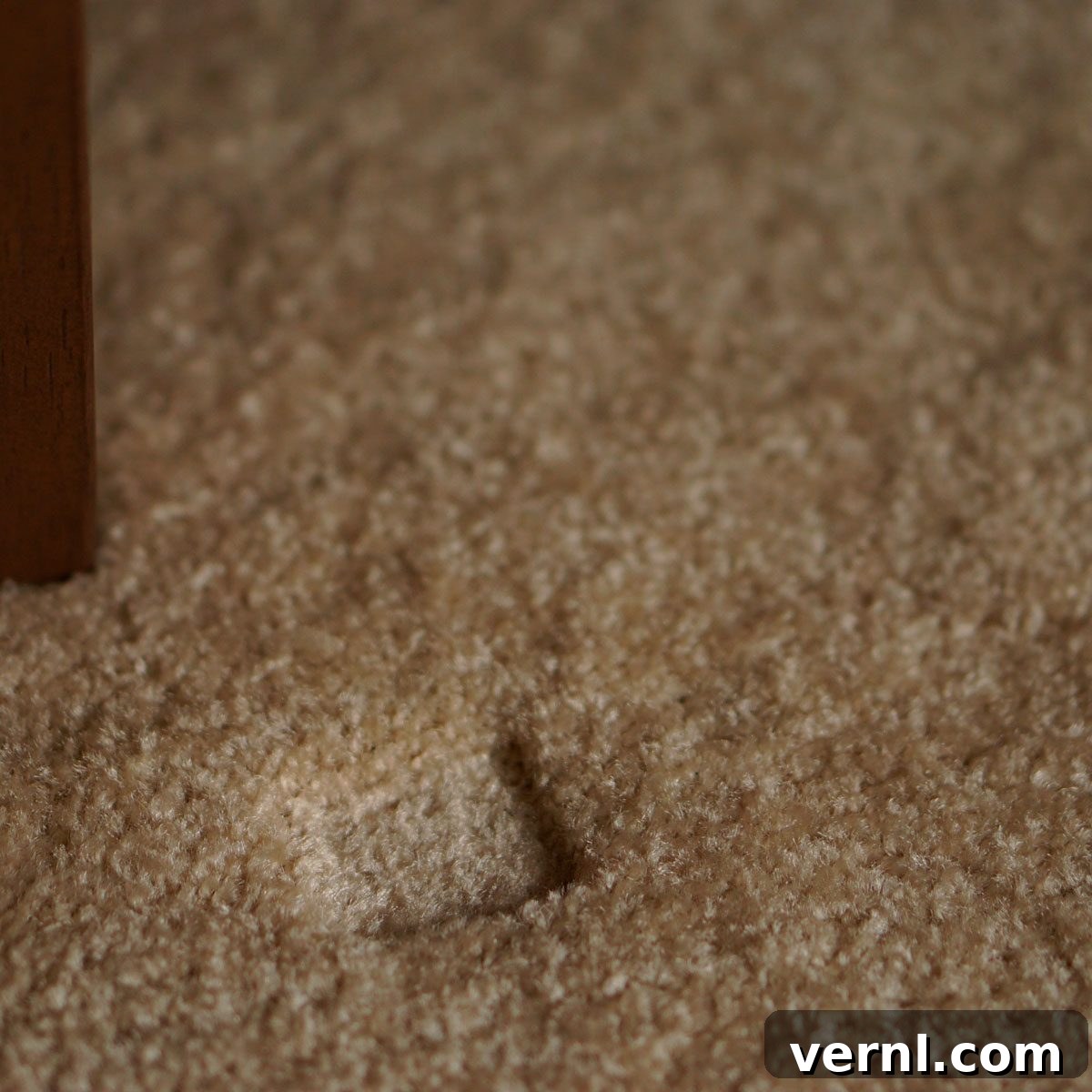
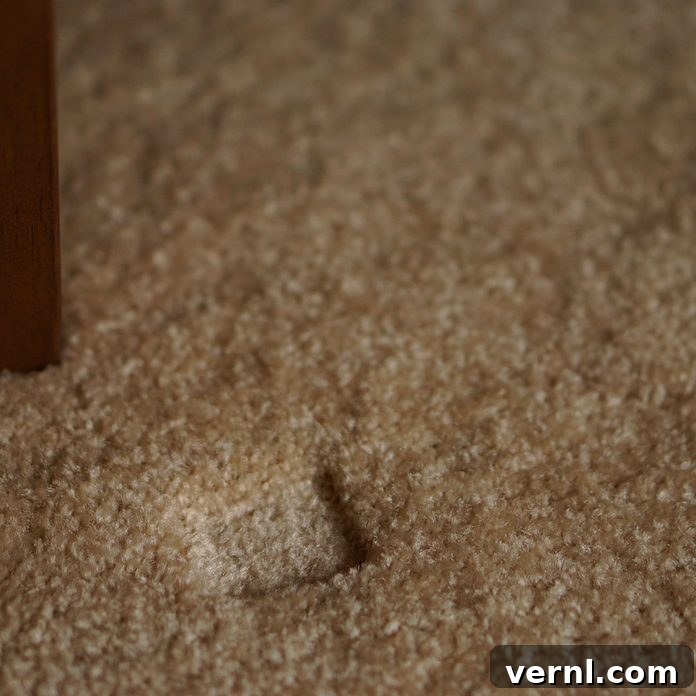
We’ve all been there. You decide to refresh your living space by rearranging furniture, only to be left with a glaring reminder of the old layout: deep, unsightly dents pressed into your beautiful carpet. These indentations, caused by the prolonged weight of heavy furniture, can make a room look disheveled and detract from your home’s aesthetic appeal. While they might seem like a permanent fixture, we’re here to tell you that erasing these carpet blemishes is not only possible but incredibly simple and cost-free, thanks to a clever trick involving just an ice cube and a spoon.
Before diving into the quick fix, remember that maintaining your carpet’s health can significantly extend its life and appearance. Double the life of your carpet with these essential cleaning tips.
The Magic of Moisture: The Ice Cube Method Explained
It might sound counterintuitive, but the secret to lifting those stubborn carpet dents lies in a common household item: an ice cube. This ingenious method leverages the power of moisture and the natural ability of carpet fibers to regain their original shape when rehydrated. Forget expensive tools or harsh chemicals; this DIY solution is incredibly effective and gentle on your carpet.
Beyond dents, many common carpet and rug issues can be resolved with minimal effort. These three quick fixes will help you repair common carpet and rug problems.
How to Remove Furniture Dents in Carpet with Ice: A Step-by-Step Guide
This method works by slowly introducing moisture back into the compressed carpet fibers, allowing them to swell and ‘remember’ their original, upright position. Follow these steps for flawless results:
Step 1: Prepare the Area
Before you begin, ensure the area around the dent is clean. A quick vacuum can remove any loose dirt or debris, allowing the ice cube to work directly on the compressed fibers.
Step 2: Place the Ice Cube(s) in the Dent
Carefully place one or more ice cubes directly into the carpet dent. The number of ice cubes needed will depend on the size and depth of the indentation. For small, shallow dents, a single cube might suffice. For larger or longer impressions, such as those left by a sofa, you may need to strategically place several ice cubes to cover the entire affected area. The key is to completely fill the dent with ice, ensuring that the melting water can penetrate all the compressed fibers.
Step 3: Allow the Ice to Slowly Melt
Patience is crucial for this step. Let the ice cubes melt slowly and naturally. This process usually takes several hours, often around 10-12 hours, depending on room temperature and the size of the ice cubes. The slow melting allows the water to gradually seep into the carpet fibers, giving them ample time to absorb the moisture and gently expand. This gradual rehydration is what helps the fibers regain their original shape without over-saturating the carpet.
Step 4: Blot Away Excess Moisture
Once the ice cubes have completely melted, you’ll notice a damp spot where the dent used to be. Using a clean, absorbent towel or a sponge, gently blot up any excess water. The goal is to remove standing water, but the carpet doesn’t have to be bone dry. In fact, a slightly damp state is perfectly fine, as the residual moisture will continue to aid in the fiber restoration process as it evaporates.
Step 5: Fluff and Restore the Fibers
Now comes the final, satisfying step. Take the edge of a spoon (or even a coin, a stiff brush, or your fingers) and gently push and fluff the carpet fibers back into an upright position. Work systematically across the previously dented area, teasing the fibers upwards. You’ll notice them responding almost immediately, lifting and blending with the surrounding carpet. For particularly stubborn areas, a soft brush or a light vacuuming with an upright attachment can help further integrate the restored fibers.
Why Does the Ice Cube Method Work So Well?
The effectiveness of this method lies in the unique properties of carpet fibers. When heavy furniture compresses the carpet, it flattens and bends these fibers, essentially ‘setting’ them in a new, unnatural position. By introducing moisture through slowly melting ice, the water penetrates the fibers, causing them to swell. As they swell, they naturally want to revert to their original, uncompressed state. The subsequent fluffing helps guide them back into place, and as the carpet dries, the fibers will hold their restored shape.
Important Considerations and Tips
- Test in an Inconspicuous Area: While the ice cube method is safe for most carpet types (including synthetic and wool), if you have concerns about getting your carpet wet or its color fastness, it’s always wise to try the method first on a small dent in an inconspicuous spot, like under a piece of furniture that isn’t moving.
- Stubborn Dents: For very deep or long-standing dents, a single application might not completely resolve the issue. You can repeat the process, or consider combining it with another method, such as gentle heat.
- Drying Time: Ensure the carpet is completely dry before placing any furniture back on the spot to prevent mold or mildew growth. Good ventilation in the room can speed up the drying process.
- Carpet Type: This method is generally more effective on cut-pile carpets where individual fibers can be fluffed. Loop-pile carpets, while less prone to deep dents, may also benefit, though the results might be less dramatic.
Beyond Ice: Other Methods for Carpet Dent Removal
While the ice cube method is our top recommendation for its simplicity and effectiveness, there are a couple of other techniques that can be used, often in conjunction with ice, or for different scenarios:
- Steam Iron or Steamer: For a quicker approach, you can use a steam iron. Place a clean, damp cloth over the dent, then lightly hover a warm iron over the cloth, allowing the steam to penetrate the fibers. Be careful not to let the iron directly touch the carpet or apply too much heat, as this can damage synthetic fibers. Immediately after steaming, fluff the fibers with a spoon or your fingers.
- Hair Dryer with a Damp Towel: Similar to the steam iron method but gentler, a hair dryer can be used. Dampen a towel, place it over the dent, and then use a hair dryer on a medium setting, moving it over the towel. The warm, moist air helps the fibers lift. Follow up with fluffing.
- Vacuum Cleaner with Upholstery Attachment: For very minor or newly formed dents, sometimes a good vacuuming with the upholstery attachment, focusing on lifting the fibers, can be enough.
Preventing Carpet Dents: A Proactive Approach
The best way to deal with carpet dents is to prevent them from happening in the first place. Here are several strategies to protect your beautiful carpets:
- Use Furniture Glides or Cups: These are specially designed pads or cups that sit under furniture legs, distributing the weight over a larger surface area and preventing the legs from digging into the carpet. Options include rubber, felt, or plastic glides, chosen based on your furniture and floor type.
- Rearrange Furniture Regularly: If possible, shift your heavy furniture pieces even just a few inches every few months. This prevents continuous pressure on the same spot, allowing fibers to recover naturally.
- Place Heavy Items on Hard Surfaces: Whenever practical, situate extremely heavy items like pianos or large bookcases on hard flooring rather than carpet.
- Employ Rug Pads: For area rugs placed on top of wall-to-wall carpeting, a good quality rug pad can add a layer of cushioning that helps disperse weight and minimizes indentation.
- Consider Furniture Wheel Lock Cups: For furniture with wheels, specific cups can prevent them from rolling and also distribute weight more evenly.
General Carpet Care for a Long-Lasting Investment
Beyond preventing dents, consistent general care is paramount to extending the life and beauty of your carpet. Your carpet is a significant investment in your home’s comfort and style, and with proper attention, it can look its best for years.
- Regular Vacuuming: This is the simplest and most effective way to remove dirt, dust, and allergens before they get embedded in the fibers. Aim to vacuum high-traffic areas several times a week, and less-used areas at least once a week.
- Address Spills Immediately: Blot (don’t rub!) spills as soon as they occur. Quick action can prevent stains from setting permanently.
- Professional Cleaning: Schedule professional deep cleaning every 12-18 months. Professionals have the equipment and expertise to extract deep-seated dirt and refresh your carpet’s appearance.
- Use Walk-Off Mats: Place mats at all entryways to trap dirt and moisture from shoes, preventing them from being tracked onto your carpet.
- Protect from Sunlight: Prolonged exposure to direct sunlight can fade carpet colors. Use blinds, curtains, or UV-filtering window films to protect your carpets.
Understanding your options before you make a significant purchase is always wise. Understand your options before you invest in carpet for your home.
Conclusion
Carpet dents can be frustrating, but they are far from permanent. With the simple, effective ice cube method, you can effortlessly restore your carpet’s smooth, unblemished surface, bringing back the pristine look of your floors. This DIY trick, combined with good preventive measures and regular carpet care, ensures your home remains a welcoming and beautiful space. So, the next time you move your furniture, rest assured that those temporary indentations have a quick and easy fix waiting for them.