
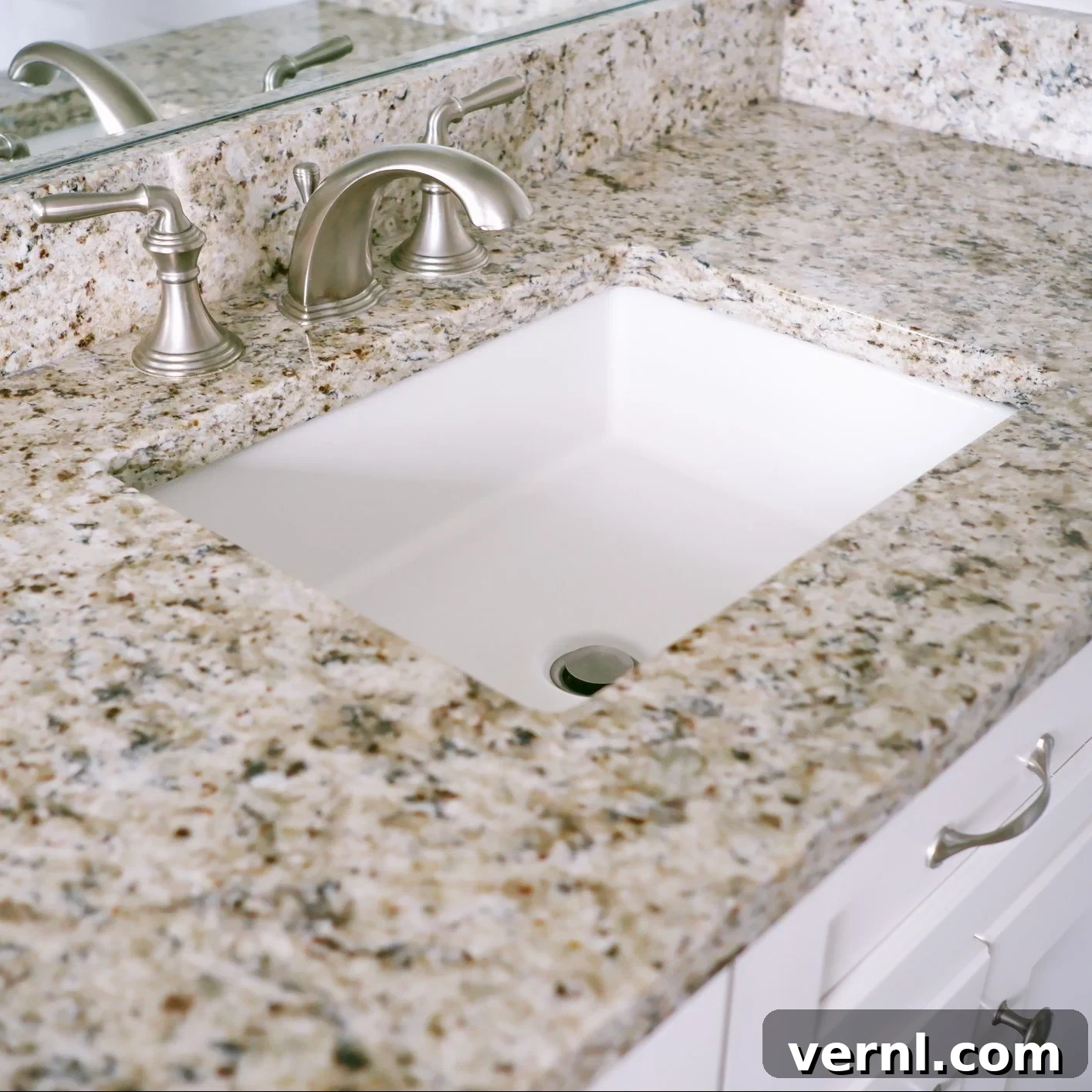
The undermount bathroom sink emerged in North America as a cornerstone of the mid-20th century Euro fashion trend, a movement characterized by its emphasis on minimalist design elements. This aesthetic favored clean lines, monochromatic wall panels, and the pristine surfaces of stone or solid-surface countertops. Undermount sinks seamlessly align with this sophisticated motif, offering an uncluttered look that elevates the overall elegance of any modern bathroom.
Unlike their more traditional top-mount or drop-in counterparts, undermount sinks are discreetly fastened beneath the countertop opening. This clever design choice creates a vast, uninterrupted expanse of countertop space, free from the visual break and dirt-catching rim often associated with other sink types. The result is a sleek, continuous surface that is not only visually appealing but also exceptionally easy to clean and maintain, embodying the very essence of contemporary bathroom luxury.
However, the exposed countertop edge around an undermount sink opening means that not all countertop materials are suitable. As Massachusetts contractor Paul Conway advises, undermount sinks are particularly incompatible with laminate countertops. The reason is two-fold: the exposed plywood or particleboard core of laminate not only detracts from the aesthetic but also readily absorbs water, creating a prime breeding ground for mold and mildew over time. This can lead to unsightly damage and hygiene issues, making laminate a less than ideal choice for the longevity and cleanliness desired with an undermount installation.
Conversely, materials that can be expertly honed and polished to a smooth, solid finish are perfect partners for undermount sinks. This includes natural stone such as granite, marble, and quartz, engineered solid surfaces, and even organic options like butcher block or solid wood. These materials offer durable, non-porous edges that can be sealed effectively, ensuring a watertight and visually consistent transition from the countertop to the sink. The seamless integration achieved with these materials enhances both the functionality and the high-end appeal of the bathroom space, making undermount sinks a preferred choice for discerning homeowners.
Understanding the Undermount Bathroom Sink
To truly grasp what an undermount bathroom sink entails, it’s helpful to contrast it directly with a top-mount or drop-in sink. A top-mount sink, as its name suggests, is supported by a visible rim that rests on the countertop, creating a distinct boundary between the sink and the surrounding surface. An undermount sink, however, takes a more integrated approach, being securely fastened to the underside of the countertop. This creates a smooth, continuous flow from the counter directly into the sink basin, eliminating any raised edges.
The method of fastening an undermount sink depends largely on its weight and material. Lightweight sinks, often made from stainless steel or certain composite materials, can typically be secured directly to the underside of the countertop using a strong adhesive sealant, such as silicone. This creates a durable, waterproof bond. For heavier sinks, including those made from vitreous china, cast iron, or natural stone, a more robust installation method is required. These heavy-duty sinks often necessitate the use of specialized mounting clips, which are secured to studs or posts that are themselves anchored to the countertop with powerful epoxy cement. This ensures the sink can safely bear its own weight, along with the weight of water, without risk of detachment.
While considering a sink upgrade, it’s also a great opportunity to refresh other bathroom elements. For example, learning how to replace a towel bar on tiles can be a simple DIY project that complements your new, streamlined aesthetic. A cohesive approach to bathroom renovation ensures every detail contributes to the desired modern and functional space.
Undermount Sink Reveals: Precision and Aesthetics
One of the most critical aspects of installing an undermount bathroom sink is the cutting of the countertop opening, often referred to as the “reveal.” Unlike top-mount sinks where the rim covers any minor imperfections, the edges around an undermount sink are fully exposed. This means any flaw in the cutting or alignment will be immediately noticeable. For this reason, many experts recommend purchasing a countertop with a pre-cut hole from the manufacturer or having it professionally cut, especially when dealing with hard and costly materials like stone, quartz, or solid surfaces. Attempting to cut these materials yourself can easily lead to costly mistakes and a less than perfect finish.
When it comes to the reveal, precise matching of the sink to the countertop hole is paramount. There are three primary types of reveals, each offering a distinct aesthetic and practical consideration:
- Positive Reveal: In this configuration, the hole cut in the countertop is slightly larger than the sink opening, allowing a small portion of the sink’s rim to be visible. This reveal offers the most forgiveness for minor imperfections in the countertop’s edge and provides a small ledge where accessories can be placed. It’s also generally considered the easiest to keep clean, as any debris can be easily wiped into the sink. The positive reveal tends to offer a slightly more traditional or transitional look, showcasing the sink’s edge as a deliberate design element.
- Negative Reveal: With a negative reveal, the hole in the countertop is intentionally smaller than the sink opening, causing the countertop edge to overhang the sink rim by approximately a half-inch or more. This creates the most streamlined and contemporary look, offering a seamless visual flow that appears to ‘swallow’ the sink. While undeniably elegant, a negative reveal requires meticulous installation. The overhanging edge can be prone to chipping if struck, and the hidden space underneath the overhang can become a challenging area for cleaning, potentially allowing mold and grime to accumulate if not properly maintained.
- Zero Reveal: Also known as a flush or seamless reveal, this option aims for the hole in the countertop and the sink opening to be precisely the same size. The goal is a perfectly flush transition where the countertop edge meets the sink edge without any overlap or setback. This offers a truly modern and clean aesthetic, making it the easiest of all reveals to keep clean as there are no ledges or overhangs for dirt to collect. However, achieving a perfect zero reveal demands the utmost precision in both measurement and cutting, making professional fabrication almost a necessity to ensure a flawless finish.
Key Features of Modern Undermount Bathroom Sinks
Since their initial introduction, undermount sinks have significantly evolved in popularity and design. Modern versions offer a diverse range of features, allowing homeowners to choose a sink that perfectly complements their bathroom’s style and functional needs.
- Material: The choice of material greatly influences both the aesthetic and durability of an undermount sink.
- Vitreous China, Ceramic, and Porcelain: These traditional materials provide a classic glossy finish, known for their durability, stain resistance, and ease of cleaning. They are timeless choices that suit a wide range of bathroom styles.
- Composite: Made from a blend of resin and natural minerals, composite sinks offer exceptional durability, resistance to chips and scratches, and a wide array of color options, appealing to those seeking more avant-garde or customized designs.
- Metal (Stainless Steel and Copper): Stainless steel offers a modern, industrial look, renowned for its resilience and hygiene. Copper sinks, on the other hand, provide a unique, warm aesthetic that develops a beautiful patina over time, making them a luxurious and distinctive choice.
- Solid-Surface: Often matching the countertop material, solid-surface sinks allow for truly seamless integration, creating a monolithic look that is both elegant and highly functional. They are non-porous and repairable, offering long-term appeal.
- Stone: For the ultimate in luxury and natural beauty, undermount sinks crafted from natural stone like granite, marble, or onyx offer unique patterns and textures, transforming the sink into a stunning focal point. These require specific care, including regular sealing, but provide unparalleled elegance.
- Weight: The weight of an undermount sink is a crucial factor, especially when paired with certain countertop and cabinet structures. Stainless steel or copper sinks tend to be among the lightest, making them easier to install with adhesive alone. Vitreous china, porcelain, ceramic, and composite sinks are moderately heavy and may require clips in addition to adhesive. Heavy materials such as cast iron, enameled steel, or natural stone demand significant structural consideration. It is imperative to ensure that both the countertop material and the underlying vanity or cabinet can adequately support the combined weight of the sink, water, and any additional stress.
- Color: Undermount sinks are available in an extensive spectrum of colors, ranging from classic gloss white and contemporary matte black to various earthy tones and vibrant hues. The choice of color allows for significant design flexibility. A sink that matches your countertop can create a harmonious, understated look, while a contrasting color can introduce drama and serve as a striking focal point. The burnished brown tones of copper and the clean silvery hues of stainless steel, for instance, pair exceptionally well with the natural patterns of stone and the uniform elegance of solid-surface countertops, offering sophisticated design combinations.
- Shape: Undermount sinks come in a variety of shapes to suit different design preferences and spatial requirements. Common shapes include square, rectangular, round, and oval. The depth of these sinks can also vary significantly, typically ranging from five to nine inches. A deeper sink is practical for preventing splashes and accommodating larger washes, while a shallower one can contribute to a more minimalist aesthetic. The choice of shape and depth can significantly impact both the functionality and the overall visual balance of your bathroom vanity.
How To Install an Undermount Sink: A DIY Guide
While the precision required for cutting the countertop can be challenging, the actual installation of an undermount bathroom sink is generally considered a DIY-friendly job, provided you follow the manufacturer’s specific instructions for your model meticulously. A key distinction of undermount sinks is that they do not typically have pre-drilled faucet holes. This means the faucet must be installed either on the wall above the sink or directly into pre-drilled holes in the countertop itself. It is crucial to install the faucet before the sink, as access for tightening connections becomes extremely limited once the sink is in place.
Depending on the specific sink model, it may come with integrated mounting posts or clips designed to be attached to the underside of the countertop with epoxy, which is often supplied by the manufacturer. Regardless of whether clips are used, the primary challenge of installation involves lifting the sink into its precise position, centering it perfectly within the countertop opening, and holding it firmly while the chosen adhesive sets. Silicone caulk is a widely preferred adhesive option due to its strong bond, waterproof properties, and flexibility.
A simple yet effective method for holding the sink in place during the curing process involves using a common carpentry tool:
- Prepare the Setup: Begin by placing a sturdy 2×4 piece of lumber across the sink opening on top of the countertop. Position it so it is centered directly over the drain opening. This 2×4 will act as an anchor point for your clamp.
- Initial Positioning: Carefully lift the sink and roughly maneuver it into its approximate position beneath the countertop. Insert one end of a bar clamp through the drain opening from above, hooking it onto the 2×4. Then, hook the other end of the bar clamp onto the bottom of the sink basin. This secures the sink for adhesive application.
- Apply Adhesive and Tighten: Apply a continuous bead of high-quality silicone caulk or appropriate adhesive around the entire rim of the sink where it will meet the underside of the countertop. Once the adhesive is applied, gradually tighten the bar clamp. This action will gently draw the sink upwards, pressing its rim firmly against the underside of the countertop, creating a tight and waterproof seal.
- Final Adjustment and Curing: Before fully tightening the clamp, take a moment to make any necessary fine adjustments to the sink’s position, ensuring it is perfectly centered and aligned with your desired reveal. Once satisfied, tighten the clamp completely. It is crucial to leave the clamp in place for at least 24 hours (or as per adhesive manufacturer’s instructions) to allow the adhesive to fully cure and form a strong, lasting bond. Rushing this step can compromise the seal and stability of the sink.
While many homeowners successfully install undermount sinks themselves, professional installation offers peace of mind and guarantees a flawless finish. Massachusetts contractor Paul Conway estimates the average cost for professional installation to be around $500. This estimate typically covers the labor, specialized tools, and expertise required, but generally excludes the cost of materials such as the sink itself, drain attachments, and premium adhesives. Opting for professional help is often a wise investment, particularly for expensive countertops or if you’re uncomfortable with the precision involved in achieving a perfect reveal and waterproof seal.
Choosing the Ideal Undermount Bathroom Sink
The market for undermount bathroom sinks is incredibly diverse, offering options to suit virtually every budget and design preference. Prices can range significantly, from under $50 for basic, utilitarian models to well over $1,000 for high-end designer sinks crafted from natural stone or specialty metals. Within this broad spectrum, there is undoubtedly an undermount sink perfect for every homeowner’s needs and aesthetic vision.
When selecting the best undermount sink for your bathroom, consider the following key factors:
- Budget: Determine how much you’re willing to spend. Entry-level options provide great value, while mid-range sinks offer enhanced features and materials. Luxury sinks made from premium materials like marble or copper represent a significant investment but deliver unparalleled elegance.
- Material Preference: Think about the look and feel you desire. Do you prefer the classic gleam of vitreous china, the modern edge of stainless steel, the warmth of copper, or the unique luxury of natural stone? Each material comes with its own set of aesthetic and maintenance requirements. For example, natural stone will require periodic sealing, while vitreous china is generally low maintenance.
- Design Aesthetic: Ensure the sink’s shape, color, and material complement the overall style of your bathroom. A sleek rectangular sink might suit a minimalist design, while a classic oval could be perfect for a more traditional space. Consider how the sink will integrate with your faucet choice and other fixtures.
- Maintenance Level: Some materials are more resistant to stains, scratches, and mold than others. If low maintenance is a priority, consider materials like vitreous china, solid surface, or certain composites. If you’re willing to put in a little extra effort for a distinctive look, materials like copper or natural stone might be appealing.
- Countertop Compatibility: Reiterate the importance of matching the sink to your chosen countertop material. Stone, solid surface, and sealed wood are ideal, while laminate is best avoided for durability and aesthetic reasons.
- Brand Reputation and Warranty: Opt for reputable brands known for quality and customer service. Check the warranty offered on the sink, as this can provide peace of mind regarding its durability and longevity.
By carefully considering these aspects, you can navigate the vast selection of undermount bathroom sinks and choose one that not only enhances the beauty and functionality of your bathroom but also serves as a lasting and valuable addition to your home.