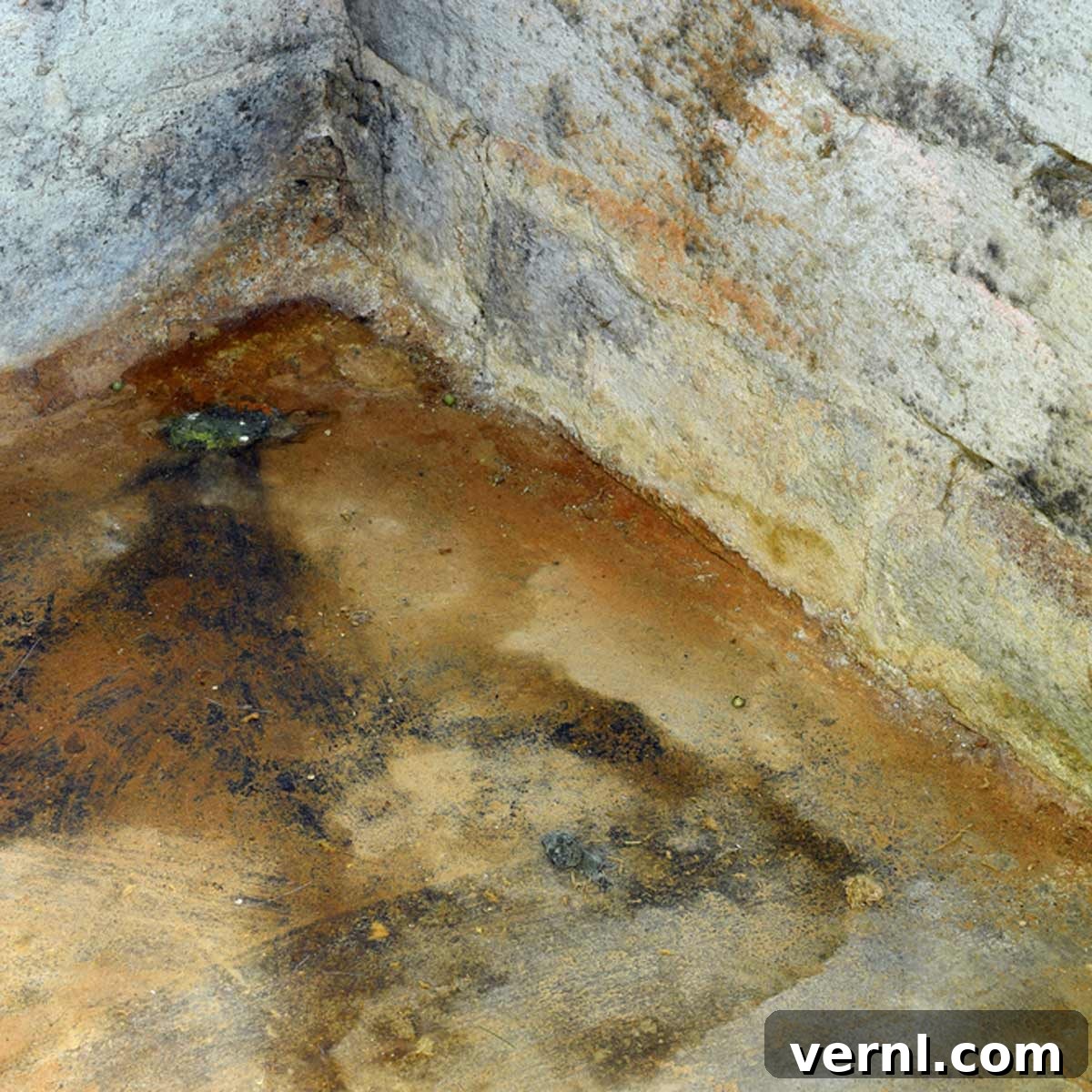
Eliminate Musty Basement Odors: A Comprehensive Guide to a Fresh Home
Few things are as unwelcome in a home as a stubborn, musty odor, especially when it emanates from the basement. That pervasive, damp scent, often likened to a wet dog or old gym socks, can permeate your entire living space, creating an uncomfortable and unhealthy environment. Many homeowners mistakenly believe that a musty basement smell is an inevitable part of owning a house, a problem too deep-seated to resolve. However, this couldn’t be further from the truth. With the right approach and a bit of detective work, you can banish those unpleasant smells for good, transforming your basement into a clean, dry, and inviting area.
The journey to a fresh-smelling basement begins not with air fresheners or surface cleaning, but with understanding the root cause. A musty odor is a tell-tale sign of a deeper issue, almost always related to excessive moisture. Basements, by their very nature, are highly susceptible to moisture problems due to their below-grade construction and often limited ventilation. This guide will walk you through identifying the culprits, implementing effective solutions, and maintaining a fresh environment to ensure those damp odors become a distant memory.
Why Do Basements Smell Musty? The Science Behind the Stench
To effectively combat a musty basement smell, it’s crucial to understand why it occurs in the first place. The primary cause of this distinctive odor is the presence and proliferation of mold and mildew. These fungi thrive in environments that provide three key elements: moisture, darkness, and a food source (which can be almost any organic material found in your basement, from wood to dust). Basements are an ideal breeding ground because they frequently offer all three.
Understanding Moisture Accumulation in Basements
- Condensation: A common offender is condensation. When warmer, humid air from the upper levels of your home, or even from outside, makes its way into the cooler basement, the moisture in that air condenses upon contact with cold surfaces. Think of a cold glass of water on a hot day – the outside of the glass gets wet. In a basement, this happens on concrete walls, floors, metal pipes, and even stored items. Over time, this constant dampness creates the perfect conditions for mold spores to activate and grow.
- Lack of Ventilation: Unlike upper floors with windows and doors that allow for natural airflow, basements often have limited ventilation. Stagnant air allows moisture to build up and remain trapped, preventing surfaces from drying out and creating a perpetually damp atmosphere that mold loves.
- Water Intrusion: This is perhaps the most direct and serious cause of basement moisture. Water can enter your basement in numerous ways, even small amounts can lead to significant problems:
- Foundation Cracks: Over time, foundations can develop hairline cracks, allowing groundwater to seep in.
- Leaky Pipes: Even a slow drip from a plumbing pipe, hot water heater, or laundry appliance can introduce enough moisture to foster mold growth.
- Window and Door Seals: Damaged or improperly sealed basement windows and exterior doors can allow rainwater or melting snow to enter.
- Poor Exterior Drainage: Clogged rain gutters, downspouts that discharge too close to the foundation, or inadequate grading around your home can direct water towards your basement walls, leading to seepage.
- Sewer Backups: Though less common, sewer or septic system issues can introduce not only water but also extremely unsanitary conditions that contribute to severe odors.
- High Water Table: In some areas, a high water table can exert hydrostatic pressure on basement walls and floors, forcing water through any weak points.
Once mold and mildew take hold, they release microscopic spores and Volatile Organic Compounds (VOCs) into the air. These VOCs are what produce that characteristic musty odor. It’s not just an unpleasant smell; it’s a signal that mold is present and potentially impacting your indoor air quality. Can mold in your basement affect the upstairs living areas? Absolutely. Air currents naturally carry spores and odors throughout your entire home, making a basement problem a whole-house issue.
The Health Implications of a Musty Basement
Beyond the immediate discomfort, a persistently musty basement can pose significant health risks to your household. Mold spores, when inhaled, can trigger allergic reactions in sensitive individuals, leading to symptoms such as sneezing, coughing, watery eyes, skin rashes, and a runny nose. For those with asthma or other respiratory conditions, mold exposure can exacerbate these issues, causing difficulty breathing and more severe attacks. Long-term exposure to certain types of mold has also been linked to more serious health problems, including respiratory infections and chronic fatigue.
Furthermore, the presence of mold can degrade the structural integrity of your home over time. It can rot wood, damage drywall, and compromise insulation, leading to costly repairs if left unaddressed. Addressing the musty smell is not just about comfort; it’s about protecting your family’s health and your home’s value.
Step-by-Step Guide to Banishing Basement Odors
Now that we understand the ‘why,’ let’s tackle the ‘how.’ Eliminating musty basement smells requires a systematic approach, addressing both the source of moisture and the resulting mold and odors.
Step 1: The Detective Work – Pinpointing the Source
Before you can fix the problem, you must find exactly where the moisture is coming from. This requires a thorough inspection of your basement and the exterior of your home.
- Visual Inspection: Look for obvious signs of water. Check walls, ceilings, floors, and around windows for water stains, discoloration, peeling paint, or warped materials. Pay close attention to corners, along the base of walls, and areas where pipes enter or exit the foundation.
- Follow Your Nose: The musty smell will likely be strongest closest to its source. Use your sense of smell to narrow down the affected area.
- Check for Leaks: Examine all visible pipes, plumbing fixtures, hot water heaters, and laundry hookups for drips or signs of moisture. A tiny leak can cause big problems over time. Also, check your dryer vent; if clogged or unsealed, it can release moisture-laden air directly into the basement.
- Exterior Scan: Head outside and inspect your home’s perimeter.
- Gutters and Downspouts: Ensure they are clear of debris and that downspouts extend at least 5-10 feet away from the foundation.
- Grading: Check if the ground slopes away from your foundation. If it slopes towards your house, water will pool against the basement walls.
- Foundation Cracks: Look for any visible cracks in the foundation walls. Even small ones can allow water intrusion.
- Window Wells: Ensure they are free of debris and drain properly.
- Use a Moisture Meter: For less obvious dampness, a moisture meter can be an invaluable tool. It allows you to check the moisture content of walls, floors, and wood, helping to confirm suspected areas of water intrusion.
Step 2: Addressing Water Intrusion and Moisture Sources
Once you’ve identified the sources of moisture, it’s time for repairs. This is arguably the most critical step, as failing to stop water intrusion will make all other efforts temporary.
- Repair Leaks: Immediately fix any leaky pipes, faulty appliances, or damaged seals around windows and doors. This might involve tightening connections, replacing seals, or calling a plumber for more complex issues. For foundation cracks, depending on their size, you may be able to seal them with hydraulic cement or epoxy injection kits, or you might need to consult a foundation repair specialist for larger structural cracks.
- Improve Exterior Drainage:
- Clean Gutters: Regularly clean gutters to ensure rainwater flows freely.
- Extend Downspouts: Add extensions to downspouts so they direct water well away from your foundation.
- Regrade Landscaping: If the ground slopes towards your house, consider regrading the soil to create a positive slope away from the foundation.
- Install French Drains: For persistent exterior water issues, a French drain system can effectively divert groundwater away from your basement.
Step 3: Mastering Moisture Control
With water intrusion addressed, the next step is to manage ambient humidity and improve air circulation within the basement.
- Utilize a Dehumidifier: A high-quality dehumidifier is your best friend in a damp basement. It actively removes excess moisture from the air, keeping humidity levels within a healthy range (ideally between 30% and 50%). Choose a unit appropriate for your basement size and ensure it has a drain hose for continuous operation into a floor drain or sump pump, minimizing the need for manual emptying. Regular maintenance, like cleaning the filter, is essential for efficiency.
- Enhance Ventilation: Increase airflow to help dry out the space and prevent moisture buildup.
- Window Fans: If your basement has windows, installing an exhaust fan can pull stale, moist air out, while another fan can draw fresh air in.
- Exhaust Fans: Consider installing dedicated basement exhaust fans, especially in laundry areas or bathrooms, to vent moist air outside.
- Open Windows and Doors: On dry, low-humidity days, opening basement windows and interior doors can help promote air circulation.
- Insulate Pipes: Cold water pipes are notorious for sweating due to condensation. Insulating these pipes with foam pipe insulation will prevent condensation from forming, keeping surfaces dry.
Step 4: Eradicating Mold and Mildew
Once the moisture sources are controlled, it’s time to tackle the visible mold and mildew that are producing the musty smell.
- Safety First: Always wear gloves, eye protection, and a N95 respirator mask to avoid inhaling mold spores during cleaning. Ensure the area is well-ventilated.
- Cleaning Solutions:
- White Vinegar: An excellent natural mold killer. Pour undiluted white vinegar into a spray bottle and thoroughly mist affected surfaces. Allow it to sit for several hours to kill the mold, then scrub with a stiff brush and wipe clean. Vinegar is effective at killing 82% of mold species, including black mold.
- Baking Soda Paste: For stubborn stains or odors, a paste made from baking soda and a little water can be applied, allowed to dry, then scrubbed and wiped away.
- Hydrogen Peroxide: A 3% hydrogen peroxide solution can also be sprayed on moldy surfaces. Let it sit for 10-15 minutes before scrubbing.
- Clean and Dry All Surfaces: After treating with a mold killer, thoroughly scrub and clean all affected surfaces. Ensure everything is completely dry before moving to the next step. You may need to use fans or a dehumidifier to speed up drying.
- Know When to Call a Professional: If you have extensive mold growth (covering an area larger than 10 square feet) or suspect toxic mold, it’s best to consult a professional mold remediation specialist. They have the expertise and equipment to safely remove large infestations.
Step 5: Neutralizing Lingering Odors
Even after cleaning and drying, some residual musty odors can linger. This final step helps to absorb and neutralize those remaining smells.
- Natural Odor Absorbers:
- White Vinegar: Place open bowls of white vinegar throughout the basement. The vinegar will naturally absorb odors. Replace the vinegar every few days until the smell dissipates.
- Baking Soda: Similar to vinegar, open containers of baking soda (like those used in refrigerators) can effectively absorb odors. Sprinkle baking soda on carpets or concrete floors, let it sit for a day or two, then vacuum or sweep it up.
- Activated Charcoal: Activated charcoal is a highly porous material excellent at trapping odor molecules. Place bowls or bags of activated charcoal strategically throughout the basement.
- Cat Litter: A lesser-known but effective trick, unscented cat litter in open containers can also help absorb odors due to its absorbent properties.
- Air Purifiers: An air purifier with a HEPA filter and activated carbon filter can help clean the air, removing airborne mold spores and odor-causing VOCs.
- Sunlight and Fresh Air: Whenever possible, allow natural sunlight and fresh air into the basement. UV rays from the sun can help kill mold, and fresh air aids in ventilation.
Preventative Measures for a Fresh-Smelling Basement
Once you’ve successfully eliminated the musty smell, the goal is to prevent its return. Consistent prevention is key to a permanently fresh basement.
- Regular Inspections: Periodically check your basement and the exterior of your home for any new signs of moisture intrusion, leaks, or condensation. Address small issues before they become major problems.
- Maintain Optimal Humidity: Keep your dehumidifier running consistently, especially during humid seasons, to maintain indoor humidity levels between 30-50%. A hygrometer can help you monitor this.
- Ensure Good Ventilation: Continue to use exhaust fans, open windows when appropriate, and ensure there’s good airflow throughout the basement. Avoid blocking vents or stacking items against walls that need to breathe.
- Declutter and Organize: Remove unnecessary items from your basement. Clutter can trap moisture and provide more surfaces for mold to grow on. Store items in sealed, airtight plastic containers, not cardboard boxes, and elevate storage off the floor using shelving units.
- Inspect Appliances: Regularly check your washing machine, dryer, and hot water heater for leaks or signs of wear.
- Consider Basement Waterproofing: For persistent or severe moisture issues, professional basement waterproofing solutions (e.g., interior drainage systems, exterior waterproofing membranes) might be a worthwhile long-term investment.
Conclusion
A musty basement smell is not a permanent fixture of your home. By diligently following these steps—identifying and repairing moisture sources, controlling humidity, eliminating mold, and neutralizing odors—you can effectively banish those unpleasant smells. The key is consistency and attention to detail. Not only will you enjoy a fresher-smelling home, but you’ll also improve your indoor air quality, protect your family’s health, and safeguard the structural integrity of your property. Take control of your basement and transform it into a clean, dry, and inviting space you can truly enjoy.