Understanding the Hacksaw: Your Essential Guide to Metal Cutting
The hacksaw, a timeless manual cutting tool, remains an indispensable asset in workshops, construction sites, and DIY enthusiasts’ toolkits worldwide. Renowned for its ability to cut through various metals and plastics, this hand-powered saw offers precision and control that power tools sometimes cannot match, especially for intricate tasks. From plumbers cutting pipes to electricians shaping conduit, the humble hacksaw proves its versatility and efficiency daily. This comprehensive guide will explore everything you need to know about hacksaws, from their fundamental design and operational techniques to selecting the right model and ensuring safety.
What is a Hacksaw? A Deep Dive into its Design and Function
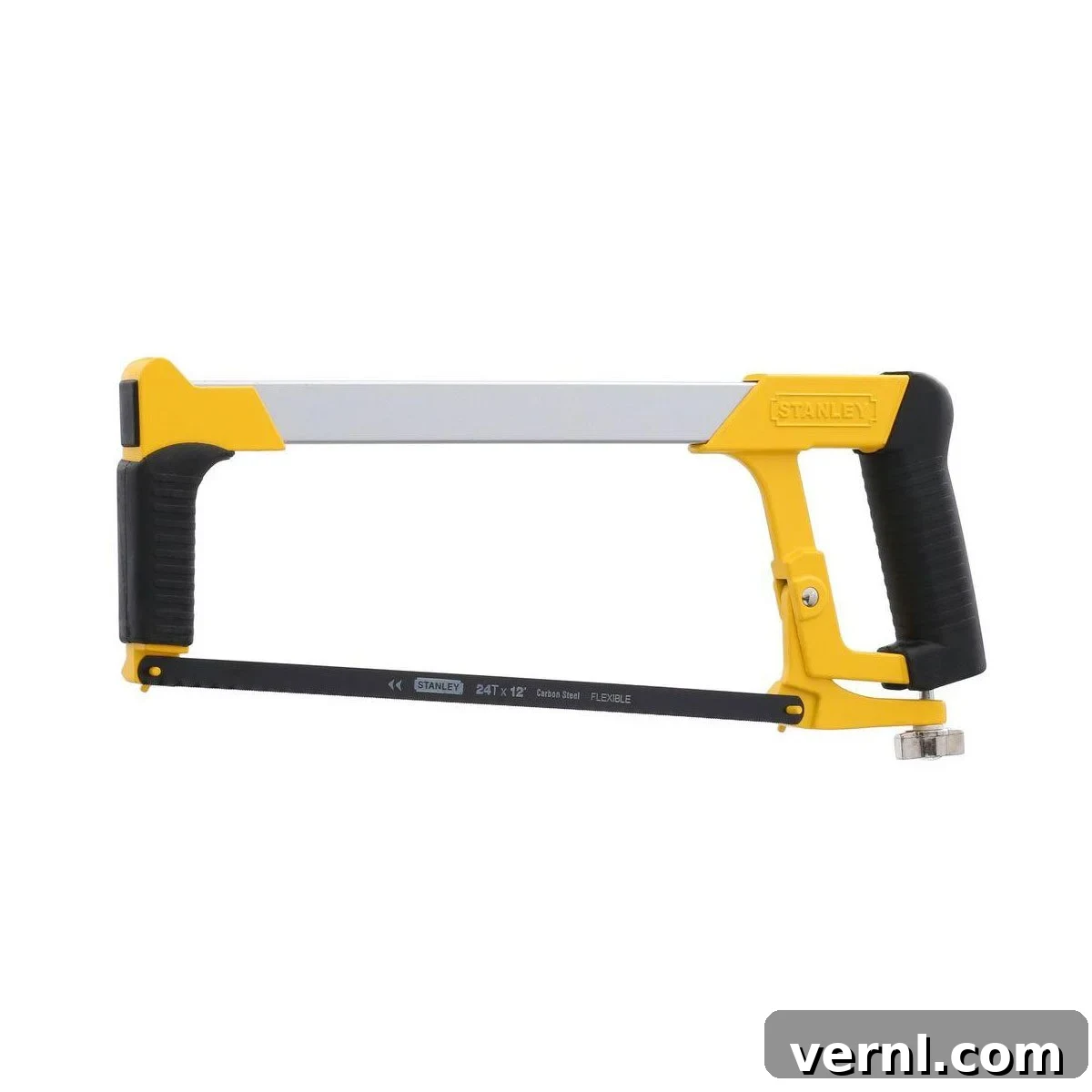
At its core, a hacksaw is a specialized hand saw engineered for cutting hard materials like metal and certain types of plastic. Unlike traditional woodworking saws with larger teeth, hacksaws feature fine-toothed blades designed to slowly abrade and chip away at dense materials. Its characteristic U-shaped or bow frame provides the necessary rigidity and tension to hold a thin, flexible blade securely, enabling effective cutting strokes.
The ingenuity of the hacksaw lies in its simple yet effective design. A handle at one end allows for comfortable gripping and control, while a tensioner mechanism, typically a nut or knob, is used to stretch the blade taut within the frame. This tension is crucial for preventing the blade from flexing or bending during use, ensuring a straight, efficient cut. Hacksaw blades can typically be installed to cut on either the push or pull stroke, though cutting on the push stroke is the more common and often more effective method for most users.
Anatomy of a Hacksaw: Key Components Explained
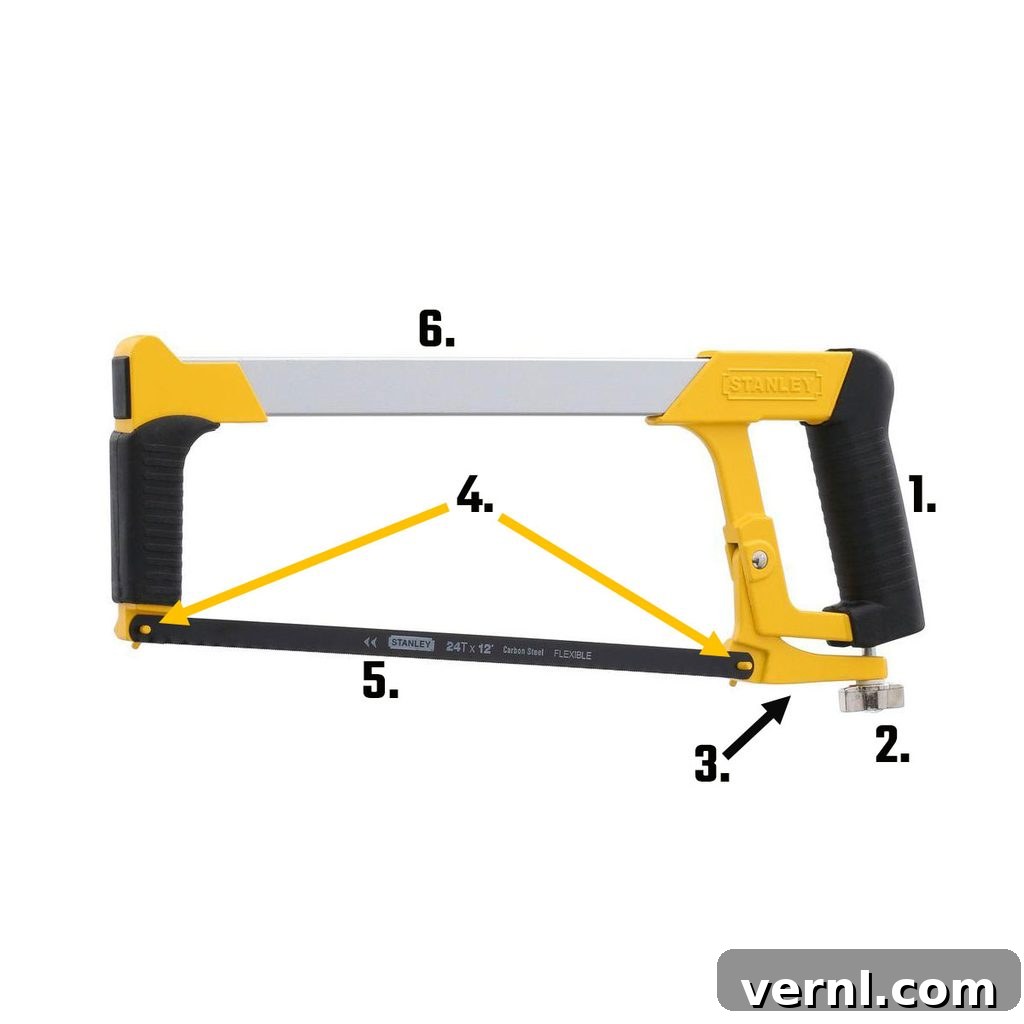
Understanding the individual parts of a hacksaw illuminates how this simple tool delivers its powerful performance. Each component plays a vital role in its operation and efficiency:
- D-handle: Often ergonomically designed, the D-handle provides a secure and comfortable grip, allowing the user to apply steady force and control the saw’s direction. Pistol grip handles are also common, offering variations in comfort and control.
- Tensioner Knob: This crucial component, usually located at the end opposite the handle, is turned to adjust the tension of the blade. A properly tensioned blade is critical for straight cuts and preventing blade breakage.
- Blade Tensioner: Integrated into the frame and operated by the tensioner knob, this mechanism pulls the frame outwards, applying the necessary stretch to the blade.
- Blade Pins: Small pins or studs at each end of the frame are where the blade’s holes hook on. These pins hold the blade securely in place within the frame.
- Hacksaw Blade: The cutting element itself. Hacksaw blades are typically thin, flexible strips of high-carbon steel or bi-metal, featuring a row of small, hardened teeth. The choice of blade material and teeth per inch (TPI) is vital for cutting different materials effectively.
- Frame: The main body of the hacksaw, typically U-shaped, that holds the blade under tension. Frames can be fixed or adjustable in length to accommodate different blade sizes.
Many modern hacksaws feature a two-part adjustable frame, offering greater versatility by allowing different blade lengths to be used. The handle style also varies, with pistol grips providing an alternative to the traditional D-handle, often preferred for comfort during prolonged use.
Historical Context and Modern Relevance
Historically, hacksaws earned their name partly because early versions did not always produce the smoothest cuts. Primitive manufacturing techniques often resulted in blades that were less precise and prone to binding. However, significant advancements in metallurgy and tooling have dramatically improved the cutting precision and efficiency of contemporary hacksaws. Modern blades are incredibly sharp and durable, capable of making clean, accurate cuts.
While power tools like reciprocating saws, angle grinders, and band saws are now common for cutting metal parts quickly, hacksaws maintain a strong presence in professional and home workshops. Their primary advantages include portability, quiet operation, lower cost, and the ability to make extremely delicate or precise cuts where the aggressive action of a power saw might be too much. For tasks requiring a nuanced touch, working in confined spaces, or when power sources are unavailable, the hacksaw remains the tool of choice. It offers unmatched control, allowing users to feel the material and adjust their technique as needed, making it ideal for tasks that demand precision over speed.
Beyond the Basics: Exploring Different Types of Hacksaws and Blades
The world of hacksaws is more diverse than a quick glance might suggest, with various designs tailored for specific needs and applications. Understanding these differences, particularly regarding frame types and blade specifications, is crucial for selecting the right tool for your project.
Variations in Hacksaw Frames and Handles
- Standard Frames: These typically have a fixed length, usually accommodating 10-inch or 12-inch blades. They are robust and reliable for general-purpose cutting.
- Adjustable Frames: A common and popular design, these hacksaws feature a frame that can be extended or retracted to fit multiple blade lengths (e.g., both 10-inch and 12-inch blades), offering enhanced versatility.
- High-Tension Frames: Engineered to apply significantly more tension to the blade than standard models. This increased tension minimizes blade deflection, resulting in straighter, faster, and more accurate cuts, especially in thicker materials.
- Compact/Mini Hacksaws: These minimalist designs often consist of just a handle and a blade holder, making them ideal for working in extremely tight spaces where a full-sized frame would be cumbersome. They resemble a robust utility knife with a hacksaw blade.
- Junior Hacksaws: Smaller versions of the standard hacksaw, typically using 6-inch blades. They are excellent for lighter-duty tasks, intricate cuts, or for users with smaller hands.
- Handle Styles: Beyond the traditional D-handle, pistol-grip handles are common, designed for comfort and reduced fatigue during extended use. Some handles incorporate storage for spare blades.
- Pivoting Blades: Some advanced hacksaw frames allow the blade to be pivoted to a 45° or even 90° angle. This feature is incredibly useful for making flush cuts against a surface or for cutting in awkward, restricted spaces.
Choosing the Right Hacksaw Blade: Materials, Tooth Count, and Applications
The hacksaw blade is the heart of the tool, and its characteristics directly influence cutting performance. Selecting the appropriate blade for your material is paramount.
- Blade Materials:
- High-Carbon Steel (HCS): More economical, suitable for softer metals like brass, copper, and aluminum, as well as plastics.
- Bi-Metal: The most popular choice, combining a high-carbon steel body with a high-speed steel (HSS) cutting edge. These blades offer superior durability, heat resistance, and flexibility, making them ideal for cutting a wide range of metals, including steel, stainless steel, and cast iron.
- Tungsten Carbide Grit: Designed for abrasive materials like ceramics, tile, and fiberglass, these blades don’t have traditional teeth but rather a coating of carbide grit.
- Teeth Per Inch (TPI): This refers to the number of teeth along one inch of the blade, a critical factor for cutting efficiency and finish.
- 18-24 TPI: Coarser teeth, ideal for cutting thicker materials (over 1/4 inch thick) like pipes, rods, and structural steel. They cut faster but leave a rougher finish.
- 24-32 TPI: Finer teeth, best suited for thinner materials (under 1/4 inch thick) like sheet metal, conduit, and tubing. They provide a smoother cut and minimize burring. A general rule is to have at least three teeth in contact with the workpiece at all times to prevent snagging and tooth breakage.
- Blade Lengths: Common lengths are 10 inches (250mm) and 12 inches (300mm), with junior hacksaws using 6-inch blades. The chosen length depends on the hacksaw frame’s compatibility and the scale of the work.
- Specialty Blades: Beyond standard metal cutting, there are blades designed for specific tasks, such as those with wavy tooth sets for cutting softer materials or those optimized for very fine work.
Mastering the Hacksaw: Techniques for Efficient and Safe Cutting
Effective hacksaw use combines proper technique with meticulous preparation. Following these steps will help you achieve clean cuts efficiently and safely.
Preparing Your Workpiece and Hacksaw for Cutting
- Securing the Workpiece: Always secure the material you intend to cut firmly in a vise or with clamps. This prevents the workpiece from moving, ensuring a straight cut and significantly reducing the risk of injury. Unsecured material is dangerous and leads to poor results.
- Selecting and Installing the Blade: Choose a blade with the appropriate TPI and material for your workpiece. Ensure the blade is installed correctly, with the teeth pointing away from the handle (for push-stroke cutting, which is standard). Tighten the blade tensioner firmly until the blade is taut and produces a clear, ringing sound when plucked. A loose blade will flex, bind, and potentially break.
- Marking the Cut: Clearly mark the exact line where you intend to cut. Using a scribe, marker, or pencil, make a visible line around the pipe or conduit. For precise work, a square or ruler can help ensure accuracy.
Step-by-Step Hacksaw Operation
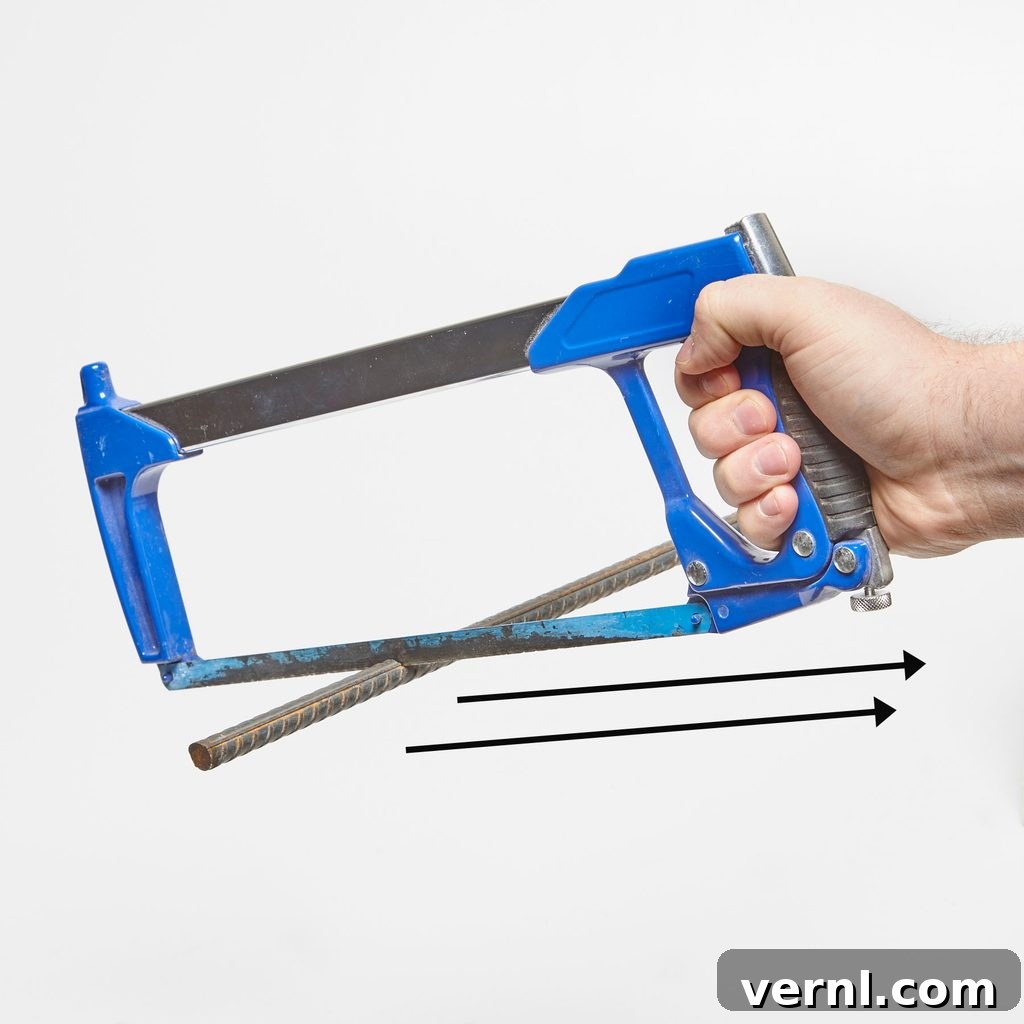
- Initiating the Cut: Position the blade on the marked line. To prevent the blade from “skating” or wandering, start the cut by pulling the hacksaw towards you a few times using light pressure (backstrokes) to create a small groove. This creates a guide for the subsequent push strokes.
- Maintaining the Stroke: Once the groove is established, use full, steady strokes. Apply downward pressure on the push stroke (away from your body) and relieve pressure on the return (pull) stroke. This maximizes cutting efficiency and extends blade life.
- Applying Pressure: Let the blade’s teeth do the work. Excessive downward pressure will not speed up the cut; instead, it will cause the blade to bind, overheat, wear prematurely, or even break. Maintain a consistent, moderate pressure.
- Achieving a Straight Cut: Keep both hands on the hacksaw—one on the handle and the other gripping the frame near the front. This provides better control and helps maintain a straight cutting path. Your body should be aligned with the cutting line, allowing for a natural sawing motion.
- Finishing the Cut: As you approach the end of the cut, reduce pressure to prevent the workpiece from breaking off unevenly or pinching the blade. Support the cut-off piece to avoid sudden drops or bending that could damage the blade or cause injury.
Hacksaw Pro Tips for Optimal Performance
- Preventing Blade Skating: As mentioned, initiating the cut with a few gentle backstrokes helps create a starting groove. If your blade is set up to cut on the pull stroke (less common), you would reverse this, starting with light pull strokes. This simple technique significantly improves control and accuracy from the outset.
- Optimizing Blade Life: To prolong the life of your hacksaw blade, use long, even strokes that engage as many teeth as possible. Avoid short, jerky movements, which can concentrate wear on a small section of the blade. Additionally, applying a small amount of cutting oil to the blade, especially when cutting tougher metals, can reduce friction and heat buildup, leading to smoother cuts and extended blade longevity.
- Cutting Different Materials: When cutting round stock like pipe or rod, rotate the material periodically to ensure an even cut around its circumference, rather than cutting straight through one side. For flat stock, consider clamping a guide to help maintain a straight line.
Prioritizing Safety When Using a Hacksaw
Working with any cutting tool necessitates a strong emphasis on safety. Hacksaws, while less inherently dangerous than power tools, still pose risks if not handled correctly. Adhering to safety guidelines protects both the user and the workpiece.
Essential Personal Protective Equipment (PPE)
- Safety Glasses: Always wear appropriate safety glasses. Cutting metal often produces small, sharp shards or sparks that can cause serious eye injuries. Ensure your glasses meet safety standards.
- Work Gloves: Sturdy work gloves protect your hands from sharp edges, burs, and potential abrasions. They also provide a better grip on the tool and workpiece, reducing the chance of slips.
Safe Work Practices
- Secure Workpiece: Reiterating its importance, always ensure your material is securely clamped or held in a vise. This prevents movement that could lead to injury or an inaccurate cut.
- Awareness of Sharp Edges and Burs: Metal cutting creates sharp edges and metal burs. Be extremely cautious when handling the workpiece during and after sawing. Deburring tools or a file should be used to smooth these sharp edges once the cut is complete.
- Proper Stance and Grip: Maintain a balanced stance with feet shoulder-width apart. Hold the hacksaw with a firm, controlled grip, keeping your fingers clear of the blade’s path. Avoid leaning directly over the cutting area.
- Blade Handling: Exercise caution when changing blades. The blades are sharp and can cause cuts. Dispose of old blades safely in a puncture-proof container.
- Post-Cutting Clean-up: After finishing your cut, clean up any metal shavings or debris. These small, sharp fragments can cause cuts or punctures if left on the work surface.
Maintaining Your Hacksaw for Longevity
Proper maintenance ensures your hacksaw remains in optimal working condition for years to come. A well-maintained tool performs better and lasts longer.
- Cleaning the Frame: After each use, wipe down the hacksaw frame to remove any metal dust or debris. A clean tool is easier to inspect for wear and less likely to accumulate rust.
- Blade Storage: Store spare blades in their original packaging or a dedicated blade case to protect them from moisture and damage. Never store loose blades where they can be a hazard. When the hacksaw is not in use, it’s a good practice to slightly loosen the blade tension to relieve stress on the frame and blade.
- Inspecting for Wear: Periodically inspect the hacksaw frame for any signs of damage, such as bends, cracks, or loose components. Ensure the tensioner mechanism operates smoothly. Replace any worn or damaged parts promptly.
Choosing the Best Hacksaw: Factors to Consider
When selecting a hacksaw, several key factors contribute to its performance, durability, and user comfort. Investing in a quality tool will significantly enhance your cutting experience.
- Frame Durability and Design: Look for a sturdy frame made from high-quality steel or aluminum. A robust frame is essential for maintaining blade tension and preventing flexing during heavy use. Consider whether you need a fixed or adjustable frame based on your anticipated blade size requirements. High-tension frames offer superior cutting stability.
- Ergonomic Handle: The handle should fit comfortably in your hand, offering a secure grip even when applying significant force. Materials like rubberized or soft-grip handles can reduce hand fatigue and improve control.
- Blade Compatibility and Tensioning: Ensure the hacksaw can accommodate the blade lengths you typically use. The tensioning mechanism should be easy to operate and capable of applying ample tension to the blade without excessive effort. An easily adjustable tensioner is a sign of a well-engineered tool.
- Pivoting Blade Feature: For versatility, especially in tight spaces or for flush cuts, a hacksaw with a pivoting blade angle is a significant advantage. This feature allows you to change the blade’s orientation without altering your grip or position.
- Brand Reputation and Budget: Reputable brands often signify better quality and durability. While high-end models might come with a higher price tag, their longevity and performance often justify the investment. However, many mid-range hacksaws offer excellent value for most DIY and professional needs.
For those seeking a reliable and high-performance option, the Stanley STHT20140 Tubular Frame High Tension Hacksaw is frequently recommended by professionals for its sturdy construction and effective tensioning system, proving to be a high-quality choice for various tasks.
Conclusion: The Enduring Value of the Humble Hacksaw
The hacksaw, with its deceptively simple design, remains a cornerstone tool for anyone involved in metalwork, plumbing, electrical work, or general DIY projects. Its precision, portability, and ability to handle a wide array of materials make it irreplaceable, even in an era dominated by power tools. By understanding its components, mastering proper cutting techniques, adhering to safety protocols, and performing regular maintenance, you can maximize the efficiency and longevity of your hacksaw. Choosing the right hacksaw and blade for the job will not only make your work easier but also ensure professional-quality results. Embrace the hacksaw, and you’ll find it an invaluable partner for countless cutting challenges.