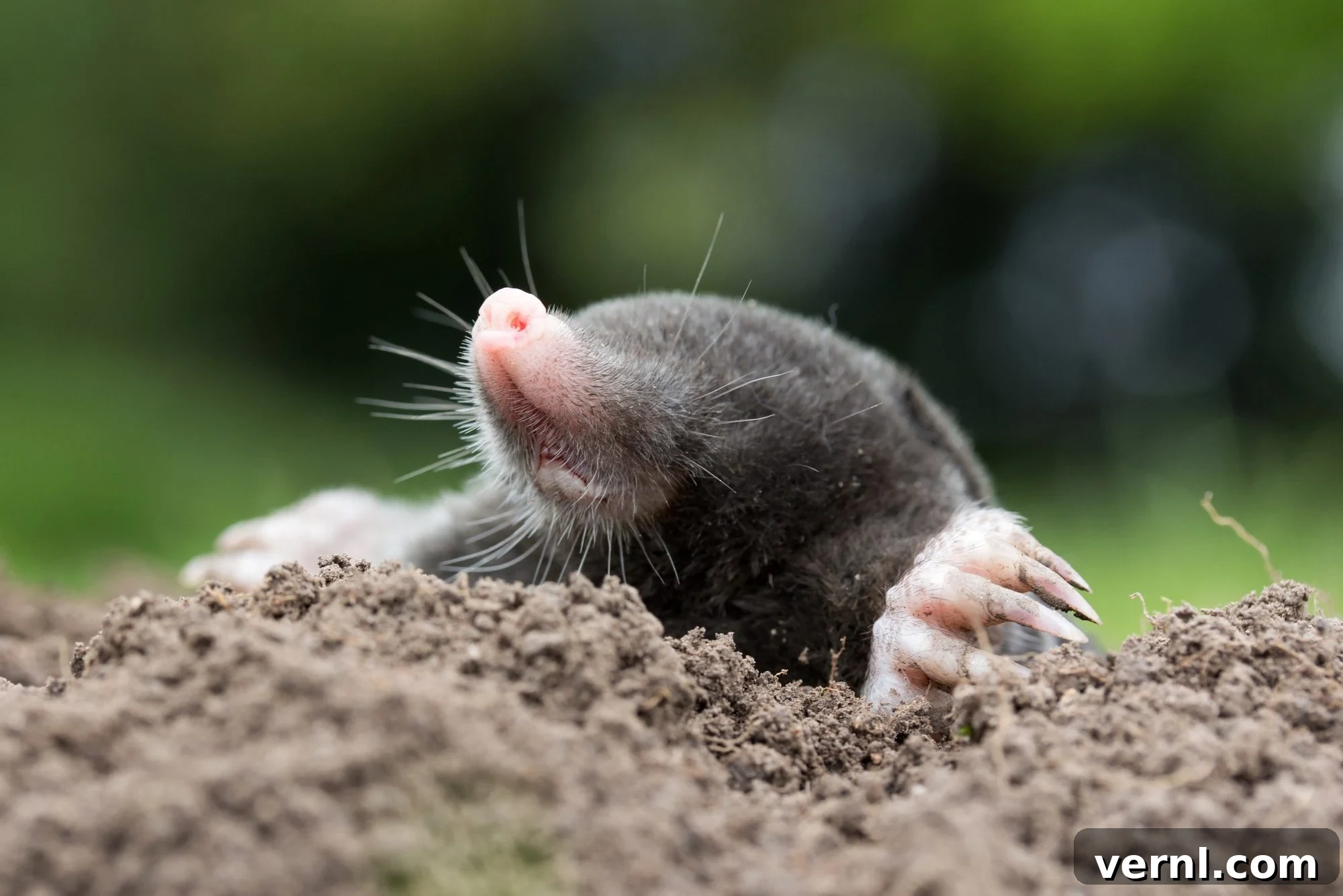
Understanding Moles: The Unseen Architects of Your Lawn
With their distinctive paddle-like front paws and a life spent in the subterranean world, moles are undeniably unique among mammals. Often perceived as cute, these industrious burrowers can quickly become a source of frustration for homeowners when their intricate tunnel systems and tell-tale hills disrupt the pristine appearance of a well-manicured lawn. While their presence can be maddening, a deeper understanding of these creatures reveals a complex role in our ecosystem, balancing potential yard damage with surprising benefits.
From the subtle signs of their activity to their vital ecological contributions, moles often spark more questions than answers. Are they rodents? What do they eat? And crucially, how can you manage their impact on your landscape? To shed light on these enigmatic underground residents, we turned to Roger Dickens, a seasoned wildlife technical services manager with Ehrlich Pest Control. Dickens offers expert insights into the life and habits of moles, helping us unravel the mysteries of these beneficial, yet occasionally bewildering, creatures.
Are Moles Rodents? Dispelling Common Misconceptions
One of the most frequent questions regarding moles is whether they belong to the rodent family. The answer, according to Dickens, is a resounding no. “Moles are more closely related to bats than they are to mice,” he explains, highlighting their distinct evolutionary path. Moles are classified under the order Eulipotyphla, which includes shrews and hedgehogs, all characterized by their insectivorous diets and unique anatomical features, setting them apart from the gnawing rodents. This classification is important because it influences their behavior, diet, and the methods effective for their control. Misidentifying a mole as a rodent can lead to ineffective management strategies, as rodent deterrents or baits will have no impact on a mole’s activities.
Distinguishing Moles from Other Burrowers: Voles and Pocket Gophers
It’s common for homeowners to confuse moles with other burrowing animals like voles and pocket gophers, all of whom can leave signs of their presence in a yard. However, careful observation of their tunneling habits can help in accurate identification, which is crucial for targeted pest management.
- Moles vs. Voles: Dickens clarifies a key difference: “Moles create extensive underground tunnels, pushing up mounds of soil as they forage.” Voles, on the other hand, are rodents that typically create shallow, runway-like tunnels that weave through the grass and just above the ground surface. These vole tunnels often resemble pathways in the lawn, not deep earthworks. Voles also primarily feed on plants, roots, and bulbs, contrasting sharply with the mole’s insectivorous diet.
- Moles vs. Pocket Gophers: Like moles, pocket gophers are also expert tunnelers, but their mounds offer a clear distinguishing characteristic. “Mole hills are typically symmetrical, conical mounds of loose soil,” Dickens describes, “pushed up from directly below.” Gopher mounds, conversely, often have a distinct ‘plug’ or patch of disturbed soil where the gopher has sealed the entrance to its tunnel system. This plug is conspicuously absent in mole hills, which are formed by the mole excavating soil and pushing it upwards from within its subterranean network. Understanding these subtle yet significant differences allows for more effective strategies in addressing yard damage, ensuring that efforts are directed at the correct culprit.
Where Do Moles Live? The Hidden World Beneath Our Feet
Moles are true masters of the underground. Their entire existence revolves around life beneath the surface, where they construct complex networks of tunnels and specialized dens. “Moles live in underground dens that are connected by an intricate web of tunnels,” Dickens elaborates. These dens, which serve as resting, birthing, and overwintering sites, are strategically located for protection and stability, “often found under solid structures such as downed trees, sidewalks, driveways, or even the foundations of sheds.” The stability offered by these structures helps protect their vital living spaces from collapse and extreme weather conditions.
Their primary activity involves ceaseless tunneling under the grass, primarily in their relentless search for food. These tunnels can vary significantly in depth and purpose. Shallow tunnels, often visible as raised ridges on the lawn’s surface, are typically feeding tunnels, used for quick foraging just beneath the grass roots. Deeper tunnels serve as main thoroughfares, travel routes, and connections to their dens. The depth and usage of these tunnels can also depend on the season, with moles digging deeper to escape frost in winter or access moist soil during dry periods.
Moles thrive in areas rich in their preferred diet of insects and earthworms. This often includes fields, wooded areas with ample vegetation and shade, and, inevitably, our well-maintained gardens and lawns. They are drawn to loose, moist, and well-aerated soil, which makes digging easier and supports a rich invertebrate population, making a yard an ideal habitat for these subterranean engineers.
Will Moles Ever Enter Your Home?
For many homeowners, the thought of a mole making its way into the living space is a concern. However, Dickens offers reassuring news: “As a general rule, moles spend 99% of their time underground.” Their bodies are exquisitely adapted for a subterranean existence – strong digging claws, reduced vision, and a heightened sense of touch and smell allowing them to navigate their dark environment. Because they are so specialized for digging and foraging in the soil, “moles rarely, if ever, come above ground and will not enter the home,” Dickens confirms. Their survival depends entirely on their underground environment and the readily available food sources within it. They simply have no inclination or means to navigate or thrive inside a dwelling, making them strictly outdoor inhabitants.
What Do Moles Eat? The Insectivore’s Feast
Understanding a mole’s diet is fundamental to appreciating its role and devising effective control strategies. Moles are pure insectivores, meaning their diet consists almost exclusively of invertebrates found in the soil. They possess a voracious appetite, consuming up to their own body weight in food daily to sustain their high metabolic rate and constant tunneling activities. Their preferred culinary delights include a variety of garden pests:
- Grubs: These larval forms of beetles, such as Japanese beetles or June bugs, are a primary food source for moles. Many gardeners consider grubs to be significant lawn pests, and moles effectively help control their populations.
- Earthworms: Earthworms are another staple of the mole’s diet. While worms are beneficial for soil health, their presence is a strong attractant for moles due to their abundance and nutritional value.
- Other Bugs: Moles also feast on a wide array of other soil-dwelling insects and larvae, including slugs, snails, spiders, and centipedes, contributing to a healthier garden ecosystem by keeping these populations in check.
It’s important to clarify a common misconception: while their tunneling activities can disturb grass and plant roots, moles do not eat plants, roots, or bulbs. Any damage observed to vegetation is purely incidental. Dickens emphasizes, “Damage to plants would be inadvertent.” The disruption of roots occurs as they dig their tunnels, potentially causing plants to wilt or die due to severed connections to water and nutrients. Furthermore, the University of Wisconsin notes that other animals, such as ground squirrels and mice, might utilize existing mole tunnels as pathways to access and munch on plant roots and bulbs, thereby wrongfully attributing the damage to the moles themselves.
Are Moles Nocturnal? A Constant State of Activity
Unlike many creatures that adhere to strict day-night cycles, moles operate on their own unique schedule. “Moles tend to be active throughout all times of the day due to their habit of remaining underground,” Dickens explains. Their subterranean world offers a consistent environment, largely unaffected by the sun’s rise and set. They cycle through periods of intense activity followed by short rests, continuously tunneling and foraging for food whenever the opportunity arises. This relentless activity is driven by their high metabolic rate and constant need for sustenance.
This constant activity also serves a vital protective function. “While underground, they are safe from a wide array of predators,” Dickens notes. Their deep tunnels provide refuge from aerial threats like hawks and owls, as well as ground predators such as cats, dogs, foxes, and coyotes. This continuous, hidden lifestyle allows them to pursue their insectivorous diet without constant fear of being hunted, making the underground world their ultimate sanctuary and enabling their perpetual foraging behavior.
Do Moles Hibernate? Year-Round Subterranean Workers
Another fascinating aspect of mole behavior is their ability to remain active throughout the year, even during harsh winter months. “No, moles do not hibernate; they are active year-round,” Dickens confirms. This means that while surface activity might decrease, moles continue their relentless tunneling and foraging beneath the frost line. They are incredibly resilient and have adapted to maintain their food supply regardless of the season.
Their activity levels are often influenced by environmental conditions, particularly moisture. “They are most active in the spring and summer during rainy periods,” Dickens observes. Rain softens the soil, making it significantly easier for moles to dig new tunnels and expand their foraging areas. During drier periods or winter, the soil can become compacted and harder to penetrate. However, moles are well-equipped to adapt.
As winter sets in and the ground freezes, moles simply adapt their tunneling depth. “During the winter, they tunnel beneath the frost line and continue to forage for food,” he states. This allows them access to the same insect and earthworm populations that retreat deeper into the soil to escape the cold. This continuous activity ensures their survival and a steady food supply, demonstrating their remarkable resilience and adaptation to varying seasonal conditions, truly making them year-round subterranean workers.
What Attracts Moles and How to Effectively Repel Them
Understanding what draws moles to your yard is the first step in effective management. Essentially, moles go where the living is easy and the food is abundant. If your yard fits this description, it’s a prime target.
What Attracts Moles?
Moles are primarily attracted by two key factors:
- Abundant Food Sources: As insectivores, moles are drawn to yards rich in grubs, earthworms, and other subterranean insects. If your lawn harbors a healthy population of these invertebrates, it essentially becomes an all-you-can-eat buffet for moles. “This activity is generally a continuation of tunneling from an adjacent area,” Dickens points out, meaning if your neighbor has moles, and you have prime mole real estate, they will eventually find their way in.
- Ideal Soil Conditions: Moles prefer loose, moist, and well-drained soil that is easy to dig through. Soil that is rich in organic matter also tends to support larger populations of earthworms and insects, making it doubly appealing. Compacted, clay-heavy, or overly dry soil is far less attractive for their tunneling endeavors, as it requires more energy to excavate.
Strategies for Mole Repellence and Control
Repelling moles or mitigating their presence often involves a multi-pronged approach, focusing on reducing their attractants or directly intercepting their activities. Dickens notes, “Repelling moles comes down to reducing their food source or trapping them.” Effective mole control often requires persistence and a combination of methods.
- Food Source Reduction:
- Grub Control: Since grubs are a major food source, managing their population can make your yard less attractive to moles. “Grub-control pesticides will kill grubs,” says Dickens. These can be chemical (fast-acting but with environmental considerations) or biological.
- Natural Alternatives (Milky Spores): Natural methods like milky spores (Paenibacillus popilliae) specifically target Japanese beetle grubs. While environmentally friendly, they “take several years to reach peak effectiveness,” requiring patience and consistent application to build up in the soil.
- Earthworm Management (Indirect): While reducing earthworm populations might make a yard less appealing to moles, earthworms are highly beneficial for soil health. Therefore, directly targeting earthworms for mole control is generally not recommended as it harms the overall garden ecosystem.
- Trapping: Trapping is widely considered one of the most effective and direct methods for mole control. Various types of traps exist, including harpoon traps, scissor traps, and choker loop traps, all designed to humanely eliminate moles in active tunnels. Proper placement in an active tunnel is critical for success, requiring a good understanding of mole tunnel systems and fresh activity. While effective, trapping requires knowledge of mole behavior and careful, safe installation.
- Repellents and Deterrents: The market offers numerous mole-deterrence products, ranging from sonic spikes that emit vibrations to castor oil-based granules that make the soil less palatable or irritating to moles. “Mole-deterrence products achieve varying levels of success,” Dickens cautions. Their effectiveness can be inconsistent and often requires regular reapplication, and moles may simply tunnel around the treated areas or become accustomed to the deterrents.
- Physical Barriers: For smaller, high-value garden beds or specific areas, installing a physical barrier (e.g., hardware cloth or wire mesh) vertically buried into the ground around the perimeter can prevent moles from entering. This method is labor-intensive to install but highly effective for protecting defined spaces.
- Habitat Modification: Improving lawn drainage and avoiding excessive irrigation can make the soil less attractive, as moles prefer moist soil for easier digging and higher insect populations. Aerating compacted soil can also make it less appealing to moles.
It’s important to acknowledge the persistence of moles. “There is no way to completely eliminate the chances of moles coming into your yard,” Dickens emphasizes. Moles are constantly tunneling and foraging, and if your yard presents an attractive environment, new moles can always find their way in. Effective mole control is often an ongoing process of monitoring and management rather than a one-time, permanent solution. For severe infestations or ongoing issues, consulting a professional pest control service is often the most reliable option.
Do Moles Bite People? Assessing the Risk
Given their sharp teeth, adapted for gripping and tearing apart insects and worms, a natural concern might be whether moles pose a biting risk to humans or pets. However, the likelihood of such an encounter is extraordinarily low. “No, moles do not bite people,” Dickens states unequivocally. Their entire existence is spent underground, meticulously navigating their elaborate tunnel systems in search of food.
“The chances of ever seeing a live mole above ground are very remote,” Dickens explains. Moles are shy, reclusive, and highly specialized for their subterranean life. When they do surface, it is typically brief, often at night, or under distress, and they will quickly attempt to retreat. Therefore, “people or pets are not likely to be bitten,” as interaction is minimal to non-existent under normal circumstances. While any wild animal can bite if provoked or cornered, a mole encounter is so rare that it’s hardly a practical concern for the average homeowner or pet owner.
Are Moles Dangerous? Balancing Annoyance with Ecological Value
From a direct threat perspective, moles are not considered dangerous animals to humans or pets. They do not carry diseases transmissible to humans in the same way rodents might, nor do they pose a direct physical threat through aggression. However, their extensive tunneling activities can lead to indirect issues:
- Lawn Damage: Their prominent hills and raised tunnels can mar the aesthetic appeal of a lawn, creating uneven surfaces that are visually undesirable.
- Tripping Hazards: The raised ridges of shallow tunnels can become tripping hazards, particularly in areas where children or pets play, potentially leading to falls.
- Mower Interference: Mounds of soil can interfere with lawn mowers, potentially damaging blades or scattering dirt across the lawn, requiring more frequent maintenance and clean-up.
- Root Disruption: As discussed, while moles don’t eat plants, their tunneling can sever roots, causing plants to wilt or die due to loss of access to water and nutrients. This can be particularly frustrating for vegetable gardens or flower beds.
Despite these drawbacks, it’s crucial to acknowledge the beneficial aspects moles bring to the ecosystem of your yard. “Moles do serve a beneficial purpose by aerating the soil in yards,” Dickens highlights. Their constant digging creates channels that allow air, water, and nutrients to penetrate deeper into the soil, improving overall soil structure, drainage, and plant health. This natural aeration is akin to what gardeners strive for with manual tools, promoting stronger root systems and healthier turf.
Furthermore, their insectivorous diet provides natural pest control. “They also control unwanted white grubs in the soil,” Dickens adds. By preying on grubs and other destructive soil insects like slugs, snails, and various larvae, moles help protect your lawn and garden plants from these common pests, potentially reducing the need for chemical interventions. Viewing moles solely as nuisances overlooks their valuable contributions to a healthy, balanced soil environment.
How Long Do Moles Live? Understanding Their Life Cycle
The lifespan of a mole, while variable based on environmental factors such as predation, food availability, and health, typically ranges from three to five years, according to Roger Dickens. This relatively short lifespan is packed with incessant activity, largely dedicated to digging and foraging. Moles generally reproduce once a year, typically in early spring, following a gestation period of about a month. A litter size usually ranges from two to seven pups, which are born blind and helpless but develop rapidly. These young moles are quick to mature and soon disperse from their natal burrow to establish their own tunnel systems, perpetuating the cycle of these industrious underground engineers. Understanding the life cycle of moles can assist homeowners in planning long-term mole management strategies, recognizing that populations can fluctuate and new moles may establish themselves in favorable habitats.
Embracing a Balanced Perspective on Moles
In conclusion, moles are much more than just creators of unsightly lawn mounds. They are highly specialized, subterranean insectivores that play a unique and often beneficial role in soil aeration and natural pest control. While their presence can certainly be a challenge for those striving for a perfect lawn, understanding their biology, habits, and ecological contributions allows for a more informed and balanced approach to coexisting with them.
Whether you choose to manage their presence through targeted control methods or learn to appreciate their inadvertent contributions to your yard’s health, a deeper knowledge of these fascinating creatures is key. Remember, a thriving yard is often one that supports a diverse ecosystem, and moles, despite their disruptive habits, are an integral part of that intricate underground world. By learning to identify their activity, understand their motivations, and implement appropriate strategies, you can minimize lawn damage while still appreciating the quiet work of these amazing subterranean engineers.