
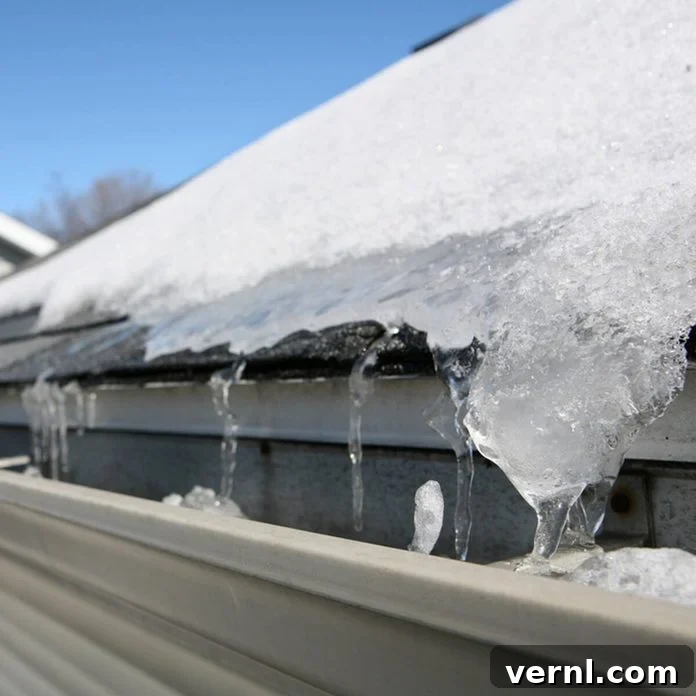
Winter brings with it a picturesque blanket of snow, but for many homeowners, it also introduces a formidable foe: ice dams. These icy formations, clinging stubbornly to roof eaves and gutters, are more than just an unsightly nuisance. They pose a significant threat to your home’s structural integrity, leading to costly water damage, mold growth, and compromised insulation. Historically, dealing with ice dams involved dangerous, manual labor with shovels and chisels – a method fraught with risks. Fortunately, advancements in home protection have introduced safer, more effective solutions, among the most popular being roof deicing cables. This comprehensive guide will delve into the intricacies of roof deicing cables, examining their function, cost implications, installation considerations, and optimal usage, helping you decide if this preventative measure is the right investment for safeguarding your home against winter’s harshest challenges.
Understanding the Menace: What Are Ice Dams and Why Are They a Problem?
Before diving into solutions, it’s crucial to grasp the mechanics of ice dam formation and the severe problems they can cause. Ice dams occur when snow on your roof melts due, primarily, to heat escaping from your attic. This meltwater then flows down the roof surface until it reaches the colder eaves, which are typically unheated and extend beyond the home’s insulated envelope. Here, the water refreezes, gradually building up an icy barrier – the “dam.” As more snow melts, this water gets trapped behind the dam, unable to drain off the roof. Instead, it backs up under the shingles, penetrating the roofing material and leaking into your home’s attic, walls, and ceilings.
The damage caused by ice dams can be extensive and expensive. Common issues include:
- Roofing Damage: The constant freezing and thawing cycle can lift and loosen shingles, leading to cracks and tears. Gutters can become detached or warped under the immense weight of the ice.
- Water Infiltration: Leaks can ruin ceilings, walls, and insulation. This not only necessitates costly repairs but also creates an environment ripe for mold and mildew growth.
- Structural Damage: Prolonged exposure to moisture can weaken wooden components of your roof structure, leading to costly repairs.
- Energy Loss: The underlying cause of many ice dams—poor attic insulation and ventilation—also means your home is losing heat, driving up energy bills.
- Safety Hazards: Large icicles forming from ice dams can break off, posing a danger to people and property below.
Given these risks, proactive prevention strategies, such as the strategic use of roof deicing cables, become an invaluable aspect of winter home maintenance.
Pros and Cons of Roof Deicing Cables
Roof deicing cables offer a modern approach to managing ice dams. Like any home improvement solution, they come with a distinct set of advantages and disadvantages that homeowners should carefully weigh.
Functionality: How Deicing Cables Protect Your Roof
Pro: Targeted Melt Channels for Effective Drainage
When installed correctly, roof deicing cables are remarkably effective in preventing water accumulation behind ice dams. It’s important to understand their core function: they don’t aim to clear your entire roof of snow, nor do they melt large patches. Instead, these cables are strategically arranged in a zig-zag or serpentine pattern along the eaves and in gutters, focusing their heat to create narrow, continuously flowing melt channels. These channels provide a clear path for meltwater to drain safely off the roof and into the gutters, preventing it from backing up under shingles. This distinction is crucial: ice dams might still form, but the cables ensure that any additional meltwater can bypass the blockage and flow away, thereby protecting your roof from destructive water penetration. High-quality cables, especially self-regulating models, adapt to changing temperatures, ensuring continuous protection throughout freeze-thaw cycles, which are the primary culprits behind ice dam formation.
Con: Limited Scope and Root Cause Neglect
While effective for the areas they cover, roof deicing cables do not affect the entire roof surface. Depending on your roof’s unique architecture, ice dams might form in areas other than just the eaves, such as in valleys, around skylights, or near chimneys. If these areas are prone to ice buildup, you would need to run supplemental cables or implement alternative solutions to address these specific problem zones. Furthermore, it’s crucial to recognize that deicing cables primarily address the *symptom* of ice dams (the blockage of water flow) rather than the *root cause*. The underlying issues of inadequate attic insulation and poor ventilation, which allow heat to escape and melt snow unevenly, are not resolved by deicing cables. A truly holistic approach to ice dam prevention often involves a combination of improved attic sealing, insulation, and ventilation, alongside targeted deicing solutions where necessary.
Cost Implications: Investment vs. Savings
Con: The Expense of Electrical Heat
One of the primary drawbacks of roof deicing cables is their reliance on electricity to generate heat, which can be an expensive method of operation, especially in regions with high electricity rates. The power consumption can significantly impact your winter energy bills, particularly if the cables run frequently during prolonged cold snaps. While some advanced cabling systems are self-regulating – meaning they generate more heat as temperatures drop and cycle on and off as needed – these systems, while more energy-efficient in the long run, typically come with a higher initial purchase price and more complex installation requirements. This upfront investment, combined with the ongoing operational costs, requires careful consideration within a homeowner’s budget. It’s essential to calculate potential operational expenses based on your local electricity rates and anticipated usage before committing to a system.
Pro: Safeguarding Against Catastrophic Repair Costs
The “con” of higher electrical bills is starkly offset by the substantial financial “pro” of preventing severe, often catastrophic, roof damage. The cost of repairing damage caused by even a single significant ice dam incident can far outweigh the cost of purchasing, installing, and operating deicing cables over many years. Consider the potential expenses: replacing damaged shingles, repairing water-stained ceilings and walls, replacing ruined attic insulation, mitigating mold growth, and even addressing structural issues. These repairs can easily run into thousands, if not tens of thousands, of dollars. Investing in properly installed heating cables acts as a critical insurance policy for your home, protecting not only your roof but also the entire structure and its contents from extensive water damage. This preventative measure helps extend the lifespan of your roof, preserves your home’s value, and provides invaluable peace of mind during harsh winter conditions, ultimately offering a substantial return on investment (ROI).
Installation: DIY Feasibility vs. Professional Expertise
Pro: User-Friendly Options for DIY Enthusiasts
For the handy homeowner comfortable with ladder work and basic electrical understanding, certain types of roof deicing cables offer relatively straightforward installation. Products like “ice tape” or self-adhesive heating coils are designed for user-friendly application. These systems often come in kits with detailed instructions, allowing DIYers to tackle the project and potentially save on labor costs. The simplicity of laying out pre-spaced cables and securing them to the roof edge or within gutters can be appealing. Prioritizing safety, such as using stable ladders, wearing appropriate gear, and ideally having a spotter, is paramount. Commencing installation before the cold weather truly sets in is crucial, ensuring that the system is fully operational and ready to prevent ice dams as soon as winter arrives.
Con: The Criticality of Correct Installation
While some systems are DIY-friendly, the effectiveness and safety of roof deicing cables are entirely dependent on proper installation. Incorrect installation can lead to a host of problems: inefficient operation, increased energy consumption, premature cable failure, or even fire hazards due to improper electrical connections or cable overlap. If you have any doubts about your ability to correctly plan the layout, secure the cables, and handle the electrical wiring (which often requires a dedicated circuit and GFCI protection), engaging a qualified professional is not just advisable, it’s essential. When hiring a contractor, thorough vetting is crucial: inquire about their specific experience with deicing cable systems, ask for references, and verify their licensing and insurance. A professional installer can ensure the system is properly designed for your roof’s unique profile, meets all electrical codes, and operates safely and efficiently for years to come. Installing deicing cables is a critical pre-winter task that should never be rushed or improperly executed.
Optimal Operation: Maximizing Effectiveness and Efficiency
Understanding the “Warm” Cold-Weather Logic
One aspect of roof deicing cables that sometimes raises questions is their optimal functionality within a specific temperature range, typically effective down to about -9°F (-23°C). At first glance, this might seem like a limitation. However, when considering the physics of ice dam formation, this operating range makes perfect sense. Ice dams are caused by snow *melting* and then refreezing. This phenomenon primarily occurs when ambient temperatures hover around the freezing point, allowing snow on the warmer parts of the roof to melt. In extremely cold temperatures, far below freezing, the snow on the roof simply remains frozen; there’s no meltwater to form an ice dam. Therefore, continuous operation in severely cold conditions would be wasteful and unnecessary. Smart homeowners and advanced cable systems utilize weather forecasts or temperature sensors to activate the cables only when conditions are conducive to ice dam formation, optimizing energy use and reducing operational costs. This targeted approach ensures that the cables run only when they are most needed, providing effective protection without excessive energy consumption.
Maintenance and Longevity
While roof deicing cables are generally low-maintenance, an annual inspection is recommended to ensure their continued effectiveness. Check for any physical damage to the cables, ensure all fasteners are secure, and verify that the electrical connections are intact. Most quality deicing cable systems are designed for durability and can last many years, often exceeding 10-15 years, provided they are installed correctly and not subjected to undue physical stress. Addressing any minor issues early can prevent larger problems and ensure your system is always ready for winter.
Beyond Deicing Cables: A Holistic Approach to Ice Dam Prevention
While roof deicing cables are a highly effective tool, they are best viewed as one component of a broader, holistic strategy for ice dam prevention. The most sustainable and energy-efficient way to combat ice dams is to address their root causes: heat loss from the attic and inadequate attic ventilation. Sealing air leaks from the living space into the attic, improving attic insulation to R-value recommendations for your climate, and ensuring proper roof and soffit ventilation will minimize the amount of heat reaching the roof deck. This reduces uneven snow melt, thereby significantly lessening the likelihood of ice dam formation in the first place. When combined with a well-installed deicing cable system in vulnerable areas, homeowners can achieve comprehensive, long-term protection against the detrimental effects of winter weather.
Conclusion: An Informed Decision for Winter Readiness
Roof deicing cables represent a significant leap forward in home protection against the damaging effects of ice dams. By creating crucial melt channels, they effectively prevent water infiltration and the costly repairs that follow. While they come with considerations regarding electrical consumption and the importance of proper installation, their benefits in terms of safeguarding your home’s integrity, extending roof lifespan, and providing peace of mind are substantial. Weighing the pros and cons in the context of your specific roof profile, local climate, and budget is essential. Whether opting for a DIY approach with user-friendly systems or entrusting the installation to qualified professionals, making an informed decision to implement deicing cables can be a wise investment, ensuring your home remains warm, dry, and protected throughout the harshest winter months.