
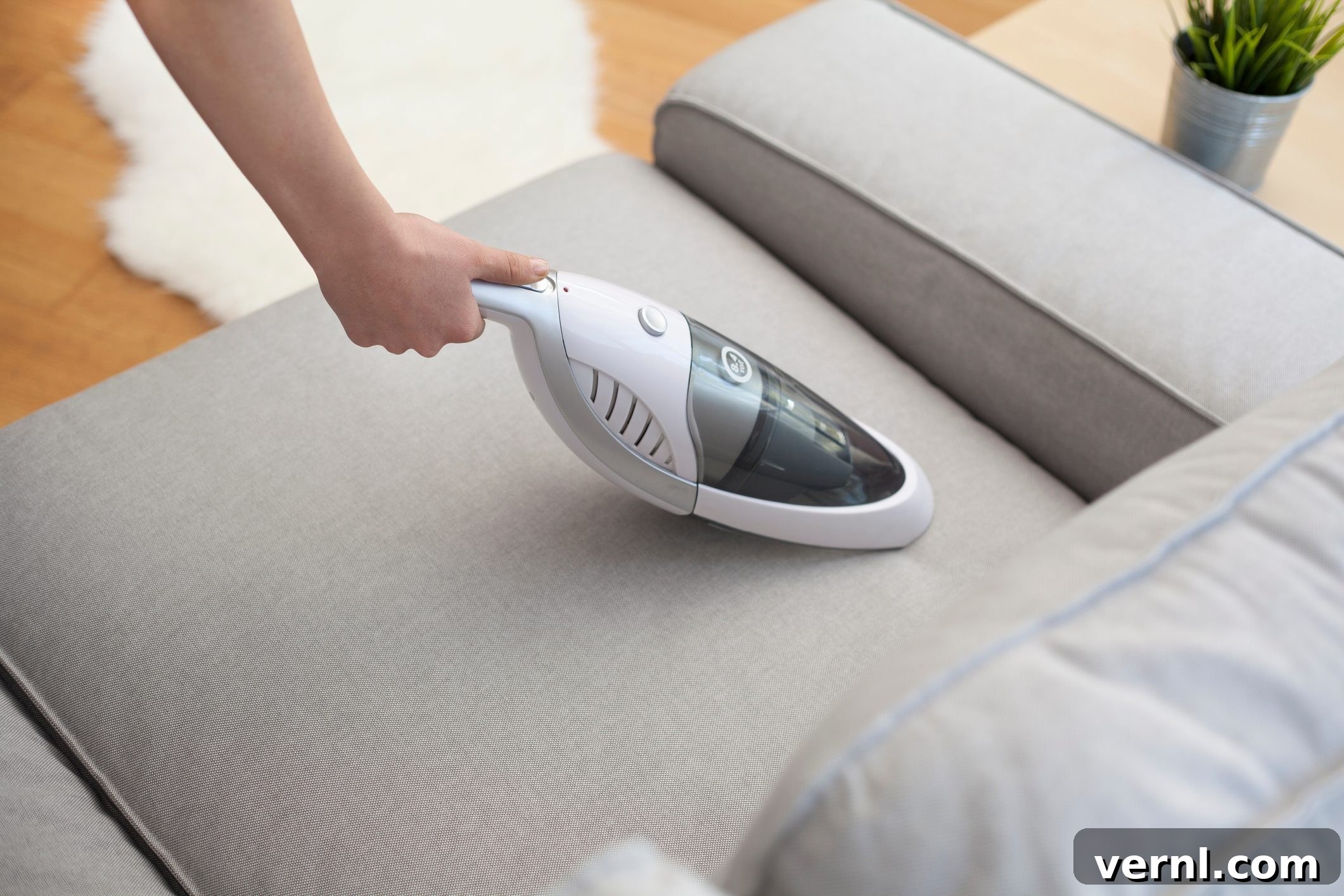
Your couch isn’t just a piece of furniture; it’s the heart of your home. It’s where you unwind after a long day, host movie nights, enjoy snacks with loved ones, and create countless memories with family and furry friends. From quiet evenings curled up with a book to lively gatherings, your sofa bears witness to it all. This constant use, however, means your couch is also subjected to significant wear and tear, accumulating dirt, dust, allergens, and occasional spills. While often overlooked, maintaining the cleanliness of your sofa is paramount, not just for its appearance but for your health and the longevity of your investment. Learning how to clean a couch effectively and regularly is an essential household skill that ensures your favorite spot remains fresh, inviting, and hygienic for years to come.
Many homeowners make the common mistake of only cleaning their couch when a visible stain appears. This reactive approach, while necessary for immediate spills, is insufficient for comprehensive sofa care. Integrating couch cleaning into your regular household chores is crucial for preserving its material, extending its lifespan, and maintaining its aesthetic appeal. Just like any other frequently used item in your home, your sofa benefits from routine attention that goes beyond surface-level tidiness. The method for cleaning, however, is not one-size-fits-all. Different upholstery materials—from delicate silk to robust synthetic fabrics—require specific care instructions. Misapplying cleaning agents or techniques can lead to irreversible damage, discoloration, or even fabric degradation. This guide provides a detailed breakdown of how to approach couch cleaning for various materials, ensuring you use the right method for the right fabric.
Fret not, as this comprehensive guide is designed to demystify the process of sofa maintenance, equipping you with all the essential information you need. We’ll walk you through simple, step-by-step instructions, recommend the best cleaning solutions, and offer expert tips on tackling common challenges like removing pet hair or tough stains. Whether your couch is made of plush microfiber, luxurious leather, delicate silk, or durable wool, you’ll discover techniques tailored for each. You’ll be amazed at how straightforward it is to rejuvenate your furniture and the remarkable difference a thorough cleaning can make. Once you’re adept at keeping your sofa spotless, you can apply similar principles to make cleaning your kitchen and bathroom just as quick and easy.
How Often Should You Clean Your Couch for Optimal Longevity?
Understanding the ideal cleaning frequency for your couch is nearly as vital as knowing the correct cleaning techniques. To ensure your sofa remains in pristine condition, a deep clean is recommended every three to six months. This professional-level cleaning targets embedded dirt and grime that accumulate over time. However, daily and weekly maintenance are equally important components of a comprehensive cleaning regimen. Alicia Sokolowski, president and co-CEO of Aspen Clean, emphasizes the need for regular attention, stating, “I would recommend vacuuming your sofa at least once a week—more if you have pets—and spot-cleaning as required.” This routine upkeep prevents significant buildup, making the deeper cleans less strenuous and more effective.
The frequency of cleaning should primarily be dictated by how actively your couch is used and by whom. Households with pets, for instance, will undoubtedly require more frequent vacuuming to manage pet dander and hair. Similarly, families with young children often find their sofas subjected to more spills, crumbs, and general messes, necessitating quicker responses and more regular wipe-downs. Beyond usage, the color and type of your sofa upholstery also play a significant role. Lighter colors, such as white or cream, tend to show dirt and stains more readily than darker hues, thus demanding more vigilant maintenance. Fabric texture can also influence cleaning cycles; tightly woven fabrics might trap less debris than loosely woven ones. For a natural and effective boost to your cleaning routine, learn how to clean your couch with baking soda, an excellent deodorizer and mild abrasive. Additionally, explore this list of the best all-natural solutions to clean furniture and fight odors without harsh chemicals.
Why is Regular Couch Cleaning a Non-Negotiable Task?
Before diving into the practical steps of cleaning your couch, it’s imperative to grasp the fundamental reasons why this chore is essential. According to cleaning expert Alicia Sokolowski, there are three primary justifications for prioritizing couch cleanliness, extending far beyond simple aesthetics.
The first, and often most obvious, reason centers on safeguarding your significant investment. “Furniture is an investment, and therefore it is important to maintain its appearance,” Sokolowski asserts. A high-quality sofa can be a substantial purchase, and neglecting its care is akin to neglecting any other valuable asset in your home. Regular cleaning protects the upholstery from premature wear, prevents permanent staining, and preserves its color and texture. This proactive maintenance ensures your sofa remains a beautiful, functional centerpiece for many years, delaying the need for costly repairs or early replacement.
However, the two other critical reasons for consistent couch cleaning directly impact your health and overall well-being. Your sofa’s fibers can become a hidden habitat for a multitude of undesirable guests. “Allergens such as fleas, mold, dust mites, and bacteria can live in the fibers of your sofa, and if left for long periods of time, they can have a negative effect on your health,” Sokolowski explains. Dust mites, microscopic creatures that thrive in warm, humid environments, feed on shed human skin cells and are a common trigger for allergies and asthma. Mold spores can also settle into upholstery, especially in humid climates, leading to respiratory issues and other health concerns. Pet dander, pollen, and other environmental allergens can also become trapped, exacerbating allergic reactions for sensitive individuals.
Furthermore, your sofa acts as a magnet for dust. With every sit, bounce, or adjustment of a cushion, accumulated dust is disturbed and released into the air you breathe. This means that if you neglect regular vacuuming of your couch, you are likely inhaling a significant amount of dust particles, which can irritate airways and contribute to indoor air pollution. For optimal dust and allergen removal, Sokolowski highly recommends using a HEPA vacuum. These specialized vacuums are designed to trap 99.97% of particles as small as 0.3 microns, including dust mites, pet dander, pollen, and even 99% of bacteria, significantly improving your indoor air quality and creating a healthier living environment.

The Essential First Steps for Cleaning Any Couch Type
Before applying any specific cleaning solutions or techniques, a foundational preparation is necessary for all types of couches, regardless of their material. This initial stage ensures you’re working with a clean slate and helps prevent potential damage.
First and foremost, begin by thoroughly removing all cushions from the couch frame. This often-overlooked step is crucial because it exposes hidden areas where crumbs, pet hair, dust, and small debris frequently accumulate. “I would then use a vacuum to clean under and around cushions,” Sokolowski advises. Utilize appropriate vacuum attachments, such as the crevice tool for tight spaces and the upholstery brush for general surfaces, to dislodge and suction away all loose particles. For an even deeper clean and to loosen stubborn dirt and dust embedded in the fabric fibers, you can also gently go over the surface with a dry natural-bristle brush.
Once all loose debris has been removed, the next critical step is to consult the fabric care labels on your couch cushions. These labels, usually found stitched onto the cushions or underneath the couch frame, provide vital information about the upholstery material and recommended cleaning methods. The codes typically include:
- “W” (Water-Based Cleaner): Indicates that you can use a water-based cleaning solution.
- “S” (Solvent-Based Cleaner): Means only solvent-based (water-free) cleaning solutions should be used.
- “WS” (Water or Solvent-Based Cleaner): Offers flexibility; both water-based and solvent-based cleaners are safe.
- “X” (Vacuum Only): This code is rare but important. It means the fabric cannot be cleaned with any liquid and only dry vacuuming or brushing is safe.
Pay close attention to these codes, as they are your primary guide to prevent damage.
Next, specifically for cushion covers, check their care labels to see if they are machine washable. “In general, couch cushion covers should be cleaned in cold water either by hand or on a delicate cycle in the washing machine,” Sokolowski notes. This gentle approach helps prevent shrinkage and preserves fabric integrity. However, exercise extreme caution when it comes to drying them. A frequent complaint, even with machine-washable covers, is that they tend to shrink significantly in the dryer, making them impossible to fit back onto the cushions. To avoid this common pitfall, air-drying is almost always a safer and more recommended option. Lay them flat or hang them to dry away from direct sunlight to maintain their original size and shape.
How to Clean a Microfiber Couch: Keeping it Soft and Spotless
Microfiber couches are celebrated for their durability, stain resistance, and soft, suede-like texture. However, they can still accumulate dirt and spills, requiring specific care to maintain their pristine condition. The key to cleaning microfiber successfully lies in understanding its unique synthetic composition, which often reacts well to both water-based and alcohol-based solutions, depending on the specific fabric blend.
- **Consult the Care Label First:** As with any upholstery, the very first step is to locate and read the care label on your microfiber couch. This label will specify whether it’s safe to use water-based cleaners (“W”), solvent-based cleaners (“S”), or both (“WS”). Understanding these codes is crucial for preventing damage.
- **Thoroughly Vacuum and Brush:** Begin by using your vacuum cleaner with the upholstery attachment to remove all loose dirt, dust, crumbs, and pet hair from the surface and crevices of your sofa. For deeper embedded particles, a soft-bristle brush (like a natural-bristle clothes brush) can be used to gently loosen the fibers and bring dirt to the surface, making it easier for the vacuum to pick up. This step prevents rubbing dirt further into the fabric during wet cleaning.
- **Spot Treat with a Natural Water-Based Cleaner (for “W” or “WS” codes):** If your care label permits water-based cleaning, Sokolowski suggests using a gentle, natural cleaner. You can easily make one at home by mixing 1 tablespoon of natural dish soap with 2 cups of warm water in a spray bottle. Lightly spray this solution onto any stained areas, ensuring not to oversaturate the fabric. Immediately after spraying, gently blot the stained areas with a clean, dry white cloth. Avoid rubbing, as this can spread the stain and damage the fibers. Work from the outside of the stain inwards.
- **Restore Softness After Cleaning:** Microfiber can sometimes feel stiff or matted after drying, especially after wet cleaning. To restore its signature softness and fluffy texture, gently go over the cleaned areas once they are completely dry with a soft, natural-bristle brush. Use light, circular motions to fluff the fibers back up.
**Alternatively, Utilize Rubbing Alcohol (for “S” or “WS” codes):** Rubbing alcohol is an excellent and often preferred cleaner for microfiber couches, particularly for oil-based stains and general refresh, because it evaporates quickly and typically doesn’t leave behind water stains or rings. If your care label indicates “S” or “WS,” try this method: add a small amount of rubbing alcohol to a clean spray bottle. Saturate the stained area lightly with the alcohol solution. Then, using a clean white cloth, gently rub the stain away. The alcohol will lift the dirt and evaporate rapidly. For stubborn stains, you might need to repeat the process, always blotting and not scrubbing vigorously. Remember to allow the couch to dry completely and then brush the fibers to restore their texture.
How to Clean a Wool Couch: Gentle Care for Natural Fibers
Wool couches offer a luxurious feel, natural durability, and excellent resistance to dirt and crushing. However, wool is a delicate natural fiber that can be prone to shrinking, felting, or damage with improper cleaning agents or excessive moisture. Gentle care is paramount to preserving its integrity and appearance.
- **Decipher the Care Label:** Always begin by locating and carefully reading the care label of your wool couch. This label is critical, as it will specify the permissible cleaning solutions. Wool can often be a blend, so it will indicate if it is 100% wool or a mix, and accordingly, whether water-based (“W”), solvent-based (“S”), or dry cleaning only (“X”) is recommended.
- **Thorough Dry Cleaning with Vacuum and Brush:** Start by meticulously vacuuming the entire sofa using an upholstery attachment. Go over all surfaces, crevices, and under cushions to remove loose dirt, dust, and pet hair. For embedded dirt that the vacuum might miss, use a soft, dry natural-bristle brush to gently loosen the fibers and dislodge any stubborn particles. Brush in the direction of the nap to avoid damaging the wool. This dry cleaning step is especially important for wool, as it prevents dirt from turning into mud if moisture is applied later.
- **Water-Only Cleaning (for “W” codes):** Most pure wool couches or wool blends labeled with a “W” should be cleaned only with minimal water. As Sokolowski explains, “I would recommend using a damp towel or cloth and gently scrubbing in a circular motion to remove any dirt or dust.” The emphasis here is on “damp,” not “wet.” Over-saturating wool can lead to shrinkage, discoloration, or a felted texture. Dip a clean, white microfiber cloth in lukewarm water, wring it out thoroughly until it’s almost dry, and then gently blot or rub stained areas in small, circular motions. Follow immediately by blotting with a dry cloth to absorb excess moisture. If your wool couch is an “X” code (dry clean only), then refrain from any liquid solutions and stick to vacuuming and professional dry cleaning. Using a harsh couch cleaner not suitable for wool can cause permanent damage, including irreversible shrinking or stiffening of the fibers.
For tougher stains on “W” coded wool, a very mild wool-safe detergent, heavily diluted in water, can be dabbed on sparingly, followed by thorough rinsing with a damp, clean cloth. Always perform a patch test in an inconspicuous area first to ensure no adverse reactions like color bleeding or texture change. Allow the area to air dry completely, away from direct heat or sunlight.
How to Clean a Linen Couch: Natural Elegance Requires Gentle Touch
Linen couches offer a breathable, natural aesthetic that is both comfortable and stylish. However, linen, derived from the flax plant, is a strong fiber that can be prone to wrinkling and can also be sensitive to aggressive cleaning, which may cause stretching, shrinking, or creasing. A gentle and precise approach is key to maintaining its crisp appearance.
- **Scrutinize the Care Labels:** Before any cleaning attempt, diligently read the care labels on your linen couch. These labels will guide you on the specific cleaning methods suitable for your particular linen blend. Some linen might be treated and allow more flexibility, while others may strictly require dry cleaning or water-based spot treatment.
- **Initial Dry Dust and Debris Removal:** Begin by thoroughly vacuuming your sofa using the upholstery attachment to remove all loose dirt, dust, and any surface debris. Pay attention to seams and crevices. For a deeper clean and to loosen embedded particles, you can gently brush the entire surface with a soft-bristle brush, always brushing in the direction of the fabric’s weave.
- **Precise Spot Cleaning:** To address individual stains or soiled spots, the key is gentle blotting. “Do not rub or scrub, as this may ruin the material,” Sokolowski points out. Rubbing can push the stain deeper into the fibers, cause pilling, or even damage the weave. Instead, lightly dampen a clean white cloth with a small amount of water (or a mild, linen-safe detergent diluted in water, if permitted by the care label). Gently blot the stain, working from the outside in. Follow immediately with a dry cloth to absorb excess moisture. For greasy stains, a small amount of cornstarch or baking soda can be sprinkled on, allowed to sit for 15-30 minutes to absorb the grease, and then vacuumed away before liquid treatment.
- **Thorough Cleaning for Covers (if applicable):** If your linen cushion coverings are removable and the care label permits, they can often be hand-washed or machine-washed on a warm temperature with a mild, natural detergent. Use a delicate cycle to prevent excessive agitation, which can wrinkle or stretch the fabric.
- **The Importance of Air Drying:** This step is crucial for linen. “Read the instructions carefully beforehand,” Sokolowski emphasizes. “Generally, the safest method is air drying.” Tumble dryers can cause significant shrinkage and deep-set wrinkles that are very difficult to remove. After washing, reshape the covers and hang them or lay them flat to air dry completely. Ironing on a low, linen-appropriate setting while still slightly damp can help remove wrinkles and restore a crisp finish, but always test a small area first.
How to Clean a Synthetic Fabric Couch: Durable, Yet Needs Attention
Synthetic fabric couches, often made from materials like polyester, nylon, or olefin, are popular for their durability, affordability, and often, their inherent stain resistance. While more forgiving than natural fibers, they still require regular cleaning to maintain their appearance and prevent dirt from becoming permanently embedded. Their robust nature often allows for a slightly more assertive cleaning approach, but always within the bounds of the care label.
- **Verify with the Care Label:** As the initial step for any upholstery, locate and interpret the care label on your synthetic fabric couch. Most synthetic fabrics are labeled “W” or “WS,” indicating they can be safely cleaned with water-based solutions, but it’s always best to confirm.
- **Pre-Clean with Vacuum and Brush:** Start by thoroughly vacuuming the entire sofa. Use an upholstery attachment to remove loose dirt, dust, crumbs, and pet hair from all surfaces, creases, and under cushions. For more stubborn or embedded dirt, use a dry natural-bristle brush to gently agitate the fabric and lift particles to the surface, making them easier for the vacuum to pick up.
- **Prepare a DIY Cleaning Solution:** For synthetic fabrics, a versatile and effective cleaning solution can be easily prepared at home. Mix together 2 cups of warm water, 1 tablespoon of mild dish soap (e.g., Dawn), and 1 tablespoon of white vinegar in a spray bottle. White vinegar acts as a deodorizer and helps break down grime without being too harsh. Alternatively, since synthetic fabrics are generally sturdier and often stain-resistant, a commercial all-purpose fabric cleaner designed for upholstery can also be used, following product instructions.
- **Apply the Cleaning Solution:** Determine the extent of cleaning needed. If your sofa has isolated stains, spray the solution directly onto those areas, ensuring they are well-saturated. For a more thorough refresh of the entire couch, lightly mist the entire surface, working in small sections to avoid oversaturation.
- **Gently Dab Stains:** Once the area is saturated, dampen a clean microfiber cloth with more of your prepared solution. Use this cloth to gently dab at any stains. The key here is dabbing and blotting, not rubbing. Rubbing can push the stain deeper into the fabric or cause the fabric fibers to pill and fray. Continue dabbing until the stain begins to lift.
- **Blot Dry to Lift Stains:** Immediately after dabbing, use a separate, clean, and dry paper towel or microfiber cloth to blot the treated area. This step is crucial for lifting the stain and absorbing excess moisture from the fabric. Press firmly to soak up the liquid and any loosened dirt. Continue blotting with clean sections of the cloth until no more transfer occurs. Allow the couch to air dry completely, ensuring good ventilation to prevent mildew.
For persistent odors, a light sprinkle of baking soda left on the couch for several hours before vacuuming can be an effective follow-up to the cleaning process.
How to Clean a Silk Couch: The Art of Delicate Upholstery Care
Silk couches exude elegance and luxury, but their delicate nature demands an extremely cautious and precise cleaning approach. Silk fibers are known for their beautiful sheen and softness, but they are highly susceptible to water spots, discoloration, and damage from harsh chemicals or vigorous rubbing. Cleaning a silk couch is often best left to professionals, but for minor spot cleaning, extreme care must be taken.
- **Double-Check the Care Label:** This step is absolutely non-negotiable for silk. “Silk fabric can be a little trickier than other fabrics, as it can get damaged more easily,” explains Sokolowski. “Sometimes when silk is wet, the dye can come off, so it is important to check first what solutions you can use.” Many silk couches are marked “S” (solvent-based only) or “X” (vacuum only), meaning water is strictly forbidden. If the label indicates “dry clean only,” then do not attempt any liquid cleaning yourself.
- **Thorough Dry Vacuuming:** Begin by gently vacuuming your sofa using a soft brush attachment. This step is essential to remove all loose dirt, dust, and debris that could potentially create mud or complicate liquid cleaning. Be very gentle to avoid snagging the delicate silk fibers.
- **Prepare a Mild Solution and Patch Test:** If your care label allows for water-based cleaning (which is rare for pure silk but possible for blends), prepare a very simple and mild solution. Mix 2 cups of cold water with 1 tablespoon of a mild, pH-neutral laundry detergent (designed for delicates). Alternatively, you can mix water and white vinegar (equal parts) for its cleaning and deodorizing properties. “I would recommend doing a patch test before using either,” says Sokolowski. Apply a tiny amount of your chosen solution to an inconspicuous area (like the back of a cushion or underneath the skirt). Let it dry completely. “If there aren’t any color transfers, you can continue.” This test is critical to check for colorfastness and potential water rings.
- **Gentle Blotting for Stains:** Once your patch test is successful, dip a soft, clean white cloth into your solution, and wring it out almost completely until it’s barely damp. Gently blot at any stains. Avoid dousing the fabric or rubbing vigorously, as this can easily ruin the sofa, cause water rings, or discolor it. Work from the outside of the stain inwards to prevent spreading. Use a separate, dry, clean cloth to immediately blot up excess moisture after each application.
- **Immediate Drying to Prevent Water Stains:** Water stains are a primary concern with silk. To prevent them from forming, use a hairdryer on a cool or low setting, holding it several inches away from the fabric, to gently dry the treated area immediately after blotting. Keep the hairdryer moving to ensure even drying and prevent heat damage.
For any significant spills or general cleaning of a silk couch, calling a professional upholstery cleaner experienced with delicate fabrics is highly recommended to avoid costly mistakes.
How to Clean a Faux-Leather Couch: Durable and Easy to Maintain
Faux-leather, also known as synthetic leather or pleather, offers the stylish appearance of real leather with added benefits of durability, ease of cleaning, and often, a lower price point. Unlike genuine leather, faux-leather is not porous, making it less absorbent and generally more resistant to stains and spills. However, it still requires regular cleaning to prevent dirt buildup and to maintain its supple finish.
- **Check the Care Labels for Specifics:** Even though faux-leather is robust, always start by reading the care labels on your couch. While most faux-leather is highly cleanable with water-based solutions, some specific types or finishes might have unique recommendations or restrictions.
- **Initial Dust and Debris Removal:** Begin by thoroughly vacuuming your faux-leather couch with an upholstery attachment. This will remove any loose dirt, dust, pet hair, and crumbs from the surface and crevices, preventing them from being rubbed into the material during wet cleaning. A soft brush can also be used to gently sweep away surface debris.
- **Prepare a Gentle Cleaning Solution:** For faux-leather, a mild, natural soap solution is ideal. Mix together 2 cups of warm water and 2 tablespoons of castile soap in a spray bottle. “Castile soap is recommended for faux-leather and leather couches,” says Sokolowski. “It is plant-based and will not dry out the leather like other soaps may.” This ensures a thorough clean without stripping the material of its finish or causing it to crack over time.
- **Spray, Wipe, or Lightly Scrub:** Lightly spray the cleaning solution directly onto the stain or a section of the couch if you’re cleaning the entire surface. Then, using a clean, soft microfiber cloth, wipe the area clean. For more stubborn stains, you can lightly scrub the area in a circular motion. Faux-leather can generally withstand gentle scrubbing without damage, but avoid abrasive pads or harsh brushes that could scratch the surface.
- **Ensure Thorough Drying to Prevent Water Marks:** After cleaning, it’s crucial to dry the area completely. Use a clean, dry towel to blot away any excess moisture. To prevent water spots or streaks from forming, especially on darker faux-leather, Sokolowski cautions, “Make sure to dry your couch well enough to get rid of the water stains.” For quicker drying, you can use a hair dryer on a cool setting, keeping it moving to prevent localized heat.
For ongoing maintenance, a quick wipe-down with a damp cloth can keep your faux-leather couch looking fresh between deeper cleans. Avoid using oil-based cleaners or polishes meant for genuine leather, as they can leave a residue or affect the synthetic finish of faux-leather.
How to Clean a Leather Couch: Simple Steps for Lasting Elegance
Leather couches are synonymous with timeless style, durability, and a rich, luxurious feel. One of their most appealing characteristics is their relative ease of maintenance, especially compared to many fabric upholsteries. As leather ages, it often develops a beautiful patina, but regular cleaning is still essential to protect its surface, prevent drying and cracking, and maintain its supple quality. “Cleaning a leather couch is the easiest,” notes Sokolowski. “It simply needs to be wiped down after each use or when there is a stain present.” This simplicity makes leather a fantastic choice for busy households, provided you understand the basic care principles.
- **Initial Dry Cleaning and Dust Removal:** Begin by thoroughly vacuuming your leather sofa. Use a soft brush attachment on your vacuum to gently remove any loose dirt, dust, crumbs, and pet hair from the surface, especially concentrating on crevices, seams, and under cushions. This dry step is crucial to prevent scratching the leather surface with abrasive particles during wet cleaning.
- **Prepare a Gentle Cleaning Solution:** For most finished leathers, a simple homemade solution works wonders. Mix equal parts white vinegar and water in a spray bottle. White vinegar is a mild acid that cleans effectively without being too harsh on leather. Alternatively, you can use mild soapy water, prepared with a few drops of plain, pH-neutral dish soap in warm water. Always err on the side of less soap to avoid residue. “Patch-test your sofa first if you are unsure,” Sokolowski advises. Apply a small amount to an inconspicuous area, like the back of a cushion, and let it dry to ensure there’s no discoloration or adverse reaction.
- **Lightly Spray the Couch:** Once your solution is ready and patch-tested, lightly mist the entire surface of the couch. Avoid oversaturating the leather; a fine, even spray is sufficient. Work in small sections to ensure the solution doesn’t dry before you can wipe it.
- **Wipe Down with a Microfiber Cloth:** Immediately after spraying, use a clean, soft microfiber cloth to gently rub the solution onto the couch in circular motions. The microfiber cloth is excellent for lifting dirt without scratching the leather. As you wipe, you’ll notice dirt and grime transferring to the cloth. Rinse and wring your cloth frequently, or use multiple clean cloths, to avoid spreading dirt.
- **Dry with a Clean Towel:** After cleaning a section, use a separate, clean, dry towel to wipe down the leather and absorb any remaining moisture. This helps prevent water spots and ensures the leather dries evenly. Allow the couch to air dry completely before use.
For enhanced cleaning and conditioning, especially for maintenance and protection, you can also consider commercial leather care products. For example, Leather Honey, a nontoxic leather cleaner and conditioner, boasts over 30,000 five-star reviews on Amazon for a reason. To use, place a quarter-size drop of the leather cleaner on a lint-free cloth, spot-test it in a discreet area, and allow your test area to dry to ensure compatibility. As long as everything looks good, proceed to coat your leather in a thin, even layer of the conditioner. This not only cleans but also moisturizes the leather, preventing it from drying out, cracking, and keeping it supple and protected for longer. Regular conditioning is key to maintaining the beauty and longevity of your leather investment.
How to Clean a Velvet Couch: The Luxurious Touch of Maintenance
Velvet couches, with their distinctive soft pile and lustrous sheen, bring a touch of undeniable luxury and comfort to any living space. However, this opulent fabric also requires specific care, as its delicate texture can easily show marks, crushing, and stains. The key to maintaining a beautiful velvet couch lies in immediate spot treatment and regular, gentle maintenance to preserve its unique nap and appearance.
Sokolowski strongly emphasizes the importance of swift action for spills: “With velvet furniture, you should always spot-clean immediately after any type of spill.” The unique pile of velvet can absorb liquids quickly, making dried stains particularly difficult to remove. “Do this by placing a microfiber cloth or paper towel on the spill to absorb it,” she advises. “Leave it there until the entire spill has been absorbed.” The goal is to draw the liquid out, not to rub it in. “Always start with a microfiber cloth, especially when dealing with velvet,” she adds, due to its superior absorbency and gentle touch.
Overall, the most effective and gentle way to keep your velvet couch clean and its pile looking fresh is through regular steam-cleaning. Steam helps to lift and refresh the fibers without saturating the fabric, which is crucial for velvet. “Gently apply your steamer to the sofa, and work your way down,” Sokolowski instructs. You can use either a handheld clothes steamer or an upholstery-specific steam cleaner. Hold the steamer a few inches away from the fabric, moving slowly to allow the steam to penetrate and revitalize the pile, while simultaneously releasing trapped dirt and odors. After steaming, use a soft brush to gently brush the nap of the velvet in one direction to restore its smooth, even appearance.
If you don’t own a steamer, or for specific spot treatments on a “W” coded velvet, you can create your own natural cleaning solution:
- **Prepare a Mild Foaming Solution:** In a bowl, mix 1 teaspoon of natural dish soap with 1 cup of warm water. “Make sure you mix it together so there are bubbles,” Sokolowski says. The bubbles, or foam, are what you’ll primarily be using, as they deliver the cleaning agent without excessive moisture.
- **Apply with a Microfiber Cloth:** Dip only the very edge of a clean microfiber cloth into the foam, ensuring the cloth is barely damp.
- **Gently Blot the Stain:** Lightly blot your stain with the foamy cloth. The goal is to transfer the foam to the stain, allowing it to lift the dirt. Continue blotting gently until you have removed most of the stain. Avoid rubbing, as this can crush the velvet pile or push the stain deeper.
- **Allow to Air Dry:** Once the stain is lifted, allow the cleaned area to air dry for at least 30 minutes, or until completely dry. Use a dry microfiber cloth to blot any residual moisture if necessary.
**Important Note:** Velvet material can be prone to discoloring, especially if exposed to direct sunlight during the drying process or over time. Therefore, try to dry any cleaned areas out of direct sunlight and consider positioning your velvet couch away from direct, prolonged sun exposure to preserve its color.
How to Clean Metal and Wood Details on a Couch: A Finishing Touch
After dedicating time and effort to cleaning the upholstery of your couch, don’t forget the often-overlooked metal or wood detailing. These elements, whether decorative legs, armrests, or trim, can also accumulate dust, grime, and fingerprints, detracting from the overall cleanliness of your sofa. Cleaning them is a simple process that adds a professional finishing touch.
- **Prepare a Versatile Cleaning Solution:** For both wood and metal elements, a warm-water solution with a few drops of natural soap or dishwashing soap (like castile soap or a gentle dish liquid) is typically effective. Mix a small amount of soap into a bowl of warm water until it’s slightly sudsy. For metal fixtures specifically, you also have the option of using a glass cleaner for a streak-free shine.
- **Apply and Gently Clean:** Dip a microfiber cleaning cloth into your soap solution and wring it out thoroughly until it’s just damp. If using glass cleaner for metal, spray it directly onto the microfiber cloth, not onto the couch’s fixtures, to avoid overspray. Gently scrub at any dirt, grime, or fingerprints on the couch’s metal or wood fixtures. Be extremely careful not to get any of the cleaning solution onto the freshly cleaned cushions or fabric upholstery, as it could cause new spots or discoloration.
- **Dry Completely:** Once you’ve cleaned the details, immediately use a separate, clean, and dry microfiber cloth to wipe them down. It’s crucial to dry both metal and wood surfaces completely to prevent water spots, streaks, or, in the case of wood, potential moisture damage over time. Buff metal elements for a gleaming finish.
By extending your cleaning efforts to these structural and decorative components, you ensure that your entire couch looks impeccably clean and well-maintained, enhancing its overall appeal and longevity.