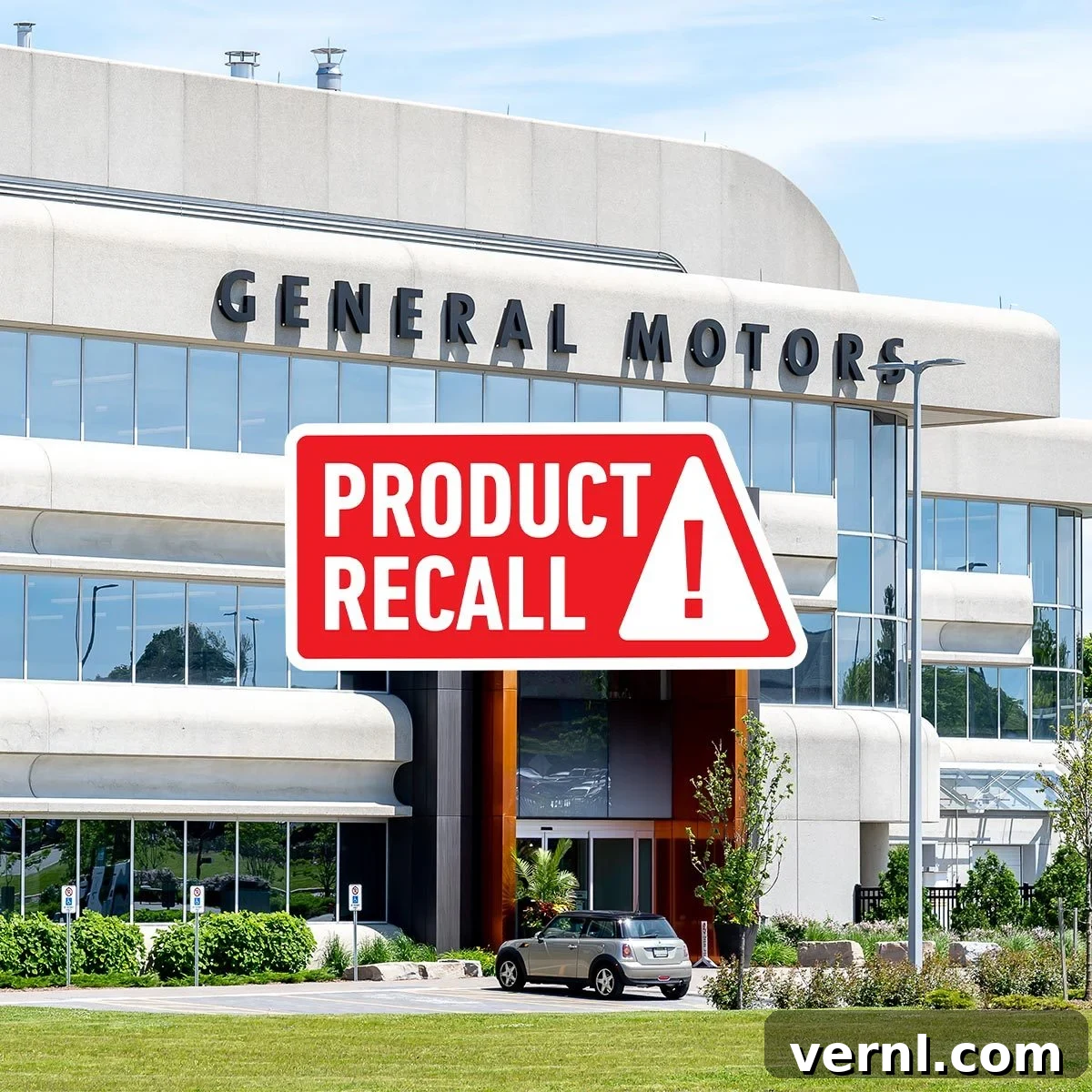
Urgent Recall: Nearly 600,000 GM Vehicles Face Engine Failure Risk
General Motors LLC (GM) has announced a significant safety recall affecting nearly 600,000 of its popular trucks and SUVs. This widespread recall impacts a range of Chevrolet, Cadillac, and GMC models, all equipped with a specific 6.2L V8 gas engine. Owners of these vehicles are urged to exercise extreme caution and take immediate steps to address this critical issue, as the defect poses a serious risk of engine failure, potentially leading to dangerous road conditions and increased accident vulnerability. This article provides a comprehensive overview of the affected vehicles, the underlying cause of the problem, GM’s proposed solution, and essential guidance for owners.
The National Highway Traffic Safety Administration (NHTSA) has detailed the severity of this recall, highlighting manufacturing defects in critical engine components. Understanding the potential dangers and the necessary actions to mitigate them is paramount for the safety of drivers, passengers, and others on the road. We delve into the specifics of this recall, offering clarity on what owners need to do to ensure their vehicle’s safety and get the necessary repairs free of charge.
Which GM Vehicles Are at Risk of Engine Failure? A Comprehensive List
The recall targets a broad spectrum of GM’s high-demand vehicles, specifically those manufactured across several model years and outfitted with the 6.2L V8 gas engine. The affected models include a mix of luxury SUVs, popular full-size SUVs, and robust pickup trucks, demonstrating the widespread nature of this manufacturing defect. If you own any of the vehicles listed below, it is crucial to stay informed and vigilant for official recall notifications.
According to the official NHTSA brief, GM is recalling approximately 592,763 vehicles. The list encompasses:
- 2021 Cadillac Escalade
- 2022 Cadillac Escalade
- 2023 Cadillac Escalade
- 2024 Cadillac Escalade
- 2021 Cadillac Escalade ESV
- 2022 Cadillac Escalade ESV
- 2023 Cadillac Escalade ESV
- 2024 Cadillac Escalade ESV
- 2021 Chevrolet Silverado 1500
- 2022 Chevrolet Silverado 1500
- 2023 Chevrolet Silverado 1500
- 2024 Chevrolet Silverado 1500
- 2021 Chevrolet Suburban
- 2022 Chevrolet Suburban
- 2023 Chevrolet Suburban
- 2024 Chevrolet Suburban
- 2021 Chevrolet Tahoe
- 2022 Chevrolet Tahoe
- 2023 Chevrolet Tahoe
- 2024 Chevrolet Tahoe
- 2021 GMC Sierra 1500
- 2022 GMC Sierra 1500
- 2023 GMC Sierra 1500
- 2024 GMC Sierra 1500
- 2021 GMC Yukon
- 2022 GMC Yukon
- 2023 GMC Yukon
- 2024 GMC Yukon
- 2021 GMC Yukon XL
- 2022 GMC Yukon XL
- 2023 GMC Yukon XL
- 2024 GMC Yukon XL
Owner notification letters are scheduled to be mailed out in early June 2025. While this timeline might seem distant, it is vital for owners of these models to remain aware and take proactive steps to confirm their vehicle’s status. Do not wait for the official letter if you suspect your vehicle is affected; checking your VIN with a GM dealership or the NHTSA website is highly recommended.
Why Is GM Recalling So Many Vehicles? Understanding the Engine Defect
The core of this significant recall stems from manufacturing defects within critical internal engine components. The National Highway Traffic Safety Administration (NHTSA) report indicates that “the connecting rod and/or crankshaft engine components may have manufacturing defects that can lead to engine damage and engine failure.” This issue is not merely a performance inconvenience; it represents a serious safety hazard. The NHTSA explicitly warns that “engine failure increases the risk of a crash,” underscoring the gravity of the situation.
To elaborate, the connecting rods are crucial components that connect the pistons to the crankshaft, converting the linear motion of the pistons into the rotational motion of the crankshaft. The crankshaft itself is the primary rotating component of the engine, responsible for transferring power to the transmission. If either of these components has a manufacturing defect, such as improper forging, material flaws, or incorrect dimensions, it can lead to catastrophic failure. This could manifest as unusual noises, a sudden loss of engine power, or complete engine seizure while the vehicle is in motion. Such an event, especially at highway speeds, could lead to loss of vehicle control, significantly increasing the likelihood of a collision and potential injury.
Given these severe risks, owners are strongly advised to take this recall seriously. Limiting vehicle use until your car can be inspected and repaired is a sensible precaution. Pay close attention to any unusual engine noises, vibrations, or performance changes, and pull over safely if you experience sudden power loss.
How Is GM Fixing This Engine Failure Problem? The Repair Process
General Motors is committed to addressing this critical safety recall by providing comprehensive repairs free of charge to affected vehicle owners. The repair process is designed to thoroughly inspect and rectify the potential engine defects, ensuring the long-term safety and reliability of the vehicles.
GM has outlined a clear plan for its dealerships: “dealers will inspect the engine, and as necessary, repair or replace the engine.” This indicates a two-pronged approach. Initially, trained technicians will conduct a detailed inspection to assess the condition of the connecting rods and crankshaft. Depending on the findings of this inspection:
- Repair or Replacement: If defects are identified, the dealership will either repair the specific faulty components or, in more severe cases, replace the entire engine assembly. This ensures that the root cause of the problem is completely eliminated.
- Preventative Measures for Compliant Engines: For vehicles that pass the initial inspection, meaning no immediate defects are found in the critical components, dealers will still perform crucial preventative maintenance. This includes adding higher viscosity oil, installing a new oil fill cap, replacing the oil filter, and updating the owner’s manual. These steps are likely intended to provide an additional layer of protection, potentially to compensate for any marginal manufacturing variances that might exist but are not severe enough to warrant a full component replacement. Higher viscosity oil, for instance, can offer better lubrication under certain operating conditions.
It is important to reiterate that all these repairs and preventative services will be performed completely free of charge to the owner. This covers parts, labor, and any associated costs. Therefore, there is no financial barrier to getting this essential maintenance done. Owners should not delay scheduling this vital service once they confirm their vehicle is part of the recall.
What Should Owners Do If Their Vehicle Is Affected by the GM Engine Recall?
Receiving a recall notification can be concerning, but taking prompt and informed action is crucial. If you own one of the GM vehicles listed, here are the recommended steps to ensure your safety and address the engine failure risk:
- Verify Your Vehicle’s Status: Even before receiving an official letter, you can proactively check if your specific vehicle is included in the recall. Visit the NHTSA recall website and enter your 17-digit Vehicle Identification Number (VIN). You can also contact your local Chevrolet, Cadillac, or GMC dealership with your VIN.
- Exercise Caution While Driving: If your vehicle is confirmed to be part of the recall, limit its use as much as possible until the repair can be completed. If driving is necessary, be extra vigilant for any unusual engine noises, warning lights, or changes in performance. If you experience sudden power loss or engine issues, safely pull over immediately and contact roadside assistance.
- Prepare for Notification: Owner notification letters are scheduled to be mailed in early June 2025. Keep an eye on your mailbox for this official communication from GM, which will contain detailed instructions on how to proceed.
- Schedule Your Service Appointment: Once you receive the notification or confirm your vehicle’s inclusion, contact your preferred authorized GM dealership as soon as possible to schedule the inspection and necessary repairs. Remember, these services are free of charge.
- Keep Records: Maintain records of all communications with GM or your dealership, including appointment confirmations, repair orders, and any associated documentation.
Your safety is the top priority. Do not underestimate the potential dangers of driving a vehicle with a known engine defect. Act responsibly and promptly to ensure your vehicle is safe for the road.
The Importance of Vehicle Recalls and Safety Standards
Vehicle recalls, while inconvenient, are a vital mechanism for ensuring public safety on the roads. They highlight the ongoing commitment of regulatory bodies like the National Highway Traffic Safety Administration (NHTSA) to hold manufacturers accountable for vehicle defects. The NHTSA’s role extends beyond just issuing recalls; they set safety standards, investigate potential defects, and enforce compliance to protect consumers. This GM engine recall is a testament to the rigorous scrutiny vehicles undergo to meet these standards.
For consumers, recalls underscore the importance of staying informed about their vehicle’s status. Ignoring a recall notice can have serious consequences, not only for personal safety but also potentially for insurance claims in the event of an accident caused by an unrepaired defect. Manufacturers, in turn, are obligated to address these issues promptly and free of charge, reflecting their responsibility to stand behind the safety and quality of their products. This system, though imperfect, is designed to reduce the risk of accidents and fatalities caused by manufacturing flaws, ensuring that vehicles on our roads meet a baseline of safety and reliability.
Contact Information for GM Recall Queries
Should you have further questions or need to discuss your specific vehicle’s eligibility and the repair process, you can reach out to the respective customer service departments for General Motors brands or the National Highway Traffic Safety Administration.
- For Cadillac owners, customer service can be reached at 1-800-333-4223.
- Chevrolet owners can contact customer service at 1-800-222-1020.
- GMC owners should call customer service at 1-800-462-8782.
When contacting GM customer service, be sure to clearly state that you are inquiring about GM recall number N252494000. This will help representatives quickly identify the specific recall and provide accurate information.
Additionally, you can always contact the NHTSA Vehicle Safety Hotline for general recall information or to report a safety concern. Their number is 1-888-327-4236. The NHTSA’s specific campaign number for this recall is 25V274000.
Source
Engine Failure, National Highway Traffic Safety Administration, 2025.
Related Articles:
- Do You Know What That Little Button on Your Seat Belt Is For?
- What Those Lines on Your Backup Camera Really Tell You
- Here’s What The Small Panel On Your Car’s Front Bumper Is For