Understanding Insulating Glass Failure: A Comprehensive Guide to Foggy Windows
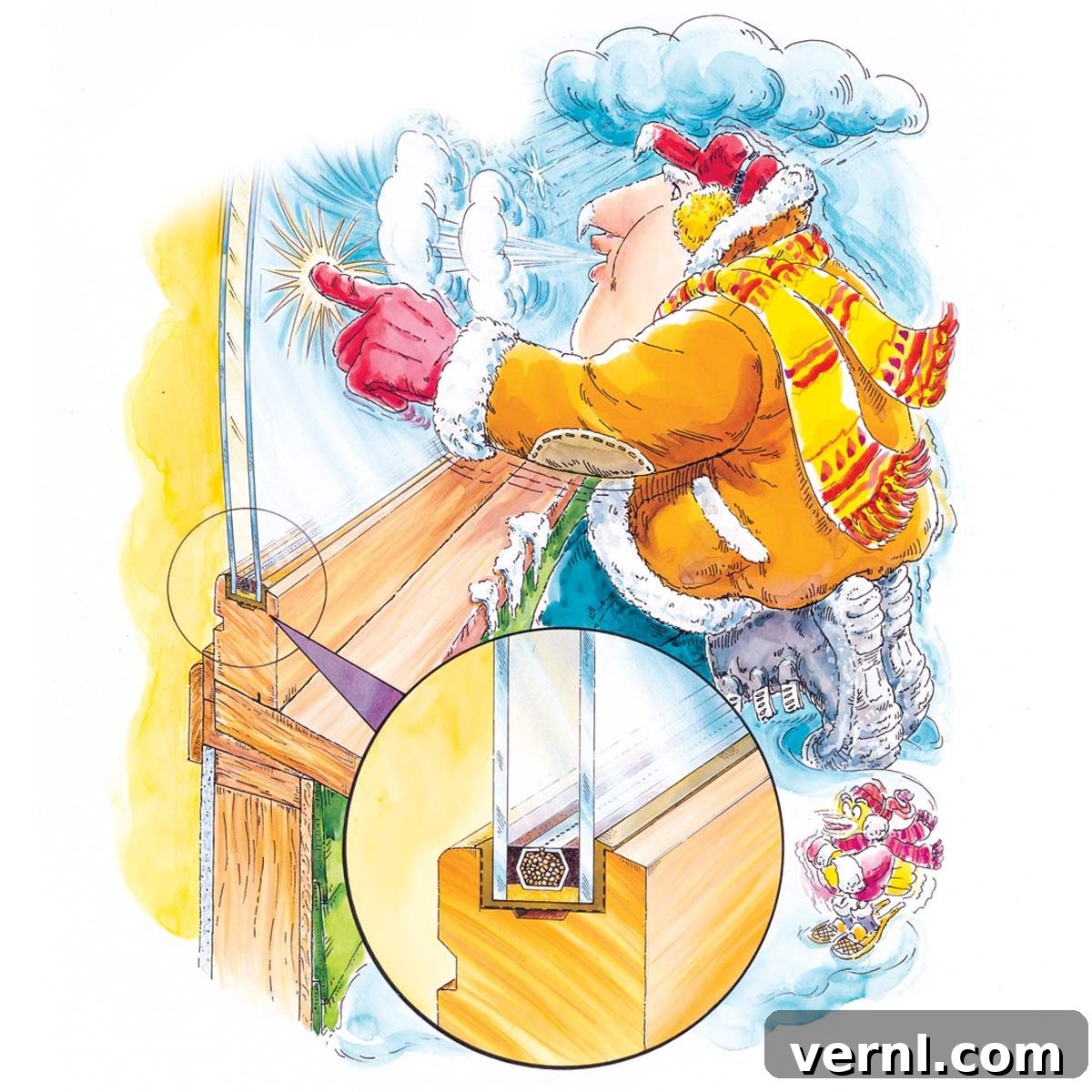
Imagine waking up one morning, only to find the pristine clarity of your double-pane windows or patio doors obscured by a persistent cloudiness. You instinctively wipe the inside, then the outside, but the haze remains stubbornly etched between the two panes of glass. This revelation – that the moisture is trapped within the sealed unit – marks your unwelcome entry into the “Insulating Glass Failure Club.” While the cloudiness might mysteriously vanish on some days, especially at night, it invariably reappears, growing progressively larger, thicker, and more obtrusive over time. This common household issue, known as insulating glass failure, not only diminishes your home’s aesthetic appeal but also compromises its energy efficiency and comfort.
How Modern Insulating Glass Works: The Science Behind Energy-Efficient Windows
Insulating glass (IG), widely known as “double-pane,” “Thermopane,” or “double-glazed” units, represents a significant advancement in window technology. Its primary purpose is to enhance a window’s thermal performance and energy efficiency. Traditional single-pane glass is a poor insulator, offering a mere R-value of approximately 1. (The R-value quantifies a material’s resistance to heat flow; higher values indicate better insulation.) In contrast, a standard insulating glass unit can achieve an R-value of about 2, a noticeable improvement, though still modest compared to a wall’s R-11. The secret to this improved insulation doesn’t lie merely in having two panes of glass, but in the meticulously sealed layer of air or inert gas trapped between them.
To further boost performance, manufacturers often fill the inter-pane space with specialized gases like argon or krypton. These inert gases are denser than air, slowing down heat transfer through convection and conduction, thereby increasing the R-value significantly. Advanced IG units may also incorporate additional panes of glass, specialized films, and sophisticated low-emissivity (low-E) coatings. Low-E coatings are microscopically thin, transparent metal layers applied to the glass surface, designed to reflect radiant heat. In winter, they reflect indoor heat back into the room, reducing heat loss. In summer, they reflect solar heat away, minimizing heat gain. With these enhancements, insulating values can soar to R-6 or even higher, transforming a window from an energy liability into an energy-saving asset.
Beyond their quantifiable insulating benefits, double-pane windows and doors profoundly impact indoor comfort. They feel warmer to the touch, dramatically reducing the potential for frost and condensation on the interior glass surface. This enhanced thermal barrier also minimizes cold drafts near windows, creating a more uniform and comfortable indoor temperature. The less tangible yet substantial benefits include reduced air conditioning costs during scorching summers and the passive harnessing of free solar heat in colder months, contributing to lower utility bills year-round and a smaller carbon footprint.
The construction of an insulating glass unit involves bonding two panes of glass together along their perimeter, maintaining a precise space—typically between 1/2-inch and 3/4-inch—between them (Fig. A). High-quality double-pane windows manufactured today typically feature a robust dual-seal system: an inner seal engineered for superior resistance against water infiltration, aging, and corrosion, and an outer structural seal that provides rigidity and strength to the unit. Should one seal falter, the other can temporarily compensate, delaying the onset of a broken window seal. However, some older or lower-quality windows may possess only a single seal, making them more vulnerable to premature failure.
Crucial to maintaining this inter-pane space is a hollow spacer, usually made of aluminum, but increasingly of “warm-edge” materials like structural foam or composite materials. This spacer rigidly separates the glass panes and often contains small beads of a moisture-adsorbing desiccant. This desiccant acts as a drying agent, designed to absorb any trace amounts of moisture that might have been trapped during manufacturing or that slowly penetrate a micro-leak in the seal. However, once the desiccant becomes saturated and can no longer absorb moisture, and moist air continues to infiltrate through a failing or broken seal, the window’s demise is inevitable. It becomes only a matter of time before the tell-tale fogging begins, marking the definitive failure of the insulating glass unit.
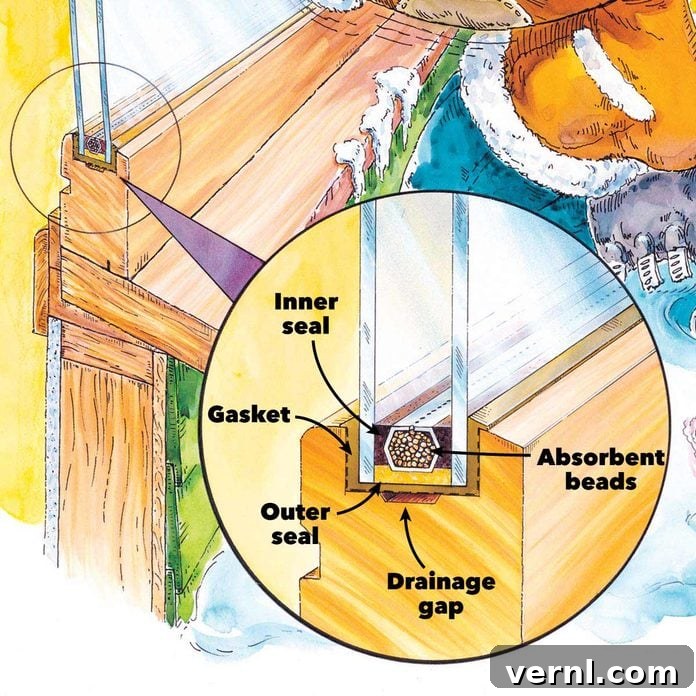
Figure A: Insulated Glass Windows – Anatomy of an IG Unit
Insulating glass seals are subjected to an incessant barrage of environmental stressors: extreme heat, biting cold, driving rain, relentless wind, and incidental impacts. Considering these harsh conditions, their overall performance is remarkably good. Even with a relatively low failure rate, typically ranging from 1 to 3 percent over their lifespan, the probability remains that at least one insulating glass unit in your home will eventually succumb to these forces and require attention.
Why Insulating Glass Units Fail: Common Causes of Broken Window Seals
The seals of insulating glass in windows and doors endure substantial stress throughout their operational life. They must be robust enough to withstand the jarring impact of opening and closing, yet flexible enough to accommodate the constant thermal expansion and contraction of the glass panes due to temperature fluctuations. These seals must retain their integrity, avoiding stiffening and brittleness in freezing conditions or softening and oozing in intense heat. Furthermore, they are constantly exposed to wind, hail, rain, damaging ultraviolet (UV) radiation from the sun, the natural degradation of old age, atmospheric pressure changes, and even accidental impacts. Despite these numerous challenges, modern double-pane windows exhibit remarkable resilience and reliability. Studies conducted by organizations like the Sealed Insulating Glass Manufacturers Association indicate that high-quality units, produced by their members and installed correctly, boast an impressive 1 percent failure rate after 10 years and a still-low 3 percent rate after 15 years.
The majority of issues, including foggy windows and broken window seals, stem from older units, those of lower quality, or those that were improperly installed. The leading causes of insulating glass failure are:
- Seal Breakdown Due to Water Exposure (Fig. B): Windows lacking adequate design features to prevent water from accumulating around the perimeter seals will inevitably fail prematurely. Prolonged exposure to standing water can slowly degrade the sealant materials, leading to tiny cracks and eventually a complete breach.
- Excessive Thermal Stress (Fig. C): Companies specializing in insulating glass replacement consistently report that a significant portion of their work involves windows with direct, prolonged sun exposure. Intense heat causes the glass panes to expand and then contract as temperatures cool. This incessant cycle of expansion and contraction exerts immense stress on the perimeter seals, gradually softening and weakening them. Over time, these seals develop microscopic cracks, allowing moist air to infiltrate the inter-pane space.
- Natural Degradation and Old Age (Fig. D): Even the most advanced and elastic sealants have a finite lifespan. Over decades, environmental factors, particularly UV radiation, cause the sealant materials to dry out, harden, and lose their flexibility. Eventually, these aged seals will develop micro-fissures, permitting moisture vapor to penetrate the sealed unit, leading to the characteristic fogging.
While a sudden impact rarely causes a healthy window’s seal to break outright, it can often be the final catalyst for a unit already compromised by one of the aforementioned issues. A minor impact on an already weakened or aged seal can be enough to create the opening for moisture intrusion.
Once windows exhibit significant fogging or moisture intrusion, the only truly viable and long-term solution is replacement of the insulating glass unit or the entire window. Attempting to “repair” a failed unit—by separating the panes, cleaning them, and resealing—is fraught with difficulties and rarely cost-effective. The glass often becomes “etched” by mineral deposits from the moist air, creating permanent blemishes that cannot be cleaned. Furthermore, thoroughly removing old sealants and achieving a perfectly tight, durable new seal is challenging, if not impossible, outside of a factory setting. Consequently, the labor and material costs for such a repair typically outweigh the benefits, making professional replacement the prudent choice. And frustratingly, once the seals begin to fail, there’s little a homeowner can do to prevent the inevitable progression of the damage.
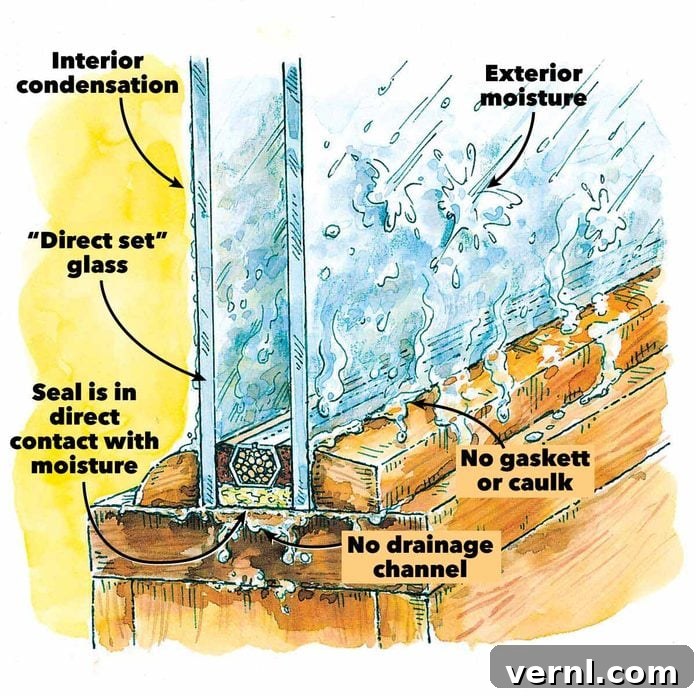
Figure B: Water Damage – A Threat to Window Longevity
Perimeter seals are particularly vulnerable to deterioration when they are consistently exposed to or sitting in water. The bottom seals, in particular, face this challenge. For optimal longevity, insulating glass units should be properly elevated within the window sash using small setting blocks. These blocks ensure the bottom seal remains above and away from any accumulating water. Additionally, the window sash must incorporate effective weep holes or drainage channels to facilitate water runoff and prevent pooling, thereby safeguarding the seals from premature failure.
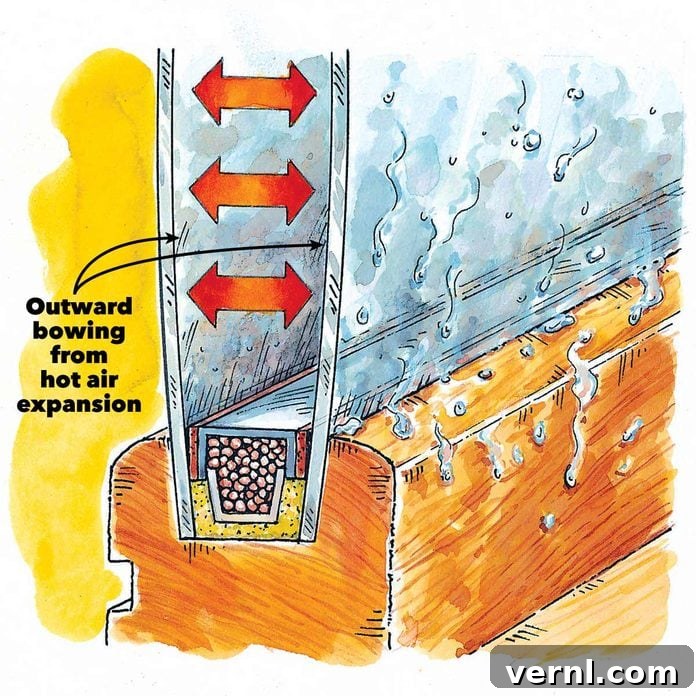
Figure C: Heat Damage – The “Mini-Pump” Effect
Intense solar radiation and high temperatures can cause perimeter seals to soften and weaken. Moreover, the air or gas trapped between the panes expands significantly when heated, creating internal pressure that can literally cause the glass panes to bow slightly outward. This continuous cycle of expansion and contraction, especially prevalent in windows facing direct sunlight (such as south-facing windows), transforms the window into a “mini-pump.” It repeatedly pushes out and pulls in outside air through any compromised points in the seal. If this incoming air is moist, it rapidly accelerates the insulating glass failure process, leading to fogging and condensation.
Figure D: Damage from Old Age – The Inevitable Deterioration
Over extended periods, perimeter seals inevitably dry out, lose their elasticity, and develop cracks due to continuous environmental exposure, particularly UV radiation. These fissures provide pathways for moist outside air to infiltrate the sealed unit, leading to characteristic fogging. Most reputable window manufacturers today offer warranties ranging from 10 to 20 years on their insulating glass units, a testament to their expected durability despite the constant abuse they withstand. However, even the best seals will eventually succumb to the rigors of time and weather.
Your Best Defense Against Insulating Glass Failure: Smart Purchasing and Diligent Maintenance
The single most effective strategy to protect your investment and prevent premature insulating glass failure is to purchase high-quality windows with a robust, long-term warranty from the outset. A 10 to 20-year warranty on the insulating glass unit is now considered standard in the industry, reflecting improved manufacturing techniques and materials. Some manufacturers even extend “lifetime” warranties, though it’s crucial to carefully read the fine print regarding coverage and transferability. Insulating glass units that are factory-mounted and sealed within the window frame benefit from controlled manufacturing environments and precise assembly, ensuring all necessary seals and safeguards are in place for maximum longevity.
For “direct-set glass” (Fig. B), which involves glass units cut to specific sizes and shapes and then installed into site-built frames by carpenters or homeowners, the risk of early failure is significantly higher if proper installation protocols are not rigorously followed. The perimeter seal is particularly susceptible to deterioration if essential setting blocks are omitted. These blocks are vital for elevating the bottom edge of the glass, keeping the seal up and away from potential moisture accumulation. Additionally, inadequate caulking and sealing where the glass meets the frame stops can leave critical vulnerabilities for water and air infiltration. Many manufacturers of direct-set glass will only honor their product warranty if the installation is performed by their certified professionals. While this might entail a higher initial installation cost, it often proves to be a wise investment, leading to a much longer-lasting, trouble-free window.
Homeowners play a crucial role in prolonging the life of their windows through periodic inspections and proactive maintenance. Regularly examine the window frame, sash, and seals for any signs of separation, cracking, or deterioration. Separated sash frames can create pathways for moisture to reach and compromise the insulating glass seals. Any visible gaps or degrading perimeter seals should be promptly re-caulked or re-sealed to prevent further water and air intrusion. Another effective measure to protect your double-pane windows is to prevent excessive moisture accumulation on or around them. Ensuring good air circulation, both indoors and outdoors, can help dissipate humidity. Keeping window frames clean and well-sealed with paint or appropriate finishes also adds an extra layer of protection against the elements. Most reputable glass manufacturers include their brand name or identification, along with a manufacturing date or date code, discreetly near the spacer or at the bottom edge of the glass. This information is invaluable for determining if a failed glass unit is still covered under warranty, simplifying the replacement process.
Ultimately, the most powerful safeguard against future window failure, the frustration of foggy windows, and the expense of recurring repairs is to invest in a high-quality window from a reputable manufacturer right from the beginning. In the world of windows, as with many things, you truly get what you pay for. Choosing energy-efficient windows with advanced features, robust seals, and a comprehensive warranty, installed by experienced professionals, is the best decision for long-term comfort, energy savings, and peace of mind.