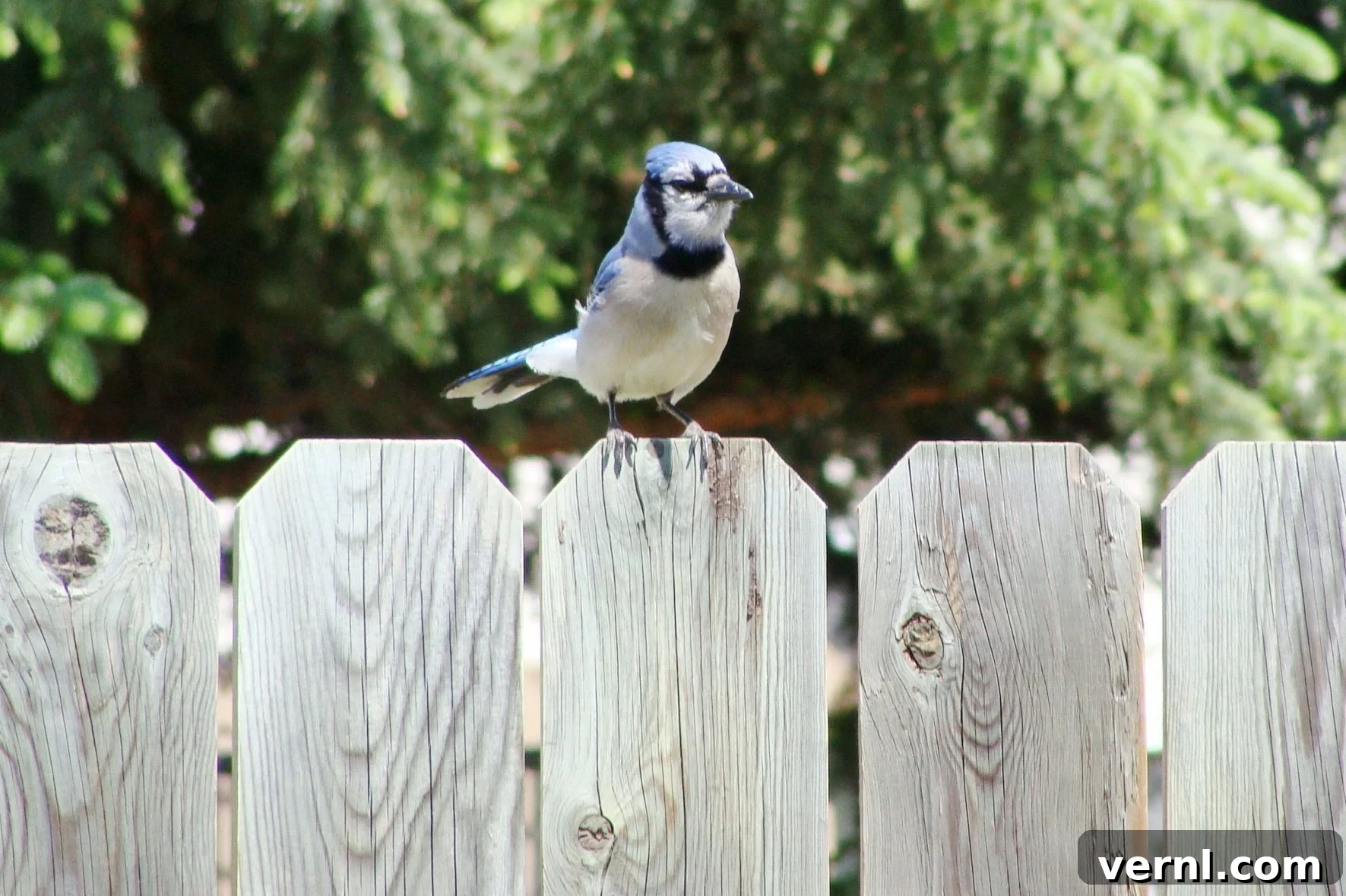
To humans, fences and dividing walls are such a fundamental and ubiquitous part of our daily landscape that we often take them for granted. They define property lines, ensure privacy, and contain livestock or pets. Yet, when viewed from the perspective of a deer, a turtle, or a migrating bird, these seemingly innocuous structures transform into formidable barriers, impeding essential life activities such as foraging for food, accessing vital water sources, migrating to breeding grounds, or seeking shelter.
Poorly designed or maintained fences pose significant threats to wildlife. They can inadvertently divert animals onto busy roads, leading to dangerous encounters with vehicles, or trap young and inexperienced animals, leaving them vulnerable to predators, starvation, or exposure. This growing concern highlights the critical need for thoughtful fence design that prioritizes both human needs and ecological harmony.
“Once you start to observe, fencing is truly everywhere,” notes Christine Paige, a distinguished wildlife biologist and the author of A Landowner’s Guide to Wildlife Friendly Fences. “And the proliferation of new fences continues constantly. However, what is truly encouraging is the increasing adoption of miles upon miles of wildlife-friendly fencing. While these recommendations have existed since the 1960s, we now possess robust scientific backing, which is fueling their widespread acceptance and implementation.”
Whether your home is situated on a sprawling ranch, within a bustling suburban neighborhood, or in the heart of a vibrant city, embracing wildlife-friendlier fencing practices fosters a more balanced and harmonious coexistence with our wild neighbors. This includes a diverse array of species, from majestic elk and cunning foxes to elusive bobcats, industrious crabs, and delicate quail. By making conscious choices in fence design, we can mitigate negative impacts and contribute positively to local ecosystems. Here, we present innovative ideas and practical guidelines for either modifying your existing fence or constructing a new one that is more compassionate and compatible with local wildlife. Additionally, explore whether coyotes can jump fences to better understand predator dynamics.
Understanding the Attributes of a Wildlife-Friendly Fence
A fence designed with wildlife in mind is more than just a boundary; it’s a permeable edge that allows animals to move safely and freely within their natural habitats. These fences are thoughtfully engineered to minimize entanglement, reduce injuries, and prevent the creation of impassable obstacles. Their characteristics reflect an understanding of various animal behaviors and physical capabilities, promoting a landscape where both humans and wildlife can thrive. When considering a new installation or an upgrade, prioritizing these features ensures your fence contributes positively to the local ecosystem.
Fences that are genuinely friendly to wildlife universally share these crucial characteristics:
- Optimal Height for Jumping: The fence must be low enough to allow agile animals, such as deer and elk, to safely jump over it without risking injury or entanglement. An ideal top height often prevents animals from attempting to squeeze through narrow gaps, which can lead to severe injuries.
- Sufficient Ground Clearance for Crawling: The bottom wire or rail must be elevated enough from the ground to permit smaller animals, including fawns, coyotes, badgers, and even turtles, to crawl underneath without getting snagged or trapped. This critical clearance prevents young animals from being separated from their mothers or herd.
- Taut and Secure Wires: All wires must be kept taut, with no loose, sagging, or broken sections. Loose wires are a major cause of entanglement, leading to stress, injury, or even death for wildlife attempting to navigate the fence. Regular maintenance is key to preventing these dangerous situations.
- Ample Spacing Between Cross Wires or Beams: The design should incorporate generous spacing between horizontal wires, rails, or beams. This prevents animals from attempting to push through tight gaps, reducing the risk of head, neck, or leg entanglement, especially for those with antlers or horns.
- High Visibility for Running Animals and Flying Birds: Fences should be easily discernible to fast-moving animals and birds, particularly at dawn, dusk, or in low-light conditions. Materials and designs that stand out against the background reduce collisions, which can be fatal for both terrestrial and avian species.
- Unimpeded Essential Pathways and Habitat Connectivity: A wildlife-friendly fence never blocks crucial animal movement corridors, migration routes, or access to essential resources like water, food, and cover. Understanding local wildlife patterns before installation is paramount to maintaining ecological connectivity.
- Avoidance of Three-Dimensional Obstacles: Complex fence designs, such as buck fences with their intersecting diagonal timbers, can create confusing and dangerous three-dimensional obstacles. These structures significantly increase the risk of entanglement and injury for animals attempting to cross.
- Elimination of Impaling or Snagging Hazards: The fence structure should be free of sharp points, jagged edges, or any components that could impale, snag, or injure leaping or crawling animals. This includes avoiding barbed wire at crucial heights and ensuring smooth top rails.
Another common fence design pitfall is failing to understand which specific animals frequent your property and their movement requirements. Before embarking on building a fence, it’s highly recommended to adopt a detective’s mindset. Invest time in observing your surroundings to ascertain the types of wildlife present and their specific needs concerning passage and habitat use.
“Look for tracks, especially during winter months when they are more visible,” advises Paige. “Is there a small gully or a natural stream nearby that animals frequently use as a travel corridor? Can you identify existing game trails through the vegetation?” Deploying a camera trap can also provide invaluable insights into nocturnal visitors and established animal pathways. Furthermore, have you considered the aesthetic and ecological benefits of adding a living fence? This involves cultivating a dense row of plants that serve as a natural, permeable barrier around your property or garden, offering both functionality and habitat.
Choosing the Optimal Wildlife-Friendly Fence Solution
The initial and most fundamental question for every landowner or homeowner contemplating a fence installation should always be: “Do I genuinely need to erect a fence, or can a much simpler, less intrusive solution suffice?” emphasizes Christine Paige. “It’s essential to critically ask yourself whether the primary motivation for your fence is simply to delineate ownership, asserting ‘This area is mine, these are my boundaries,’ rather than serving a practical containment or protective purpose.”
If the primary objective is indeed property demarcation rather than robust containment, numerous natural and less obtrusive alternatives exist. Consider utilizing natural borders such as thoughtfully planted native hedgerows, which provide both aesthetic appeal and valuable wildlife habitat, or strategically placed large, attractive boulders. These elements can effectively define your property line without resorting to a traditional, solid fence that might impede wildlife movement. Even if a physical barrier is desired, opting for a short, open-design fence is a far more wildlife-friendly choice. Envision low posts connected by a simple cable or an elegant chain, or the classic rustic appeal of a split-rail fence. These designs offer a visual boundary without creating an impenetrable wall.
“The goal should be to create a barrier that animals can easily step over or comfortably slip under,” Paige advises. “For a compact suburban lot, such a minimalist approach is frequently all that’s truly necessary, assuming any fencing is needed at all.” Should you decide to install a fence, it is imperative to steer clear of iron fences featuring sharp spikes or narrow bars. These designs pose significant risks, as they can easily impale or trap deer and other animals attempting to cross, leading to severe injuries or fatalities. Prioritizing open, easily navigable designs is a crucial step towards fostering wildlife harmony on your property.
Strategic Exclusion Fences for Targeted Protection
It is often unnecessary to encircle your entire property with fencing. Instead, a more effective and wildlife-friendly strategy can be to employ targeted exclusion fences to protect specific areas or valuable assets. This approach allows you to safeguard vulnerable zones, such as a thriving garden, a collection of hay bales, or simply to ensure a cherished dog remains safely within your yard, without imposing a restrictive barrier across the entire landscape. Exclusion fences are typically designed to contain a relatively small area, utilizing either a high, robust barrier or an electric fence for maximum effectiveness.
“Many individuals these days are opting to keep backyard chickens and beehives, and these ventures often present unique challenges because we absolutely need to deter bears and various sizes of predators,” explains Christine Paige. “Electrifying chicken coops and the immediate perimeter around the coop where chickens feed is incredibly important. This measure significantly reduces conflicts with wildlife, thereby enabling successful coexistence between your domestic animals and the wild inhabitants of the area.”
The judicious application of electricity proves remarkably effective in deterring a wide array of predators. While the concept of installing an electric fence might initially seem daunting or complex, it’s important to remember that you don’t have to tackle it alone. Numerous resources and experienced professionals are available to assist with proper setup and safety. State fish and game agencies, for instance, often provide guidance and support, and local conservation nonprofits frequently offer assistance programs or connect landowners with knowledgeable experts. These resources can help ensure that your electric fence is installed safely, effectively, and in compliance with local regulations, providing peace of mind and robust protection for your property and animals.
Designing for Safe Passage: Over and Under the Fence
The most effective wildlife-friendly fences are those that ingeniously facilitate animal movement, allowing them to either effortlessly jump over or smoothly slide underneath. This design philosophy is particularly critical for ungulates – animals with hooves such as deer, elk, and moose – who frequently traverse vast landscapes. The latest scientific research and best practices for ungulate-friendly fencing strongly advocate for specific design elements to prevent entanglement, a common and often fatal issue.
A key recommendation is the incorporation of a solid, visible top rail or wooden bar. This element serves a dual purpose: it provides a clear visual cue for animals preparing to jump, and its sturdy nature significantly reduces the risk of entanglement that thin wires can pose. For optimal safety and clearance, this top rail should ideally be no higher than 40 inches from the ground. However, if the fence is situated on a slope, a crucial adjustment must be made; the effective height should be considered lower, as it is considerably more challenging for an animal to clear an obstacle when approaching from a downhill position. Therefore, on sloped terrain, reducing the fence height further is a wise and compassionate choice.
Below the top rail, the spacing of subsequent wires is equally vital. The second wire from the top should be positioned at least 12 inches away from the first. This generous gap is specifically designed to prevent the legs of deer, elk, and other ungulates from becoming entangled during their jumps, allowing for a safer passage. Furthermore, the bottom wire of the fence demands careful consideration. It should maintain a minimum clearance of 18 inches from the ground. This ample space is absolutely essential for young animals – including fawns, elk calves, and young moose – enabling them to safely slip underneath the fence without becoming trapped or injured. Crucially, this bottom wire should always be smooth, not barbed. Barbed wire at this height poses an extreme entanglement and laceration risk to animals attempting to crawl under, making smooth wire a non-negotiable feature for true wildlife friendliness.
“Young animals, such as fawns, elk calves, and moose calves, all inherently need to slip under fences to follow their mothers and access vital resources,” emphasizes Paige, highlighting the critical importance of sufficient ground clearance in fence design. By adhering to these well-researched specifications, landowners can create fences that truly harmonize with wildlife movement patterns, significantly reducing injuries and promoting healthier animal populations.
Implementing Easy Exits and Escape Routes
Thoughtfully placed gates are much more than mere access points for humans and vehicles; they serve a critical function in wildlife management by allowing animals to pass through migration corridors or safely escape from enclosed areas within your property. This functionality becomes particularly vital if your land is situated within a known migration pathway, where large herds of animals like elk or pronghorn regularly move between seasonal habitats. In such contexts, actively engaging in seasonal fence management can have profound positive impacts. This might involve completely opening gates or even temporarily removing sections of fencing during peak migration periods, ensuring uninterrupted and safe passage for these animals.
Beyond facilitating migration, gates also act as crucial escape routes for animals that may inadvertently find themselves trapped within your property. As Paige advises, “It’s highly beneficial to have a gate situated in a corner that is easily opened. This provides a quick and accessible escape route if an animal, such as a young fawn, becomes disoriented and trapped within the fenced area.” Such a provision can be a lifesaver, allowing for prompt intervention and the safe release of distressed wildlife, preventing potential injury, starvation, or predation. Proactive planning for easy exits demonstrates a deep commitment to responsible land stewardship and wildlife welfare.
Maintaining Visibility and Structural Integrity
The maintenance and visibility of your fence are paramount for ensuring wildlife safety. Loose or sagging wires significantly increase the risk of animal entanglement, transforming a simple barrier into a dangerous trap. Animals, particularly those moving quickly or in low light, can easily become snared in poorly maintained fencing, leading to severe injuries, stress, or even death. Therefore, regular inspections and prompt repairs are not just good property management; they are essential for protecting local wildlife.
Similarly, single-strand wires, especially those that are thin or blend into the background, pose an insidious threat because they are notoriously difficult for animals to perceive. This lack of visibility can lead to collisions, particularly for fast-moving ungulates or low-flying birds. To enhance fence visibility and reduce these risks, several effective strategies can be employed. Attaching highly visible flags or colorful ribbons at regular intervals along the top wire provides crucial visual cues. Alternatively, threading PVC pipe, polywire, or poly tape onto the top wire creates a more substantial and easily seen barrier without altering the fence’s primary function. For the top wire itself, opting for double-stranded smooth wire offers superior visibility compared to a single strand, making it a safer choice for wildlife. This improved visibility is especially critical in expansive meadows or areas adjacent to waterways, where birds are frequently in flight, and animals often move at higher speeds. A well-maintained and highly visible fence is a testament to responsible land stewardship and a commitment to wildlife conservation.
The Perils of Chainlink Fencing for Wildlife
While chainlink fences are a common and durable choice for many residential and commercial properties, they present significant and often overlooked challenges for smaller wildlife species. The intricate mesh design, while effective for containment, becomes an almost impenetrable barrier for animals that attempt to crawl through or over it, making chainlink fence repair a frequent concern for homeowners.
“Chainlink, often referred to as cyclone fence, is particularly problematic for smaller animals such as turtles, various species of land crabs, armadillos, and foxes,” explains Paige. “These animals frequently get blocked and cannot navigate through the tight diamond-shaped openings. They can become trapped, injured, or simply unable to access vital parts of their habitat.” The rigid, interlocking wires offer no flexibility, making it impossible for animals to squeeze through without risking severe entanglement or lacerations.
For these smaller creatures, fence designs that are much more open and allow for easy passage are incredibly important. Prioritizing alternatives with wider gaps, smooth surfaces, or designs that permit under-passage can make a world of difference for the “little guys” who are often overlooked in fence planning. Opting for more wildlife-friendly designs ensures that these smaller, often vulnerable species can move freely and safely within their environment, maintaining healthy ecosystems and preventing unnecessary harm.
Valuable Resources for Upgrading Your Fence to Be Wildlife-Friendly
Embarking on the journey to modify your fence for greater wildlife compatibility is a commendable effort, and thankfully, a wealth of resources exists to guide you. To gain a deeper understanding of specific, actionable ways to adapt your existing fence or design a new one, consider downloading Christine Paige’s comprehensive brochure. This invaluable guide has become a widely recognized standard for creating wildlife-friendlier fences, not just across the United States but also in various other countries, offering practical advice rooted in scientific expertise.
If you are the owner of larger acreage, particularly in Western ranch lands where old, often problematic barbed-wire fencing is prevalent, numerous organizations are specifically dedicated to assisting landowners. These groups can provide crucial support in removing or modifying outdated fences, transforming them into structures that are significantly more wildlife-friendly while simultaneously being tailored to your unique property needs and objectives. Furthermore, these organizations possess the expertise to inform you if your property is situated within a critical wildlife migration corridor, which profoundly influences optimal fence design and management.
Key organizations that can offer assistance include your state’s fish and wildlife agency, which often provides local guidance and resources. The Natural Resource Conservation Service (NRCS), a federal agency, offers technical assistance and financial incentives for conservation practices, including wildlife-friendly fencing. County conservation districts are also excellent local resources, providing tailored advice and connections within your community. Additionally, various local and regional conservation nonprofits are actively engaged in hands-on fence modification projects and landowner outreach. For those concerned specifically with elk populations, the Rocky Mountain Elk Foundation is a prominent organization dedicated to elk habitat conservation, often involved in fence modification initiatives. If your operations include grazing cattle, it’s also worth exploring innovative solutions like virtual fencing, which uses technology to manage livestock movement without physical barriers, offering an advanced approach to land management and wildlife coexistence. These diverse resources ensure that landowners have access to the knowledge, support, and sometimes even funding, to implement fencing solutions that benefit both their property and the rich biodiversity around them.
Embracing Harmony: Your Role in Wildlife-Friendly Fencing
In conclusion, the decision to install or modify a fence offers a unique opportunity to contribute positively to the health and vitality of local wildlife populations. By consciously moving beyond traditional, often problematic fencing practices, and instead adopting designs that prioritize animal movement, visibility, and safety, we can foster a landscape where humans and wildlife coexist harmoniously. The insights from experts like Christine Paige and the readily available resources from conservation organizations empower every landowner to make informed choices. Whether it’s opting for lower fence heights, ensuring adequate ground clearance, making wires visible, or strategically placing gates, each modification is a step towards a more compassionate and ecologically sound environment. Embracing wildlife-friendly fencing is not just about safeguarding animals; it’s about enriching our shared natural heritage and building a future where our boundaries define coexistence, not exclusion.