
Unlock a Greener Lawn: The Ultimate Guide to Winter (Dormant) Seeding
Achieving a lush, vibrant lawn is a common goal for homeowners, yet it often comes with its challenges. Regardless of your location or the specific grass variety you choose, two fundamental elements are absolutely non-negotiable for successful lawn establishment: impeccable seed-to-soil contact and consistent, adequate moisture. These are the cornerstones that ensure your seeds germinate, sprout, and develop into a resilient turf.
While many methods exist for reseeding your lawn, one highly effective, yet often overlooked, technique is rapidly gaining recognition: winter seeding. This innovative approach offers a strategic advantage, allowing nature to do much of the heavy lifting. Instead of waiting until the spring rush, you can leverage the dormant period to set your lawn up for success.
Traditionally, late fall lawn work primarily involves tasks like raking leaves and properly coiling garden hoses for winter storage. But what if you could add a crucial step to that list – lawn seeding? Also known as dormant seeding, this practice involves strategically sowing grass seed in late autumn, just before the ground freezes solid. This simple shift in timing can liberate you from the intense demands of spring seeding, allowing you to enjoy an earlier, healthier green-up.
My extensive knowledge of winter grass seeding stems from my professional journey, which began in the competitive turfgrass industry. I launched my career working for an international seed company, where I played a pivotal role in developing their lawn seed division. This experience provided me with an intimate understanding of seed science, germination dynamics, and turf establishment. Today, I dedicate my expertise to advising sports turf managers, lawn care professionals, and property management companies, guiding them on the most effective strategies to transform humble grass seed into breathtakingly lush and durable turf.
Winter seeding can be an ideal solution for your lawn if you reside in regions where cool-season grasses thrive. Varieties such as Kentucky bluegrass, fine fescues, and perennial ryegrass are particularly well-suited for this method. The key geographical indicator is an area where soil temperatures consistently drop below 40 degrees Fahrenheit during the winter months. Understanding this crucial environmental factor is the first step towards determining if dormant seeding is right for your lawn. Here’s everything you need to know to harness the power of winter for a stronger, greener lawn.
What Is Dormant Seeding?
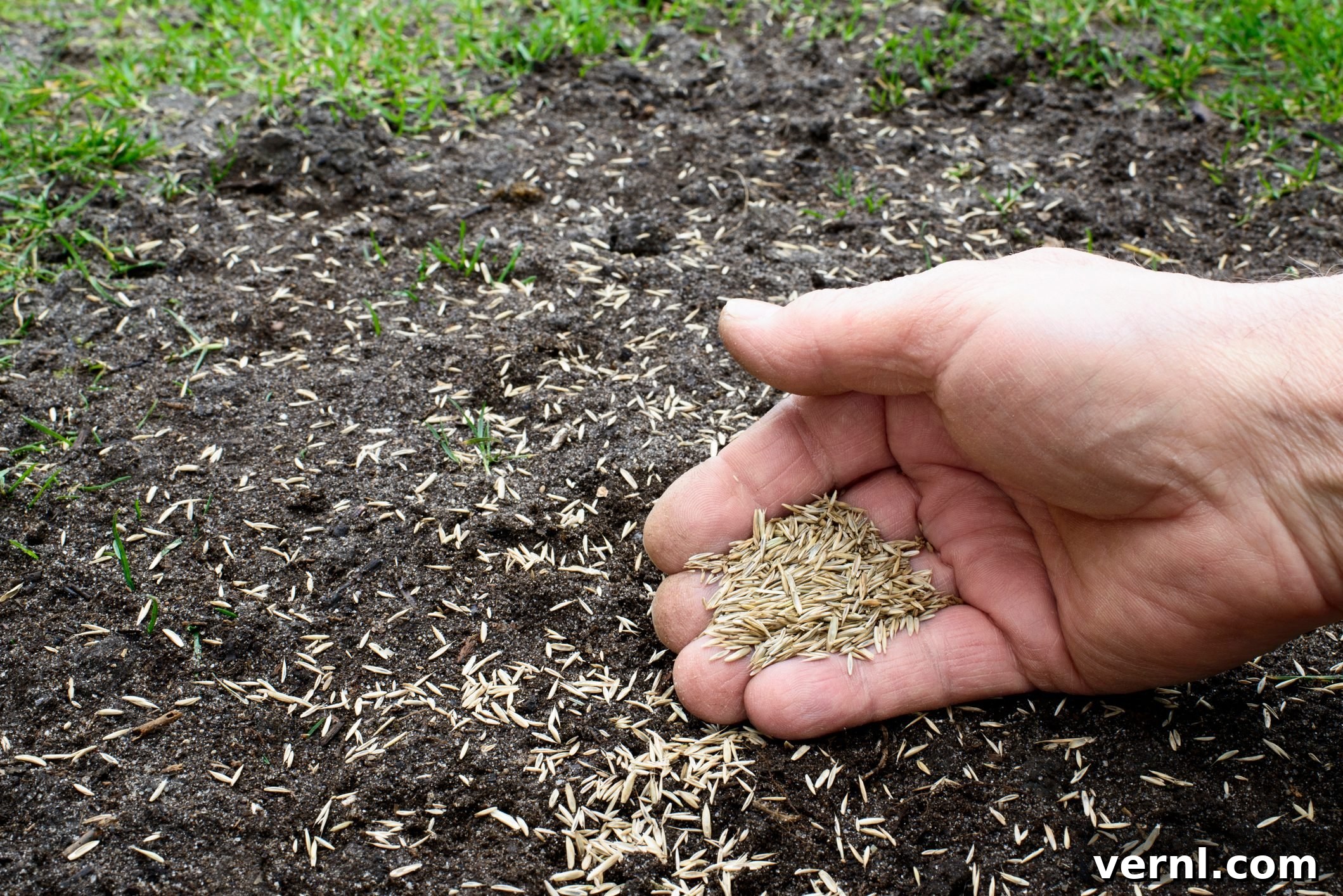
Dormant seeding is a specialized lawn care practice that involves sowing grass seed in late fall or early winter, with the explicit understanding that the seed will not germinate immediately. Instead, the seeds remain inactive, or “dormant,” throughout the frigid winter months. This period of dormancy is crucial; it allows the seeds to undergo natural stratification processes, preparing them for robust growth when conditions become favorable.
As winter gives way to spring, and soil temperatures gradually begin to rise, the dormant seeds awaken. They benefit immensely from the naturally abundant moisture provided by melting snow and spring rains, along with the warming soil. This natural timing often leads to earlier germination and a more vigorous establishment compared to traditional spring planting. The newly emerged seedlings can then develop a stronger root system before the intense heat and dry conditions of summer set in, giving them a significant head start. Essentially, dormant seeding leverages nature’s cycle to ensure optimal germination conditions, leading to a denser, healthier turf that greens up earlier and thrives throughout the growing season.
What Is the Optimal Time to Plant Winter Grass Seed?
The success of dormant seeding hinges critically on precise timing. The fundamental principle is to plant your grass seed when soil temperatures are consistently too cold to trigger immediate germination, yet before the ground freezes solid for the season. This “sweet spot” prevents premature sprouting, which would inevitably lead to the death of vulnerable seedlings from frost and freezing temperatures.
To accurately monitor your soil conditions, investing in an inexpensive soil thermometer is highly recommended. These tools are readily available online or at any local garden center and are indispensable for tracking soil warmth or coldness. If you observe soil temperatures hovering around 50 degrees Fahrenheit, it’s still too early to proceed with dormant seeding. At this temperature, there’s a risk that some grass varieties, particularly perennial ryegrass, might germinate prematurely. It’s best to wait a couple of weeks and recheck the soil temperatures.
It’s worth noting that soil temperatures can exhibit significant variations even within a single lawn. Factors such as soil type (sandy soils warm and cool faster than clay), proximity to heat-absorbing surfaces like patios, driveways, and street curbs, and the degree of sun exposure versus heavy shade can all influence localized temperatures. The ideal window for dormant seeding opens once soil temperatures are consistently below 45 degrees Fahrenheit, and preferably even lower, closer to 40 degrees Fahrenheit. This temperature range ensures that the seeds remain dormant through the winter, ready to burst to life when spring arrives.
Dormant seeding yields its best results when Mother Nature actively participates, ideally by blanketing the seeded areas with a consistent layer of snow shortly after sowing. This snow cover acts as a natural insulator, protecting the dormant seeds from harsh winds that could blow them away and from hungry birds seeking an easy meal. Think of it as a soft, white, fluffy layer of mulch that shields your precious seeds, maintains consistent soil moisture, and prevents erosion, creating a perfect environment for them to safely await spring’s arrival.
What Is the Best Way to Winter Seed?
The practical steps for winter seeding aren’t drastically different from those involved in overseeding your lawn during the traditional spring or fall seasons. However, there are crucial nuances and specific considerations that ensure the success of this dormant approach. Careful attention to these details will maximize your chances of achieving a thick, healthy lawn next spring. Here’s a comprehensive guide on what to do – and, just as importantly, what not to do – for optimal winter seeding results.
-
Choose the Right Seed Mixture
Selecting the appropriate grass seed blend is paramount for dormant seeding success. Focus on mixtures with a high percentage of cool-season grasses known for their excellent cold hardiness and dormancy characteristics, such as Kentucky bluegrass and fine fescues (creeping red, chewings, hard, and sheep fescues). These varieties are perfectly suited to remain dormant through winter and germinate reliably in spring. It’s advisable to limit the amount of perennial ryegrass in your seed mix to no more than 25%. Perennial ryegrass germinates in cooler soil temperatures than other cool-season grasses and carries a higher risk of premature sprouting during an unseasonably warm spell in late winter or early spring. Such early germination would leave tender seedlings vulnerable to subsequent killing frosts, negating the benefits of dormant seeding. Always opt for high-quality, fresh seed from a reputable supplier to ensure good viability.
-
Prepare the Ground Thoroughly
For optimal seed-to-soil contact, which is essential for successful germination and establishment, you must properly prepare the seeding area. Begin by removing any debris, such as leaves, thatch, or dead grass. Then, aggressively scratch bare ground and loosen the top 1/2 to 1 inch of soil. This can be done effectively with a rake, a dethatching tool, or even a specialized lawn aerator for larger areas. Loosening the soil creates small pockets where seeds can settle and ensures they are in direct contact with the soil, rather than just lying on the surface. Good soil contact prevents seeds from drying out, being washed away, or becoming bird food.
-
Level Any Low Spots
If you notice any depressions or low spots in your lawn, now is the ideal time to address them. Add good quality topsoil or a soil-compost blend to level these areas. A smooth, even surface promotes uniform germination and growth, prevents water pooling, and makes mowing easier and more consistent in the future. Ensure the added soil is well integrated with the existing ground.
-
Apply Seed at the Correct Rate
Apply your chosen grass seed at a rate of approximately 12 to 16 seeds per square inch. This translates to roughly four to five pounds of seed per 1,000 square feet for most cool-season blends. While this might seem slightly higher than typical spring or fall seeding rates, it accounts for natural attrition that can occur over winter due to environmental factors, providing a buffer for successful establishment. Use a broadcast spreader for larger areas to ensure even distribution, or apply by hand for smaller, patchy spots.
-
Ensure Firm Seed-to-Soil Contact
After spreading the seed, lightly rake the area to ensure the seeds are gently incorporated into the loosened soil, but not buried too deeply. The goal is to achieve shallow incorporation, about 1/8 to 1/4 inch deep. Following the light raking, tamp the seed firmly into the soil. This crucial step can be done with a lawn roller or by walking over the area with your feet, applying firm pressure. You’ll know the seed is firm enough when your shoe leaves a shallow but noticeable imprint. Tamping maximizes seed-to-soil contact, prevents seeds from being displaced by wind or water, and helps them retain moisture for eventual germination.
-
Skip Starter Fertilizer Application
When dormant seeding, it is imperative to skip the starter fertilizer application at the time of planting. Starter fertilizers are designed to promote immediate root and shoot growth, which is precisely what you want to avoid during the dormant period. Applying fertilizer now could encourage premature germination during a warm spell, leading to the death of young seedlings when temperatures inevitably drop again. Instead, wait until next spring, when your soil temperatures have consistently reached 50 degrees Fahrenheit and the seeds have begun to germinate naturally. At that point, a starter fertilizer will provide the necessary nutrients for robust seedling development.
-
Initial Watering (If Possible)
Ideally, you should provide a light watering at the time of seeding to help settle the seeds into the soil. However, this can be problematic if you’ve already disconnected and drained your outside spigots for winter. If your outdoor watering system is shut down, you can still lightly water smaller areas using a watering can. The goal is not to soak the ground, but to provide just enough moisture to help the seeds settle and establish initial contact. If a natural rain or snow event is predicted shortly after you seed, this initial watering may not be necessary. If no natural moisture is expected, a light watering, even if carried out with a can, can be beneficial.
-
Do Not Mulch Winter-Seeded Areas
Unlike traditional seeding, where a light layer of straw mulch is often recommended to conserve moisture and prevent erosion, you should avoid mulching dormant-seeded areas. Applying wet, soggy mulch in the spring can create an overly moist, poorly aerated environment around the seeds. This can lead to various problems, including inhibiting germination, promoting fungal diseases, and even creating conditions favorable for weeds. The natural insulation provided by winter snow cover is generally sufficient and far more beneficial.
-
Avoid Pre-Emergent Crabgrass Preventer in Spring
This is a critical “don’t do.” Do NOT apply a pre-emergent crabgrass preventer to your newly dormant-seeded areas in the spring. Pre-emergent herbicides work by creating a chemical barrier in the soil that prevents any seeds from germinating – this includes your desired grass seeds! Applying a pre-emergent will effectively kill off all the hard work you put into dormant seeding. For weed control in these specific areas, plan to hand-pull any weeds that emerge or use selective post-emergent herbicides once your new grass is well-established (typically after it has been mowed a few times). Always read product labels carefully and ensure they are safe for newly seeded lawns.
How to Care for Winter-Seeded Grass in the Spring
Once your dormant-seeded lawn begins to show signs of life in the spring, consistent and appropriate follow-up care is essential to ensure the healthy establishment and longevity of your new grass. This phase is just as important as the initial seeding process and requires careful attention to watering, mowing, and nutrient application.
Watering Newly Germinated Grass
As your grass seeds germinate and emerge, it’s crucial to keep the soil consistently moist, but never waterlogged or muddy. Overly wet conditions can lead to fungal diseases, while overly dry soil will cause tender seedlings to perish quickly. Initially, light and frequent waterings are recommended to keep the top inch of soil consistently damp without creating puddles. As the seedlings mature and their root systems begin to develop, gradually transition to fewer, but longer, watering sessions. This encourages the roots to grow deeper into the soil in search of moisture, leading to a more drought-tolerant and resilient lawn. Monitor soil moisture by hand; if it feels dry an inch or two down, it’s time to water.
Mowing New Seedlings
Patience is key when it comes to mowing your newly established dormant-seeded areas. Avoid mowing these specific sections during the first two or three times you mow the rest of your lawn. This delay allows the young grass blades and, more importantly, their fragile root systems, to develop strength and stability. Mowing too early can dislodge seedlings, stress the young plants, and impede their growth. Once the new grass has reached a height of about three to four inches and appears well-established – meaning it can withstand light foot traffic without being pulled out – you can proceed with your first mow. Always ensure your mower blade is exceptionally sharp. A sharp blade makes a clean cut, minimizing stress on the young grass and preventing tearing, which can lead to disease and an unsightly appearance.
Nutrient Application and Weed Control
As mentioned earlier, apply a starter fertilizer in the spring once soil temperatures are consistently around 50 degrees Fahrenheit and the new grass is actively growing. This provides the essential nutrients needed for robust root development and strong top growth. Continue to avoid pre-emergent herbicides in these areas during the first spring to prevent killing any remaining dormant seeds or newly germinated grass. For any weeds that do appear, manual removal by hand is the safest option for new seedlings. If broadleaf weeds become an issue, opt for selective post-emergent herbicides specifically labeled as safe for new lawns, and only apply them after the grass has been mowed several times and is clearly established.
By following these detailed steps for dormant seeding and providing diligent care in the spring, you’ll be well on your way to achieving a dense, vibrant, and resilient lawn that stands out. This strategic approach leverages natural processes to give your grass the best possible start, providing an enjoyable green space for years to come.