
Understanding the Vole: A Comprehensive Guide to Identification, Damage, and Effective Control
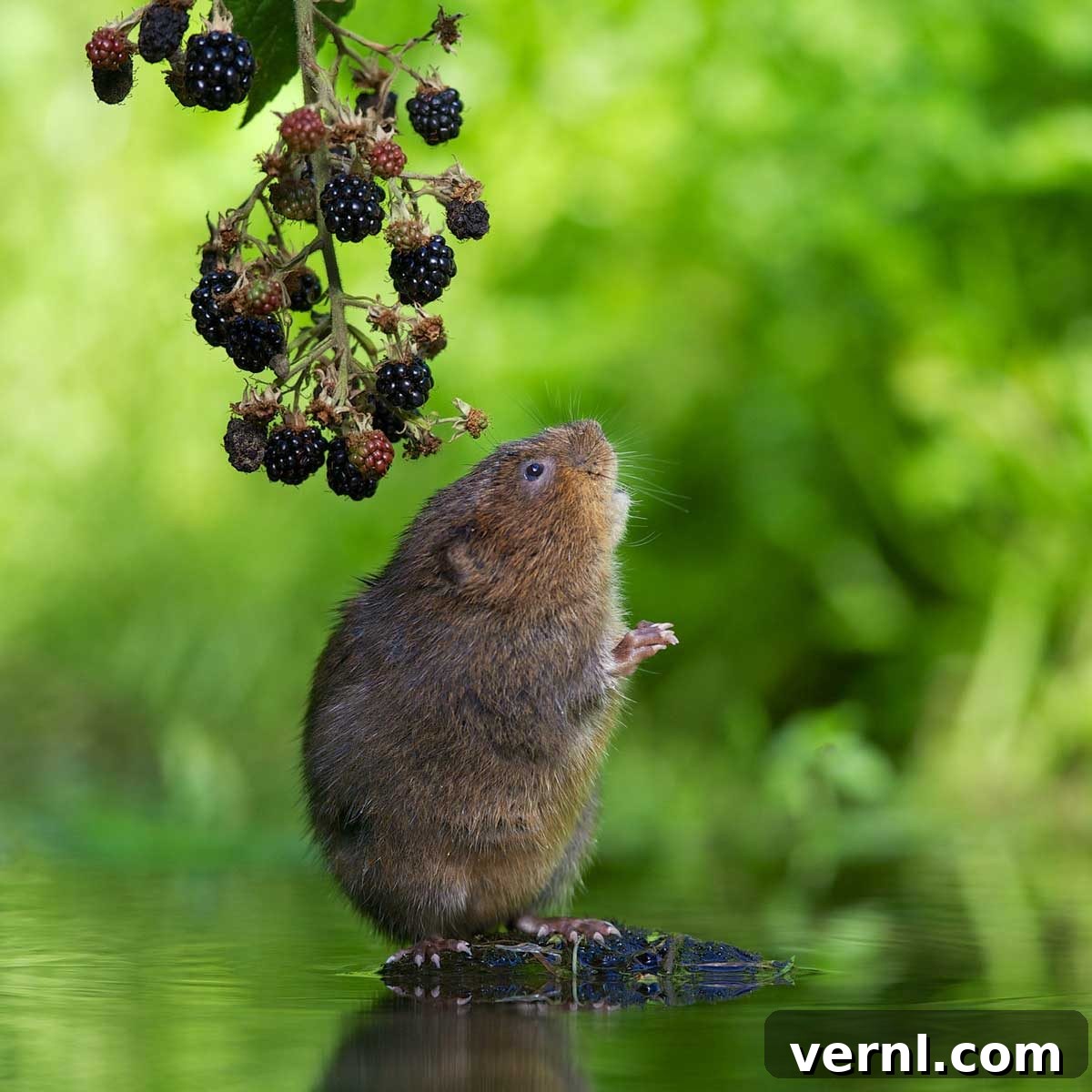
Voles, often mistakenly identified as common mice, are small, stocky rodents that can wreak havoc on your garden and landscape. While they share a similar appearance with their murine relatives, understanding the unique characteristics of voles is the first step toward effective pest management. Dr. Nancy Troyano, a board-certified entomologist at Ehrlich Pest Control, notes that these creatures are frequently referred to as “field mice” due to their preference for grassy, open environments. However, a closer look reveals distinct differences: voles typically have shorter, hairier tails, rounder heads, smaller ears, and more robust bodies compared to the sleek build of a house mouse.
As significant garden pests, voles pose a substantial threat to the health and aesthetics of your outdoor spaces. They typically measure between three to nine inches in length, a seemingly modest size that belies their destructive potential. What voles lack in individual stature, they more than compensate for in their astounding reproductive capabilities. According to Dr. Troyano, a single female vole can produce up to ten litters annually, with each litter potentially containing multiple offspring. This prolific breeding means that a small pair of voles can generate over a hundred descendants in a remarkably short period. Such rapid population growth underscores the critical importance of early intervention to prevent a minor vole presence from escalating into a full-blown infestation, which can quickly overwhelm your property and lead to extensive damage.
Signs of a Vole Infestation
Recognizing the early signs of vole activity is crucial for timely control. Voles create distinctive surface runways through dense grass, which are essentially shallow, narrow pathways free of vegetation, about one to two inches wide. These runways connect their burrows, which are small, inconspicuous holes often found at the base of trees, shrubs, or dense ground cover. Unlike moles, voles do not create large dirt mounds. Instead, you might notice small, scattered piles of droppings or gnaw marks on the bark of young trees and shrubs, particularly near the ground line. Damage to flower bulbs, root vegetables, and the general decline of seemingly healthy plants can also indicate a vole problem. Early detection allows for more manageable and less destructive control methods, safeguarding your landscape from widespread harm.
Vole vs. Mole: Understanding the Key Distinctions
While both voles and moles are notorious for disturbing your yard with their burrowing activities, they are fundamentally different creatures with distinct behaviors and impact. Zachary Smith, president of Smith’s Pest Management, a leading pest control company in San Jose, California, emphasizes that moles are not rodents. Instead, they are small insectivorous mammals perfectly adapted for a subterranean existence, spending nearly their entire lives digging intricate tunnel systems underground.
Moles possess several unique physical traits that facilitate their underground lifestyle. Their most distinguishing features include large, powerful front paws equipped with prominent claws, ideally suited for digging through soil. Their heads are characterized by a long, pointed snout, and their eyes and ears are so tiny that they appear almost absent, further illustrating their adaptation to a life devoid of significant light or sound. If you observe raised ridges across your lawn or distinct molehills—volcano-shaped mounds of soil—these are clear signs of moles in your yard. Knowing how to repair mole holes in your lawn can help restore your yard’s appearance, but understanding their diet is key to preventing future issues.
The primary distinction between voles and moles lies in their dietary habits and the type of damage they inflict. While voles are herbivores that actively consume your yard’s vegetation, moles are predatory insectivores. Dr. Troyano clarifies that moles primarily “feed on earthworms, grubs, beetles, and other invertebrates or arthropods found in the soil.” Therefore, the damage moles cause to your garden is solely a result of their extensive digging and tunneling activities, which can disrupt plant roots and create unsightly mounds, rather than direct consumption of plants. Learning how to get rid of them often involves strategies distinct from vole control.
What Do Voles Eat? Understanding Their Destructive Diet
Voles are predominantly herbivorous, making them a significant threat to gardens, lawns, and agricultural fields. Their diet primarily consists of plant material, and they are not picky eaters. As Smith explains, “They love eating plants, tubers and bulbs, as well as the bark and roots of trees.” This broad appetite means that voles will treat your garden like an all-you-can-eat buffet, leading to significant destruction. They target a wide range of plants, including ornamental flowers, vegetables like carrots and potatoes, and even the root systems of larger shrubs and trees.
The damage caused by voles can be severe and far-reaching. They gnaw on the bark of young trees and shrubs, particularly during winter when other food sources are scarce, often girdling them completely. Girdling severs the flow of nutrients between the roots and the rest of the plant, inevitably leading to the plant’s decline and death. They also consume underground plant parts, such as flower bulbs (tulips, crocuses, lilies) and the roots of perennials, leading to sudden wilting and death of seemingly healthy plants. If their preferred foods become scarce, especially in harsh conditions, Dr. Troyano notes that voles are “also opportunistic and will eat dead mice and other rodents,” demonstrating their adaptability in survival. This flexibility in their diet, combined with their rapid reproduction, makes them a persistent and challenging pest.
Effective Strategies: How to Get Rid of Voles
Eradicating voles requires a multi-faceted approach, combining habitat modification, repellents, trapping, and, if necessary, professional intervention. Smith recommends a systematic five-step process to effectively manage and remove voles from your property.
1. Remove Unwanted Vegetation and Ground Cover
The first and most critical step in getting rid of voles is to make your environment less hospitable to them. Voles instinctively seek dense ground cover for protection from predators like hawks, owls, and foxes. By eliminating these hiding spots, you expose them to natural threats and make your yard less appealing. Smith advises, “remove dense ground cover, keep the lawn mowed, keep mulch light around trees and shrubs and keep up on snow removal.”
This means regularly mowing your lawn to a short height, trimming back overgrown shrubs and weeds, and clearing away leaf litter, brush piles, and any other debris that could offer shelter. When applying mulch around trees and shrubs, ensure it is not piled too thickly or directly against the trunk, as this creates ideal tunneling conditions for voles. During winter, promptly removing snow, especially around the base of trees, helps to eliminate the protective layer that voles use to forage undetected beneath the surface, exposing them to predators and harsh weather conditions. It’s also wise to manage plants that attract voles, such as fruit trees. Regularly pick ripe fruits and vegetables to prevent them from falling to the ground, and promptly clean up any dropped pieces, as these serve as readily available food sources.
2. Protect Young Trees and Shrubs
Despite their small size, voles can inflict significant damage on young trees and shrubs by chewing through their bark and root systems. This “girdling” can completely sever the flow of nutrients and water, leading to the plant’s death. To combat this destructive behavior and eliminate a primary food source, Smith recommends safeguarding the lower trunks of vulnerable plants.
“Wrap the lower trunk of young trees with a guard, like a wire mesh or plastic tubing,” he advises. These protective barriers should be made of a rigid material, such as galvanized hardware cloth with a small mesh size (e.g., ¼ inch), and extend at least six to twelve inches above the ground and several inches below the soil surface to prevent burrowing beneath. This robust protection not only deters voles but also offers a secondary benefit of guarding the bark from accidental damage by gardening tools like weed whackers. For winter protection against both voles and harsh weather conditions, consider switching to a specialized tree wrap, which provides insulation while still offering a physical barrier.
3. Utilize Vole Repellents
Once you’ve modified their habitat, the next step is to encourage voles to vacate your property using natural pest repellents. These substances deter voles without causing them harm. Smith suggests sprinkling castor oil around your landscaping. Castor oil acts as an irritant to voles’ digestive systems, making their food sources unpalatable and encouraging them to seek sustenance elsewhere. It’s often available in granular or liquid concentrate forms and should be applied according to package directions, typically around affected areas or garden perimeters.
Another effective natural deterrent is capsaicin, the compound responsible for the spicy taste in peppers. Capsaicin irritates voles’ taste buds and nasal passages, making an area undesirable. Smith recommends creating a DIY spray by mixing “chopped hot peppers with water and biodegradable dish soap.” This mixture can then be sprayed directly onto vole hotspots in your lawn and landscaping. The unpleasant taste and smell effectively deter voles from foraging in treated areas. While these natural repellents can be effective, consistent reapplication, especially after rain, is necessary to maintain their efficacy.
For a technological approach, you might consider a solar-powered ultrasonic deterrent. These devices emit high-frequency sound waves that are designed to be irritating to subterranean pests like voles and moles, theoretically driving them away. While user experiences vary and scientific evidence on their long-term effectiveness remains mixed, they offer a non-chemical, low-maintenance option that some homeowners find beneficial.
4. Employ Live Traps for Humane Removal
If habitat modification and repellents prove insufficient, live traps offer an effective and humane method for eliminating backyard pests such as voles, squirrels, and chipmunks. This “trap and relocate” technique allows for the removal of voles without causing injury or death, aligning with ethical pest control practices.
Smith notes that “Although live traps may not be the best bet for severe vole infestations, they’re a great way to control vole numbers or remove a few individual animals.” For best results, use small, multiple-catch or single-catch humane traps. Bait the traps with appealing foods such as peanut butter, apple slices, oat flakes, or birdseed, and place them directly in active vole runways or near burrow entrances. Check traps frequently (at least twice daily) to ensure captured animals are not stressed. When relocating, transport the vole several miles away from your property into a suitable natural habitat to prevent its return. Always wear gloves when handling traps and captured animals to protect yourself from potential diseases and to prevent transferring human scent to the trap, which can deter future captures. After each use, thoroughly clean the trap with a bleach solution to sanitize it and remove any lingering odors.
5. Contact a Professional Pest Management Company
When DIY methods have been exhausted, or if you are facing a severe, widespread vole infestation, it’s time to consider calling in the experts. Both Smith and Dr. Troyano agree that engaging a professional pest management company with extensive rodent control experience is the fastest and most reliable way to get rid of voles effectively.
Pest control professionals offer invaluable expertise. They can accurately assess the extent of your infestation, identify the specific species of vole, and develop a customized treatment plan tailored to your property’s unique situation. This often involves a combination of advanced trapping strategies, professional-grade baiting techniques (used cautiously and strategically to minimize risks to non-target animals), and comprehensive recommendations for long-term prevention. They possess the specialized tools, knowledge of vole behavior, and understanding of local regulations to implement control measures safely and efficiently, often achieving results that are difficult for homeowners to replicate. Investing in professional services can save time, reduce stress, and ultimately protect your landscape from ongoing damage.
Proactive Measures: How to Prevent Voles From Getting Into the Garden
Beyond addressing existing vole problems, implementing preventative strategies is key to ensuring your garden remains vole-free. The vole repellents and habitat modification techniques discussed earlier can be effectively used proactively to deter voles from ever taking up residence. However, physical barriers offer some of the most reliable long-term prevention.
Since voles are not adept climbers, physical barriers can be highly effective. Dr. Troyano specifically recommends using steel mesh (hardware cloth) for fencing. For raised garden beds or sensitive planting areas, burying hardware cloth around the perimeter is crucial. The mesh should extend at least 6-12 inches below the soil surface to prevent burrowing underneath and at least 10-12 inches above ground to block surface access. This creates an impenetrable barrier that voles cannot chew through or climb over. For individual trees and shrubs, the protective tree guards mentioned earlier also serve as an excellent preventive measure.
Another powerful preventive tool is leveraging natural predators. Encouraging animals like owls, hawks, snakes (if you’re comfortable with them), and domestic pets like cats and dogs can significantly reduce vole populations. You can attract owls by installing a nesting box on your property, providing a safe habitat for these effective nocturnal hunters. For a more direct scent-based deterrent, you can buy coyote urine to spray around your yard’s perimeter. The scent of a predator often signals danger to voles, encouraging them to avoid the area. Regular garden hygiene, such as clearing fallen leaves, keeping grass trimmed, and removing potential food sources, further reinforces your preventative efforts.
Are Voles Dangerous? Assessing the Risks and Damage
While voles may appear as harmless, furry creatures, they pose several significant threats that extend beyond mere garden nuisances. They are not typically aggressive animals, but their presence can be dangerous in much the same way as mice and rats, primarily due to public health concerns and the extensive damage they cause.
Health risks associated with voles are substantial. Smith cautions that “They are oftentimes carriers of diseases through their urine and feces.” Voles can transmit pathogens such as Hantavirus, Leptospirosis, Tularemia, and Salmonellosis, which can be serious or even life-threatening to humans and pets. These diseases can be contracted through direct contact with voles, their droppings or urine, or by inhaling airborne particles from contaminated areas. Furthermore, voles can introduce various parasites, including fleas, ticks, and mites, into your yard and potentially your home. These parasites can then infest pets or even transfer to humans, carrying their own set of disease risks.
Beyond health hazards, voles are responsible for considerable cosmetic and structural damage. Their extensive network of surface runways and burrows can create unsightly dead patches and unevenness across your lawn, requiring frequent lawn repairs. Their gnawing habits lead to the girdling of young trees and shrubs, destroying valuable landscape investments. They decimate flower bulbs, root crops, and vegetable gardens, severely impacting gardeners’ efforts. In some cases, if burrows are dug near foundations or under sheds, voles can undermine structures, potentially leading to more significant, costly repairs.
Despite their deceptively cute appearance—small, furry, and seemingly innocuous—voles are unsanitary pests that cause substantial damage and pose genuine health risks. This comprehensive understanding of their biology, behaviors, and impact underscores why most homeowners and gardeners choose to implement effective control and prevention strategies to manage vole populations.