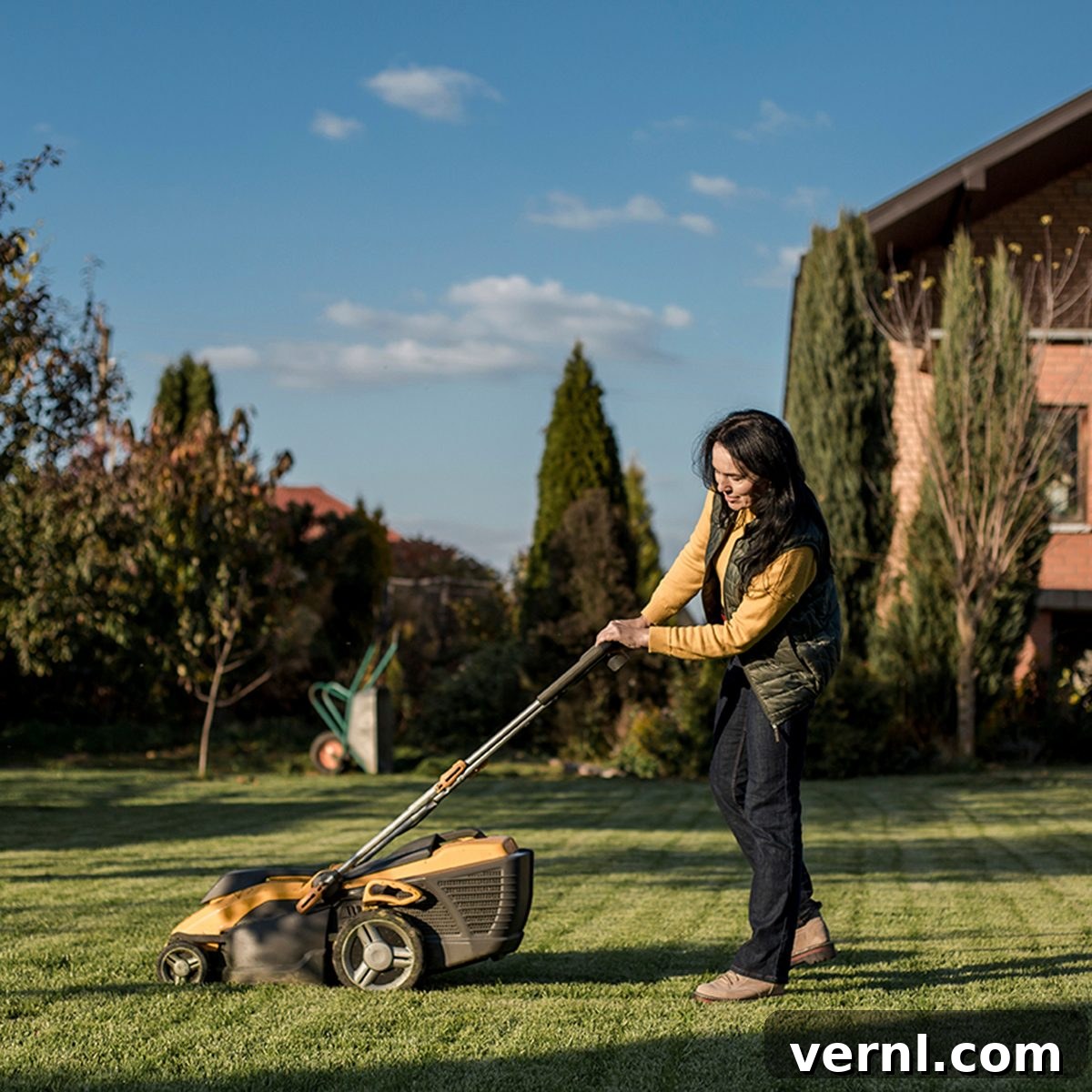
For millions of homeowners, the arrival of warm weather signals not only sunshine and outdoor enjoyment but also the regular task of lawn mowing. While some might see it as a chore, having the right lawn mower can transform this obligation into a satisfying ritual, allowing you to cultivate a pristine outdoor space. If you’re currently in the market for a new mower and considering your options, understanding the benefits and characteristics of push mowers is a crucial first step. This comprehensive guide will walk you through everything you need to know, helping you determine if a push mower is indeed the perfect choice for your lawn and your personal preferences.
The Ultimate Push Mower Buying Guide: Choose Your Ideal Lawn Companion
What Exactly is a Push Mower?
At its core, a push mower is any lawn mower designed for manual operation, where the user walks behind it, guiding and propelling it across the lawn. Unlike bulkier riding mowers or zero-turn machines, push mowers are characterized by their smaller cutting bases and precise control. This design makes them an incredibly versatile and popular choice, favored by both professional landscapers for detailed work and weekend warriors maintaining their home lawns. They offer a hands-on approach to lawn care, providing excellent maneuverability around obstacles like trees, flower beds, and garden ornaments, ensuring a clean, even cut in areas where larger equipment simply cannot reach.
Push mowers stand out for their simplicity, ease of storage, and typically lower acquisition costs compared to their larger counterparts. Their design emphasizes user control, making them ideal for small to medium-sized lawns where agility and precision are more important than raw speed. While the term “push mower” might conjure images of purely human-powered machines, the category has evolved significantly, encompassing a range of power sources and features designed to reduce the physical effort involved in maintaining your yard.
Exploring the Diverse Types of Push Mowers
The world of push mowers offers a spectrum of choices, each with unique advantages and best-suited applications. Understanding these distinctions is key to selecting the ideal machine for your specific lawn care needs.
Manual Push Mowers: The Eco-Friendly Choice
Manual push mowers, often referred to as reel mowers, are the quintessential “push” experience. They feature a cylindrical reel equipped with a spiral of blades that shear the grass against a fixed bedknife as the wheels turn. This scissor-like cutting action provides a remarkably clean and healthy cut for the grass blades, often resulting in a superior finish compared to rotary mowers. Powered entirely by your forward motion, these mowers require no gasoline, electricity, or batteries, making them exceptionally environmentally friendly and quiet. Repairs are generally minimal, and maintenance is straightforward, primarily involving regular blade sharpening and occasional lubrication.
However, manual reel mowers are the most physically demanding option. They are best suited for the smallest of yards (typically under a quarter-acre) with flat terrain and thinner grass. Homeowners seeking a light workout, a peaceful mowing experience, and a greener approach to lawn care will find these models highly appealing. They struggle with tall, thick, or wet grass and require more frequent mowing to maintain optimal performance.
Gas-Powered Push Mowers: The Workhorse for Larger Yards
Gas-powered push mowers represent the most common type found in residential settings, largely due to their power and versatility. Driven by a small internal combustion engine, typically fueled by gasoline or a gas/oil mixture, these machines take the bulk of the grunt work off the user’s hands. They are capable of tackling larger lawns, thicker grass, and more challenging terrain with ease. Gas mowers offer unparalleled freedom of movement, as they are not tethered by cords or limited by battery life.
Modern gas push mowers often come with various starting options, from the traditional pull-cord starter to convenient electric starters that engage the engine with the flick of a switch or the push of a button. While they offer robust performance, gas mowers require more maintenance (oil changes, spark plug replacements, air filter cleaning), produce exhaust emissions, and are significantly noisier than their electric counterparts. Proper ventilation is essential when storing or refueling these powerful machines.
Electric Push Mowers: Clean, Quiet, and Convenient
Electric push mowers offer a compelling alternative for those seeking a cleaner, quieter, and often lighter mowing experience. They eliminate the need for gasoline, oil, and the associated fumes and engine maintenance. Electric models come in two main varieties:
- Corded Electric Push Mowers: These mowers plug into an exterior electrical outlet, drawing continuous power as you mow. They are generally the most affordable electric option and offer consistent power without worrying about battery runtime. Corded mowers are lightweight, start instantly with a button, and require minimal maintenance. Their primary limitation is the electrical cord itself, which restricts the size and shape of yards they can effectively manage, demanding careful cord management to avoid tangles or accidental cuts. They are ideal for smaller, relatively flat lawns where power outlet access is convenient.
- Cordless (Battery-Powered) Electric Push Mowers: Utilizing rechargeable lithium-ion batteries, cordless electric mowers provide the ultimate freedom from outlets and cords. They combine the quiet operation and zero emissions of corded models with the mobility of gas mowers. Cordless models start instantly, require very little maintenance, and are generally lighter than gas mowers. Key considerations for cordless mowers include battery runtime (how long it can mow on a single charge), charge time, and the overall battery lifespan. For larger yards, you might consider models that accommodate multiple batteries or offer quick-charge capabilities. While the initial cost can be higher than corded or basic gas models, many users find the convenience and eco-friendliness to be well worth the investment.
Leading Push Mower Brands: Reliability You Can Trust
The market is flooded with various push mower brands, but the most popular and dependable ones typically have a strong reputation rooted in lawn maintenance expertise or precision small engine manufacturing. These brands consistently deliver durable products, innovative features, and reliable performance.
Some of the top lawn mower brands that frequently appear at the top of recommendation lists include:
- Husqvarna: Known for robust outdoor power equipment and professional-grade quality.
- Honda: Renowned for exceptionally reliable and powerful engines.
- Toro: A long-standing leader in lawn care innovation, offering a wide range of models.
- Lawn-Boy: Often praised for affordability and dependable performance for the average homeowner.
- Yard Machines: Provides practical and budget-friendly options.
- Cub Cadet: Offers a blend of rugged construction and advanced features.
- Snapper: Celebrated for durable designs and user-friendly features.
When choosing a brand, consider not only initial product quality but also the availability of spare parts, local service centers, and the length and comprehensiveness of the warranty. Reading customer reviews can also provide valuable insights into real-world performance and customer satisfaction.
Essential Push Mower Features to Consider
Beyond the basic power source, modern push mowers come equipped with a variety of features designed to enhance ease of use, improve cutting performance, and expand the range of tasks you can perform. Thoughtful consideration of these features can significantly impact your mowing experience.
Cutting Deck Width
The cutting deck width, or the swath of grass cut with each pass, varies significantly between models. Wider decks (e.g., 21-22 inches) mean fewer passes are needed to cover your lawn, saving time and effort, making them suitable for larger yards. Narrower decks (e.g., 18-19 inches) offer greater maneuverability, ideal for smaller yards with many obstacles or tight spaces.
Cutting Height Adjustment
The ability to easily adjust the cutting height is crucial for maintaining a healthy lawn. Different grass types and seasons require varying cutting heights. Look for mowers with simple adjustment mechanisms, such as a single lever that adjusts all four wheels simultaneously, or individual levers for each axle, rather than having to manually adjust each wheel. This feature ensures you can adapt to your lawn’s specific needs.
Grass Discharge Options: Mulching, Bagging, and Side Discharge
How your mower handles grass clippings is a key functional feature:
- Bagging: Many push mowers include a grass collection bag, which collects clippings as you mow. This is ideal for tidier lawns, preventing clippings from being tracked indoors, or for removing diseased grass. Collected clippings can also be composted.
- Mulching: Mulching mowers feature specially designed blades and deck shapes that repeatedly cut grass clippings into very fine pieces before returning them to the lawn. These small particles decompose quickly, returning valuable nutrients and moisture to the soil, acting as a natural fertilizer. Mulching is excellent for lawn health, provided the grass isn’t excessively long or wet.
- Side Discharge: This option simply ejects clippings out of a chute on the side of the mower. It’s often used when grass is very tall or wet, or when mulching isn’t desired and bagging isn’t necessary. It’s a quick way to mow without stopping to empty a bag.
Many contemporary push mowers offer a 3-in-1 system, allowing you to switch between bagging, mulching, and side discharge based on your preferences and lawn conditions.
Power Assist (Self-Propelled)
A power assist feature, also known as self-propelled, is a game-changer for many users. This mechanism uses some of the engine’s or motor’s power to drive the wheels, meaning you don’t have to exert significant effort to push the mower forward. This is exceptionally useful on larger lawns, properties with inclines, or for anyone who prefers a less physically demanding mowing experience. Self-propelled mowers often feature variable speed control, allowing you to match the mower’s pace to your walking speed and lawn conditions. Be sure to find a model where the power assist can be easily engaged and disengaged, especially when navigating downhill or around tight corners.
Electric Start for Gas Mowers
If you’re considering a gas-powered mower but dread the repetitive yanking on a starter cord, an electric starter is a highly desirable feature. This allows you to start the engine effortlessly with the simple push of a button or the turn of a key, making your mowing routine much more convenient and less frustrating.
Wheel Size and Type
Larger rear wheels (often called “high wheels”) can significantly improve a mower’s maneuverability and traction, particularly on uneven terrain or when navigating over bumps and divots. The type of tire (e.g., smooth vs. treaded) also plays a role in traction.
Adjustable and Folding Handles
Ergonomically designed handlebars that can be adjusted to different heights enhance user comfort and reduce fatigue. Additionally, folding handles are a fantastic feature for off-season storage, allowing the mower to take up significantly less floor space in your garage or shed.
Push Mower Buying Considerations and Costs
Choosing the right push mower involves weighing several factors unique to your lawn and personal circumstances. Beyond features, understanding the overall cost implications is crucial for making an informed decision.
Lawn Size and Terrain
The size and topography of your lawn are arguably the most critical considerations. Small, flat lawns (up to 1/4 acre) are ideal for manual reel mowers or corded electric models. Medium-sized lawns (1/4 to 1/2 acre) can be efficiently managed by cordless electric or lighter gas-powered push mowers. For larger lawns (1/2 acre or more), a powerful gas or high-capacity cordless self-propelled mower will be the most practical choice. Lawns with steep hills, numerous obstacles, or deeply ingrained divots will benefit immensely from self-propelled features and robust engines.
Grass Type
Certain grass types respond differently to various mowers. For example, manual reel mowers excel at cutting fine-bladed grasses like fescue or bentgrass, providing a manicured golf-course look. Rotary mowers (gas and electric) are more versatile for a wider range of grass types, including tougher or taller varieties.
Personal Physical Condition
Your physical fitness and mobility should also play a role. If you prefer a workout, a manual mower is great. If you have physical limitations, or simply want to reduce effort, a self-propelled gas or electric model will be a much better fit.
Environmental Impact
For environmentally conscious buyers, manual and electric mowers offer zero emissions and quiet operation. Gas mowers, while powerful, produce noise and exhaust, which are factors to consider for both your personal health and neighborhood peace.
Budgeting for Your Push Mower
The cost of push mowers spans a wide range:
- Manual Push Mowers: These are the most budget-friendly, often costing as little as $75 to $150.
- Basic Electric (Corded) Mowers: Generally range from $125 to $300, offering good value for smaller yards.
- Average Gas or Electric (Cordless) Push Mowers: Most fall within the $300 to $600 range, depending on engine power, battery capacity, and features.
- Premium Push Mowers: Models with advanced features such as extra-wide cutting bases, robust engines, powerful self-propelled systems, and extended battery life can retail for $700, $1,000, or even more.
Remember to consider not just the upfront purchase price but also long-term costs. Gas mowers incur fuel and oil expenses, while electric cordless mowers might require battery replacements after several years. Regardless of the features you prioritize, it’s always a good idea to shop around, compare models and prices from various retailers, and read reviews to find a push mower that perfectly matches your lawn’s specific needs and your budget.
Don’t overlook the importance of a good warranty and accessible after-sales service. A reputable manufacturer and a local service center can save you significant headaches down the line if repairs or parts are needed.
Push Mower Maintenance and Repair Considerations
Like any piece of machinery, a push mower requires regular maintenance to ensure optimal performance, longevity, and safety. Generally, the more complex the mower, the more potential maintenance and repair issues can arise. However, proactive care can prevent most problems.
General Maintenance for All Push Mowers
- Blade Care: Sharpening or replacing the blade annually is crucial for a clean cut that promotes lawn health. A dull blade tears grass, leading to brown tips and increased susceptibility to disease. Always balance blades after sharpening to prevent vibration.
- Deck Cleaning: Regularly clean the underside of the cutting deck to remove accumulated grass clippings. These can reduce cutting efficiency, promote rust, and clog the discharge chute.
- Wheel Inspection: Check wheels for damage, ensure they spin freely, and lubricate axles if necessary.
- Nut and Bolt Checks: Periodically inspect all nuts, bolts, and fasteners to ensure they are tight.
Specific Maintenance for Gas-Powered Mowers
Gas mowers require the most involved maintenance routine:
- Oil Changes: Change the engine oil according to the manufacturer’s recommendations, typically annually or every 50 hours of use.
- Spark Plug Replacement: Replace the spark plug annually for consistent starting performance.
- Air Filter Cleaning/Replacement: A clean air filter is vital for engine performance and fuel efficiency. Clean or replace it several times during the mowing season, especially in dusty conditions.
- Fuel System Care: Use fresh fuel and consider a fuel stabilizer, especially if the mower will be stored for an extended period. Drain the fuel tank and run the carburetor dry before off-season storage to prevent fuel degradation and clogs.
- Winterization: Prepare the mower for storage by cleaning, checking fluids, and performing necessary tune-ups to ensure it starts reliably next spring.
Specific Maintenance for Electric Mowers
- Corded Electric Mowers: Regularly inspect the power cord for any cuts, fraying, or damage. Ensure connections are secure.
- Cordless Electric Mowers: Proper battery care is paramount. Follow manufacturer guidelines for charging and storage. Avoid extreme temperatures. Store batteries partially charged (around 50-60%) in a cool, dry place for extended periods to maximize lifespan.
- Motor Vents: Keep motor vents clear of debris to prevent overheating.
Storage Considerations
Off-season storage is another important factor. Some mowers feature folding handles or can be stored vertically, taking up valuable floor space in the garage or shed. Ensure your chosen model fits your storage capabilities. Always store mowers in a dry, protected area.
While many basic maintenance tasks can be DIY projects, knowing when to consult a professional for more complex repairs is important. Attempting repairs beyond your skill level can lead to further damage or safety hazards.
Finding Your Perfect Push Mower: A Confident Choice
Choosing a new push mower is an investment in your home and yard. By understanding the different types available – from the quiet, eco-friendly manual reel mowers to the powerful gas models and the convenient electric variants – and carefully considering their features, you can narrow down the options. Evaluate your lawn’s size and terrain, your physical capabilities, and your environmental priorities. Weigh the initial costs against long-term maintenance and operational expenses. Remember that proper maintenance will extend the life of your mower and ensure it performs optimally season after season.
With this comprehensive guide, you are now equipped with the knowledge to make an informed decision. Take your time, compare models, read reviews, and select a push mower that not only meets your needs but also makes maintaining your beautiful lawn a more enjoyable and less daunting task. Happy mowing!