
Years ago, an unexpected incident during an RV trip with a friend taught me a profoundly valuable, albeit slightly embarrassing, lesson. What started as a luxurious escape in his custom Prevost RV quickly turned into a moment of minor crisis when I inadvertently caused the toilet to overflow. While that specific invite might not have been extended again, the experience instilled in me a crucial understanding of the unique intricacies of RV plumbing and the proper way to use and, more importantly, unclog an RV toilet. This guide aims to equip you with the knowledge and steps needed to tackle such a situation confidently and prevent future occurrences, ensuring your RV adventures remain smooth and sanitary. Always remember to don your personal protective equipment (PPE) before diving into any plumbing work.
Understanding the Mechanics: How Do RV Toilets Work?
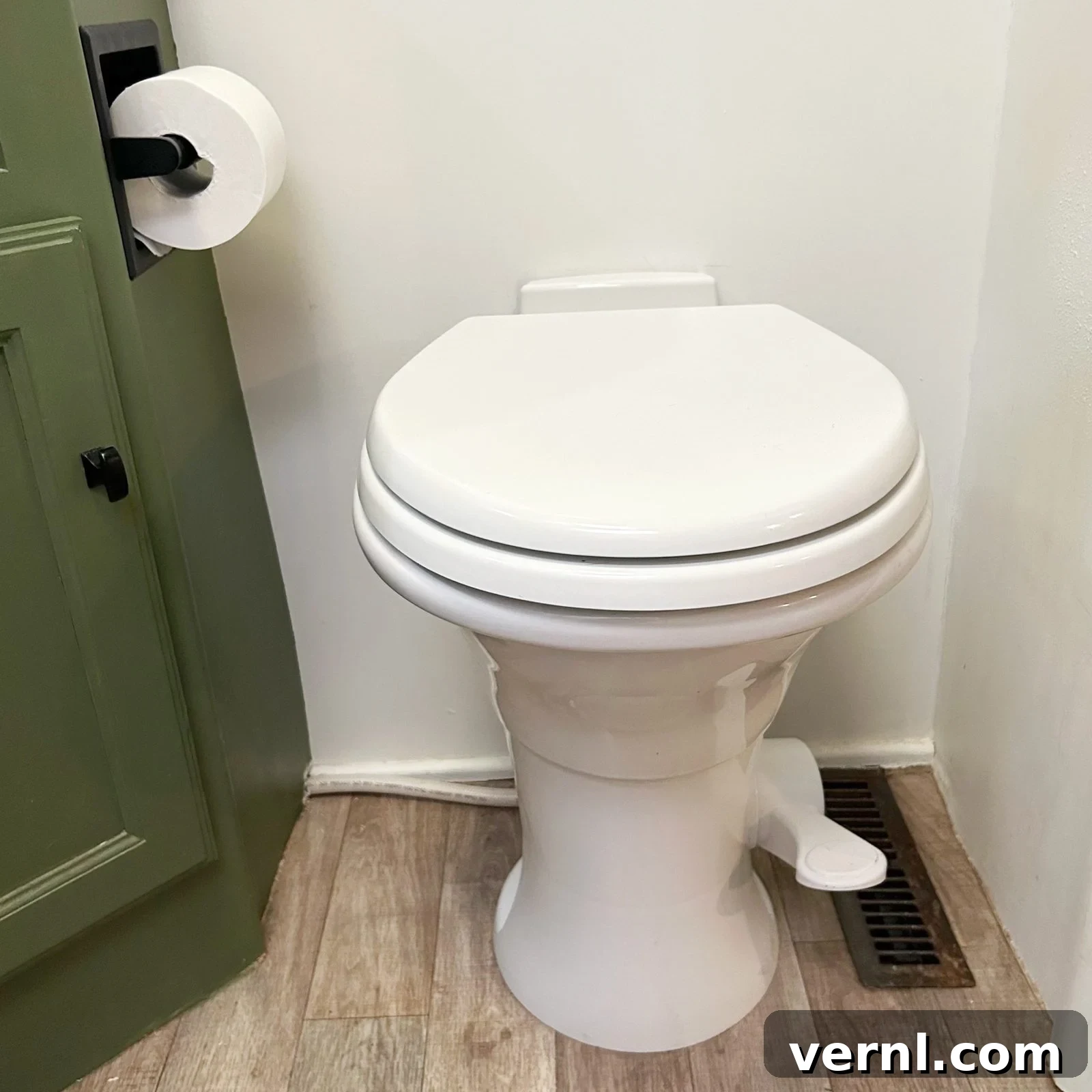
While modern RV toilets might visually resemble their residential counterparts, with many higher-end models even boasting elegant porcelain construction, their operational principles differ significantly due to the mobile nature of recreational vehicles. Grasping these fundamental differences is key to preventing common issues and maintaining a healthy RV plumbing system.
- Direct Waste Disposal: Unlike household toilets that route waste through a complex trap system and into a municipal sewer line, most RV toilets empty directly into a designated holding tank, known as the “blackwater tank.” This design eliminates the need for a traditional P-trap, which typically holds water to block sewer gases. In an RV, a sealed gate valve at the bottom of the toilet bowl serves this purpose, preventing odors from escaping the blackwater tank.
- Foot Pedal Operation: The flushing mechanism is another distinct feature. Instead of a hand lever, RV toilets typically utilize a foot pedal. This pedal offers dual functionality:
- Partial Depression: Lightly pressing the foot pedal will add water to the toilet bowl. This is crucial for two main reasons: providing enough water to help flush waste effectively and maintaining a water seal in the bowl to prevent odors from entering the living space.
- Full Depression: Fully depressing the foot pedal opens the seal at the bottom of the bowl, allowing its contents to drop directly into the blackwater tank below. It’s essential to hold the pedal down long enough for all waste to clear the bowl and ensure a clean drop.
Another critical element of RV toilet systems is the requirement for specialized RV toilet paper. This paper is specifically engineered to rapidly break down upon contact with water and waste in the blackwater tank. Using standard household toilet paper, which is designed to hold together longer, can lead to severe clogs in the blackwater tank and potentially damage the delicate in-tank sensors, leading to inaccurate readings and costly repairs. Always verify that your toilet paper is “RV safe” or “septic safe.”
The Unpleasant Truth: How To Unclog an RV Toilet
Let’s be honest: dealing with a clogged RV toilet ranks high on the list of least desirable RV maintenance tasks. However, it’s an inevitable reality for some RV owners, and knowing how to handle it efficiently can save you a significant amount of stress and expense. Your first step in resolving the issue is to accurately identify the type and location of the clog. Generally, you’ll encounter one of two primary scenarios: an obstruction blocking the door seal itself, or a more stubborn blockage located below the seal, within the blackwater tank or connecting pipes.
Identifying the Type of Clog
In most RVs, the sealed door at the bottom of the toilet bowl opens directly into the blackwater tank, providing a clear, albeit unappetizing, view. This direct line of sight makes it relatively straightforward to determine the nature of your clog.
- Door Seal Obstruction: If you observe waste, toilet paper, or other foreign objects visibly blocking the door seal when it opens, you’re dealing with an obstruction at the very top. If it’s merely a buildup of waste and RV-safe toilet paper, a sturdy stick or a dedicated RV toilet wand can often be used to gently push the obstruction down into the blackwater tank. However, if the blockage is caused by something more substantial, such as a rogue towel, a child’s toy, or an unapproved item, it is crucial to carefully remove it by pulling it *upward* through the toilet bowl. Pushing non-dissolvable items further down will only create a more severe clog deeper within the system or potentially damage the tank or sensors.
- Below-Seal Blockage (The Dreaded Pyramid Plug): The most common and often most challenging type of blockage occurs below the seal, deep within the blackwater tank. This notorious phenomenon is affectionately (or perhaps disgustedly) known as a “pyramid plug” or “poop pyramid.” These dense, conical formations of solid waste and toilet paper tend to form when the RV’s blackwater tank drain valve is left open for extended periods while hooked up at an RV park. When the valve is continuously open, the liquid waste drains away, leaving the solid waste behind to accumulate and dry out, forming a hardened cone that points upward toward the toilet’s outlet. The imagery might be gross, but understanding its formation is vital for prevention.
- Elbow Pipe Clog (Less Common): A less frequent but equally problematic clog can occur in RV plumbing setups that feature an elbow of pipe between the toilet and the blackwater tank. This additional bend creates another potential snag point for waste to accumulate.
Regardless of your RV’s specific plumbing configuration or the type of blockage you face, addressing a below-seal clog requires a methodical approach and the right tools. Patience and proper safety gear are your best allies.
Essential Tools and Materials for Unclogging
Before you begin the unclogging process, gather the following tools and materials. Having everything ready beforehand will streamline the task and minimize mess.
- 3/4-inch Pex Pipe (3 to 8 feet long): The length required depends on whether your toilet is a direct-mount (shorter pipe) or if it connects via an elbow of piping (longer pipe). Pex pipe is preferred for its flexibility, durability, and non-abrasive nature, which makes it less likely to scratch or damage the toilet bowl or tank interior. It’s stiff enough to break up clogs but flexible enough to navigate bends.
- Two or More Bottles of RV Black Tank Clearing Fluid: These specially formulated enzymatic or chemical treatments are designed to break down organic waste, toilet paper, and other biodegradable materials in your blackwater tank. Choose a reputable brand known for its effectiveness and safety for RV systems.
- Flexible Water Wand Designed for RV Tanks: This tool, often referred to as a “tank rinser” or “flush wand,” connects to a garden hose and is specifically designed with angled nozzles to spray water powerfully into the blackwater tank, dislodging stubborn buildup and ensuring a thorough rinse.
- Personal Protective Equipment (PPE): This is non-negotiable. At a minimum, you’ll need sturdy rubber gloves (preferably elbow-length), eye protection (safety glasses or goggles), and potentially a disposable apron or old clothes. Consider a mask if odors are particularly strong.
- Bucket and Old Rags/Towels: For cleanup and containment of any spills.
- Garden Hose: Essential for the water wand.
Step-by-Step Guide: How to Unclog an RV Toilet
Tackling a severe RV toilet clog requires a systematic approach. Follow these steps carefully to effectively clear the blockage and restore full functionality to your system.
- Identify Your System Type: As discussed earlier, determine if your RV toilet is a direct-flush system (empties straight down) or a piped-flush system (has an elbow pipe leading to the tank). This will influence how you approach the clog and the length of Pex pipe you might need. A clear understanding prevents damage and ensures efficiency.
- Prepare the System:
- Turn Off Freshwater Supply: Locate the water shut-off valve for your RV toilet (often near the toilet or accessible through an access panel) and turn it off. This prevents accidental flushing or water overflow while you’re working.
- Close Blackwater Tank Valve: Ensure the exterior blackwater tank drain valve is securely closed. This is paramount; if it’s open, the clearing fluid won’t remain in the tank to work on the clog and will simply drain away.
- Introduce the Clearing Fluid: Slowly and carefully pour one full bottle of the RV tank clearing liquid directly into the toilet bowl. This powerful solution is designed to start dissolving the organic materials forming the clog.
- Observe and Allow Time to Work: Pay close attention to how quickly the clearing fluid drains from the toilet bowl.
- No Movement: If the fluid just sits in the bowl with no discernible movement, the clog is very dense. In this scenario, allow the fluid to sit for a minimum of 24 to 48 hours to give it ample time to penetrate and begin breaking down the blockage. Resist the urge to poke or prod excessively at this stage.
- Slow Movement: If you observe slow, gradual drainage, it indicates the fluid is beginning to work. You can proceed to the next step immediately, but be prepared for a potentially stubborn clog.
- Mechanical Agitation with Pex Pipe: Once the clearing fluid has had some time to work, or if it’s slowly draining, carefully insert the flexible Pex pipe into the toilet opening. Gently but firmly move the pipe around – up, down, and at various angles. The goal is to break up the softened blockage without damaging the toilet bowl or the blackwater tank. Listen for changes in resistance or the sound of the clog breaking apart. Be patient and work slowly; excessive force can lead to punctures or other damage.
- Initial Flush Test: After agitating the clog, slowly pour a few cups of water into the toilet bowl. Observe if the water drains faster than it did before. If there’s an improvement, turn the freshwater supply back on and attempt a full flush. Listen for a clear, unobstructed flow into the tank.
- Follow-Up Treatment for Stubborn Clogs:
- Slow but Improved: If the toilet flushes but remains noticeably slow, indicating a partial clog, add a second bottle of RV tank clearing liquid. Flush the toilet three to six more times, ensuring sufficient water enters the tank to dilute the clog and allow the chemicals to work.
- Still Clogged: If, after the second bottle and multiple flushes, the toilet is still heavily clogged, allow the system to sit undisturbed for another 24 to 48 hours. This prolonged exposure gives the clearing fluid maximum time to dissolve even the most stubborn blockages.
- Mostly Cleared: If the toilet is only mostly cleared and still drains slowly, continue to use the toilet normally for the next 24 hours, ensuring you use plenty of water with each flush. The regular use, combined with the dissolved chemicals, will often finish clearing the remaining obstruction. After 24 hours, empty the blackwater tank as you normally would.
- Thorough Tank Rinse: Once the blackwater tank has been emptied, connect your garden hose to the exterior flush port of your RV (if equipped) or use a flexible RV tank spray water wand to shoot high-pressure water into the blackwater tank from outside or through the toilet bowl (with the valve open). Thoroughly rinse the interior of the tank to dislodge any remaining solid materials or residue clinging to the walls and sensors. This step is crucial for preventing future clogs and ensuring accurate tank level readings. If necessary, after this rinse, you can add another bottle of tank clearing fluid and let it sit for a few hours before another rinse and final tank emptying.
Proactive Measures: How To Prevent Future RV Toilet Clogs
Prevention is always better than cure, especially when it comes to RV blackwater tank clogs. By adopting a few simple habits and understanding the nuances of your RV’s plumbing, you can significantly reduce the likelihood of encountering this unpleasant problem again. These best practices not only prevent clogs but also contribute to a healthier and more odor-free RV experience.
- Never Leave the Blackwater Tank Valve Open: This is perhaps the most critical rule for preventing pyramid plugs. When hooked up to an RV park sewer system, it might seem logical to leave the blackwater tank drain valve open continuously. However, doing so allows the liquid waste to immediately drain out, leaving behind solid waste and toilet paper to accumulate and dry on the tank floor. Over time, this forms the dreaded pyramid plug. Instead, keep the blackwater tank valve closed until the tank is at least two-thirds full, ideally closer to full. This allows sufficient liquid to accumulate and create a “soup” that helps break down solids and flush them away effectively when the valve is finally opened.
- Exclusively Use RV-Safe Toilet Paper: As mentioned, regular household toilet paper does not dissolve quickly enough in an RV blackwater tank. Its robust nature can lead to severe blockages and can also interfere with the functionality of the tank’s level sensors. Always opt for rapidly dissolving, RV-specific toilet paper. You can test your toilet paper by placing a few squares in a jar of water, shaking it, and observing how quickly it disintegrates. If it doesn’t break down into tiny fragments, it’s not suitable for your RV.
- Maintain Sufficient Water Levels in the Blackwater Tank: Water is your friend in an RV waste system. Always start with a few gallons of fresh water in an empty blackwater tank, especially after dumping. This “buffer” liquid helps prevent solids from sticking to the bottom of the tank. Furthermore, when using the toilet, especially for solid waste, use plenty of water. Partially depressing the foot pedal before and after flushing ensures that adequate liquid is introduced to the tank, aiding in the breakdown and flow of waste. When in doubt, an extra flush or two with water can make a big difference.
- Regularly Add Waste and Odor-Controlling Chemicals: Incorporate high-quality RV black tank treatments into your routine. These chemicals, often enzymatic or probiotic formulations, actively work to break down solid waste, toilet paper, and eliminate odors. They contribute significantly to keeping your tank clean, preventing clogs, and ensuring accurate sensor readings. Add them after each tank dumping, along with the initial few gallons of water.
- Never Store Your RV with Waste in the Blackwater Tank: Before storing your RV, especially for extended periods or winterization, always ensure the blackwater tank is completely empty and thoroughly rinsed. Leaving waste in the tank can lead to significant odors, hardened residue, damage to the tank material or sensors, and a much more difficult cleaning process when you bring the RV out of storage. After emptying and rinsing, it’s a good practice to add a small amount of fresh water and a full dose of black tank treatment to keep the tank clean and odor-free during storage.
- Educate Your Guests: If you often have guests in your RV, take a moment to explain the unique workings of an RV toilet and the importance of using only RV-safe toilet paper and proper flushing techniques. A quick primer can prevent a lot of headaches later.
Conclusion: Mastering Your RV Toilet for Trouble-Free Adventures
While the initial encounter with an RV toilet clog can be daunting, understanding its mechanics, identifying the root cause, and employing the correct unclogging techniques can empower you to handle such situations with confidence. More importantly, by adopting proactive measures such as using RV-safe toilet paper, managing your blackwater tank valve appropriately, ensuring adequate water levels, and utilizing effective tank treatments, you can largely prevent clogs from occurring in the first place. A well-maintained RV plumbing system is crucial for a comfortable and enjoyable travel experience, allowing you to focus on the open road and the adventures ahead, rather than plumbing emergencies. With these tips, you’re now better equipped to keep your RV’s most essential facility functioning flawlessly.