
Preventing Bird Window Collisions: A Comprehensive Guide to Bird-Safe Homes
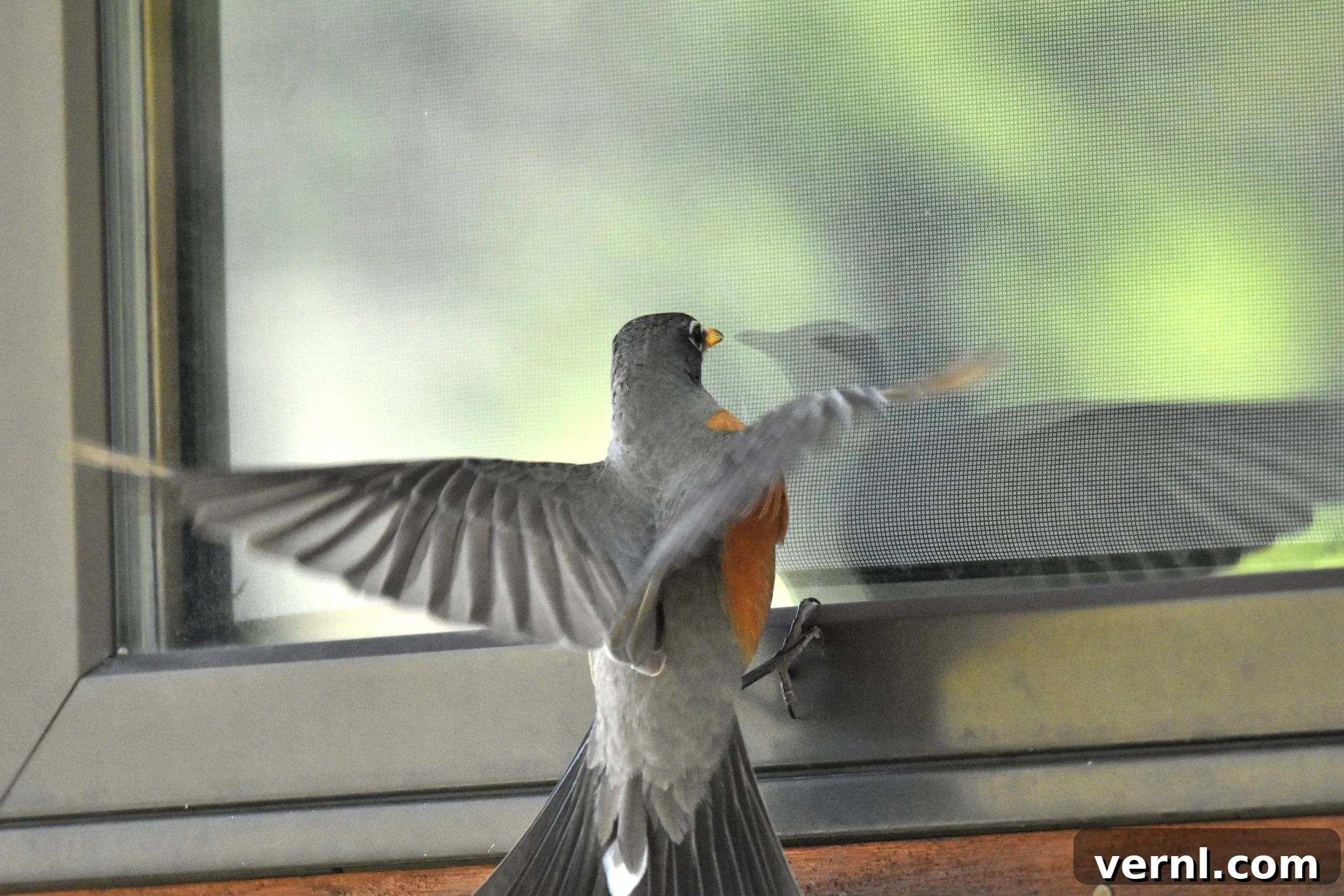
It was a clear, brilliant morning when a sharp thud echoed through my living room, signaling an all-too-common tragedy. Rushing to the window, I discovered a small, bewildered bird lying motionless on the patio, a victim of an invisible barrier. This unfortunate incident, while deeply distressing, is a widespread problem that impacts millions of birds annually. Across the United States alone, an estimated up to one billion birds perish each year due to collisions with glass surfaces on buildings. These collisions are not just isolated accidents; they represent a significant threat to avian populations and biodiversity, often occurring at residential homes and seemingly innocuous windows. Understanding the root causes of these tragic strikes and implementing preventive measures is crucial for safeguarding our feathered neighbors and contributing to wildlife conservation.
The Invisible Threat: Can Birds Truly See Glass?
The concise answer is a resounding no – birds are largely unable to perceive glass as a solid object. This isn’t a limitation tied to specific bird species, their age, or particular times of day; rather, it’s a fundamental aspect of their unique visual perception and how they interact with their environment. To avian eyes, glass typically presents as either entirely invisible or highly reflective, depending on a complex interplay of lighting conditions, the angle of the sun, and the surrounding landscape. This makes glass a silent killer, as birds simply do not register the presence of a physical barrier in their intended flight path, leading them to fly directly into it.
Conversely, when glass becomes reflective, it can create an even more deceptive illusion. Birds might interpret the reflection of the boundless sky, distant trees, or continuous open space as a safe route, mirroring their natural habitat. This misinterpretation tragically guides them into what they perceive as an extension of their environment, not a formidable obstruction. Their visual systems, highly refined for navigating vast open spaces and detecting subtle movements of prey or predators, are not equipped to differentiate between transparent surfaces or complex reflective illusions. This evolutionary adaptation, while crucial for their survival in the wild, renders them acutely vulnerable to the artificial constructs of human architecture.
Decoding the Mystery: Why Do Birds Hit Windows?
Birds collide with windows primarily because their perception of glass is fundamentally flawed; they do not recognize it as a solid, impenetrable barrier. Brian Cunningham, Director of Outreach and Nature Education for Wild Birds Unlimited, Inc., articulates this phenomenon succinctly:
“Birds have trouble recognizing glass windows around our homes or buildings as a barrier until, like people, they learn it is not a passage. They can mistake the window’s reflection of the sky or yard for safe passage.”
This perceptual challenge stems from two main scenarios: either birds fail to see the glass entirely, or they are tragically misled by reflections. These reflections often depict enticing elements of their natural world—the boundless sky, lush trees, or inviting sections of the surrounding habitat. Their vision is exquisitely adapted for long-distance navigation and the rapid detection of motion, essential for hunting, evading threats, and finding mates. However, this specialization means their eyes are not designed to discern the subtle nuances of reflections or the deceptive transparency of modern architectural glass.
Beyond these visual misinterpretations, several other factors contribute to the prevalence of bird strikes. One significant element is the time of year, particularly during peak migration seasons. Emma Greig, Ph.D., from the Cornell Lab of Ornithology and Project FeederWatch, highlights this seasonality:
“The research I know of about seasonality of window strikes suggests that spring and fall are the worst times of the year, because not only are there resident birds that can collide, but there are also migrants on the move at those times.”
During spring and fall, millions of birds embark on arduous journeys, often unfamiliar with new landscapes and the perils of human infrastructure. Young, inexperienced birds (fledglings) are also particularly vulnerable as they learn to fly and navigate their surroundings. Furthermore, the placement of bird feeders, bird baths, or dense shrubbery too close to windows can inadvertently draw birds into dangerous proximity, increasing the likelihood of collisions as they approach or depart these attractive areas. Interior house plants visible through windows can also create an illusion of safe passage to more greenery, luring birds into a collision path.
Another often overlooked factor is interior lighting, especially at night. For nocturnal migratory birds, illuminated windows can act as disorienting beacons, drawing them off course and towards dangerous structures. Light pollution exacerbates this problem, as bright city lights can confuse birds, causing them to fly into buildings or to circle endlessly, exhausting themselves and making them more susceptible to collisions.
Proactive Solutions: How To Make Windows and Doors More Visible to Birds
Taking proactive steps to make your windows and glass doors more visible to birds can drastically reduce the alarming number of fatal bird strikes. Implementing these strategies not only protects our cherished feathered friends but also helps prevent potential damage to your property, such as broken panes or stained glass. The good news is that there are numerous effective and often aesthetically pleasing solutions available for homeowners seeking to create a bird-friendly environment.
1. Embrace Window Decals, Tapes, and Films for Visual Cues
Window decals, tapes, and films offer a straightforward, cost-effective, and highly impactful solution to bird collisions. These adhesive elements, applied directly to the exterior surface of the glass, serve to disrupt reflections and create a clear visual barrier that birds can recognize. They come in a vast array of designs, from subtle patterns to artistic bird silhouettes or geometric shapes.
The effectiveness of decals hinges on their placement and density. The golden rule is to ensure they are spaced closely enough so that birds do not perceive the gaps between them as a safe, navigable flight path. For smaller bird species, experts recommend placing decals no more than two to four inches apart. For larger birds, a spacing of four to six inches is generally sufficient. Options include:
- Dot Patterns: Small, evenly spaced dots (often 1/8 to 1/4 inch in diameter) create a frit-like pattern that effectively breaks up the glass surface.
- Vertical or Horizontal Strips: Thin, parallel lines spaced appropriately can be very effective in signaling an obstruction.
- UV-Reflective Decals: These innovative decals appear translucent or nearly invisible to the human eye but glow vibrantly under ultraviolet light, which birds can see, providing them with a clear warning without significantly obstructing your view.
- Static Cling Decals: Easy to apply, reposition, and remove without residue, these offer flexibility and are ideal for renters or seasonal use.
These options allow homeowners to choose solutions that not only protect birds but also complement their home’s aesthetics. Many DIY solutions, such as drawing patterns with a bar of soap or tempera paint, can also offer temporary but effective deterrence, especially for problem windows.
2. Invest in Bird-Safe Glass for Long-Term Protection
For those undertaking new construction, major renovations, or considering window replacement, investing in bird-safe glass represents a highly effective and permanent solution. This specialized glass is ingeniously designed with subtle patterns or coatings that are readily visible to birds but are barely, if at all, perceptible to human observers. The most common technologies include:
- Fritted Glass: Features ceramic dots, lines, or patterns baked into the glass surface during manufacturing, creating a permanent visual cue that disrupts reflections.
- Etched Glass: A permanent etching process creates frosted or patterned designs on the glass surface, providing a visible texture.
- UV-Patterned Glass: Contains a special coating that reflects ultraviolet light, making the pattern visible to birds (who possess tetrachromatic vision, allowing them to see in the UV spectrum) while remaining transparent and clear to humans.
- Laminated Glass with Interlayer Patterns: Some bird-friendly glass incorporates patterns within a laminated layer, offering durability and enhanced safety.
While bird-safe glass can be a more significant initial investment compared to decals or films, its long-term effectiveness, durability, and minimal impact on window aesthetics make it an excellent choice for new builds or extensive renovations. It provides a seamless and integrated solution that requires no ongoing maintenance, ensuring continuous protection for avian wildlife around your property and potentially adding to your home’s LEED certification points or sustainability efforts.
3. Optimize External Window Screens and Netting
Applying external window screens or specialized netting to the exterior of your windows creates both a visual and a physical barrier that birds can easily detect and avoid. This method is particularly effective because it entirely breaks up the reflective surface of the glass, making it impossible for birds to mistake it for open sky or habitat.
- Standard Window Screens: Installing insect screens on all windows, even those on upper floors, immediately adds a textured layer that birds can perceive. The slight obstruction of the screen prevents birds from hitting the glass directly, absorbing any impact if a collision still occurs with the screen itself.
- Acopian BirdSavers: These consist of vertical cords or ropes hung outside the window, spaced a few inches apart. The cords create a clear visual deterrent, signaling to birds that the space is not open for flight. They are virtually invisible from inside the house.
- Exterior Netting: Fine-mesh netting can be draped a few inches away from the windowpane. This creates a soft, flexible barrier that prevents birds from reaching the glass. It’s crucial to ensure the netting is taut and spaced far enough from the window (at least 2-3 inches) to prevent birds from getting trapped between the netting and the glass.
Beyond bird safety, external screens offer the added benefits of reducing heat gain and glare inside your home, which can contribute to lower energy costs, and providing an extra layer of privacy. Both options are generally straightforward to install and, if needed, can be removed without causing damage to the window frames or glass, making them a practical and versatile choice for many homeowners.
4. Strategically Hang Objects Outside the Window
Hanging various objects outside problematic windows can serve as an effective deterrent, utilizing movement, reflections, and contrasting textures to warn birds. The key is to ensure these objects are visible and dynamic enough to catch a bird’s attention, especially in areas prone to high bird activity.
Consider using:
- Wind Chimes: The movement and subtle sounds of wind chimes can create a dynamic visual cue, alerting birds to an obstruction.
- Sun Catchers or CDs: Reflective objects like old CDs, metallic ornaments, or sun catchers can produce dazzling flashes of light that birds perceive as an unpredictable, solid warning.
- Brightly Colored Ribbons or Tape Strips: Strips of fabric, reflective tape, or flagging hung vertically a few inches apart can effectively break up reflections and add visible elements that birds can distinguish.
- Mylar Streamers: These highly reflective strips flutter and sparkle continuously in the breeze, creating constant movement and glare that birds tend to avoid.
The movement and irregular reflections generated by these objects signal to birds that a solid barrier or an unpredictable space lies ahead. This method is particularly useful for addressing specific windows where collisions are frequent. Not only do these objects enhance bird safety, but they can also add a touch of decorative charm and personality to your home’s exterior, turning a safety measure into an aesthetic feature.
Beyond Windows: Other Contributing Factors and Solutions
While large expanses of glass are the primary culprits, other aspects of our homes and landscaping can also inadvertently contribute to bird strikes:
- Bird Feeders and Baths Placement: The proximity of bird feeders or bird baths to windows is crucial. Placing them either very close (within 3 feet) or very far (over 30 feet) from windows can minimize risk. Close placement ensures that if a bird spooks, it hits the window with less momentum. Far placement allows for more reaction time. Avoid placing them at intermediate distances (5-20 feet) where birds might accelerate into the glass.
- Interior Plants and Decor: Large indoor plants visible through windows can create a “tunnel effect,” making birds believe they can fly through the house to reach greenery on the other side. Move large plants away from windows or obscure the window’s view from the outside. Similarly, reflective interior décor can contribute to deceptive reflections.
- Night Lighting Practices: Turn off unnecessary indoor and outdoor lights at night, especially during migratory seasons (spring and fall). Light pollution disorients nocturnal migrants, causing them to fly into brightly lit buildings. Consider using motion-sensor lights outdoors for security rather than constant illumination, and use downward-facing, shielded fixtures.
- Glass Railings and Fences: Modern architecture often incorporates glass railings on decks, patios, and balconies. These transparent barriers pose the same threat as windows and should be treated with decals, films, or external screening to make them visible to birds.
- Landscaping: Dense trees or shrubs reflecting in a window can create an illusion of continuous habitat. Consider strategic pruning or placing deterrents in these areas.
What To Do If a Bird Hits Your Window
Despite best efforts, a bird may occasionally still collide with a window. If you find a stunned bird, it’s important to act quickly and calmly to give it the best chance of survival:
- Approach with Caution: The bird will be disoriented, stressed, and potentially in shock. Avoid sudden movements.
- Provide a Safe, Dark Space: Gently pick up the bird (wearing gloves if possible) and place it inside a shoebox or a small, dark container with air holes. Do not try to give it food or water, as it may aspirate and choke.
- Keep it Quiet and Warm: Place the container in a warm, quiet, and safe spot away from pets, children, and direct sunlight or extreme temperatures.
- Check Periodically: After 15-30 minutes (or up to an hour for severe stunning), carefully take the box outside to a sheltered area (e.g., under a bush) and open it. If the bird flies away strongly, your mission is accomplished.
- Seek Professional Help: If the bird does not recover and fly away, or if it appears visibly injured (e.g., broken wing, bleeding, drooping head, labored breathing), contact a local licensed wildlife rehabilitator immediately. Do not attempt to treat the bird yourself, as improper handling can cause more harm.
A Call to Action: Creating Bird-Friendly Communities
The issue of bird window collisions extends beyond individual homes. Architects, urban planners, and building owners also have a vital role to play in designing bird-friendly structures. Implementing bird-safe building materials, strategically placing lighting, and integrating natural landscaping can significantly reduce avian mortality at a larger scale. Many cities are beginning to adopt bird-friendly building guidelines and regulations, encouraging the use of visible glass and light-reduction strategies during peak migration seasons to protect these vulnerable populations.
By collectively understanding the intricate challenges birds face in our built environment and actively implementing these simple yet effective solutions, we can transform our homes and communities into safer havens for migratory and resident bird populations. Every action, no matter how small, contributes to the well-being of these vital creatures that enrich our lives, ecosystems, and natural beauty of our planet. Let’s work together to make our world a safer place for birds.