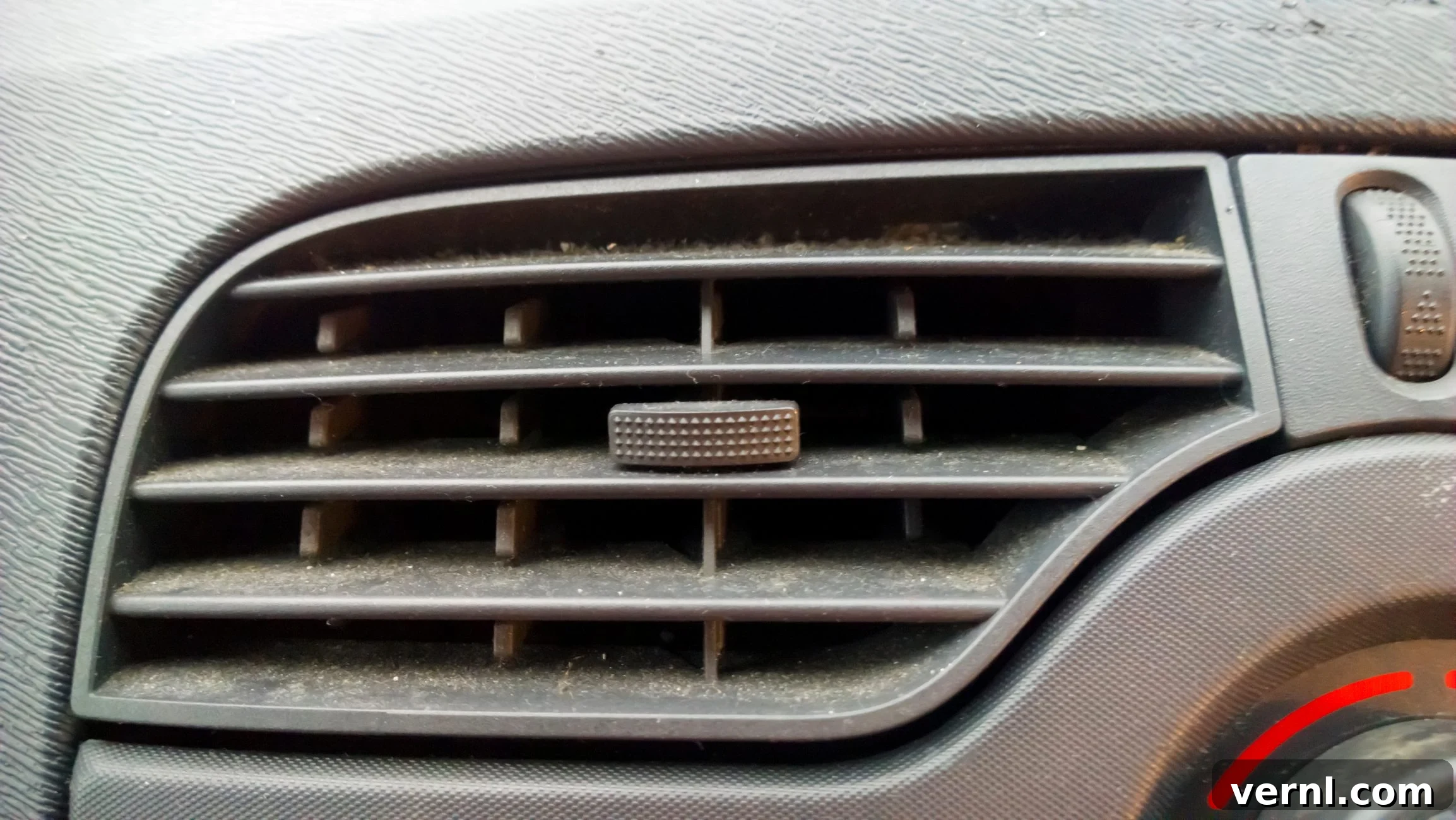
Understanding Brown Foam in Your Car’s AC: Causes, Concerns, and Solutions
Discovering brown foam bits around your car’s AC vents can be a confusing and slightly alarming experience for any vehicle owner. It’s a surprisingly common phenomenon, particularly in cars that have accumulated over a decade of use. Having spent nearly 60 years immersed in the intricate world of automotive repair as an ASE and GM master technician, I’ve witnessed this issue countless times. While often perceived as a mere nuisance requiring regular clean-ups, this seemingly minor problem signals an underlying condition within your vehicle’s heating, ventilation, and air conditioning (HVAC) system. Understanding the root cause of this deteriorating foam is crucial for maintaining both your car’s performance and the air quality inside the cabin. This comprehensive guide will delve into what this brown foam is, why it appears, what steps you can take, and whether it poses any safety risks, providing you with all the essential information to address this issue effectively.
What Exactly Is the Brown Foam Emitting from Your Car’s AC?
The brown foam you’re finding is essentially the degraded remnants of foam seals and insulation materials strategically placed throughout your car’s complex HVAC ducting system. Imagine it like the weatherstripping around your home’s windows, but specifically designed for the automotive environment. These foam components play a vital role in ensuring the efficiency and proper functioning of your vehicle’s climate control. Their primary purpose is to create airtight seals between various components of the HVAC system, preventing air leaks and directing airflow precisely where it’s needed – whether that’s to the windshield for defrosting, to your feet for heating, or directly into the cabin for cooling.
Specifically, this foam is found in critical areas such as the junctions between different duct sections, around the blower motor fan, within the heat/cooling exchanger (plenum) system, and especially on or around the blend doors. Blend doors are pivotal components that control the mix of hot and cold air, dictating the temperature of the air delivered to the cabin. The foam helps these doors seal properly against their housings, ensuring that air doesn’t bypass the heating or cooling coils when it shouldn’t. When these foam seals deteriorate, they lose their integrity, fragment into small pieces, and are eventually expelled through the AC vents.
Why Is the Foam Disintegrating and Coming Out of Your Car’s AC System?
The appearance of foam from your AC vents is a clear indicator of material degradation within the HVAC system. Several factors contribute to this breakdown, accelerating the aging process of these critical foam components:
1. Natural Aging and Material Degradation
The most prevalent reason for foam discharge is simply age. Over time, the synthetic materials used in automotive foam seals and insulation are subjected to continuous stress. This constant exposure to dynamic conditions causes the foam to become brittle, lose its original elasticity, and eventually crumble. As it hardens and breaks down into small particles, the powerful airflow generated by the blower motor effortlessly picks up these fragments. These airborne particles are then propelled through the AC and heater ducts, eventually finding their way out through the dashboard AC vents, louvers, or even the heater ducts onto the floor.
2. Extreme Temperature Fluctuations
Automotive HVAC systems operate under incredibly wide temperature swings, which significantly contribute to foam degradation. In scorching summer climates where ambient temperatures can soar to 100 degrees Fahrenheit (with internal cabin temperatures potentially reaching 125 degrees F when parked), rapidly firing up the AC can plunge duct temperatures to a brisk 40 degrees F. Conversely, during freezing winters, the heater can output air as hot as 180 degrees F. This continuous cycle of extreme heating and cooling causes the foam materials to expand and contract repeatedly, stressing their structure and accelerating their breakdown. These rapid thermal cycles compromise the foam’s integrity, leading to premature failure.
3. Moisture Buildup and Contaminants
Moisture is an inherent byproduct of the AC cooling process, as condensation forms on the evaporator coil. While HVAC systems are designed with drain weep holes to expel this moisture, blockages can lead to water pooling inside the evaporator case and ductwork. This damp environment, combined with airborne dirt, dust, and debris that enters through the outside air intake, creates a perfect breeding ground for mold, mildew, and microbial growth. These contaminants can further accelerate the decomposition of foam materials. Additionally, dirty or clogged cabin air filters fail to adequately filter incoming air, allowing more particulate matter to enter the system and potentially abrade the foam over time.
4. Adhesive Failure
Beyond material breakdown, the adhesive used to secure the foam to various HVAC duct parts can also fail. Over years of thermal cycling, vibration, and exposure to moisture, the adhesive can dry out, lose its tackiness, and simply let go. Once the foam becomes loose, it’s easily caught in the airflow and blown out of the system, even if the foam itself hasn’t completely disintegrated yet.
Proactive Maintenance to Prevent Foam Deterioration
Basic, consistent maintenance is your best defense against premature foam degradation and the subsequent mess. By keeping your HVAC system clean and dry, you can help preserve the pliability and sealing effectiveness of these crucial foam components. Here are key maintenance practices:
- Regularly Replace the Cabin Air Filter: The cabin air filter is your vehicle’s first line of defense against airborne contaminants. A clean filter prevents dust, pollen, leaves, and other debris from entering the HVAC system, which can otherwise clog ducts, promote moisture retention, and physically abrade foam seals. Check your owner’s manual for recommended replacement intervals, typically every 12,000 to 15,000 miles or once a year, but adjust based on driving conditions.
- Clean the AC Evaporator Drain Weep Hole: The AC system produces condensation, which is designed to drain out through a small weep hole at the bottom of the HVAC evaporator case. If this drain becomes clogged with dirt or debris, water will accumulate inside the case, creating a perpetually moist environment that accelerates foam degradation and can lead to foul odors. Periodically inspect and clear this drain, often accessible from beneath the vehicle.
- Remove Debris from the Under-Hood Air Intake Vent: Leaves, dirt, dust, and other organic debris can accumulate in the air intake vent, typically located on the passenger side of the car, under or near the windshield wiper arms. This debris can get drawn into the blower motor and HVAC ducts, contributing to blockages and introducing abrasive materials that wear down foam components. Regularly clear this area.
- Run the AC Blower Fan to Dry Out the Evaporator: After driving with the AC on, especially on humid days, turn off the engine but leave the key in the “on” position (or accessory mode) and run the AC blower fan on a low setting for a minute or two. This simple step helps to dry out any residual moisture left on the evaporator coil and within the ductwork, significantly reducing the risk of mold growth and foam degradation.
What to Do If Foam Starts Coming Out of Your Car’s AC?
If you’ve started noticing those tell-tale brown foam bits, the first course of action is to diligently perform all the preventative maintenance items listed above. Even if the foam is already appearing, these steps can help mitigate further degradation and improve overall system hygiene. Once those are addressed, you can focus on cleaning up the visible foam and assessing the situation further.
Initial Cleanup and Inspection
For visible foam around the dashboard, use a shop vacuum with a narrow attachment to carefully clear away any loose pieces. If you have access to an air compressor, you can use it to blow out particles from crevices, but *always* wear safety glasses and a respirator when working with compressed air to prevent inhaling dust and foam particles. Carefully remove the AC vents/louvers from the dashboard, if possible. Exercise extreme caution during this process, as these plastic components, much like the foam itself, can become brittle with age and crack easily during removal. Once the vents are out, vacuum out the ducts as much as you can reach, and thoroughly clean the vents/louvers and surrounding interior with disinfectant wipes.
Assessing the Severity and Repair Options
After a thorough cleanup and maintenance, observe your HVAC system’s performance. If the system continues to cool and heat effectively, and the airflow seems adequate despite the occasional foam discharge, you might be able to simply maintain your cleaning routine and continue driving. The presence of foam primarily indicates a breakdown of insulation and seals, which can lead to minor air leaks or reduced efficiency over time, but not necessarily an immediate catastrophic failure.
However, if you’re experiencing noticeable changes in airflow, reduced heating or cooling capacity, or unusual noises, the issue might be more severe. Replacing the degraded foam involves gaining access to the HVAC system’s ductwork, which often requires removing significant portions of the dashboard or specialized panels. While it is technically possible for an experienced DIY enthusiast to undertake this, it’s a complex and time-consuming job. In my professional experience, this type of repair is typically best left to certified automotive technicians who possess the specialized tools and expertise to safely dismantle and reassemble intricate dashboard components without causing further damage.
Is It Safe To Keep Driving With Brown Foam Coming From My Car’s AC?
The safety implications of driving with brown foam emerging from your car’s AC largely depend on the volume of foam and the extent of degradation. If the foam is dry and appears sporadically around the vents, primarily as an aesthetic annoyance, it generally doesn’t pose an immediate critical safety hazard to the vehicle’s operation. However, ignoring the issue completely comes with its own set of concerns, both for vehicle performance and occupant health.
Impact on Air Quality and Health
The most significant concern relates to indoor air quality. Those tiny foam particles are essentially microplastics, and when they become airborne within the passenger compartment, they can be inhaled. This can negatively affect air quality, especially problematic for individuals who suffer from allergies, asthma, or other respiratory sensitivities. Continuous exposure to these airborne particulates can exacerbate existing conditions or even lead to new respiratory irritations over time. While the health risks are generally low for occasional, minor foam discharge, consistent presence of these particles warrants attention for the well-being of the vehicle’s occupants.
Implications for HVAC System Performance
Beyond health concerns, the presence of foam also serves as a clear warning sign that your HVAC system requires attention. The foam’s deterioration means that seals and insulation are compromised. This can lead to:
- Reduced Efficiency: Air leaks through degraded seals mean that conditioned air (hot or cold) isn’t being delivered efficiently to the cabin. The system has to work harder to maintain the desired temperature, leading to increased fuel consumption and strain on components.
- Inconsistent Airflow: Degraded foam on blend doors can prevent them from sealing properly, leading to uncontrolled mixing of hot and cold air, resulting in unpredictable or inadequate temperature control.
- Premature Component Failure: Poor insulation can lead to temperature inconsistencies within the system, potentially stressing components like the blower motor or heating/cooling coils, reducing their lifespan.
- Increased Noise: Loose foam or gaps where foam used to be can sometimes lead to whistling or rattling noises within the ductwork.
Therefore, while you might be able to continue driving with minor foam issues, it’s an indicator that the HVAC system’s integrity is compromised. An inspection by a qualified technician can help identify the extent of the damage and determine if repairs are necessary to prevent further system degradation and ensure optimal performance and air quality in the long run.
Conclusion: Addressing the Brown Foam Issue Proactively
The appearance of brown foam from your car’s AC vents is more than just a cosmetic flaw; it’s a telling symptom of an aging HVAC system. While not always an emergency, it signals the deterioration of vital foam seals and insulation, which can impact cabin air quality, especially for sensitive individuals, and gradually reduce the efficiency and effectiveness of your climate control system. By understanding the causes—primarily age, extreme temperature fluctuations, moisture, and adhesive failure—vehicle owners can take proactive steps.
Implementing regular maintenance, such as replacing the cabin air filter, cleaning the AC drain, and clearing external air intakes, can significantly slow down the degradation process. When foam does appear, a thorough cleanup is a good initial response. However, for persistent issues or noticeable declines in HVAC performance, professional diagnosis and repair are often the most prudent course of action. Addressing this problem not only maintains a cleaner and healthier cabin environment but also helps preserve the longevity and operational efficiency of your vehicle’s entire climate control system, ensuring a comfortable driving experience for years to come.
Resources
- Bill Kirkpatrick, ASE and Volkswagen Master Technician, former shop owner, and dealership service manager and retired a Pennsylvania Department of Education (PDE) certified automotive technology and small engine instructor. (Nov 23, 2024)
- Joe Simes, ASE and Toyota Master Technician, EPA Section 609 and PennDOT certified emissions and safety inspection instructor and inspector, and PDE certified automotive technology instructor at North Montco Technical Career Center in Lansdale, PA. (Nov 23, 2024)