Just as you routinely test your smoke alarms to ensure your home’s safety, an equally vital but often overlooked aspect of home maintenance is the regular inspection and replacement of filters. From the water supply entering your home to the air circulating through your living spaces and the appliances you rely on daily, filters play a crucial role in maintaining health, efficiency, and longevity. Neglecting these small components can lead to reduced appliance performance, increased energy bills, and a compromised indoor environment.
“To truly extend a product’s life and optimize its performance, consistent cleaning and timely replacement of its parts, especially filters, are absolutely essential,” advises Jill Notini of the Association of Home Appliance Manufacturers. This simple habit can protect your family’s health by preventing dirt, dust, mold, and various pollutants from infiltrating your home’s air and water systems.
This comprehensive guide delves into the specifics of when and how to change filters throughout your home, including those you might often overlook. By adhering to these recommendations, you can ensure your home systems operate as safely and efficiently as possible, safeguarding your health and preserving your investments.
Furnace or HVAC Unit: The Lungs of Your Home
Perhaps the most recognized filters in a household are the panel-style filters that slide into your gas-fired furnace or central heating, ventilation, and air-conditioning (HVAC) unit. These filters are critical for capturing airborne particles like dust, pollen, pet dander, and mold spores before they can circulate throughout your home. A clean HVAC filter not only ensures cleaner air but also allows your system to run more efficiently, reducing energy consumption and extending the lifespan of the unit itself.
The Environmental Protection Agency (EPA) strongly recommends using filters with a Minimum Efficiency Reporting Value (MERV) of 13 or higher. MERV ratings indicate a filter’s ability to capture larger particles, with higher numbers signifying greater filtration efficiency for smaller particles. While a MERV 13 filter offers excellent filtration, it’s vital to choose the highest rating your specific HVAC system can accommodate without restricting airflow excessively, which can strain the unit. Always consult your manufacturer’s guidelines for the appropriate MERV rating and recommended replacement schedule.
Generally, the EPA suggests replacing these filters every two to three months. However, several factors can necessitate more frequent changes, such as living with pets, experiencing allergies or asthma, undertaking home renovations, or living in areas with high pollution or during peak allergy seasons. A clogged filter will force your HVAC system to work harder, leading to higher energy bills, decreased heating or cooling effectiveness, and accelerated wear and tear on components. Regular inspection and timely replacement are your best defense against these issues. For common issues before calling a professional, here are 12 HVAC troubleshooting tips.
Portable Air Cleaner: Targeting Indoor Pollutants
Portable air cleaners, also known as air purifiers or sanitizers, have gained popularity for their ability to improve indoor air quality, particularly in specific rooms or localized areas. The EPA highlights studies indicating that these devices can contribute to small but significant improvements in cardiovascular and respiratory health by effectively reducing indoor pollutants. They are especially beneficial for individuals suffering from allergies, asthma, or those living in areas with poor outdoor air quality.
Many modern portable air cleaners are equipped with indicators that alert you when it’s time to wash, vacuum, or replace their filters. However, understanding the different types of filters and their general lifespans is key to optimal performance:
- HEPA Filters: High-Efficiency Particulate Air (HEPA) filters are renowned for their ability to capture 99.97% of airborne particles as small as 0.3 microns, including pollen, dust mites, pet dander, and mold spores. True HEPA filters should typically be changed annually, though heavy use or highly polluted environments might shorten this interval.
- Pre-filters: These are often the first line of defense, capturing larger particles like hair and lint, thereby extending the life of the more expensive HEPA filter. Pre-filters usually require cleaning or replacement every 30 days. Some are washable.
- Carbon Filters: Designed to absorb odors, gases, and volatile organic compounds (VOCs), carbon filters are crucial for eliminating smells from cooking, pets, smoke, and chemicals. Their lifespan varies from three to six months, depending on the level of odors they need to neutralize.
- Permanent Filters: Some portable air cleaners feature permanent filters that can be cleaned rather than replaced. These should be cleaned every three months, often by vacuuming or washing, and should be replaced only if they become damaged or show significant wear.
Maintaining these filters ensures your air purifier continues to deliver clean, fresh air, protecting your family’s respiratory health. Our guide will save you hours of online research looking for the best air purifier for your room.
Refrigerator Filter: Purity in Every Sip
For homes equipped with refrigerators featuring ice makers or water dispensers, the integrated water filter is a cornerstone of convenient, clean hydration. These filters are specifically designed to remove a range of contaminants that can affect the taste, smell, and safety of your drinking water. Such contaminants include lead, trace pharmaceuticals, microbial cysts, chlorine, and sediment. Ensuring these filters are regularly changed is vital for your health and the longevity of your appliance.
Most refrigerator water filters are effective for approximately 400 gallons of water or for a period of six months, whichever comes first. Adhering to this replacement schedule, or the manufacturer’s specific recommendation, is crucial. Over time, clogged filters can reduce water flow, diminish filtration effectiveness, and potentially become breeding grounds for bacteria.
A significant concern in the market is the prevalence of counterfeit water filters. These “look-alike” products often fail to meet safety and performance standards, meaning they may not effectively remove harmful contaminants and could even introduce new issues. Always purchase genuine filters from reputable sources to guarantee quality and safety. Here’s how to spot them and protect your family from potentially unsafe drinking water.
Dryer Filter: A Critical Safety and Efficiency Component
While often thought of primarily for appliance efficiency, dryer filters, specifically the lint trap, play a critical role in fire prevention. Most modern dryers are designed to remind users to clean the lint trap with each use, a practice that should never be skipped. However, maintenance extends beyond just daily cleaning.
Regularly inspect your lint trap for any signs of damage, such as holes or tears, which would necessitate a replacement. Furthermore, every six months to a year, it’s highly recommended to thoroughly scrub the lint trap with soap and water. This deeper cleaning removes any accumulated residue from fabric softeners or dryer sheets that can create an invisible film, blocking airflow and reducing your dryer’s efficiency. A blocked lint trap forces the dryer to work harder, increasing drying times, consuming more energy, and critically, elevating the risk of a lint fire.
Beyond the lint trap, also inspect the dryer’s ventilation hose and ductwork. Lint can escape the trap and accumulate in these hidden areas, posing a severe fire hazard. Ensure the hose is securely attached, free of kinks, and that lint has not built up in the ductwork. If you notice significantly longer drying times or a burning smell, it could indicate a dangerous lint buildup in your dryer’s exhaust system, requiring immediate attention and professional cleaning.
Humidifier Filter: Balancing Moisture and Purity
Humidifiers introduce moisture into the air, which can be beneficial for respiratory health, skin, and even wooden furniture. However, to ensure that the moisture introduced is clean and free from impurities, the humidifier’s filter or pad is essential. These disposable components absorb mineral deposits and impurities from the water, as well as trapping airborne particles and bacteria before they can be dispersed into your home.
The frequency of filter replacement for humidifiers depends on the type and usage:
- Portable Humidifier Filters: For standalone portable units, filters should be changed at least every three months. If you use your humidifier daily, especially in areas with hard water (which leads to quicker mineral buildup), more frequent changes—potentially monthly—may be necessary. A dirty filter in a portable humidifier can release mineral dust into the air or become a breeding ground for mold and bacteria, counteracting the very benefits of humidification.
- Built-in Whole-House Humidifiers: Integrated into your HVAC system, these humidifiers require filter changes once or twice a year, typically coinciding with your seasonal home maintenance rounds. Maintaining these filters is crucial for ensuring healthy humidity levels throughout your entire home without introducing contaminants.
Proper humidifier filter maintenance prevents the dispersal of harmful particles and ensures the unit operates effectively and hygienically. This is how to choose the best humidifier for your space.
Vacuum Cleaner Filter: Capturing the Unseen
Your vacuum cleaner is a primary tool for maintaining a clean home, but its effectiveness relies heavily on its filtration system. Vacuums are designed to suck up and trap a multitude of allergens, dirt, pet hair, dust mites, and other fine particles from your flooring and upholstery. The built-in bags or filters, especially in HEPA models, are crucial for containing these microscopic invaders and preventing them from being recirculated back into the air you breathe.
Neglecting your vacuum’s filters can lead to several problems: reduced suction power, an inability to effectively capture fine particles, and even the re-release of trapped allergens back into your home. To ensure optimal performance:
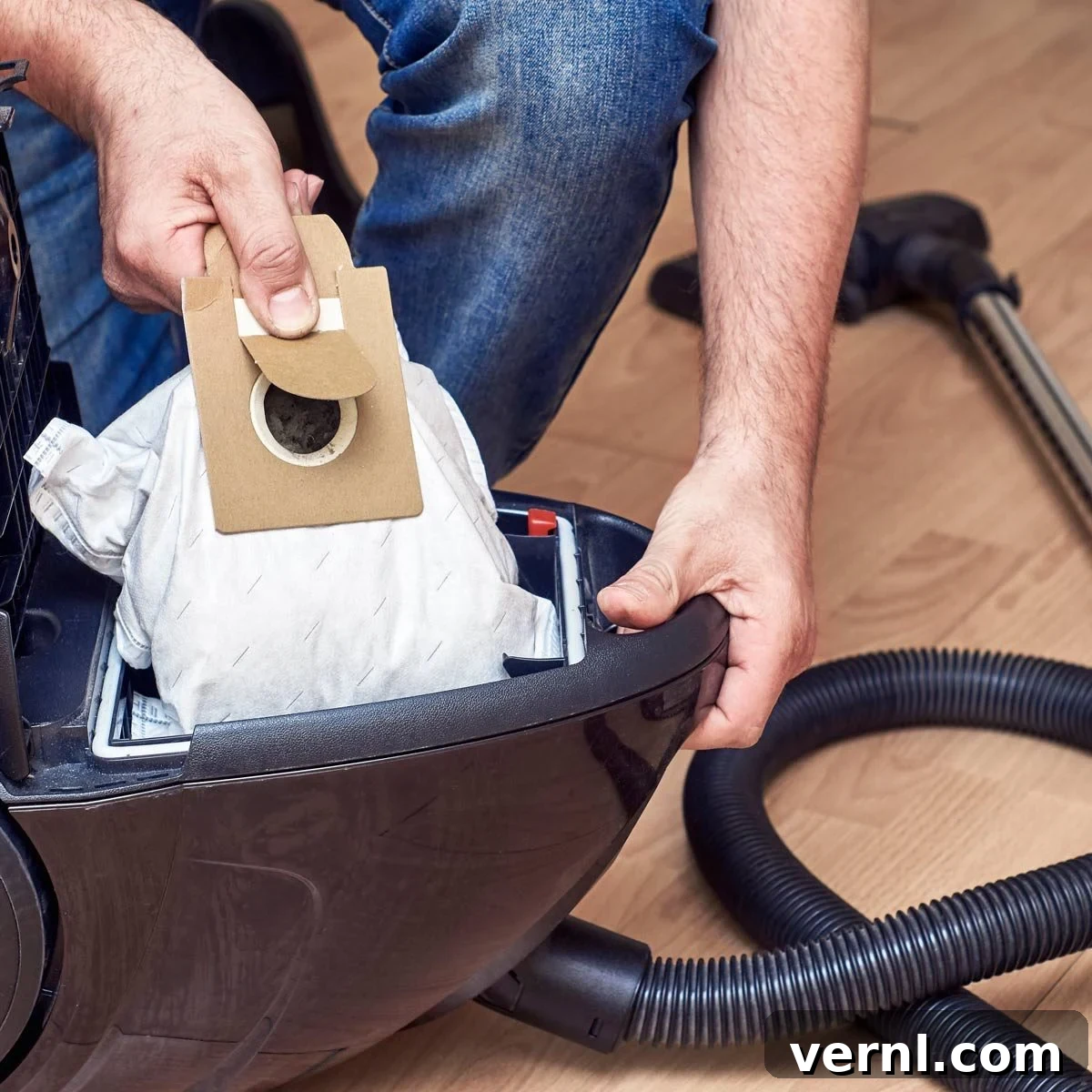
- Bagged Vacuums: Do not let vacuum bags get more than three-quarters full. A full bag significantly restricts airflow and reduces cleaning efficiency. Replace bags before they are completely packed.
- Bagless Vacuums: For bagless models, the internal filters are paramount. These should be changed or thoroughly cleaned every three months, or more frequently if you vacuum often or have pets. Many bagless vacuums have washable filters, but they must be completely dry before reinsertion to prevent mold growth.
- HEPA Filters: If your vacuum features a HEPA filter, it’s designed to capture the smallest particles. Follow the manufacturer’s specific instructions for cleaning or replacement, which often ranges from annually to every few years, depending on use.
Beyond filters, once or twice a year, it’s also wise to empty and clean the canister of bagless vacuums, check the belt for cracking or wear, and ensure the hose isn’t clogged. A well-maintained vacuum not only cleans better but also lasts longer and contributes significantly to better indoor air quality.
Well Water Filter: Safeguarding Your Source
For homeowners relying on well water, a whole-house water filtration system is an indispensable defense against various contaminants. Unlike municipal water, well water is not treated by a city and can contain a range of impurities, including sediment, iron, sulfur, pesticides, bacteria, and other unwanted chemicals and pollutants that originate from the surrounding environment. A properly maintained well water filter ensures that the water entering your home is clean and safe for drinking, bathing, and appliance use.
These crucial filters typically require changing every 30 to 90 days, depending on the water quality, usage, and the specific type of filter. High levels of sediment or contaminants will necessitate more frequent changes. Neglecting these filters can lead to a host of problems: reduced water pressure, damaged plumbing fixtures and appliances (like water heaters and dishwashers), unpleasant tastes or odors in your water, and potential health risks.
While primarily vital for well water systems, whole-house filters can also be beneficial for some city water systems. They can remove residual chlorine, heavy metals, or sediment that might still be present in treated municipal water, providing an extra layer of purity for your entire home. Regular maintenance of these filters is key to protecting your household’s health and the integrity of your home’s plumbing system.
Conclusion: The Undeniable Value of Filter Maintenance
From the air you breathe to the water you drink, filters are silent guardians working tirelessly behind the scenes to maintain a healthy and efficient home. Neglecting their simple maintenance can lead to a cascade of issues, including diminished indoor air quality, contaminated water, reduced appliance lifespan, and significantly higher energy costs. By making filter replacement a regular part of your seasonal home maintenance routine, you invest in your family’s health, safety, and the longevity of your valuable home appliances.
Create a comprehensive filter maintenance schedule today. Check manufacturer guidelines, set reminders on your phone, or mark dates on your calendar. This small, consistent effort will pay significant dividends, ensuring your home remains a sanctuary of comfort, efficiency, and well-being for years to come.