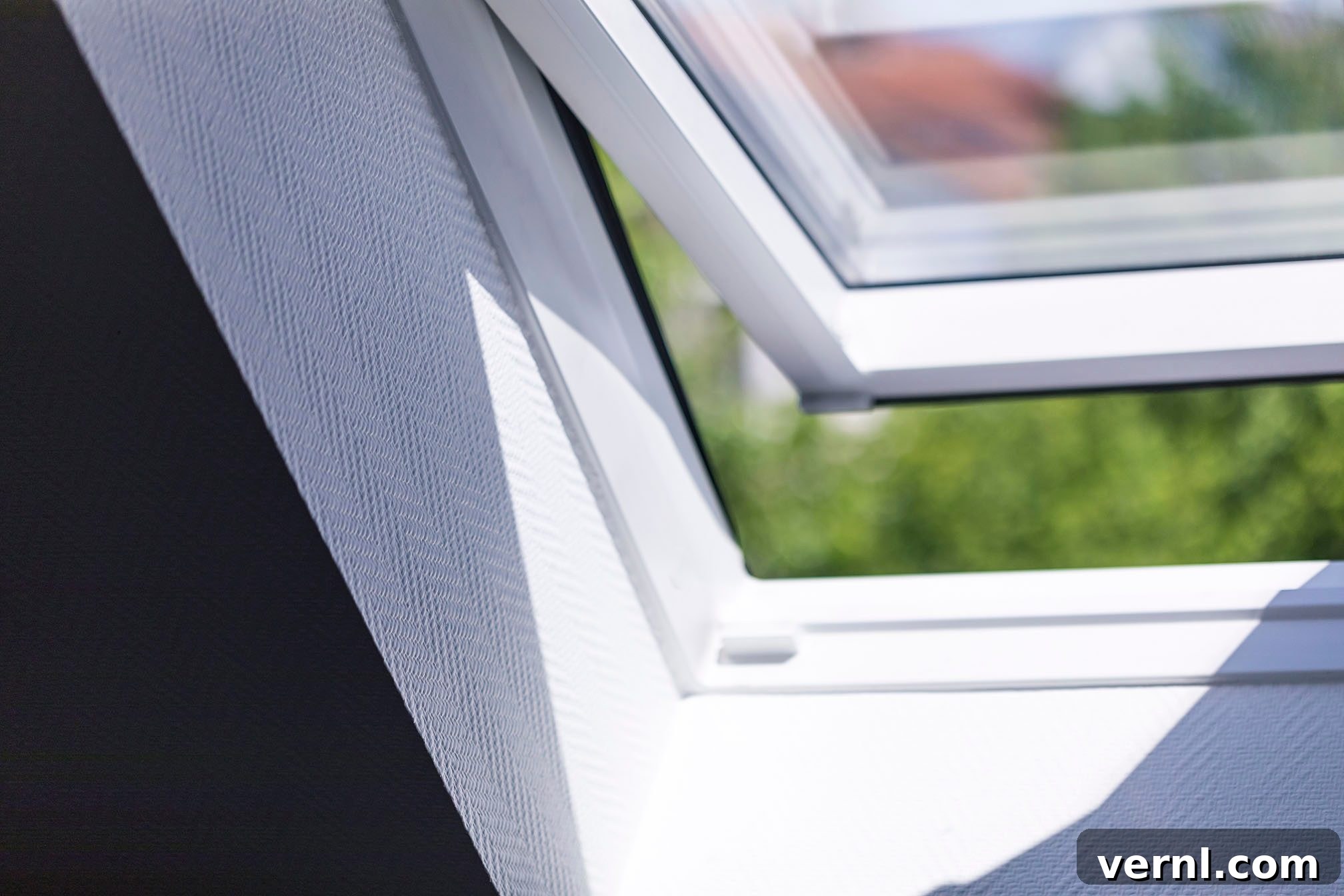
Your Ultimate Guide to Skylight Replacement: Costs, Types, and Timely Solutions
Skylights, often referred to as roof windows, have been an integral architectural feature for well over 150 years. Their origins can be traced back to early tenement housing in European cities like England, France, and Germany, where they were ingeniously employed to bring essential natural light into top-floor dwelling areas. Their popularity saw a dramatic rise in the U.S. from the 1970s through the 1990s, becoming a highly sought-after addition as builders incorporated them into homes across the country, celebrated for their ability to transform interiors with abundant daylight.
However, much like any other component of a home, skylights are subject to the inexorable march of time. As original installations age and construction technologies improve, older skylights inevitably become more susceptible to a range of performance issues. These commonly include moisture intrusion, critical seal failure, and other typical window-related problems that can compromise both their aesthetic appeal and functional integrity. This natural degradation often leaves homeowners pondering a crucial question: are their beloved skylights ready for replacement?
This comprehensive guide is designed to navigate you through every facet of skylight replacement. We will delve into understanding the varying costs involved, explore the diverse types of replacement skylights available on the market today, assess the feasibility of a do-it-yourself approach versus hiring a professional, and most importantly, equip you with the knowledge to identify the definitive signs that signal it’s time for a repair or a complete replacement. Our aim is to provide clarity and empower you to make an informed decision for the longevity and comfort of your home.
Understanding Skylight Replacement Costs
When planning any home improvement project, gaining a clear understanding of potential expenses is paramount, and skylight replacement is no exception. The total cost can fluctuate significantly based on several critical variables. Foremost among these is the size of the skylight itself; larger units generally require more materials and a more complex, labor-intensive installation process. Other influential factors include the specific location of the skylight on your roof, the steepness or pitch of your roof (which can impact labor time and safety equipment needs), and whether your project entails replacing the entire skylight unit or simply the glass pane.
Technological advancements and desired features also play a substantial role in replacement costs. Upgrading from a basic, manually operated skylight to a modern, remote-controlled, or even smart home-integrated model will naturally incur higher expenses due due to the inclusion of advanced automation and electronic components. Conversely, if your existing skylight only requires minor restorative work, such as resealing with new caulk, repairing flashing, or enhancing weatherization, the cost will be considerably lower than a full unit replacement. These smaller repairs can often extend the life of an otherwise sound skylight.
According to reputable industry sources like HomeAdvisor, the average cost for replacing a skylight in the U.S. typically falls within a range of $900 to $2,300. This estimate usually encompasses both the new skylight unit and standard installation labor. If your situation permits the replacement of only the glass pane, costs can be significantly lower, ranging between $300 and $800. However, opting for premium glazing options—such as low-emissivity (Low-E) glass to block harmful UV rays, argon or krypton gas-filled dual-pane units for superior thermal insulation, or even triple-pane glass for maximum energy efficiency and sound dampening—will place your project at the higher end of the cost spectrum, reflecting their advanced performance and material quality. It is always advisable to obtain multiple detailed quotes from qualified local contractors to ensure a precise and competitive cost estimate tailored to your specific project needs.
Exploring the Types of Skylight Replacements
The modern skylight market offers a diverse array of options, each meticulously engineered to fulfill distinct aesthetic and functional requirements. When contemplating a skylight replacement, a thorough understanding of these types is essential to selecting the optimal fit for your home’s architecture, your lifestyle, and your specific needs. The three primary categories of replacement skylights that homeowners typically consider are fixed, tubular, and vented.
Fixed Skylights: Pure Illumination and Energy Efficiency
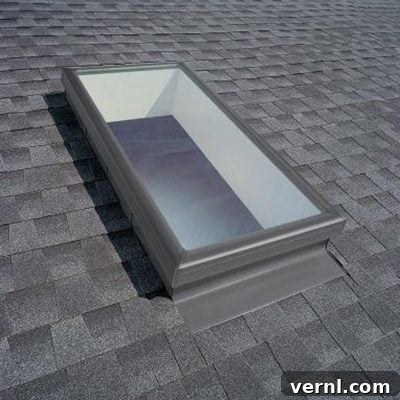
Fixed skylights represent the most traditional and often the most budget-friendly choice available. Functioning much like a standard window, their sole purpose is to invite an abundance of natural light into an interior space, thereby enhancing the room’s ambiance, creating a sense of spaciousness, and reducing reliance on artificial lighting during daylight hours. As sealed units, they do not open, which makes them highly effective barriers against air and moisture infiltration when properly installed and maintained. Fixed skylights are an ideal solution for rooms where ample natural light is desired but ventilation is not a primary concern, such as living rooms, dining areas, hallways, or master bedrooms that already benefit from sufficient existing airflow.
Contemporary fixed skylights often come with a variety of advanced features. Some models incorporate durable plastic domes that provide an extra layer of protection against impact from falling objects like tree branches, hailstones, or heavy snow loads, significantly enhancing their resilience in challenging weather conditions. Furthermore, modern fixed units boast sophisticated glazing options, including advanced Low-Emissivity (Low-E) coatings that effectively block harmful UV rays, minimizing solar heat gain in summer and preventing heat loss in winter. This not only contributes to superior energy efficiency and lower utility bills but also protects interior furnishings, flooring, and artwork from sun-induced fading and damage.
Tubular Skylights: Targeted Brightness for Enclosed Spaces
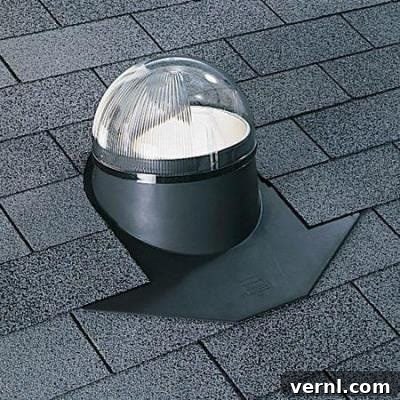
Tubular skylights, frequently known as “sun tunnels” or “solar tubes,” are an ingenious innovation designed to channel natural light into smaller, interior rooms or spaces where the installation of a traditional window or a larger, framed skylight would be impractical or impossible. These are typically installed in areas such as pantries, hallways, walk-in closets, laundry rooms, or even interior bathrooms, effectively transforming dark, often forgotten corners into brightly lit and more functional spaces without requiring major structural modifications.
The system is comprised of three core components: a clear, weather-resistant plastic dome or low-profile glass unit positioned on the roof to capture sunlight; a highly reflective cylindrical tube that efficiently transports this captured light through the attic space, bridging the distance between the roof and the room’s ceiling; and an attractive diffuser or lens that is installed flush with the ceiling, spreading the natural light evenly throughout the room below. Their compact footprint and minimal structural demands make them relatively easy and remarkably cost-effective to install, providing a surprisingly significant amount of daylight for their size. Modern tubular skylights are engineered with advanced reflective materials and sealed systems to minimize heat transfer, ensuring that the benefits of natural light do not come at the expense of your home’s thermal comfort. Some contemporary models even offer optional integrated lighting kits, allowing the unit to serve as an energy-efficient electric light source during nighttime hours or on overcast days.
Vented Skylights: The Perfect Blend of Light and Fresh Air
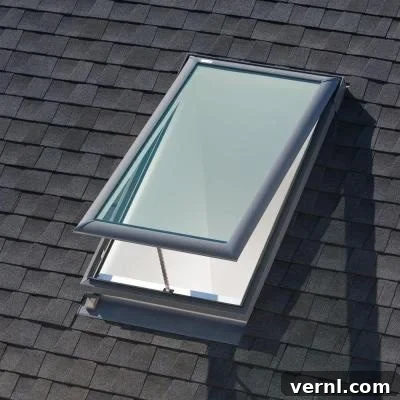
Vented skylights, also commonly referred to as “ventilating skylights,” offer the ideal combination of abundant natural light and the invaluable option for fresh air circulation. Similar to fixed skylights, they are strategically placed where enhanced illumination is desired, but with the added, crucial functionality of being able to open and close. This dual capability makes them exceptionally well-suited for rooms that significantly benefit from additional ventilation to manage humidity, dispel cooking odors, or mitigate excess heat, such as kitchens, bathrooms, laundry rooms, or even home offices. Beyond simple air exchange, vented skylights can contribute to the creation of a natural “chimney effect” in homes, allowing hot, stale air to escape through the roof, which can substantially reduce cooling costs and improve indoor air quality, particularly during warmer months.
Vented skylights are available in two primary operational types: manual and motorized. Manual models typically feature a simple crank handle or an extendable pole for convenient opening and closing, making them practical for skylights installed within easy reach. Motorized versions, conversely, offer enhanced convenience, operating via a remote control, a wall switch, or even a smartphone app, rendering them perfect for rooms with high or vaulted ceilings where manual access is difficult. Many advanced motorized vented skylights are equipped with sophisticated rain sensors that automatically detect the onset of precipitation and close the unit, offering peace of mind and preventing water intrusion. Furthermore, some models integrate seamlessly with smart home systems, allowing for programmed opening and closing schedules, or integration with existing home climate control systems, thereby maximizing their energy-saving potential and overall user convenience.
DIY Skylight Replacement vs. Professional Contractor
The decision of whether to undertake a skylight replacement as a do-it-yourself project or to delegate it to a professional contractor hinges on a careful assessment of several factors, including your personal skill level, your comfort with working at heights, and the inherent complexity of the installation. Window replacement of any kind, especially a roof-mounted one like a skylight, demands a considerable amount of DIY acumen. It involves precise measurements, meticulous sealing techniques, and a fundamental understanding of roof construction and integrity. You’ll need to expertly remove the old unit, thoroughly prepare the existing roof opening, install new and critical flashing around the exterior, and perform other essential weatherproofing tasks to prevent future leaks and ensure long-term durability.
While a particularly handy homeowner might find the process somewhat analogous to replacing a standard window, there is a significant and undeniable caveat: you are working on a roof. This introduces a multitude of safety concerns and technical challenges that should not be underestimated. Some roofs can be incredibly steep, making navigation treacherous and significantly increasing the risk of falls and injuries. If the skylight in question is situated on a roof that is exceptionally high off the ground, possesses a steep pitch, or involves intricate roofing materials such as tile or slate, it is almost always strongly recommended to engage a qualified, experienced contractor. Professionals bring specialized tools, extensive hands-on experience, and crucial safety equipment to the job, ensuring that the installation is not only executed safely but also correctly sealed, structurally sound, and compliant with local building codes, often backed by a comprehensive warranty. Attempting an improper DIY installation can lead to costly water damage, serious structural issues, and potentially voided product warranties, making any initial cost savings negligible in the long run when compared to the potential remediation expenses.
Identifying the Need: Replace or Repair Your Skylight?
For many homeowners, the ultimate and most pressing question is whether their aging or underperforming skylight truly requires a complete replacement or if a less extensive repair will suffice. While certain issues are unequivocal indicators for a full unit replacement, many common problems can often be resolved with more targeted and cost-effective repair work. The most glaring and alarming sign that your skylight demands immediate attention is the presence of water leaking inside your home from around the unit. While a persistent or significant leak might initially suggest replacing the entire window, in numerous instances, leaks can be traced back to compromised or deteriorated flashing or weatherstripping, which are typically simpler and more budget-friendly to repair. However, if the leak is widespread, originates from within the insulated glass unit itself, or if the skylight unit is severely outdated or structurally compromised, a complete replacement often becomes the more prudent and long-term solution.
Beyond active water leaks, several other pervasive symptoms can signal potential skylight failure. These critical indicators include visibly cracked glass panes, the overall age of the window unit, persistent and noticeable condensation accumulating between the glass layers, and distinct discoloration or pervasive fogging of the glass. Let’s delve deeper into each of these warning signs to help you accurately diagnose your skylight’s condition and make an informed decision.
Cracked Glass Panes: A Clear Call for Immediate Action
Any instance of a cracked window, particularly within a skylight, demands immediate attention and repair. Even a seemingly minor hairline crack can critically compromise the structural integrity of the unit, creating an open pathway for moisture to seep into your home, which can subsequently lead to more severe damage to the skylight’s frame, the surrounding roof structure, and your home’s interior finishes. If left unattended, such cracks will almost inevitably grow larger over time, further impairing both the energy efficiency and the overall structural stability of the window. The crucial decision at this juncture is whether to replace merely the glass pane or the entire skylight unit. This determination often hinges on several factors: the severity and location of the crack, the specific type of glass in the skylight, and, most significantly, the overall age and condition of the existing window unit. If the skylight is nearing or has already exceeded its expected lifespan, a full unit replacement will generally offer superior long-term value, enhanced performance, and updated energy efficiency.
The Critical Factor: Window Age and Its Implications
Just like every other component within a house, skylights possess a finite operational lifespan. Over an extended period, the materials used in their construction will naturally degrade, the critical seals designed to maintain insulation will fail, and the technology embedded within them will become outdated compared to modern innovations. The average lifespan of a skylight window typically ranges from 10 to 20 years, a duration that can vary based on the quality of the original unit, the degree of exposure to harsh environmental elements, and the consistency of maintenance it has received. If your skylights are approaching or have already surpassed this general age range, they are inherently more susceptible to developing various forms of failure and diminished performance.
Even in the absence of obvious signs of damage or leakage, older skylight units are invariably less energy-efficient than their contemporary counterparts. This reduced efficiency can translate directly into higher heating and cooling costs for your home throughout the year. Therefore, if your skylights are within or beyond this age bracket, it is highly advisable to have them professionally inspected. A thorough assessment by a qualified expert can help detect any hidden issues that may be developing, such as internal seal failures or material fatigue, and accurately determine whether the unit is still performing optimally in terms of insulation, structural integrity, and overall functionality. This proactive approach can prevent minor issues from escalating into major, costly problems down the line.
Understanding Condensation: A Definitive Sign of Seal Failure
Occasional condensation forming on the exterior surface of your skylight, much like on other windows in your home, can be a perfectly normal phenomenon, especially during periods of high humidity or significant temperature differentials between indoor and outdoor environments. However, the persistent presence of condensation *between the panes* of a double or triple-glazed skylight is an unmistakable and definitive sign of seal failure. This critical issue occurs as the window ages and the hermetic seal, which creates an airtight chamber around the glass layers, begins to break down. This degradation allows moist ambient air to penetrate the space between the panes.
Once this insulating seal is compromised, the inert gas (such as argon or krypton), which is typically injected between the panes to enhance thermal performance, escapes. Subsequently, moisture from the atmosphere becomes trapped inside, leading to a persistent foggy, cloudy, or even milky appearance that cannot be cleaned away from either the interior or exterior surface. If your window has condensation between its panes, it unequivocally means that its energy efficiency and insulating properties are severely compromised. If left unaddressed, this trapped moisture can not only lead to unsightly mold and mildew growth but, more critically, it can also signify ongoing water penetration into your roof structure, potentially causing extensive and costly damage to insulation, wooden rafters, and interior finishes. You certainly want to avoid the significant expense of a costly roof replacement or extensive structural repairs, which could all stem from simply ignoring an issue with your skylight.
Discoloration and Fogging: Beyond Mere Aesthetics
Aging skylight windows may begin to exhibit noticeable discoloration, a persistent hazy appearance, or pervasive internal fogging after years of relentless exposure to the sun’s powerful ultraviolet (UV) rays and other environmental stressors. This visual degradation is far more than just an aesthetic concern; it serves as a strong indicator of a significant reduction in the skylight’s overall performance, protective capabilities, and energy efficiency. UV radiation, in particular, can cause the breakdown of materials within the glass itself, the internal blinds or shades (if present), or the plastic domes on the exterior, leading to an unsightly yellowed, cloudy, or opaque appearance that obscures natural light.
Pervasive fogging, especially if it is internal and persistent (i.e., between the glass panes), is a robust indicator of a failing window seal, echoing the issues discussed regarding condensation. This trapped moisture, combined with the gradual deterioration of the skylight’s components, not only severely obscures your view and significantly diminishes the amount of natural light entering your home but also compromises the unit’s insulating properties, allowing for greater heat transfer and making your home less energy-efficient. While external dirt and grime might be remediated with a simple cleaning product, internal fogging or pervasive discoloration due to UV damage is not treatable through cleaning and definitively points to a deeper, more systemic problem within the unit. In such cases, it is always highly recommended to have a professional inspect the skylight. An expert can accurately diagnose whether the issue is superficial or if it signifies a severely compromised unit that requires either a glass pane replacement or a full skylight replacement to restore both its aesthetic appeal and its crucial functional integrity.