Ultimate Guide to Carpenter Ants: Protecting Your Home from Destructive Pests
Carpenter ants are more than just a nuisance; they are formidable pests capable of causing significant structural damage to homes and businesses. Driven by an instinct to find a moist, secluded environment to establish their colonies, these ants meticulously excavate tunnels and galleries within dead or damp wood. This tunneling activity, while crucial for their survival and the growth of their colony, can severely compromise the integrity of wooden structures, leading to costly repairs. If you suspect you might be sharing your space with a colony of carpenter ants, understanding their behavior, identifying their presence, and knowing how to effectively manage them is your first line of defense. This comprehensive guide will equip you with the knowledge to identify carpenter ants, recognize the tell-tale signs of an infestation, and implement proven strategies for eradication and long-term prevention.
Understanding the Carpenter Ant: A Closer Look
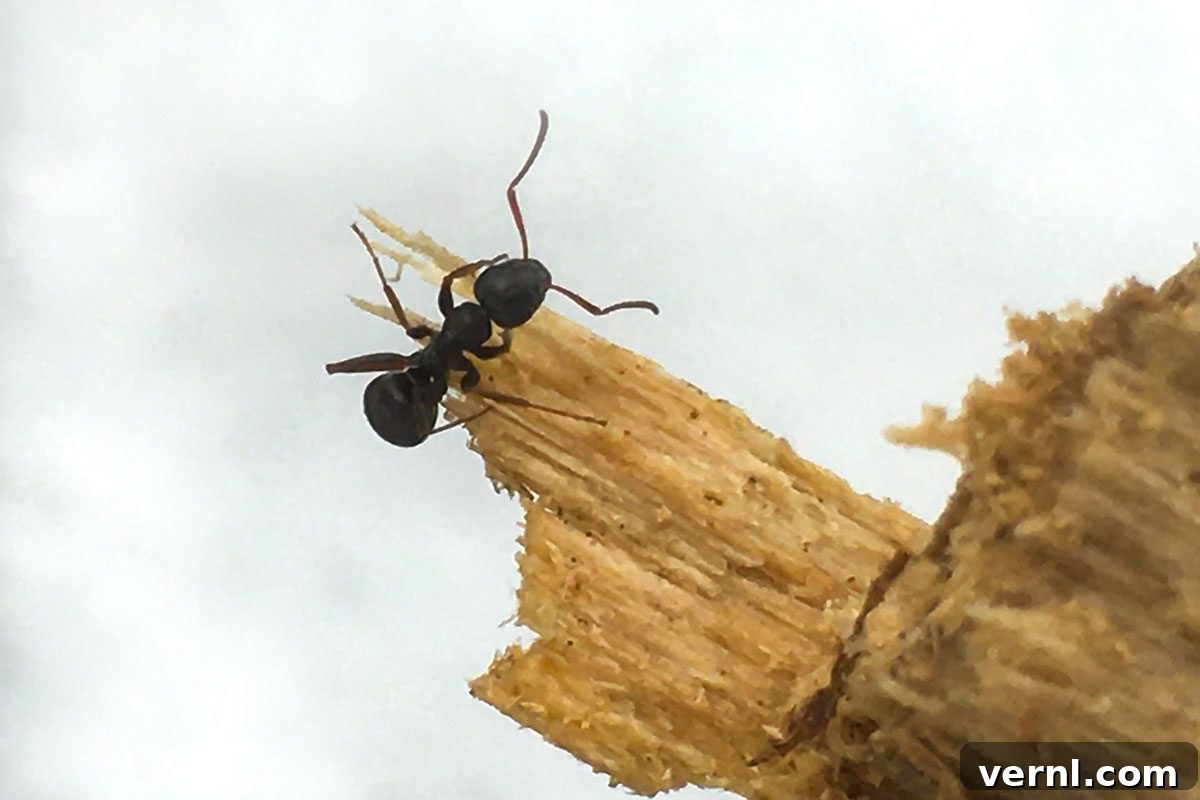
A member of the Formicidae family, which also includes bees and wasps, the carpenter ant is a highly social insect known for its distinct excavating habits. Unlike termites, which actually consume wood, carpenter ants tunnel through wood to create nesting sites, pushing out wood debris in the process. These ants thrive in large, organized colonies comprising various castes, including workers, scouts, and a reproductive queen. Commonly found in diverse environments ranging from dense wooded forests to suburban neighborhoods and urban settings, carpenter ants are one of the most prevalent and largest ant species across the United States. Their adaptability allows them to thrive in various conditions, making them a common household pest.
It’s crucial to distinguish carpenter ants from other wood-destroying insects like termites. While both can cause extensive damage and might appear similar at first glance, their biology and behavior differ significantly, requiring different approaches to treatment. Correct identification is the cornerstone of effective pest management.
What Do Carpenter Ants Look Like? Identifying the Enemy
Accurate identification is paramount when dealing with potential pest infestations. While carpenter ants and termites are both wood-destroying insects, they have distinct physical characteristics. Here’s how to differentiate a carpenter ant from a termite:
Carpenter Ants: Key Identification Features
- Size: Typically larger than most common ants, measuring between 1/2-inch to 5/8-inch in length.
- Body Segmentation: Possess three distinct body segments: a head, a narrow, constricted waist (pedicel) between the thorax and abdomen, and an abdomen.
- Head and Antennae: Characterized by large heads and distinctive elbowed (bent) antennae.
- Wings: Reproductive carpenter ants (known as “swarmers”) have two pairs of wings. The front wings are noticeably longer than the hind wings, and they are typically shed after mating flights.
- Coloration: Their coloration can vary, often appearing dark red, black, brown, or a combination of these colors.
Termites: Distinctive Characteristics
Termites, on the other hand, are generally smaller, usually no bigger than a dime, and present with these features:
- Body Segmentation: They have two primary body segments, with a thick, unpinched waist, giving them a more uniform body appearance.
- Wings: Swarmer termites also have two pairs of wings, but unlike carpenter ants, both pairs are equal in length and often longer than their body. These wings are also shed after swarming.
- Antennae: Termite antennae are straight, resembling a string of beads, rather than elbowed.
- Coloration: Often light in color, ranging from creamy white to pale brown, or sometimes transparent.
For further clarity, it’s also helpful to understand the differences between carpenter ants and other common black ants you might encounter in your home.
What Attracts Carpenter Ants to Your Home?
Understanding what draws carpenter ants to your property is the first crucial step in preventing and managing an infestation. Like any pest, carpenter ants are primarily attracted to sources of shelter, food, and water. Eliminating these attractants can significantly reduce your risk.
Soft, Decaying, and Moist Wood
This is arguably the most significant attractant for carpenter ants. They do not eat wood but instead excavate it to create their nests. They prefer wood that has been softened by moisture or decay, as it is easier to tunnel through. Common sources of such wood include:
- Wood damaged by water leaks (e.g., leaky roofs, pipes, windows).
- Firewood stacks stored directly against the foundation or on the ground.
- Rotting tree stumps, old fences, or landscape timbers.
- Damp crawl spaces or areas with high humidity that affect wooden elements.
- Decking or porch supports that are constantly exposed to moisture.
Accessible Food Sources
While their primary focus is creating nests, carpenter ants are constantly foraging for food to sustain their large colonies. Their diet primarily consists of sugary substances and proteins. They are known to “farm” aphids for honeydew, a sweet secretion. Inside homes, they are opportunists, drawn to:
- Sugary foods like spilled juices, soda, syrup, honey, and fruit.
- Protein sources such as pet food left out, meat scraps in garbage bins, or even dead insects.
- Plant nectar and other small insects found in yards and gardens.
- Unsealed food containers in pantries or crumbs left on counters.
Damp and Dark Places
Beyond the wood itself, carpenter ants seek out dark, secluded, and consistently damp environments for both primary and satellite nests. These conditions offer the ideal humidity and protection they need to thrive. Look for them colonizing in:
- Behind dishwashers, refrigerators, and washing machines, where condensation or leaks may occur.
- Underneath sinks or around leaky plumbing fixtures.
- In the backs of rarely opened, moldy, or damp cabinets.
- Behind wall voids, especially near sources of moisture like showers or exterior walls with water infiltration.
- Around air conditioning units that produce condensation.
- In attics or crawl spaces with poor ventilation and high humidity.
What Repels Carpenter Ants? Turning the Tide
Just as there are things that attract carpenter ants, there are also conditions and substances they actively avoid. Leveraging these deterrents can be an effective part of a prevention or early intervention strategy.
Dry Conditions
Carpenter ants, like all living organisms, require a consistent water source to survive and flourish. They are highly sensitive to desiccation, which is why they gravitate towards moist wood and damp environments. Eliminating moisture is one of the most powerful repellents:
- Fix Leaks: Promptly repair any leaky pipes, faucets, roofs, or foundations.
- Improve Ventilation: Ensure adequate ventilation in attics, crawl spaces, and basements to reduce humidity.
- Manage Drainage: Ensure rainwater drains away from your home’s foundation.
- Remove Standing Water: Eliminate any standing water in your yard, such as in clogged gutters, birdbaths, or pet bowls not in use.
- Dehumidifiers: Use dehumidifiers in damp areas of your home, like basements or laundry rooms.
Strong Odors and Essential Oils
Carpenter ants rely heavily on scent trails for navigation, foraging, and communication within their colony. Strong, disruptive odors can disorient them, making it difficult for them to locate food sources or return to their nests. Certain essential oils are particularly effective due to their potent aromas:
- Lemongrass Oil: Known for its strong citrusy scent.
- Peppermint Oil: A powerful, refreshing scent that disorients ants.
- Clove Oil: Possesses a pungent, spicy aroma.
- Cedarwood Oil: Has a woody, aromatic scent often used in repellents.
- Tea Tree Oil: A strong, medicinal scent that ants avoid.
- Citrus Oils (Lemon, Orange): The d-limonene in citrus peels is a natural insect repellent.
You can use these oils by creating a diluted spray with water and applying it to entry points, cracks, and areas where ants are frequently seen. However, it is crucial to exercise caution: many essential oils are toxic to pets, especially cats. Always research the safety of specific oils if you have furry companions in your home, or opt for alternative, pet-safe deterrents.
Clear Signs of Carpenter Ants In and Around Your House
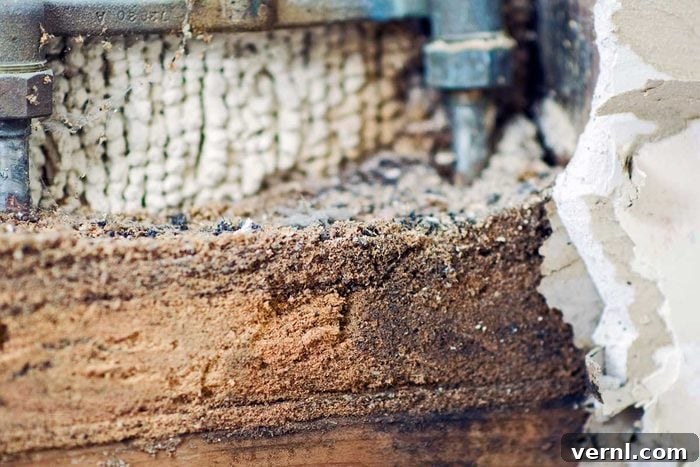
Detecting a carpenter ant infestation early can save you from extensive damage and costly repairs. These insects are often secretive, but they leave distinct clues that can indicate their presence. Be vigilant and look for the following signs:
- Piles of Sawdust (Frass): This is one of the most definitive signs. As carpenter ants excavate tunnels, they push out wood shavings, insulation fragments, and even dead insect parts. This debris, known as “frass,” often resembles sawdust and can be found in small piles near kick-out holes in infested wood, along baseboards, under windowsills, or below infested wooden structures.
- Visible Wood Damage: Inspect exposed wooden surfaces for unusual rutting, grooving, or smooth, clean-cut tunnels. Unlike termite damage, which often looks muddy and ragged, carpenter ant galleries are typically smooth and free of debris. You might notice small, perfectly round “kick-out” holes where the ants expel frass.
- Audible Sounds Within Walls: In quiet environments, particularly at night, you might hear faint rustling, crunching, or crackling sounds coming from inside walls, ceilings, or wooden structures. This is the sound of the carpenter ants actively tunneling and moving within their nest.
- Dead Insect Carcasses: While foraging, carpenter ants will sometimes die within your home. Finding dead ants, especially larger ones, can indicate a nearby colony.
- Shed Wings: Reproductive swarmers shed their wings after their mating flight. Discovering piles of translucent, shed wings near windows, light sources, or along baseboards is a strong indicator of a mature carpenter ant colony attempting to reproduce and expand.
- Sightings of the Ants Themselves: The most obvious sign is seeing live carpenter ants, particularly worker ants foraging for food indoors or winged swarmers emerging from cracks or crevices. Seeing numerous ants regularly, especially in multiple areas of your home, suggests an established colony. Nighttime sightings are particularly common as they are often more active after dark.
Cleaning Up and Assessing Carpenter Ant Damage
Once you confirm the presence of carpenter ants, the immediate aftermath involves not just eradication but also managing the damage they’ve caused. Carpenter ant activity can range from minor cosmetic issues to severe structural compromise, necessitating careful assessment and cleanup.
Begin by meticulously cleaning up any sawdust, insulation, or wood shavings – the “frass” – that the ants have expelled. A shop vacuum is highly effective for this, as it can handle fine debris and larger wood fragments. This cleanup not only removes unsightly waste but also helps you monitor for continued activity once treatment begins. Similarly, sweep or vacuum up any shed wings or dead insect carcasses. Document these findings, as they provide valuable clues about the extent and location of the infestation. More importantly, take note of any visible damage to wooden structures. This might include small holes, weakened wood, or visible tunnels and galleries. Identifying all damaged areas is crucial for determining the scope of repairs needed, which could range from patching small holes to replacing entire structural beams if the infestation has been long-standing and severe. Ignoring this cleanup and assessment phase can lead to prolonged pest problems and exacerbate structural weaknesses.
Are Carpenter Ants Dangerous? Understanding the Threat
While a carpenter ant’s bite can be painful and may even break the skin, they are not typically considered dangerous in terms of carrying diseases or posing an immediate health threat to humans or pets. Their primary danger lies not in their bite, but in their relentless, destructive tunneling activities within wooden structures.
Left unchecked, a carpenter ant colony can become a significant menace to your home. Their constant excavation through wood, especially in critical structural elements like support beams, floor joists, or wall studs, can severely weaken the integrity of a building. This progressive damage can compromise the stability of your home, potentially leading to sagging floors, collapsing ceilings, or other catastrophic structural failures over time. Imagine the impact on your wooden deck or a vital support beam if hundreds of thousands of ants are silently carving out extensive networks of galleries. As Ed Spicer, CEO of Pest Strategies, wisely puts it: “The carpenter ant is the ant you want to watch out for when it comes to property damage and home destruction.” Therefore, addressing a carpenter ant infestation promptly is not just about comfort; it’s about safeguarding the long-term structural health and value of your most significant investment – your home.
How To Effectively Get Rid of Carpenter Ants
Successfully eradicating carpenter ants requires a systematic approach, with the ultimate goal of locating and destroying the queen to collapse the entire colony. Here are detailed steps to guide you through finding and eliminating carpenter ant nests, both indoors and out.
Step 1: Locating the Nest
Finding the main nest can be challenging, as ants can forage up to 300 feet from it. Patience and observation are key:
- Follow Scent Trails: Watch worker ants carefully as they forage. They often follow invisible pheromone trails. Observe where they disappear into walls, floors, or outdoor structures.
- Sound Detection: Listen for the faint rustling or crunching sounds within walls or wood, especially at night when the house is quiet.
- Suspect Wood Inspection: Thoroughly inspect all areas of your home and yard that exhibit signs of moisture damage, such as leaky pipes, roofs, or windowsills. Gently tap on suspected wood with a screwdriver; hollow sounds can indicate galleries.
- Common Indoor Nesting Sites: Carpenter ants frequently nest near sinks, bathtubs, dishwashers, and other high-moisture zones. Look behind walls, under floors, and within wooden frames in these areas.
- Common Outdoor Nesting Sites: Outside, check rotting tree stumps, old firewood stacks, railway ties, landscaping timbers, and any wood structures with obvious moisture damage or contact with soil. They may also nest in the voids of large trees or under dense leaf litter.
- Bait as a Tracer: Foraging ants can sometimes be tempted by small dabs of sweet, protein-rich bait. Once they feed, they will carry it back to the nest, helping you trace their path.
Step 2: Destroying the Nest
Once you pinpoint the nest, direct intervention is crucial. Always prioritize safety and follow product label instructions meticulously.
- Indoor Nests: If the nest is suspected within a wall void, carefully drill small pilot holes (about 1/8 inch) into the wall where activity is highest. Using a specialized duster, apply an insecticide dust directly into these holes. The dust will spread through the galleries, contacting and killing the ants. Non-toxic alternatives like borax, boric acid, or diatomaceous earth can also be puffed into these voids. These substances work by dehydrating ants or acting as stomach poisons. Repeat treatments may be necessary to ensure complete eradication.
- Outdoor Nests: For accessible outdoor nests in tree stumps or woodpiles, drench the nest thoroughly with a liquid insecticide specifically designed for ant control. Ensure the product penetrates deep into the wood to reach the queen.
Note on Insecticides: Chemical insecticides can be harmful to children, pets, and beneficial insects. Always read and strictly adhere to the safety instructions, warnings, and application guidelines on the product label. Consider wearing protective gear like gloves and masks.
Step 3: Strategic Baiting for Colony Elimination
If locating the main nest proves difficult or impossible to access directly, baiting is an effective strategy to eliminate the entire colony indirectly. The principle behind baiting is to use slow-acting toxicants that foraging ants will carry back to the nest, sharing it with the queen and other colony members, thereby wiping out the entire population.
- Placement: Place slow-acting granular, gel, or foam baits near known entry points, foraging trails, and moist areas where ants are likely to gather. For homes with children or pets, use tamper-resistant bait stations to prevent accidental exposure.
- Types of Bait: Gel baits can be injected into cracks, voids, through nail holes into walls, and around gaps in plumbing. Foam baits are excellent for filling voids and tunnels. Granular baits are typically used outdoors or in bait stations indoors.
- Patience is Key: Baiting is a slow process, often taking several days to weeks to achieve full colony eradication. Resist the urge to spray visible ants with pesticides. Doing so will kill the foragers, preventing them from carrying the bait back to the nest and defeating the purpose of the baiting strategy.
Step 4: When to Call a Professional
If, despite your best efforts with steps 1, 2, and 3, the carpenter ant infestation persists or is particularly severe, it’s time to call in the experts. A reputable pest control professional specializing in carpenter ant control has the experience, specialized equipment, and access to more potent treatments needed to locate hidden nests and effectively eliminate stubborn infestations. They can also offer advice on preventing future occurrences.
How To Prevent Carpenter Ants From Getting Into Your Home
Prevention is always more cost-effective and less stressful than dealing with an active infestation. Carpenter ants, despite their size, can exploit even small openings to gain entry into your home. By taking proactive steps, you can significantly reduce the risk of them establishing a colony on your property.
- Maintain Food Hygiene: Keep all food items in airtight containers and promptly clean up spills, crumbs, and food debris on countertops, floors, and inside cabinets. Wipe down surfaces regularly to remove attractive food residues. Empty garbage pails frequently, especially those containing food waste, and ensure outdoor bins are sealed.
- Seal Cracks and Holes: Conduct a thorough inspection of your home’s exterior and interior. Seal any cracks in the foundation, gaps around utility entry points (pipes, wires), openings around window and door frames, and any other potential entry points with caulk or appropriate sealants. Replace damaged weather stripping and door sweeps.
- Trim Vegetation Away from the House: Overhanging tree branches and shrubs that touch your home can act as “bridges” for carpenter ants to access your roof, attic, or upper stories. Keep all vegetation, including tree limbs and shrubs, trimmed at least several feet away from your home’s exterior walls and roofline.
- Remove Rotted or Infested Wood: Regularly inspect your property for any signs of decaying, water-damaged, or already infested wood. This includes old tree stumps, fallen logs, rotting fence posts, and any wooden landscaping elements. Promptly remove and dispose of such wood, as it is a primary attractant and nesting site for carpenter ants.
- Proper Firewood Storage: Firewood is a common harborage for carpenter ants and other pests. Store firewood at least 20 feet away from your home’s foundation and elevate it off the ground on a rack. This prevents moisture accumulation and reduces the chances of ants migrating from the wood to your house. Only bring into the house what you plan to burn immediately.
- Control Moisture Levels: As carpenter ants are highly attracted to moisture-softened wood, controlling humidity and fixing water problems are critical. Repair leaky roofs, gutters, pipes, and faucets without delay. Ensure proper drainage around your foundation so that water flows away from the house. Use dehumidifiers in damp basements or crawl spaces, and ensure these areas are well-ventilated.
- Create a Barrier: Consider applying a chemical or non-toxic insecticide barrier around the perimeter of your home, especially during active ant seasons. Natural deterrents like a strong line of diatomaceous earth or strategic placement of essential oil sprays (ensure pet safety) can also create a repellent zone. Reapply these barriers as recommended by the product instructions or after heavy rain.