
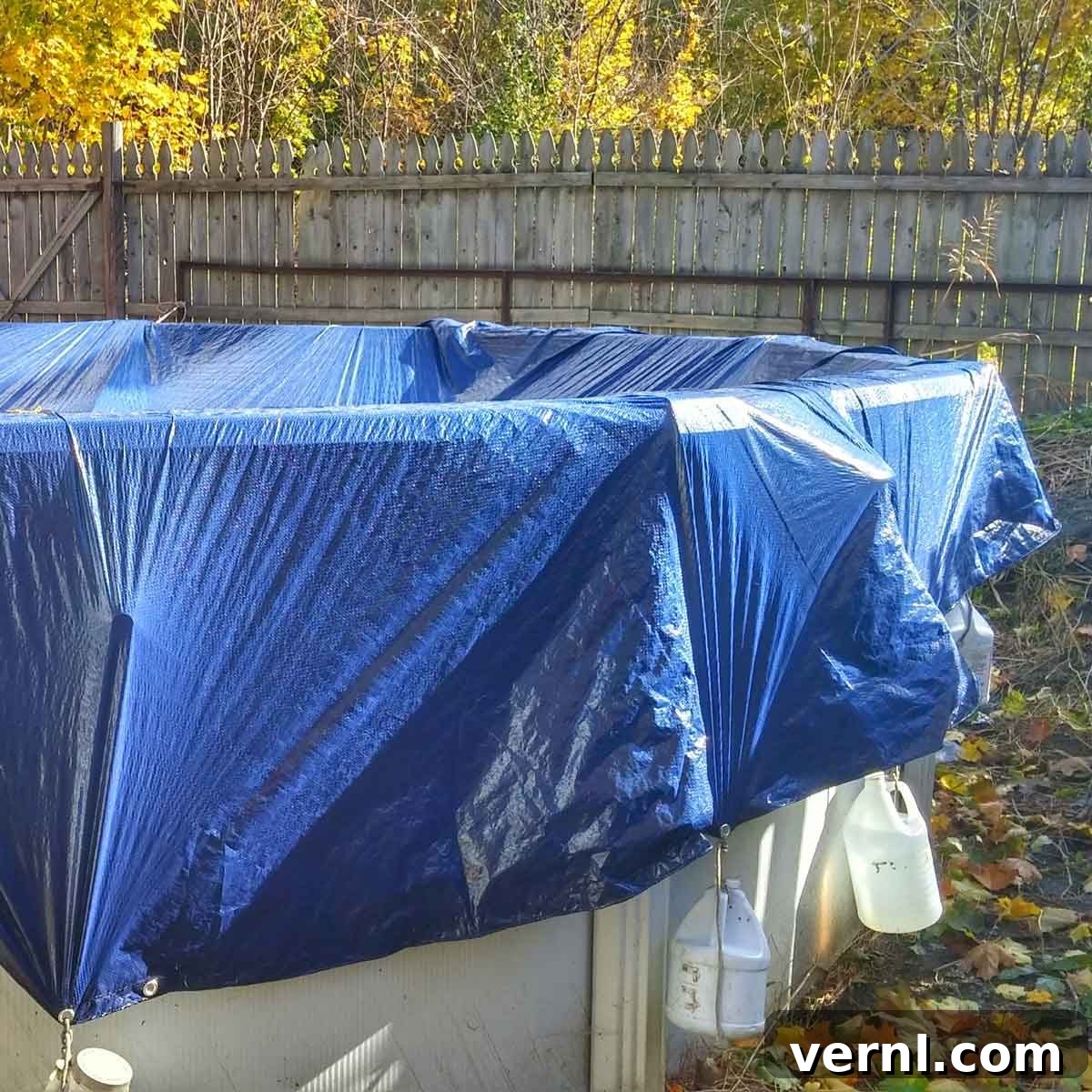
Owning an above ground pool offers a fantastic way to enjoy summer days, providing a refreshing escape right in your backyard. These pools are celebrated for being more budget-friendly and significantly easier to install compared to their in-ground counterparts, making them an accessible option for many homeowners. Beyond initial setup, above ground pools are also generally simpler to maintain, but effective upkeep is still crucial for ensuring a sparkling clean, safe, and long-lasting swimming experience. Neglecting maintenance can lead to cloudy water, algae growth, equipment damage, and a less enjoyable pool environment. To help you keep your above ground oasis in pristine condition, we’ve compiled a comprehensive guide with ten essential maintenance tips.
Prioritize Home Safety: Consider a Sump Pump Installation
While this tip might seem indirectly related to your pool, it’s a vital consideration for homeowners, especially those with basements. Chuck Naish, founder of City Residential Foundation Repair, highlights a common oversight: many pool owners neglect to install a sump pump in their basement when adding an above ground pool. The proximity of a large body of water, even a well-maintained pool, introduces a potential risk of water intrusion. A leak, whether from the pool itself, its plumbing, or a nearby water source, can lead to significant damage. Installing a reliable sump pump provides a critical layer of defense, actively preventing catastrophic water damage, the growth of hazardous mold, and mildew, which can compromise your home’s structure and air quality. This proactive measure not only protects your property and belongings but also safeguards your family’s health, offering invaluable peace of mind.
Consistently Monitor and Adjust Chlorine Levels
Chlorine is the cornerstone of effective pool sanitation. It serves as a powerful disinfectant, diligently working to neutralize harmful bacteria, algae, and various microorganisms that can thrive in pool water. However, chlorine is susceptible to breakdown from several environmental factors, including prolonged exposure to the sun’s UV rays and the introduction of organic contaminants like sunscreen, body oils, sweat, and even natural debris. To ensure your pool water remains safe and clear, it’s imperative to maintain a free chlorine level between two and four parts per million (ppm). Regularly testing your water, ideally every other day or more frequently during periods of heavy use or hot weather, with reliable chlorine test strips or a liquid test kit, will help you accurately gauge and adjust levels as needed. Maintaining the correct chlorine balance is key to preventing green water, swimmer irritation, and the spread of waterborne pathogens. Understanding your pool’s specific needs and adjusting your testing schedule accordingly will keep your water chemistry optimized.
Implement Weekly Pool Shock Treatments
Even with consistent chlorine levels, pools can accumulate contaminants that hinder chlorine’s effectiveness. Laurie Wilkins, founder of the Call Outdoors blog, strongly advocates for weekly shock treatments. A pool shock treatment involves super-chlorinating the water using a concentrated, powdered form of chlorine or a non-chlorine oxidizer. This powerful dose rapidly breaks down chloramines (spent chlorine compounds that cause strong chemical odors and eye irritation), kills stubborn algae and bacteria, and oxidizes organic contaminants. As Wilkins explains, “A shock treatment once a week will oxidize the contaminants, freeing up the chlorine and letting it do its work in cleaning up the water.” This process not only revitalizes your pool’s sanitizing power but also significantly improves water clarity and sparkle. For best results, shock your pool in the evening to minimize UV degradation and allow the chemicals to work overnight, ensuring a fresh and clean pool for the next day’s swim. Consider increasing the frequency of shocking after heavy rain, large pool parties, or if you notice any signs of algae or cloudy water.
Maintain Optimal pH Levels for Water Balance
Alongside chlorine, the pH level of your pool water is a critical factor for both water quality and swimmer comfort. Wilkins emphasizes the importance of consistently testing and maintaining your pool’s pH to achieve crystal-clear water and maximize chemical efficiency. pH measures the acidity or alkalinity of your water on a scale of 0 to 14, with 7 being neutral. For pools, the ideal pH range is between 7.2 and 7.6. Deviating from this range can have significant consequences. High pH (above 7.6) reduces the effectiveness of your sanitizers, making your chlorine less potent, and can lead to cloudy water, scaling on surfaces and equipment, and skin/eye irritation. Conversely, low pH (below 7.2) can cause corrosion of metal components, etching of surfaces, rapid depletion of chlorine, and discomfort for swimmers. Digital pH meters offer a quick and accurate way to check levels. Experts recommend testing your pH approximately every other day, similar to chlorine, to ensure it remains within the optimal range. Adjusting pH typically involves adding a pH increaser (like soda ash) or a pH decreaser (like muriatic acid or dry acid) to restore balance and ensure all your pool chemicals perform at their peak.
Ensure Sufficient Daily Pump Operation
Your pool’s pump is the heart of its circulation system, playing a pivotal role in maintaining water quality. Its primary function is to draw water from the pool, push it through the filter, and then return the clean water to the pool. This continuous movement is essential for several reasons: it prevents water stagnation, which is a prime breeding ground for algae and bacteria; it efficiently distributes pool chemicals, ensuring even sanitization throughout the water; and it directs more debris into the filter for removal. Experts generally recommend running an above ground pool pump for at least eight hours a day. However, the ideal run time can vary based on factors such as your pool’s size, bather load, and ambient temperature. During peak swimming season or particularly hot weather, extending the pump’s operation might be beneficial. Always consult your specific pool pump’s owner’s manual for precise recommendations tailored to your equipment, as adequate circulation is non-negotiable for a clean and healthy pool.
Regularly Clean and Replace Your Pool Filter
The pool filter is your pool’s primary defense against debris and contaminants, working tirelessly to capture particles that can cloud and pollute your water. While various types of pool filters exist (cartridge, sand, and diatomaceous earth or DE), they all share the fundamental goal of removing impurities. For most above ground pools, cartridge filters are common. These hardworking filters require regular attention to maintain their efficiency. It’s crucial to clean your filter cartridge about once a week by removing it and thoroughly hosing it down to dislodge trapped debris. Over time, filter cartridges wear out and become less effective, even with regular cleaning. Therefore, it’s equally important to replace the cartridge according to the manufacturer’s recommendations, typically every 1-3 years depending on usage and water quality. A clean and properly functioning filter is vital for maintaining clear water, reducing the strain on your pump, and ensuring your pool chemicals can work effectively.
Maintain Clean Pump and Skimmer Baskets
Beyond the main filter, your pool’s pump and skimmer baskets serve as the first line of defense against larger debris. The skimmer basket, located at the pool’s surface, actively pulls in water and traps leaves, insects, twigs, and other floating debris before they can sink or enter the main filtration system. The pump basket, situated just before the pump itself, catches any smaller particles that managed to bypass the skimmer, preventing them from reaching and potentially damaging the pump’s impeller. Neglecting these baskets can lead to significant issues. Clogged baskets restrict water flow, forcing your pump to work harder, reducing its efficiency, and potentially leading to premature wear or damage. To ensure optimal performance of your filtration system and prolong the life of your pump, it’s essential to clean out both the pump and skimmer baskets at least once a week. If your pool is surrounded by trees or experiences heavy wind, you may need to empty them more frequently. Always remember to turn off the pool pump and any heater before reaching into the baskets for cleaning to ensure your safety and prevent equipment damage.
Commit to Frequent Pool Vacuuming
Even the most robust filtration system cannot capture every piece of debris that settles at the bottom of your pool. This is where regular vacuuming becomes indispensable for maintaining pristine water quality. Vacuuming at least once a week is a vital step in your above ground pool maintenance routine. It effectively removes settled dirt, sand, leaves, and other fine particles that your filter might miss or that have sunk before being circulated. This practice is crucial for keeping your pool water consistently clear, actively preventing the growth of unsightly and potentially harmful algae, and allowing your pool chemicals, such as chlorine, to work more efficiently by reducing their workload. The market offers a wide array of pool vacuums, ranging from manual systems that connect to your filter pump to sophisticated robotic cleaners. Many above ground pool owners find robotic vacuums, like the Dolphin E10 Automatic Robotic Pool Cleaner, to be a convenient and effective solution due to their independent operation and dedicated filtration system. Regular vacuuming is a simple yet powerful way to ensure your pool remains inviting and hygienic.
Utilize a Solar Blanket for Multiple Benefits
A solar blanket is an often-underestimated but incredibly beneficial accessory for any above ground pool owner. Its utility extends far beyond simply covering the pool; it actively contributes to maintaining water quality, temperature, and chemical balance. Firstly, a solar blanket acts as a protective barrier, shielding your pool water from rain, wind-blown debris, and environmental contaminants, thereby reducing the amount of work your filter and chemicals need to do. More importantly, solar blankets are designed to harness the sun’s energy, effectively heating your pool water naturally and significantly reducing heat loss, especially overnight. Steve Goodale, a respected pool and spa technical specialist, highlights its remarkable efficiency, stating that “A solar blanket can reduce thermal loss by 95 percent.” This substantial heat retention translates into significant savings on energy costs if you use a pool heater, or simply a warmer, more comfortable swimming temperature without additional heating. Furthermore, a solar blanket drastically reduces water evaporation, which in turn saves you money on water refills and the chemicals that are lost with evaporating water. Maximizing these benefits is simple: use a solar blanket anytime the pool is not in use, whether it’s overnight or during periods when the pool is idle.
Master Proper Winterization Techniques
For above ground pool owners in colder climates, proper winterization is perhaps the most critical maintenance task of the year. If disassembling and storing your pool isn’t a feasible option, meticulous winterization steps are essential to protect your investment from freezing temperatures and ensure a smooth reopening in the spring. This comprehensive process involves several key stages. Begin by giving your pool a thorough final cleaning, removing all debris, and then meticulously balancing the water chemistry, adding specialized winterizing chemicals such as algaecide and stain preventative. Next, clear, drain, and remove all pool lines and hoses, storing them in a safe, dry place. The skimmer should also be removed and stored, or if it remains in place, protected with a skimmer cover to prevent ice damage. Disconnect and store the filter, pump, and all essential pool accessories like ladders. For pools that are not fully drained, lower the water level below the skimmer and return jets to prevent freezing in the plumbing. Finally, install a pool air pillow beneath a sturdy winter cover. The air pillow absorbs ice expansion, protecting the pool walls from damage. It may seem counterintuitive, but pool professionals strongly advise against completely draining above ground pools before winter, as the weight of ice and snow, coupled with ground pressure, can cause structural damage to an empty pool. Proper winterization protects your pool’s integrity and simplifies your spring opening, allowing you to enjoy many more seasons of swimming.