
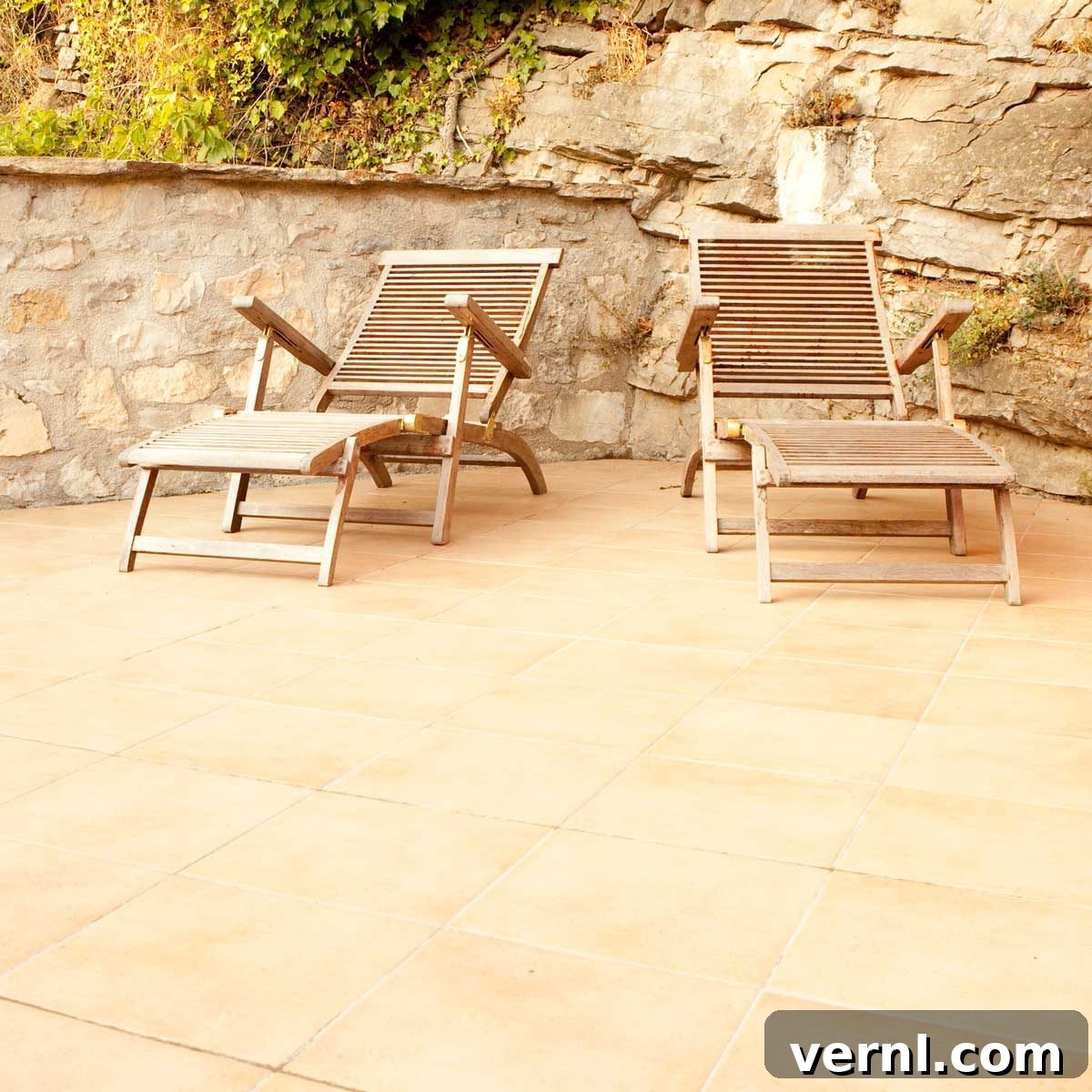
Porcelain vs. Ceramic Tiles: The Ultimate Outdoor Patio & Deck Flooring Guide
When embarking on a home improvement project for your outdoor living space, few decisions are as critical as selecting the right flooring material. For many homeowners, the choice often narrows down to two popular contenders: porcelain and ceramic tiles. At first glance, these materials may appear strikingly similar, sharing aesthetic qualities and a fundamental clay-based composition. Yet, beneath their surface resemblance lie significant distinctions in their history, manufacturing, and performance, especially when subjected to the rigors of an outdoor environment.
The lineage of ceramic tiles traces back millennia, with evidence of their use as far back as ancient Egypt, approximately 5,500 years ago, where simple, glazed bricks adorned structures. Porcelain, a more refined and relatively newer innovation, emerged much later, gaining prominence in Chinese architecture around the 15th century A.D. Today, both porcelain and ceramic tiles are ubiquitous, transforming decks and patios into beautiful, functional extensions of our homes. Understanding their unique characteristics is key to making an informed decision that ensures longevity, durability, and aesthetic appeal for your outdoor oasis.
Outdoor Tile Fundamentals: Porcelain vs. Ceramic
Both porcelain and ceramic tiles are versatile, robust materials commonly employed for outdoor surfaces. They originate from naturally occurring clays, which are shaped into thin sheets or various forms and subsequently fired in high-temperature kilns. This process hardens the clay, rendering it suitable for flooring. While their fundamental makeup and purpose are shared, their composition and manufacturing processes diverge significantly, leading to distinct performance characteristics crucial for outdoor applications.
The Unique Properties of Porcelain Tiles
Porcelain tiles are renowned for their superior performance, particularly in demanding outdoor settings. Their exceptional qualities stem from a meticulous manufacturing process:
- Refined Clay Composition: Porcelain tiles are made from a finer, denser clay, often containing a higher proportion of kaolin, feldspar, and quartz. This precise mixture contributes to its inherent strength and durability. The purer ingredients result in a more uniform and consistent body.
- High-Pressure Formation: During production, porcelain clay is subjected to immense pressure, pressing it much harder into its desired shape. This compaction eliminates microscopic air pockets, resulting in a tile that is significantly denser, heavier, and more solid than its ceramic counterpart.
- Extreme Kiln Firing: Fired at much higher temperatures—often exceeding 2,300°F (1,260°C)—than ceramic tiles, porcelain undergoes a process called vitrification. This intense heat causes the clay particles to fuse together, creating an extremely hard, glass-like, and remarkably non-porous body. This vitrification is the secret behind porcelain’s imperviousness.
The Distinctive Characteristics of Ceramic Tiles
Conversely, ceramic tiles, while durable, are produced with a slightly different approach:
- Coarser Clay Composition: Ceramic tiles typically utilize a broader range of clay types, which are generally coarser and less refined than those used for porcelain. These clays often include more common minerals and have a less uniform particle size.
- Lower-Pressure Formation: The clay mixture for ceramic tiles is pressed with less intensity, leading to a less dense and more porous body compared to porcelain. This allows for easier cutting but compromises on hardness.
- Lower Kiln Firing: Ceramic tiles are fired at relatively lower temperatures, typically below 2,000°F (1,093°C). This process hardens the tile but does not achieve the same level of vitrification as porcelain, resulting in a higher water absorption rate. This higher porosity is the primary differentiator in outdoor performance.
Outdoor Porcelain Tile: Advantages and Disadvantages
Choosing porcelain for your outdoor spaces comes with a clear set of benefits, especially where durability and weather resistance are paramount. However, these advantages often come with certain trade-offs.
Pros of Outdoor Porcelain Tile: Unmatched Durability and Performance
- Superior Durability and Longevity: Thanks to its extreme density and hardness, porcelain is incredibly resistant to wear and tear. It can withstand heavy foot traffic, impacts, and the constant exposure to outdoor elements without showing significant signs of deterioration. This translates to a longer lifespan for your patio or deck, often lasting decades with proper installation and minimal maintenance.
- Exceptional Water and Stain Resistance: With a water absorption rate typically less than 0.5% (making it officially considered impervious by industry standards), porcelain is virtually waterproof. This low porosity prevents water from seeping into the tile body, making it highly resistant to staining, mold, mildew, and freeze-thaw damage in colder climates. This makes cleaning porcelain tiles remarkably easy, as dirt and grime tend to stay on the surface, requiring only simple cleaning methods.
- Extreme Weather Resilience: Its impervious nature makes porcelain an ideal choice for areas subjected to harsh weather conditions, including freezing and thawing cycles. The absence of absorbed water prevents the tile from expanding internally and cracking when temperatures drop below freezing, a common issue with more porous materials like standard ceramic.
- High Scratch and Impact Resistance: Porcelain’s robust composition makes it highly resistant to scratches, chips, and dents. This is particularly advantageous for outdoor areas where heavy furniture might be moved, or where sand, gravel, and other abrasive debris are frequently present. For minor damage, a suitable porcelain repair kit can often restore its appearance, although deep damage is rare.
- Low Maintenance Requirements: Due to its non-porous surface, porcelain tiles require minimal maintenance. Regular sweeping and occasional mopping with water are usually sufficient to keep them looking pristine, eliminating the need for frequent sealing or specialized cleaning products. This saves time and effort for homeowners.
- Design Versatility and Aesthetics: Modern manufacturing techniques allow porcelain to mimic a wide array of natural materials, including various types of wood, natural stone, concrete, and even metal, with astonishing realism. This offers endless design possibilities, allowing you to achieve sophisticated and contemporary looks without the inherent maintenance challenges of natural materials.
Cons of Outdoor Porcelain Tile: Cost and Installation Challenges
- Higher Initial Cost: Porcelain tiles are generally more expensive than ceramic, typically ranging from $5 to $10 per square foot for standard options, and specialty or premium designs can easily exceed $30 per square foot. This higher price reflects the more refined materials, complex manufacturing processes, and superior performance characteristics involved.
- Heavier and More Difficult to Install: The density and hardness that give porcelain its durability also make it heavier and significantly harder to cut and work with. Cutting porcelain tiles often requires specialized tools, such as a wet saw with a diamond blade, making installation more challenging and time-consuming for DIY enthusiasts. This often necessitates professional installation, which adds to the overall project cost.
- Potential for Slippery Surfaces: While many porcelain tiles come with textured or slip-resistant finishes specifically designed for outdoor use, highly polished or smooth varieties can become dangerously slippery when wet. It’s crucial to select tiles specifically rated for outdoor applications with appropriate slip resistance to ensure safety.
Outdoor Ceramic Tile: Advantages and Disadvantages
Ceramic tiles offer a compelling alternative for outdoor spaces, especially when budget and ease of installation are primary concerns. However, it’s essential to understand their limitations compared to porcelain.
Pros of Outdoor Ceramic Tile: Affordability and Design Flexibility
- More Budget-Friendly: Ceramic tiles are significantly less expensive than porcelain, with average prices ranging from $1 to $8 per square foot. This affordability makes them an attractive option for larger outdoor projects or for homeowners looking to minimize initial costs.
- Easier Installation: Being lighter and less dense, ceramic tiles are much easier to cut and handle using standard tile cutters (manual or basic wet saws). This makes them a more appealing option for DIY enthusiasts and can reduce labor costs if professional installation is chosen. Homeowners can often learn how to install ceramic tiles with relative ease.
- Wider Range of Colors and Styles: Historically, ceramic tiles have offered an incredibly broad spectrum of colors, patterns, and glazes. While porcelain has caught up in mimicking natural materials, ceramic still provides extensive options for vibrant, eye-catching, or unique designs, especially in glazed finishes. This allows for great creative freedom in design.
- Comfort Underfoot: In certain climates, ceramic tiles can feel slightly warmer underfoot than the denser porcelain, which can retain coolness longer. This is a minor consideration but can be a factor in very cold regions.
Cons of Outdoor Ceramic Tile: Durability and Vulnerability to Elements
- More Prone to Cracking and Chipping: Ceramic tiles are less dense and harder than porcelain, making them more susceptible to cracks, chips, and breakage, particularly under heavy impact or stress. This vulnerability is a significant concern for high-traffic outdoor areas or in regions with fluctuating temperatures.
- Less Wear Resistant: The softer nature of ceramic tiles means they are less resistant to abrasion and wear. In outdoor settings where sand, gravel, and dirt can act as abrasives underfoot, ceramic tiles may show signs of wear, such as surface scratches or fading, more quickly than porcelain. Glazed ceramic surfaces can also scratch, exposing the unglazed body beneath.
- Higher Porosity and Water Absorption: Ceramic tiles have a higher water absorption rate, especially if unglazed. This makes them more vulnerable to water seeping through, leading to potential issues like staining, mold growth, and, critically, freeze-thaw damage in cold climates. Water absorbed into the tile body can expand when frozen, causing the tile to crack, chip, or delaminate from the substrate. Unglazed ceramic tiles, while offering a natural aesthetic, are particularly susceptible to staining and require regular sealing if used outdoors.
- Limited Suitability for Harsh Climates: Due to their higher water absorption and lower density, many ceramic tiles are not suitable for outdoor use in regions experiencing freezing temperatures. It is crucial to verify that any ceramic tile considered for outdoor installation is specifically rated for such applications (e.g., “frost-proof” or “suitable for outdoor use”), which typically indicates a water absorption rate under 3%.
Is Porcelain or Ceramic Tile Better for Your Deck or Patio? Key Selection Factors
The “better” tile for your outdoor deck or patio isn’t a universal answer; it depends entirely on your specific needs, local climate, budget, and aesthetic preferences. Here’s a breakdown of critical factors to consider when making your choice:
- Traffic Volume: If your deck or patio experiences heavy foot traffic, frequent entertaining, or serves as a thoroughfare, porcelain tiles are the unequivocally superior choice. Their unmatched durability and wear resistance will ensure they withstand the rigors of constant use over many years without significant signs of wear.
- Climate and Weather Exposure: For regions experiencing freezing temperatures and thawing cycles, porcelain’s imperviousness is non-negotiable. Its low water absorption rate prevents freeze-thaw damage, making it a reliable, long-term solution. In milder, consistently warm climates, or for covered patios, some exterior-grade ceramic tiles might be acceptable, but porcelain still offers greater peace of mind and long-term resilience.
- Budget Constraints: If initial cost is a primary concern, ceramic tiles offer a more budget-friendly entry point. However, always consider the long-term investment: cheaper ceramic tiles might require replacement sooner or incur higher maintenance costs in specific outdoor conditions, potentially offsetting initial savings.
- Aesthetics and Design Goals: Both types offer vast design possibilities. Glazed ceramics provide a wide array of colors and patterns for bright, eye-catching designs. Porcelain excels at mimicking natural stone, wood, and concrete with incredible realism, offering sophisticated and contemporary looks with superior performance. If you desire a less refined, more natural and earthy feel, unglazed ceramic tiles for your patio might be suitable, provided they are properly sealed and maintained.
- Installation Method and DIY Capability: If you plan a DIY installation to save on labor costs, ceramic tiles are generally easier to cut and lay. Porcelain’s hardness often necessitates specialized tools and a higher skill level, potentially leading to increased installation costs if you hire a professional. Factor in your own expertise and access to tools.
- Slip Resistance (Coefficient of Friction): This is a crucial safety factor for outdoor flooring. Always look for porcelain or ceramic tiles with a high Coefficient of Friction (COF) rating or a textured surface to minimize the risk of slips and falls, especially when wet. Products are often rated for wet dynamic COF (DCOF), with higher numbers indicating better slip resistance.
- PEI Rating (Porcelain Enamel Institute): This rating indicates a tile’s resistance to abrasion and wear, ranging from I (light duty) to V (heavy commercial). For outdoor applications, especially those with moderate to heavy traffic, opt for tiles with a PEI rating of III or higher. Porcelain tiles generally have higher PEI ratings than ceramic tiles, making them more suitable for demanding outdoor environments.
- Water Absorption Rate: For any outdoor tile, a low water absorption rate is critical. Porcelain tiles boast rates below 0.5%, rendering them impervious and frost-proof. Ceramic tiles typically have higher rates (often 3% to 7% or more), which means they are not suitable for outdoor use in freezing climates unless specifically manufactured and rated as “frost-proof,” which involves specific additives and manufacturing processes to reduce porosity.
Critical Installation Considerations for Outdoor Tiles
Regardless of whether you choose porcelain or ceramic, successful outdoor tile installation hinges on meticulous preparation and adherence to specific best practices. Overlooking these critical steps can lead to premature failure, cracking, and costly repairs, negating the benefits of even the most durable tile.
1. Subfloor and Substrate Integrity: The Foundation of Durability
The surface upon which your tiles are laid must be exceptionally stable, rigid, and well-supported. Any flexing or movement in the subfloor, even slight, will inevitably transfer stress to the tiles and grout lines, causing them to crack. This is particularly true for outdoor decks, where joist spacing and subfloor material are paramount. For concrete patios, the slab itself must be structurally sound, free of major cracks, and properly cured.
2. Expansion and Contraction Management: Acknowledging Nature’s Forces
Outdoor surfaces are constantly subjected to significant temperature fluctuations and moisture changes, which cause building materials to expand and contract. Even with the most durable tiles, this movement can lead to immense stress and cracking if not properly managed. Therefore, proper management of expansion and contraction is paramount:
- Uncoupling Membrane: A high-quality tile uncoupling membrane is highly recommended, if not essential, for outdoor tile installations. This specialized mat acts as a buffer between the substrate and the tile layer, absorbing differential movement and preventing cracks in the substrate from telegraphing through to the tile surface. It also often provides a waterproofing layer, adding an extra layer of protection against moisture penetration.
- Expansion Joints: These are absolutely crucial for outdoor tiling. Expansion joints (flexible gaps filled with silicone or urethane sealant, not grout) must be strategically placed at specified intervals throughout the tiled area, around the perimeter, and wherever the tile abuts another surface (walls, posts, permanent fixtures). These joints allow the tiled surface to expand and contract freely without building up destructive stress, preventing widespread cracking along the grout lines or within the tiles themselves.
3. Mortar and Grout Selection: The Right Adhesives for the Outdoors
- Thinset Mortar: Always use an outdoor-rated, polymer-modified thinset mortar designed for exterior applications. Modified thinsets contain polymers that enhance bond strength, flexibility, and water resistance, making them ideal for outdoor conditions and fluctuating temperatures. Always follow the manufacturer’s recommendations for both the membrane and the mortar for optimal performance and compatibility.
- Grout: Select a high-performance, flexible, and outdoor-rated grout that is resistant to water, stains, and cracking. Polymer-modified grouts or epoxy grouts are generally preferred for exterior use due to their superior durability and resistance to moisture and chemicals. After curing, sealing the grout lines (even for stain-resistant types) provides an additional layer of protection against moisture penetration and staining, especially in high-traffic or wet areas. Repairing cracked grout is a common maintenance task if not installed correctly or if expansion joints are omitted.
4. Specifics for Deck and Patio Substrates
- Tiling a Deck: Deck joists must be exceptionally wide and robust, with closer spacing than typical deck construction, to minimize deflection and create a rigid structure. A minimum of two layers of 3/4-inch exterior-grade, pressure-treated plywood, securely fastened and sealed, is often recommended as the subfloor for tiling. This creates a sturdy, stable base. Ensure proper drainage is accounted for beneath the deck structure, and a robust waterproofing system is in place above the subfloor.
- Tiling a Concrete Patio: For new concrete pads, pour them thick and strong enough—a minimum of five inches—and reinforce them with rebar or wire mesh to prevent cracking as the earth settles or shifts beneath. Ensure the concrete is properly cured (typically 28 days) and has adequate slope for drainage away from any structures (at least 1/4 inch per foot). Incorporate control joints into the concrete slab itself to manage cracking before tiling, and ensure these joints align with expansion joints in the tile layer. Pouring a concrete slab successfully is the first critical step to a long-lasting tiled patio.
5. Environmental Conditions During Installation
Avoid installing tiles during extreme temperatures (too hot or too cold) or inclement weather such as rain or heavy humidity. Adhesives and grouts have specific temperature ranges for optimal performance, curing, and drying. Always check product specifications for recommended installation conditions to ensure proper bonding and longevity.
Conclusion: Making the Right Choice for Your Outdoor Space
Both porcelain and ceramic tiles offer viable solutions for enhancing your outdoor living areas, but their suitability varies significantly based on environmental demands, budget, and desired aesthetics. Porcelain tiles stand out as the premium choice for extreme durability, weather resistance, and low maintenance, particularly in harsh climates or high-traffic zones. Their higher cost and more challenging installation are balanced by their exceptional longevity and robust performance, offering superior long-term value.
Ceramic tiles, on the other hand, provide an excellent, more budget-friendly option with ample design versatility and easier installation. However, they demand careful consideration of their porosity and wear resistance, making them better suited for milder climates, covered areas, or situations where occasional maintenance and a slightly shorter lifespan are acceptable. Ultimately, the best decision involves a thorough assessment of your project’s unique requirements, local climate, and personal preferences, ensuring that your chosen tile and its meticulous installation method are perfectly matched to create a beautiful, enduring, and safe outdoor space for years to come.