Unlocking DIY Adventures: Mastering Home Depot Kids’ Workshops for Lasting Family Fun
Remember the thrill of accompanying your dad to Home Depot as a child? The dazzling array of lamps, the exciting search for materials for the week’s home improvement endeavors, and the serene wander through the garden section – these experiences instilled a love for DIY that lasts a lifetime. Today, Home Depot continues to nurture that passion by offering engaging opportunities for children to explore the world of hands-on creation.
To help you make the most of these enriching experiences, we spoke with Ethan O’Donnell, a seasoned DIY enthusiast and our esteemed Deputy Projects Editor. Ethan shared his invaluable insights and practical tips for maximizing the potential of Home Depot’s Kids’ Workshops, ensuring a fun, educational, and memorable experience for both you and your child.
Navigating the Home Depot Kids’ Workshop: A Parent’s Guide
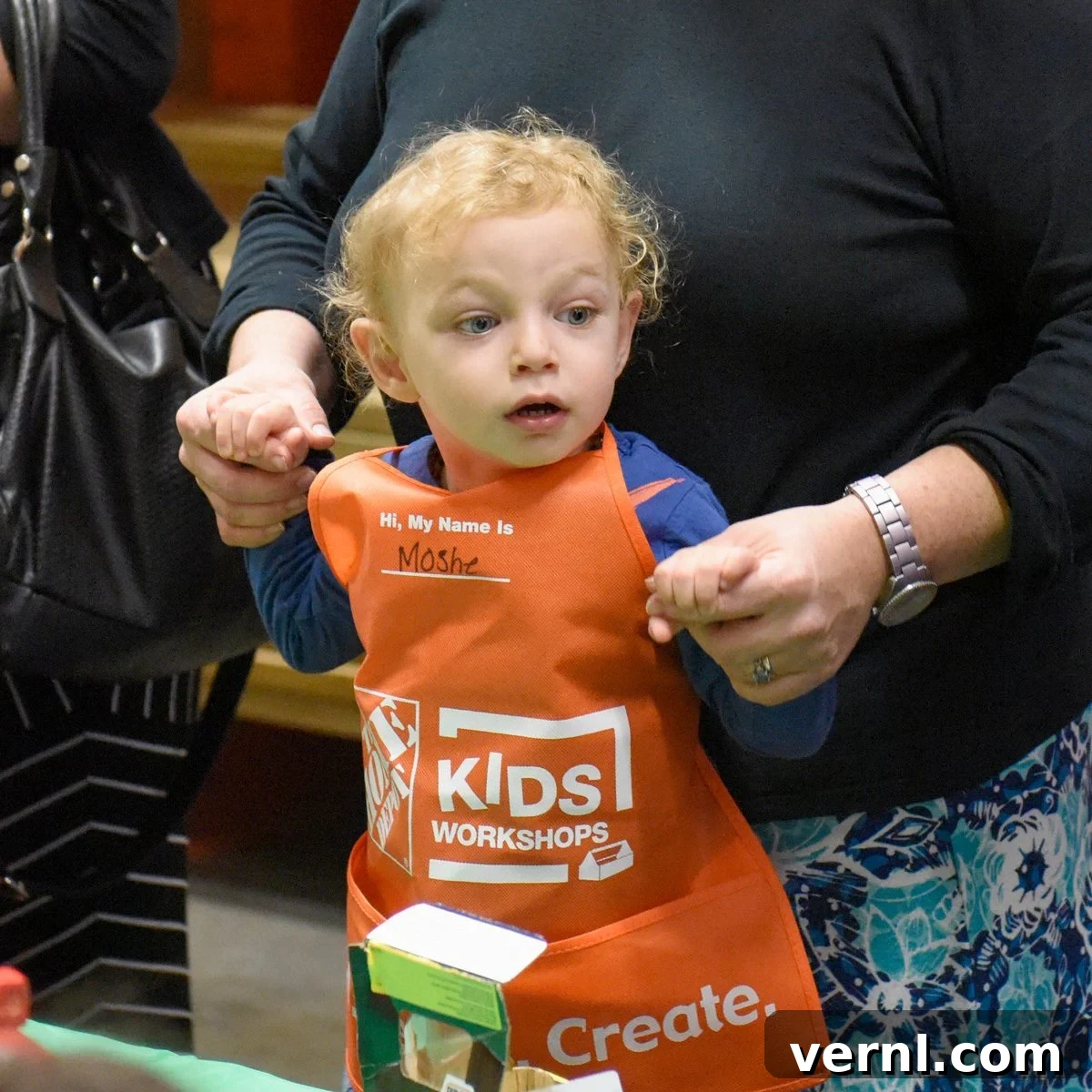
Every month, on the first Saturday at 9 AM, Home Depot hosts its highly anticipated Kids’ Workshop. These workshops provide a fantastic opportunity for children to engage in hands-on projects, fostering creativity and building essential skills. Registration is available both online and in-store, allowing you to conveniently secure your child’s spot. One of the great advantages is the ability to preview the projects in advance, allowing you and your child to select workshops that align with their interests.
The projects are thoughtfully designed to be kid-friendly, typically packaged with all the necessary components. Assembly is generally straightforward, often requiring only a hammer or screwdriver, making it accessible for young participants. However, to elevate your experience from simply attending to truly thriving, consider Ethan’s expert advice. These tips and tricks will help you optimize your Home Depot Kids’ Workshop adventure, ensuring a richer and more rewarding experience for everyone involved.
Strategic Preparation: Securing Your Spot and Setting the Stage for Success
Given the popularity of Home Depot’s Kids’ Workshops, securing a spot requires proactive planning. Ethan strongly advises registering well in advance to avoid disappointment. These workshops are in high demand, and spaces fill up quickly. Arriving early on the day of the workshop is equally crucial. Seating is often the limiting factor, with a finite number of workstations available. By arriving promptly, you can secure a prime workstation, ensuring a comfortable and convenient setup for your child’s project.
The Hammering Zone: Finding Stability for Successful Construction
The workstations provided are ingeniously simple, consisting of sheets of oriented strand board (OSB) resting atop inverted buckets. This setup provides a practical and easily manageable workspace, ideal for tasks like painting. However, when it comes to hammering, the OSB’s inherent sponginess can present a challenge. The bounce-back effect can make hammering less effective and potentially frustrating for young builders. To overcome this, Ethan recommends designating the floor as the hammering zone. The solid, unyielding surface of the floor provides the necessary stability for effective hammering, minimizing bounce-back and promoting successful construction.
Color Coordination: Unlocking the Magic of Primary Colors
When it’s time to unleash your child’s artistic flair through painting, they’ll have the opportunity to choose two colors to adorn their project. Here’s where a little color strategy can enhance the creative possibilities. Encourage your child to select two primary colors, such as red, yellow, or blue, rather than opting for secondary colors. This approach unlocks the potential to create a third color through mixing. For example, combining yellow and blue will yield a vibrant green, expanding your child’s color palette and adding another dimension to their artistic expression. This simple tip not only encourages creativity but also introduces basic color theory concepts in a fun and engaging way.
The Prepared Parent: Bringing Essential Supplies for a Smoother Experience
While Home Depot provides the core materials for the projects, bringing a few additional supplies can significantly enhance the workshop experience. Ethan cautions that the project packs may not always include pre-drilled holes. While this doesn’t prevent assembly, it does mean that your child will need to utilize a hammer. To mitigate the risk of accidental hammer strikes and protect little fingers, consider bringing along some cyanoacrylate (CA) glue, commonly known as woodworking superglue. Applying a few dabs of CA glue to the bottom of the pieces that require hammering will provide temporary adhesion, allowing your child to position the pieces securely without needing to hold them in place, thus keeping their thumbs out of harm’s way.
Beyond glue, consider packing a small toolbox of essentials. A pair of safety glasses can protect your child’s eyes from paint splatters or flying debris. A small set of pliers or a multi-tool can be handy for gripping small parts or making minor adjustments. And, of course, don’t forget a comfortable pair of work gloves to protect little hands from splinters and paint.
Cleanliness Counts: Packing for a Tidy and Stress-Free Cleanup
In the spirit of preparedness, bringing along cleanup materials is highly recommended. While Home Depot typically uses chalk paint, which is known for its easy cleanup, accidents happen, and paint can inevitably find its way onto your child’s hands. Having cleanup supplies readily available allows you to address any messes promptly, preventing paint from spreading and minimizing potential stains. Pack a small container of baby wipes or a damp cloth and a small towel for quick and easy cleanup. A plastic bag for disposing of used wipes or cloths will also help maintain a tidy workspace.
Project Transportation: Ensuring a Safe and Mess-Free Journey Home
The Home Depot Kids’ Workshop concludes once the projects are assembled, not when the paint is completely dry. If you plan to head home immediately after the workshop, you’ll need a suitable container to transport the project safely and prevent paint from smearing onto your car’s interior. Ethan suggests two practical solutions. One option is to purchase a small item at Home Depot, providing you with a readily available plastic bag for transporting the project. Alternatively, if you don’t need to buy anything, bring along a bucket or container that you don’t mind getting a little paint on. This will provide a stable and contained environment for the project during the journey home.
Beyond the Workshop: Nurturing a Lifelong Love for DIY
Home Depot Kids’ Workshops are more than just a fun Saturday activity; they are an investment in your child’s creativity, problem-solving skills, and confidence. By following these tips, you can maximize the educational and developmental benefits of these workshops while creating lasting memories with your child.
Remember to encourage your child’s curiosity and exploration. Ask them questions about the project, the tools they’re using, and the techniques they’re learning. Let them take the lead in the construction and painting process, even if it means making a few mistakes along the way. These learning experiences are invaluable in fostering a growth mindset and a willingness to try new things.
The Home Depot Kids’ Workshop is just the beginning of a world of DIY possibilities. Encourage your child to continue exploring their creativity at home by providing them with opportunities to engage in other hands-on projects. Building a birdhouse, creating a piece of art, or even helping with simple household repairs can further develop their skills and instill a lifelong love for DIY.
So, gather your supplies, register for a workshop, and prepare to embark on a journey of creativity, learning, and family fun at your local Home Depot. With a little planning and preparation, you can transform a simple Saturday morning into a cherished memory that will last a lifetime. Happy building!