
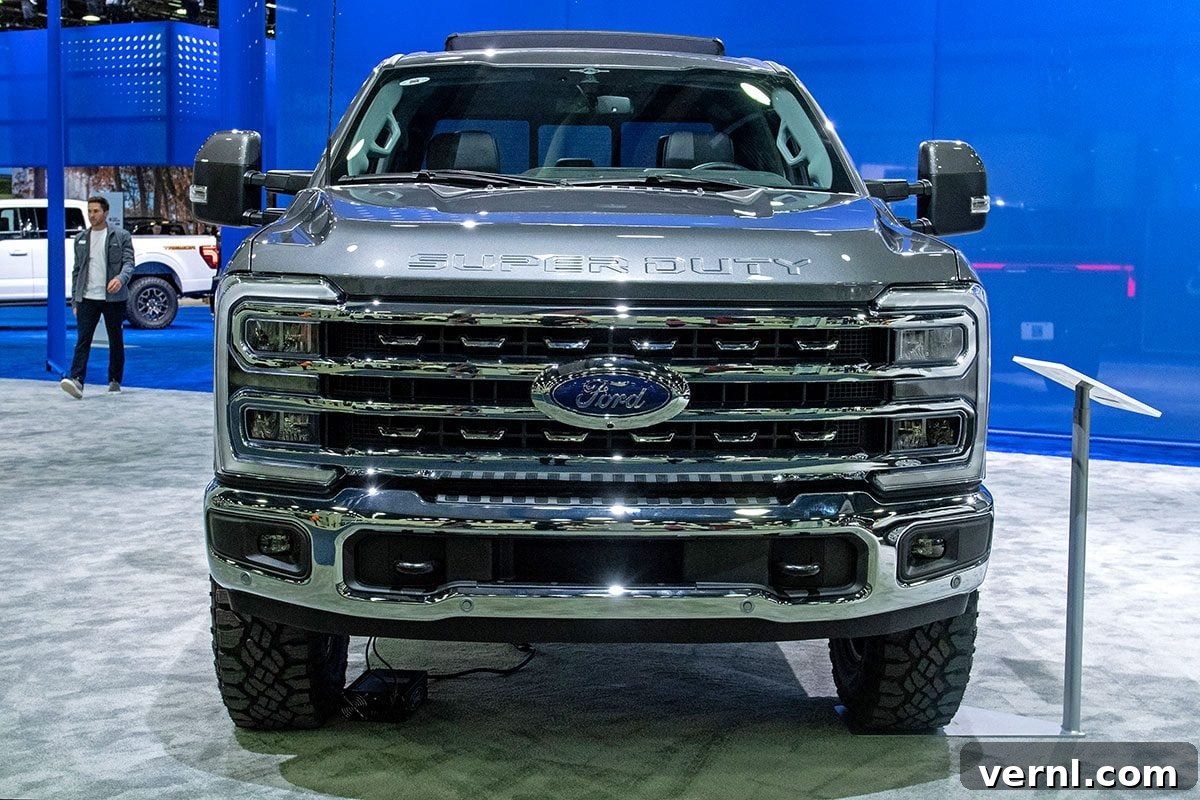
Driving a modern truck brings with it an expectation of advanced safety features designed to enhance awareness and prevent accidents. For owners of certain 2023 and 2024 Ford F-Super Duty trucks, however, a recently announced recall highlights a critical issue affecting one such indispensable feature: the back-up camera system. A significant number of these robust Ford trucks are experiencing malfunctions with their rear-view cameras, potentially leading to compromised visibility during reversing maneuvers and, consequently, an elevated risk of collision.
This comprehensive guide aims to arm you with all the essential information regarding this vital recall. We will delve into the specific Ford models impacted, explore the underlying technical issues contributing to the safety concern, and provide clear, actionable steps for owners to ensure their vehicles are promptly and safely repaired. Understanding the details of this recall is crucial for maintaining both your safety and the integrity of your Ford F-Super Duty truck.
Ford F-Super Duty Recall: Understanding the Scope and Impact
The Ford F-Super Duty series has long been a benchmark for power, capability, and reliability in the truck segment, favored by professionals and enthusiasts alike for its robust performance and cutting-edge features. This commitment to innovation, however, occasionally uncovers unforeseen challenges, leading to necessary corrective actions like vehicle recalls. The current recall specifically addresses a malfunction within the integrated rear-view camera system, a feature that has become standard and critically important for safe vehicle operation.
According to official documentation submitted to the National Highway Traffic Safety Administration (NHTSA), the federal agency responsible for vehicle safety, this recall encompasses a defined range of Ford F-Super Duty trucks. The affected models and model years are:
- 2023 Ford F-250, F-350, and F-450
- 2024 Ford F-250, F-350, and F-450
In total, the recall impacts an estimated 24,950 trucks across these two model years. This figure is significant, comprising nearly 9,000 units from the 2023 model year and just over 16,000 units from the 2024 model year. Such a broad scope underscores the importance of this recall and the necessity for every affected owner to take immediate action.
How to Determine if Your Truck is Affected
Ford is committed to ensuring all affected owners are notified. Official recall letters are scheduled to be mailed out by December 11, 2024. These letters will contain specific instructions and details pertinent to your vehicle. However, waiting for postal mail isn’t the only way to confirm your truck’s status. For immediate verification, owners have several options:
- Contact Ford Customer Service: You can directly call Ford’s customer service line at 1-866-436-7332. When you call, be sure to mention recall number 24S66 to facilitate a quick lookup. Having your Vehicle Identification Number (VIN) ready will further expedite the process.
- Visit the Ford Website: Ford often provides dedicated recall search tools on its official owner’s website where you can enter your VIN to check for any open recalls specific to your vehicle.
- Check the NHTSA Website: The NHTSA also maintains a public database where you can search for recalls by VIN. This is a valuable independent resource for verifying recall information.
- Consult Your Dealership: Your local Ford or Lincoln dealership can also check for any outstanding recalls on your vehicle using your VIN.
Proactive checking is highly recommended to ensure you are aware of your vehicle’s status as soon as possible, allowing you to schedule necessary repairs without delay.
Delving into the Technical Details: Why the Recall?
The core of this recall lies in a specific design vulnerability within the tailgate top camera system. Modern vehicles rely on an intricate network of sensors and electronic modules, and a failure in one component can cascade into significant operational issues. In this case, the problem stems from inadequate water sealing around the camera system.
The Mechanism of Failure: Moisture Ingress
The defect allows moisture to penetrate the interface between the rear-view camera and a crucial component known as the Tailgate Park Assist Sensor Interface Module (TPASIM). This module is responsible for processing the signals from the camera and relaying them to the vehicle’s main display system. When moisture infiltrates this sensitive electronic connection, it can cause corrosion, short circuits, or other forms of electrical interference, leading to the camera’s malfunction.
The symptoms experienced by drivers can vary but commonly include:
- A blue or black screen: Instead of a clear image of the area behind the truck, the driver may see a blank blue or black display.
- Intermittent loss of camera display: The camera feed may appear and disappear sporadically while reversing.
- Distorted or frozen images: The image might be garbled, pixelated, or freeze mid-action, failing to provide real-time information.
Any of these scenarios fundamentally compromises the driver’s ability to safely maneuver in reverse. The rear-view camera is not merely a convenience; it’s a vital safety tool designed to help drivers identify obstacles, pedestrians, and other vehicles in blind spots directly behind the truck, especially critical for larger vehicles like the F-Super Duty series. A malfunctioning camera dramatically increases the risk of a collision, potentially causing property damage or, more gravely, injury to individuals.
The Broader Role of Rear-View Cameras in Vehicle Safety
The importance of rear-view cameras in modern vehicles cannot be overstated. Since 2018, the NHTSA has mandated that all new passenger vehicles sold in the United States must be equipped with rear-view visibility systems. This regulation came into effect due to the significant role these cameras play in preventing “backover” accidents, which tragically injure and kill hundreds of people annually, often children and the elderly, who are difficult to see from the driver’s seat. A truck of the F-Super Duty’s size has even larger blind spots, making a fully functional rear-view camera an even more critical safety component. This recall serves as a stark reminder of the intricate engineering behind these systems and the potential dangers when even a seemingly minor component like a water seal fails.
Taking Action: Steps for Recalled Truck Owners
If you own one of the recalled Ford F-Super Duty trucks, it is imperative to address this issue promptly. Ford has outlined a clear and consumer-friendly process for resolving the defect, ensuring that safety is restored without any financial burden on the owner.
The Repair Process: What to Expect
Ford will rectify the issue by replacing several key components of the tailgate top camera system and updating associated software. Specifically, the repair will include:
- Replacement of the tailgate top camera: The primary camera unit itself will be exchanged for a new, presumably redesigned or improved component.
- Replacement of the wire harness: The electrical wiring connecting the camera to the vehicle’s system will also be replaced, addressing potential existing damage from moisture or preventing future issues.
- Replacement of the TPASIM module: The Tailgate Park Assist Sensor Interface Module, which processes the camera’s data, will be replaced to ensure robust and reliable signal transmission.
- Update of the Image Processing Module A (IPMA) software: The software that controls and interprets the camera’s input will be updated, ensuring optimal performance and compatibility with the new hardware.
Crucially, all these repairs, including parts and labor, will be performed free of charge to the owner. This is a standard practice for safety recalls, as manufacturers are legally obligated to remedy defects that pose an unreasonable risk to safety.
Scheduling Your Repair
Once you have been notified of the recall, or if you have confirmed your vehicle is affected through the methods mentioned above, your next step is to contact your closest authorized Ford or Lincoln dealership as soon as possible. It is advisable to schedule an appointment for the inspection and repair. Dealership service departments will be fully informed about the recall and equipped to handle the necessary replacements and software updates.
When contacting the dealership, be prepared to provide your vehicle’s VIN and mention the recall number (24S66) to ensure a smooth scheduling process. While the repair itself may take some time, ensuring your safety is paramount. Inquire about the expected duration of the repair and any available loaner vehicle options if you anticipate a lengthy service period, though typically these repairs are completed efficiently.
Beyond the Recall: Proactive Measures and Long-Term Safety
While Ford is taking decisive action to address this specific camera malfunction, this recall serves as a valuable reminder for all vehicle owners about the importance of staying vigilant regarding their vehicle’s safety systems. Even if your Ford F-Super Duty is not part of this particular recall, or once your vehicle has been repaired, a few proactive steps can contribute to long-term safety and peace of mind.
General Tips for Vehicle Owners:
- Regularly Check for Recalls: Vehicle recalls are issued periodically for various reasons. It’s a good practice to regularly check the Ford owner’s website or the NHTSA website using your VIN to ensure you are aware of any open recalls that might affect your vehicle.
- Monitor Camera Performance: Pay attention to the performance of your rear-view camera and all other safety features. If you notice any unusual behavior—such as intermittent display, distorted images, or a completely blank screen—report it to your dealership for diagnosis, even if there isn’t an active recall.
- Maintain Cleanliness: While this recall addresses an internal sealing issue, keeping your exterior camera lens clean from dirt, snow, or ice can help ensure optimal visibility.
- Keep Records: Retain copies of all recall notices and repair documentation. This information can be valuable for future service, warranty claims, or if you decide to sell your vehicle.
Ford’s Commitment to Quality and Safety
Vehicle recalls, while inconvenient, are a testament to a manufacturer’s commitment to safety and continuous improvement. When defects are identified, responsible manufacturers like Ford initiate recalls to prevent potential harm and uphold their brand’s integrity. This process, overseen by regulatory bodies like the NHTSA, ensures that safety standards are met and that consumers can drive with confidence, knowing that issues are identified and addressed.
The prompt action taken by Ford in this Super Duty recall demonstrates their dedication to their customers’ safety. By providing free repairs and clear guidance, Ford is working to mitigate the risks associated with the camera malfunction and restore the reliability of these essential trucks. As an owner, your part in this process—by checking your vehicle’s recall status and scheduling prompt repairs—is crucial for ensuring your own safety and that of others on the road.
Conclusion: Drive Safely, Stay Informed
The recall affecting 2023 and 2024 Ford F-Super Duty trucks due to rear-view camera malfunctions is a serious matter that demands the attention of all affected owners. The potential for reduced visibility during reversing maneuvers poses a clear and present danger, increasing the risk of accidents. Fortunately, Ford has outlined a clear path to resolution, offering comprehensive repairs at no cost.
We urge all owners of 2023 and 2024 Ford F-250, F-350, and F-450 models to verify their vehicle’s recall status without delay. Whether by consulting your recall letter, contacting Ford customer service, or utilizing online VIN lookup tools, confirming if your truck is impacted is the critical first step. Once confirmed, promptly schedule your repair with an authorized Ford or Lincoln dealership. Your safety and the safety of those around you depend on it. By addressing this recall swiftly, you ensure that your powerful Ford F-Super Duty truck continues to offer the advanced safety and reliability you expect, allowing you to navigate with full confidence and peace of mind.