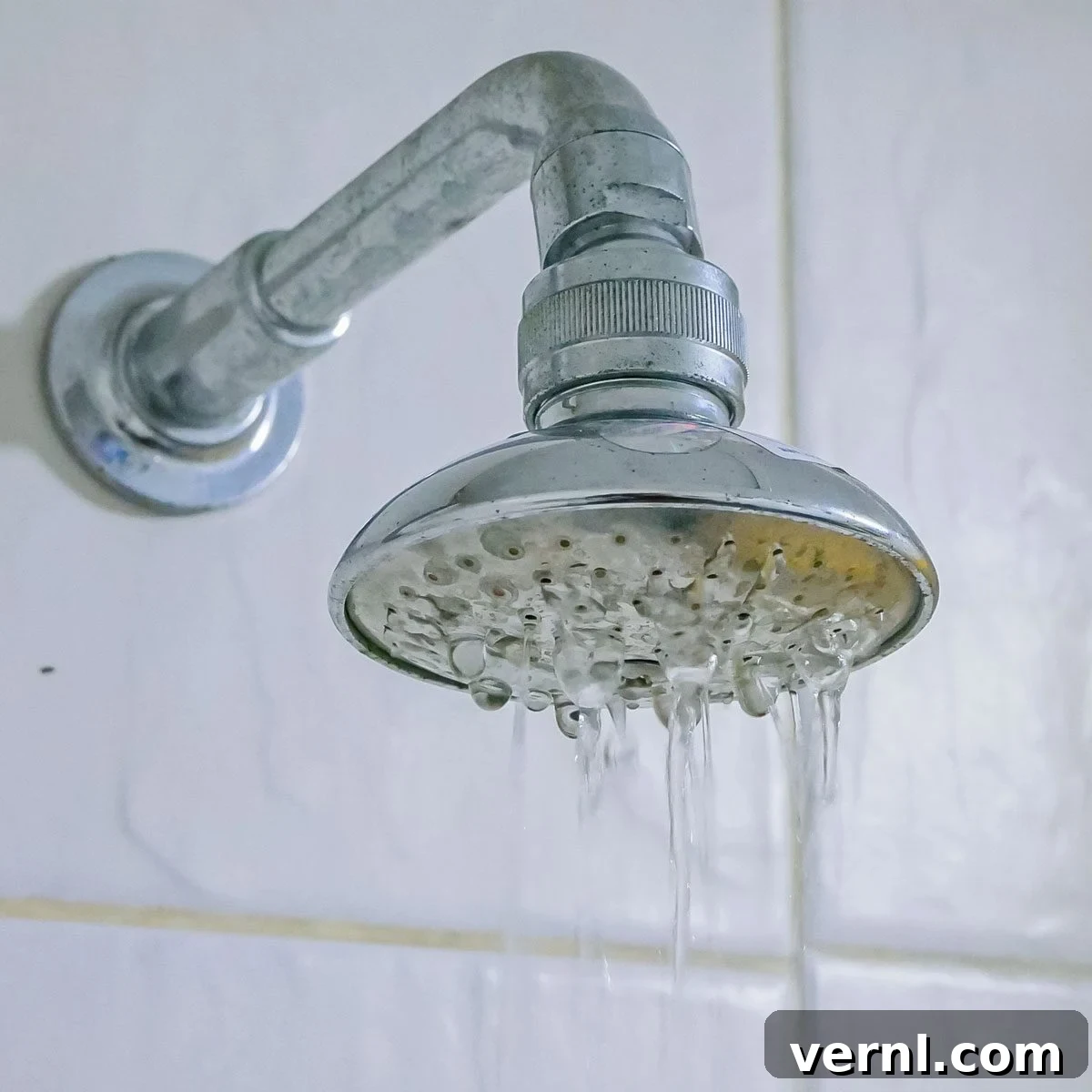
Is the water pressure in your home leaving you frustrated? A weak trickle instead of a strong stream can turn everyday tasks into a chore. Beyond the inconvenience, low water pressure can also signal a more significant underlying issue with your home’s plumbing system. Pinpointing the source of the problem is the first crucial step.
Start by observing if the low pressure is isolated to a single fixture, like a specific faucet or shower, or if it affects the entire house. This initial diagnosis is vital. Next, engage with your neighbors to determine if they are experiencing similar issues; this can quickly tell you if the problem originates from your municipal water supply. Equipped with these insights, you can begin to systematically identify and address the cause of your inadequate water pressure.
As a seasoned property owner, one of the most common calls I receive from tenants revolves around low faucet water pressure. Often, these are straightforward fixes that can be resolved quickly. However, not all causes of diminished water pressure are so simple. Understanding the potential culprits can empower you to tackle minor issues yourself or know when it’s time to call in a professional. Read on to explore the various reasons your water pressure might be low, discover potential DIY solutions, and benefit from expert tips provided by licensed plumber Liam Hogan.
Understanding Low Water Pressure: Common Causes and Solutions
The reasons behind inadequate water pressure in your home can range from minor annoyances to serious plumbing emergencies. Identifying the specific cause is key to finding the right solution and restoring optimal water flow.
Obstructed or Corroded Pipes
Over time, the pipes delivering water throughout your home can become restricted. This common issue arises from the accumulation of debris, mineral deposits (especially prevalent in areas with hard water), or internal corrosion, particularly in older homes equipped with galvanized steel pipes. As these obstructions build up, the internal diameter of the pipes effectively narrows, impeding the free flow of water and inevitably leading to a noticeable drop in pressure.
“This problem is frequently observed in homes with hard water, where mineral build-up, primarily limescale, can severely constrict pipes. Galvanized pipes are also notorious for internal rusting and flaking, which contribute significantly to blockages,” explains plumber Liam Hogan. The symptoms often manifest as a gradual decline in water pressure over several months or years. If you notice a consistent drop in pressure across multiple fixtures, particularly in older sections of your home, obstructed pipes might be the culprit. The most effective and lasting solution for severe obstructions, especially within main supply lines or inaccessible pipes, is to contact a licensed plumber. They can accurately diagnose the extent of the blockage using specialized tools and recommend either pipe cleaning techniques like hydro-jetting or, in more severe cases, replacement of the affected sections to restore full water flow. Investing in a water softener can also be a proactive measure to prevent future mineral accumulation.
Hidden Leaks in the Plumbing System
A leak in your home’s water supply pipes doesn’t just waste water; it can also dramatically reduce your overall water pressure. When there’s a breach in the line, water escapes the system, and with it, the pressure that drives water to your fixtures. The challenge with leaks is their varied nature – some are overtly obvious, like a gushing pipe in a basement, while others are subtle, hidden, and harder to detect, such as a slow drip behind a wall or under a bathroom sink.
“You might have an obvious leak that’s visibly gushing water, creating puddles in your basement, or a much more subtle, insidious leak under a bathroom sink or within a wall cavity,” Hogan states. Symptoms of a leak can include a sudden, unexplained drop in water pressure throughout the house, higher-than-usual water bills, damp spots on walls or ceilings, musty odors, or even the faint sound of dripping or hissing water when all fixtures are turned off. To investigate, thoroughly inspect all visible plumbing connections: under sinks, behind toilets, around your water heater, and near outdoor spigots. Look for any signs of moisture, water stains, or puddles. Even a small, consistent leak can lead to significant property damage, mold growth, and structural issues over time, making prompt detection and repair crucial. If you suspect a hidden leak, or if your investigation yields no clear answers, calling a licensed plumber for professional leak detection services is highly recommended. They possess the tools and expertise to locate and repair leaks efficiently, preventing further damage and restoring your water pressure.
Faulty Pressure Regulator (PRV)
Many homes, especially those in areas with high municipal water pressure, are equipped with a pressure regulator, also known as a pressure reducing valve (PRV). This device is typically installed on your main water supply line where it enters the house, usually near the water meter, and its purpose is to reduce and stabilize the incoming water pressure to a safe level for your home’s plumbing system, typically between 45 and 60 pounds per square inch (psi).
If you’re experiencing chronically low water pressure, a malfunctioning PRV could be the culprit. Over time, these devices can wear out, fail to hold pressure, or become clogged with sediment. Symptoms of a faulty regulator include inconsistent water pressure that fluctuates dramatically, extremely low pressure throughout the entire house, or even an absence of water flow. You might also notice banging pipes (water hammer) if the pressure is unregulated. Locate your pressure regulator and, if it has an adjustable screw, check its setting. A typical residential pressure setting ranges from 45 to 60 psi. If it’s set significantly lower than this, you can try adjusting it clockwise to increase the pressure. However, exercise caution and avoid over-tightening. If adjusting the regulator doesn’t resolve the issue, or if the unit appears old, corroded, or visibly damaged, it’s likely broken. Replacing a faulty pressure regulator is a job best left to a licensed plumber to ensure it’s installed correctly and calibrated to the appropriate pressure for your home, protecting your entire plumbing system.
Undersized Pipes for Water Demand
The size of your plumbing pipes plays a critical role in determining adequate water pressure and volume throughout your home. Typically, the main water supply line entering a house is ¾ to 1 inch in diameter, which then branches out into smaller ½-inch lines that feed individual fixtures like sinks, showers, and toilets. If your main supply pipe is too small for the overall water demand of your household, or if the branch lines are inadequate, it will restrict the volume of water that can flow through them, inevitably leading to a reduction in water pressure.
This issue is particularly common in older homes that were built when water usage patterns were different, or in properties that have undergone additions or renovations, such as adding new bathrooms or high-demand appliances, without upgrading the main supply lines. When multiple fixtures are in use simultaneously (e.g., someone showering while the washing machine is running), the demand can easily overwhelm an undersized piping system, causing a noticeable drop in pressure at all points. While this is not a DIY fix, as it often requires re-piping or upgrading main lines, it’s an important consideration. A professional plumber can assess your home’s water supply and existing pipe infrastructure to determine if undersized pipes are contributing to your low pressure and recommend the most effective solutions, which may include replacing sections of piping with larger diameters.
Partially Closed Shutoff Valve
Sometimes, the simplest explanations are the correct ones. A partially closed shutoff valve is a common yet easily overlooked cause of low water pressure. There are two main types of shutoff valves to consider: the main shutoff valve for your entire home and individual shutoff valves for specific fixtures.
If your low water pressure affects only one specific faucet or appliance, the culprit is most likely the individual shutoff valve for that fixture. These valves are typically located directly underneath sinks, behind toilets, or near appliances like washing machines and dishwashers. They can accidentally get bumped, or might have been partially closed during previous maintenance or repairs. A quick check to ensure this valve is fully open can often resolve the issue immediately.
However, if the low pressure is consistent throughout your entire house, the problem might be with the main water shutoff valve. This valve controls the flow of water into your entire home and is usually found in your basement, utility room, or near where the main water line enters your property, often close to the street-side water meter. “If the main line valve is partially closed, even slightly, it will significantly impact the water pressure all through the home,” Hogan emphasizes. Check this valve to ensure it is completely open. If the valve is stiff, corroded, or difficult to turn, do not force it, as you could cause a leak. In such cases, or if simply opening the valve doesn’t restore pressure, it’s best to contact a plumber to inspect and address the valve safely.
Municipal Water Supply Issues or Regulations
Sometimes, the problem isn’t with your home’s plumbing at all, but rather with the external water supply. Your municipal water supplier may occasionally experience issues that lead to reduced water pressure for an entire neighborhood or community. This could be due to a main water line break, routine maintenance being performed on the system, or a temporary reduction in pressure during peak demand times.
This is where checking with your neighbors becomes particularly valuable. If they are also experiencing low water pressure, it’s a strong indicator that the issue lies with the municipal supply. In such cases, contact your local water utility company to report the problem and inquire about any known issues or planned maintenance. They can provide updates on the situation and an estimated time for resolution.
Additionally, cities and towns might, on occasion, adjust their water regulations, especially during periods of drought or water conservation efforts. The water supplier may be complying with these new rules by intentionally reducing the pressure or restricting water usage. While you cannot directly change municipal policies, if you find yourself living with consistently lower water pressure due to external regulations, you might consider installing high-pressure fixtures (like specific showerheads or faucet aerators designed to boost spray force) to enhance your personal water experience, though this doesn’t address the underlying volume limitation.
Clogged or Faulty Fixtures
Individual fixtures are often the first point of contact for water, making them susceptible to sediment and mineral buildup that can restrict flow and lower pressure. If low water pressure is limited to just one or two specific fixtures, rather than your entire home, a clog within that fixture is a very common cause and often a simple DIY fix.
Faucet aerators are prime examples. These small screens, located at the very end of your faucet spout where water exits, are designed to mix air into the water stream, creating a smooth, splash-free flow. However, they easily collect sediment, rust, and mineral deposits. To clean an aerator, simply unscrew the tip of the faucet spout, remove the small screen and rubber washer inside. Gently clean any debris or mineral buildup with an old toothbrush under running water, and you can even soak it in vinegar to dissolve stubborn mineral deposits. Once clean, reassemble the components and screw the aerator back onto the faucet. You’ll likely notice an immediate improvement in pressure.
Showerheads can also become clogged with mineral deposits. Many modern showerheads have rubber nozzles that you can gently rub to dislodge mineral buildup. For more stubborn clogs, you can unscrew the showerhead and soak it in a solution of white vinegar overnight. “However, if the issue is within the shower’s internal components, specifically the shower cartridge, it’s a more complex fix,” Hogan advises. A shower cartridge controls both water flow and temperature. If it’s faulty or significantly clogged with sediment, it can severely restrict water pressure. While some handy homeowners might attempt a replacement, it often involves specific tools and knowledge, making it best to have a new one installed by a professional plumber to ensure correct operation and prevent leaks.
Frequently Asked Questions (FAQ) About Low Water Pressure
Is low water pressure dangerous?
While low water pressure isn’t inherently dangerous in itself, the underlying causes often can be. The most significant danger stemming from low water pressure is typically an undetected leak within your plumbing system. Even a seemingly minor, slow leak can lead to extensive and costly property damage over time, including compromising structural integrity, encouraging hazardous mold and mildew growth behind walls, and ruining flooring or foundations. These hidden leaks can go unnoticed for extended periods, silently causing significant harm.
In some contexts, such as buildings equipped with fire suppression sprinkler systems, dangerously low water pressure could compromise their effectiveness during an emergency. Furthermore, in rare cases involving severely corroded pipes, extremely low pressure might indicate issues that could potentially introduce contaminants into your drinking water. Beyond these direct safety concerns, consistently low water pressure significantly diminishes your quality of life, making basic tasks like showering, washing dishes, or running multiple appliances simultaneously frustrating and inefficient.
What does it mean if my water pressure gets low suddenly?
A sudden and noticeable drop in water pressure throughout your entire home usually points to one of several immediate and often more serious issues. The most common culprits include a sudden failure of your home’s pressure regulator (PRV), a significant clog in the main supply pipe leading into your house (perhaps due to a sudden influx of debris), or an issue with the municipal water supply, such as a main water line break in your area or planned maintenance that temporarily reduces pressure. Another critical cause for a sudden drop is a major leak somewhere in your plumbing system, potentially a burst pipe that is rapidly diverting a large volume of water and pressure away from your fixtures. If you experience a sudden pressure drop, it’s crucial to act quickly: check for any visible leaks immediately, contact your neighbors to see if they are affected, and then reach out to your municipal water utility company. If no external cause is apparent, it’s best to call a licensed plumber to diagnose and address the issue promptly before it escalates.
What does it mean if only my hot water pressure is low?
If you’re only experiencing low water pressure when using hot water, while your cold water pressure remains normal, the problem is specifically related to your hot water supply system. The most common and easiest issue to check is a partially closed hot water shutoff valve, typically located near your water heater or under the specific hot water faucet. Ensure this valve is fully open.
Other potential causes are often related to your water heater itself or the hot water lines. Sediment buildup inside your hot water heater is a frequent culprit; over time, minerals and debris accumulate at the bottom of the tank, which can restrict the outflow of hot water. “You may need to have the hot water heater flushed to remove this sediment buildup,” recommends Hogan. This is a maintenance task that can often restore hot water pressure and efficiency. Additionally, a faulty tempering valve (also known as a mixing valve), which blends hot and cold water to deliver a consistent, safe temperature, could be malfunctioning and restricting hot water flow. Corrosion within the hot water lines, which are sometimes more susceptible to buildup than cold lines, can also reduce pressure. In any of these scenarios, if a simple valve check doesn’t solve the problem, it’s advisable to consult a plumber specializing in water heater and hot water system diagnostics and repair.
About the Expert
Liam Hogan is the proud owner of Hogan Mechanical Incorporated, a reputable plumbing service based in Agawam, Massachusetts. With a journeyman plumbing license and five years of hands-on experience in the field, Liam brings valuable expertise and practical insights to homeowners facing various plumbing challenges, ensuring reliable and effective solutions.