
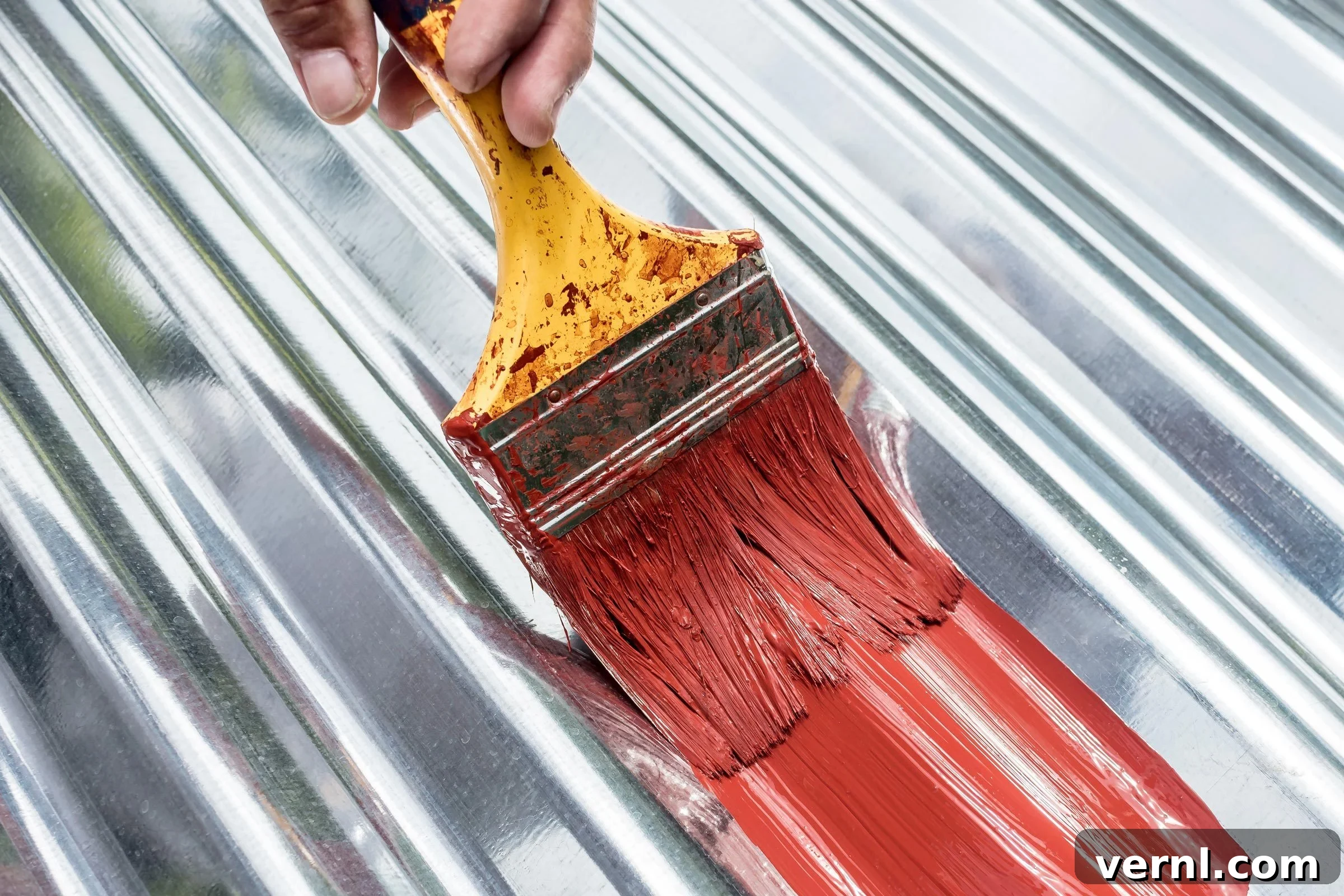
Stainless steel has long been a hallmark of modern design and robust functionality. Its sleek, lustrous finish is a popular choice for appliances, fixtures, and furniture, prized for its durability and timeless appeal. However, even the most beloved stainless steel items can sometimes benefit from a fresh perspective. Perhaps you’re renovating your kitchen, wanting to update an aging appliance, or simply desiring a personalized touch to match your evolving decor. In such cases, the question often arises: “Can you paint stainless steel?” The definitive answer is yes, you absolutely can! But achieving a professional, long-lasting finish requires more than just a can of paint. Below, we’ll delve into the precise techniques, essential materials, and expert tips to transform your stainless steel pieces with confidence and flair.
Why Consider Painting Stainless Steel? Beyond a Simple Update
While stainless steel is celebrated for its inherent beauty and resilience, there are several compelling reasons why painting it might be the perfect solution for your home or project:
- Aesthetic Transformation: One of the most common reasons is to update the look of an item. A dated stainless steel appliance can be revitalized to match contemporary color schemes or a specific design aesthetic, giving your space an instant facelift without the expense of replacement.
- Damage Concealment: Over time, stainless steel surfaces can accumulate scratches, dings, or minor blemishes that detract from their appearance. A carefully applied coat of paint can effectively hide these imperfections, restoring the item’s visual appeal.
- Cost-Effective Renovation: Replacing stainless steel appliances or furniture can be a significant investment. Painting offers a budget-friendly alternative, allowing you to achieve a brand-new look at a fraction of the cost. This is particularly beneficial for renters or those on a tighter budget.
- Personalization and Customization: Painting opens up a world of creative possibilities. You can choose any color or finish to perfectly complement your interior design, create an accent piece, or simply express your personal style in a way that bare stainless steel cannot.
- Unified Look: If you have a mix of appliances or fixtures, painting them a uniform color can create a cohesive and harmonious look throughout your kitchen or living area.
The Science Behind Painting Stainless Steel: Understanding Adhesion Challenges
Valued for its strength, durability, and rust resistance, stainless steel’s smooth, nonporous surface is indeed paintable. However, its unique properties pose specific challenges that must be addressed for successful adhesion. The key lies in understanding the material itself.
Stainless steel owes its remarkable corrosion resistance to a passive layer of chromium oxide that naturally forms on its surface. This invisible, self-repairing film acts as a protective barrier, repelling water, stains, and environmental contaminants. While excellent for preventing rust, this same oxidative coating is precisely why typical latex or oil-based primers will not adhere well. It essentially repels most conventional primers, preventing them from forming a strong mechanical or chemical bond with the surface.
Therefore, the crucial first step in painting stainless steel is to bypass this repellent layer. This requires not only thorough surface preparation to create a physical “tooth” for grip but also the use of a specialized metal primer. This primer is engineered with unique bonding agents that can effectively “grab” onto the challenging stainless steel surface, providing the necessary foundation for your chosen topcoat. Without this specific type of primer, any paint you apply is likely to chip, peel, or scratch off prematurely, negating all your efforts.
Essential Tools and Materials for Painting Stainless Steel
Before you begin your painting project, gather all necessary tools and materials. Proper preparation and the right supplies are paramount for a lasting, professional finish.
Safety Gear:
- Dust Mask or respirator: Essential for protecting your lungs from sanding dust and paint fumes.
- Safety Glasses: To protect your eyes from dust and paint splatter.
- Gloves: Nitrile or latex gloves protect your hands from chemicals and keep the surface free of skin oils.
Surface Preparation:
- Drop Cloths or Plastic Sheeting: To protect surrounding areas from dust and paint.
- Painter’s Tape: For masking off areas you don’t want to paint (e.g., edges, handles, logos).
- Degreaser: A heavy-duty cleaner like Simple Green, TSP (Trisodium Phosphate), or a specialized automotive degreaser to remove all grease and grime.
- Clean Rags or Microfiber Cloths: For cleaning and wiping down the surface.
- Orbital Sander: For larger, flat surfaces.
- Sandpaper: 100- to 120-grit for scuffing the stainless steel.
- Stainless Steel Wire Brush or Sanding Sponge: For intricate areas, corners, and edges where a sander can’t reach.
Primer and Paint:
- Specialized Metal Bonding Primer: This is non-negotiable. Look for primers specifically designed for challenging surfaces like stainless steel or galvanized metal. Examples include Benjamin Moore’s Corotech High-Performance Water Borne Bonding Primer or Rust-Oleum’s Stops Rust Universal Bonding Primer.
- High-Quality Paint: Your chosen topcoat (latex, acrylic, alkyd, or epoxy) in your desired color and sheen.
- Stirring Sticks: For thoroughly mixing primer and paint.
Application Tools:
- High-Quality Synthetic Paint Brushes: Various sizes for details, edges, and cutting in. Synthetic bristles are best for water-based primers and paints.
- Paint Rollers: For smooth surfaces, use a 3/16- to 1/4-inch nap roller or a foam roller to achieve a smooth finish with minimal texture.
- Paint Tray or Roller Pan: For loading rollers evenly.
- Airless Paint Sprayer or HVLP Sprayer: For the smoothest, most professional finish, especially on larger items. An airless sprayer provides excellent coverage and speed.
- Cans of Spray Paint: A convenient option for smaller items or if a sprayer isn’t available.
Cleanup:
- Mineral Spirits or Paint Thinner: If using oil-based alkyd paints or primers.
- Soap and Water: For cleaning water-based primers and paints.
Step-by-Step Guide: How to Successfully Paint Stainless Steel
Achieving a durable, factory-like finish on stainless steel is entirely possible by meticulously following these steps. Work slowly and carefully during each stage, as thorough preparation is the secret to success.
Step 1: Plan Your Project and Prepare Your Workspace
Start by selecting an appropriate workspace. It should be well-ventilated, preferably outdoors or in a garage with open doors, to ensure proper air circulation and dissipate fumes. Check the weather forecast if working outside, as temperature and humidity can impact paint drying and curing. Ideal conditions are typically between 50-85°F (10-30°C) with moderate humidity.
Before any sanding or painting, protect surrounding areas. Lay down drop cloths or plastic sheeting generously to cover floors, adjacent walls, or other items you wish to keep pristine. Use high-quality painter’s tape to meticulously mask off any areas on your stainless steel item that you do not want painted, such as handles, knobs, control panels, rubber seals, or decorative trim. If possible, disassemble removable parts like handles or grates for easier, more thorough painting.
Step 2: Thorough Surface Cleaning and Degreasing
This is a critical step, as any contaminants on the surface will prevent proper adhesion. Begin by thoroughly cleaning the stainless steel item with a strong degreaser, such as Simple Green, TSP (Trisodium Phosphate) solution, or a dedicated automotive degreaser. Stainless steel often accumulates invisible grease, oil, and fingerprints, which must be completely removed. Apply the degreaser with a clean rag, scrubbing all surfaces. Pay particular attention to corners, edges, and areas that are frequently touched.
After degreasing, rinse the surface thoroughly with clean water to remove all degreaser residue. Any remaining cleaner can interfere with paint adhesion. Use a clean, damp cloth to wipe it down, then follow with a dry, lint-free cloth. Allow the surface to air dry completely. It’s crucial that the stainless steel is bone dry before proceeding to the next step, as moisture can compromise the paint bond.
Step 3: Roughening the Surface (Mechanical Etching)
The smooth, slick nature of stainless steel offers very little for primer and paint to grip onto. To overcome this, you need to create a “mechanical tooth” by lightly scuffing or dulling the surface. This etching process is vital for adhesion.
Wear your dust mask and gloves for this step. For larger, flat areas, use an orbital sander fitted with 100- to 120-grit sandpaper. Apply light, even pressure and work in a consistent pattern to dull the entire surface without creating deep scratches. Deep scratches will be visible even after painting, so aim for a uniform, dull finish. For intricate areas, corners, and edges, switch to a stainless steel wire brush or a fine-grit sanding sponge. Begin on an inconspicuous area to ensure you’re achieving the desired effect without over-sanding.
Once you’ve scuffed the entire surface, meticulously wipe away all sanding dust with a clean, dry rag. You might also use a tack cloth to ensure no fine dust particles remain. The surface must be perfectly clean and dull before priming.
Step 4: Applying the Specialized Bonding Primer
This is arguably the most critical step. As established, typical primers will not work. You need a specialized metal bonding primer specifically formulated to adhere to challenging surfaces like stainless steel. Products like Benjamin Moore’s Corotech High-Performance Water Borne Bonding Primer or Rust-Oleum’s Stops Rust Universal Bonding Primer are excellent choices that provide an extra level of adhesion, particularly for heavy-traffic areas.
Regardless of your chosen application method (brush, roller, or sprayer), use it consistently for both priming and painting for a uniform finish. If using a brush, opt for one with synthetic bristles. For roller applications, a 3/16- to 1/4-inch nap or a high-density foam roller will yield the smoothest results. An airless sprayer is ideal for achieving the smoothest, most professional finish, especially on larger items.
Apply the primer in thin, even coats. Avoid applying too thickly, as this can lead to drips and extended drying times. Follow the primer manufacturer’s recommendations precisely for the number of coats required and the crucial drying times between coats. Rushing this step can compromise the primer’s ability to bond properly.
Step 5: Painting the Stainless Steel Surface
Once the primer has fully cured according to manufacturer specifications, you can proceed to paint. As with priming, consistency in your application method is key. All paint application methods typically require two thin coats for optimal coverage, durability, and a professional appearance.
- Brush Application: If using a brush, load it sparingly to prevent drips. Apply the paint in long, even strokes, always working in the same direction to achieve a uniform, professional look and minimize brush marks. Use a smaller brush for cutting in around edges and details.
- Roller Application: Load your roller evenly with paint. Apply light, consistent pressure, overlapping each pass slightly. For best results and to minimize roller texture, immediately “back-roll” over the freshly painted area with a dry or lightly loaded roller. You may need a smaller brush to paint surface edges or tight corners that the roller cannot reach.
- Sprayer Application: For the smoothest finish, an air sprayer is highly recommended. Hold the spray gun 12 to 18 inches from the surface and apply paint in a steady, sweeping cross-motion, ensuring even coverage and slightly overlapping each pass. Maintain a consistent speed and distance from the surface to avoid runs and uneven application. Always ensure proper ventilation when spray painting and wear appropriate respiratory protection. For smaller projects or touch-ups, a can of high-quality spray paint can also be effective, following similar techniques of even, light passes.
Allow the manufacturer’s recommended dry time between coats. Applying a second coat too soon can lead to bubbling, peeling, or an uneven finish.
Step 6: Curing and Final Protection
Once the final coat of paint is applied, resist the urge to immediately handle or use the item. There’s a significant difference between “dry to touch” and “fully cured.” While the paint may feel dry within hours, it typically takes several days, or even weeks, for the paint to fully harden and achieve its maximum durability and resistance to wear.
Refer to your paint manufacturer’s guidelines for the full cure time and try to avoid heavy use or impacts during this period. For items subjected to high wear, like appliances or countertops, you might consider applying a clear protective topcoat (if compatible with your paint type) for added longevity and scratch resistance. This optional step can significantly extend the life of your painted finish.
Choosing the Right Paint for Your Stainless Steel Project
Virtually any type of high-quality paint can be applied to a properly prepared and primed stainless steel surface. Your choice will largely depend on the item’s intended use, desired durability, and the finish you’re aiming for.
Latex or Acrylic Paints:
- Pros: These water-based paints offer easy clean-up with soap and water, low VOCs (Volatile Organic Compounds), and fast dry times. They are generally user-friendly and come in a vast array of colors and sheens. Benjamin Moore offers excellent residential lines like Aura, Ben, or Regal Select that will work beautifully over a proper primer.
- Cons: While good for decorative items, latex/acrylic paints typically produce the least durable finish among the options. They can be prone to scratching or chipping on high-use surfaces and may require regular maintenance or touch-ups.
- Best For: Interior decor pieces, accent furniture, items that won’t see heavy wear and tear.
Alkyd (Oil-Based) Paints / Water-borne Alkyds:
- Pros: Alkyd-based paints are renowned for their exceptional durability, hard finish, and excellent adhesion. They tend to self-level well, resulting in a smoother, more uniform surface. Modern water-borne alkyds, such as Benjamin Moore’s Advance, combine the best of both worlds: the durability and smooth finish of traditional oil-based paints with the easier cleanup and lower VOCs of water-based products. This makes them ideal for a shiny, smooth surface on items that see moderate use.
- Cons: Traditional alkyds have longer dry times and stronger fumes, requiring more ventilation and mineral spirits for cleanup. Even water-borne alkyds typically have longer cure times than latex.
- Best For: Kitchen appliances, cabinetry, furniture, and items requiring a highly durable, smooth finish.
Epoxy Paints:
- Pros: Epoxy paints are among the most durable options available. They create an extremely hard, chemical-resistant, and impact-resistant finish, making them ideal for high-traffic or functional items. Rust-Oleum offers an excellent option specifically for appliances, called Appliance Epoxy. As Kathy Brock, senior product manager for Rust-Oleum, notes, “This is durable and great for updating your appliances to a clean and modern finish.”
- Cons: Often two-part systems that require precise mixing and have a limited pot life once mixed. They can have strong fumes and require good ventilation.
- Best For: Appliances (refrigerators, dishwashers), utility sinks, or any stainless steel item requiring maximum durability and resistance.
Spray Paints:
- Pros: Convenient and effective for smaller, intricate items where brush or roller application might be challenging. They can provide a very smooth, factory-like finish with proper technique. Many brands, like Rust-Oleum’s 2X Ultra Cover, offer a vast selection of colors and sheens. This range, when used over a bonding primer, works well for both indoor and outdoor furniture.
- Cons: Less control over paint thickness, potential for overspray, and generally more expensive per ounce than liquid paints.
- Best For: Small fixtures, decorative objects, intricate parts, or achieving a very smooth finish on smaller surfaces.
Maintenance and Longevity of Painted Stainless Steel
To ensure your newly painted stainless steel item remains beautiful for years to come, proper maintenance is crucial. Painted surfaces are not as resistant to harsh abrasives or chemicals as bare stainless steel. Always clean painted stainless steel with gentle, non-abrasive cleaners and a soft cloth. Avoid scouring pads, strong acidic or alkaline cleaners, and solvents unless specifically recommended for your paint type, as these can damage the finish. Promptly clean up spills to prevent staining.
While proper preparation and high-quality paints ensure durability, minor chips or scratches can still occur, especially on high-use items. Keep a small amount of your leftover paint for touch-ups. Address any damage quickly to prevent moisture from penetrating the paint layers, which could lead to further peeling or corrosion. The longevity of your painted stainless steel will largely depend on the quality of your surface preparation, the type of paint used, the item’s exposure to wear and tear, and your ongoing maintenance efforts.
When to Call a Professional
While many stainless steel painting projects are perfectly suited for DIY enthusiasts, there are instances where professional help is advisable or even necessary:
- Large Exterior Projects: Items like automotive parts, large outdoor sculptures, or extensive metal fences often require specialized equipment, commercial-grade primers and paints, and expert application techniques that go beyond typical DIY capabilities.
- Industrial or Commercial Applications: For items in demanding environments that require specific industrial coatings for extreme durability, chemical resistance, or fire retardation, professionals with access to specialized materials and certifications are the best choice.
- Flawless Factory-Like Finish: If you desire an absolutely flawless, showroom-quality finish with no visible brush strokes or texture, a professional painter with spray equipment and extensive experience is often the best route.
- Lack of Confidence or Time: If you feel uncomfortable with any step of the process, lack the necessary tools, or simply don’t have the time to dedicate to a meticulous preparation and painting job, hiring a professional can save you frustration and ensure a high-quality outcome.
Conclusion
Painting stainless steel is a rewarding project that can breathe new life into old appliances, customize furniture, or simply refresh your living space. While the process demands careful attention to detail, particularly in surface preparation and primer selection, the results are well worth the effort. By understanding the unique properties of stainless steel and following the comprehensive steps outlined above—from thorough cleaning and scuffing to applying specialized primers and the right type of paint—you can achieve a durable, beautiful, and lasting finish. Empower yourself to transform your stainless steel items, creating personalized pieces that perfectly complement your home’s aesthetic, all while extending their lifespan and enhancing their appeal.