
Choosing the Best Home Heating System: A Comprehensive Guide for Lasting Comfort and Savings
Selecting the ideal heating system for your home is a monumental decision that impacts your comfort, budget, and environmental footprint for years to come. With a lifespan typically ranging from 10 to 20 years, your heating system is a long-term investment. Therefore, it’s absolutely crucial to thoroughly research all available options before committing to a purchase and installation project.
Heating expenses can account for a significant portion—often around 42 percent—of your total annual energy bill. The choice you make today will directly influence your household budget for decades. This guide explores the various types of home heating systems available, detailing their mechanisms, advantages, disadvantages, and ideal applications, to help you make an informed decision for your unique home.
Understanding Ducted Home Heating Systems: Centralized Warmth for Your Entire Home
Ducted heating systems, commonly known as “central heating,” utilize a single primary heat source to distribute warmth evenly throughout your entire home. This is achieved through a network of ducts or pipes that carry heated air or water to various rooms. These systems are popular for their ability to provide consistent temperatures across multiple living spaces. Let’s delve into the three main types of ducted home heating systems:
Furnaces: The Ubiquitous Air-Based Heating Solution
Furnaces are the most prevalent type of heating system in many regions, particularly in the U.S. A furnace operates by heating air within a central unit and then blowing this warmed air through a series of ducts. This heated air is subsequently delivered into individual rooms via registers or grilles. Their widespread adoption is largely due to their compatibility with existing air conditioning units, allowing them to share ductwork and form a comprehensive heating, ventilation, and air conditioning (HVAC) system.
Modern furnaces offer considerable flexibility in fuel sources, making them adaptable to almost any home’s primary energy supply. A furnace can be powered by natural gas, propane, electricity, or oil. This versatility ensures that homeowners can choose the most cost-effective and readily available fuel for their area. When evaluating efficiency, furnaces are rated by their Annual Fuel Utilization Efficiency (AFUE), which indicates how much of the fuel’s energy is converted into usable heat. High-efficiency furnaces can boast AFUE ratings of up to 96 percent, meaning nearly all the energy consumed is transformed into warmth for your home.
While highly effective and popular, furnaces do come with certain drawbacks. They typically represent a significant upfront investment in terms of purchase and installation costs. Furthermore, compared to some other central heating options like heat pumps, furnaces may not always offer the highest energy efficiency, especially older models. Before making a decision, it’s beneficial to understand the nuances between a heat pump versus a furnace to ensure you select the best fit for your needs. For those leaning towards a furnace, exploring reputable manufacturers by reviewing a list of the best furnace brands can guide your choice.
Boilers: Delivering Radiant Heat for Consistent Warmth
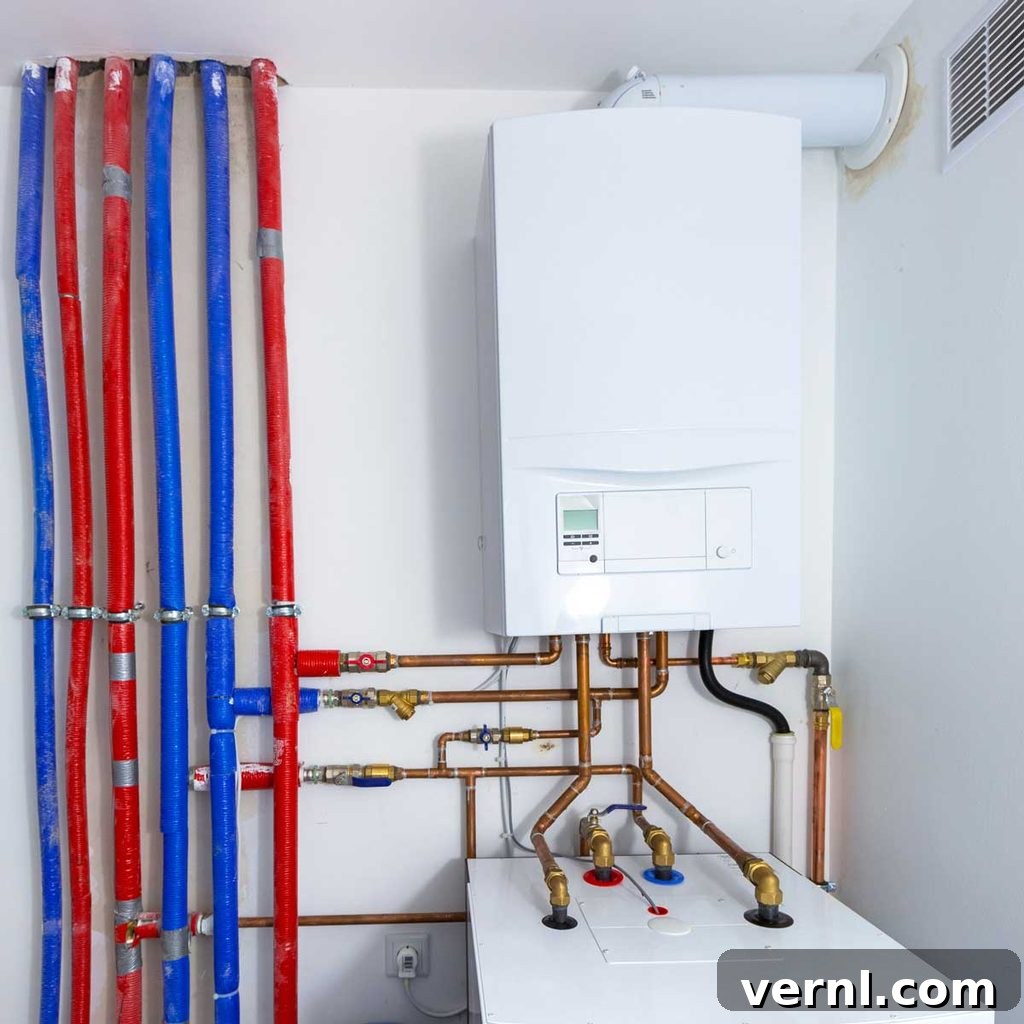
A boiler system operates by heating water in a central tank and then circulating this heated water or steam through a network of pipes to radiators or radiant floor systems located throughout the home. Boilers come in two main types: hot water boilers, which keep the water in a liquid state, and steam boilers, which heat the water until it converts into steam. A distinct advantage of boiler systems is their ability to provide zoned heating. Each radiator or heating zone can often be controlled independently, allowing homeowners to customize temperatures in specific rooms or areas, rather than heating the entire house uniformly.
Unlike furnaces that primarily heat air through convection, boilers utilize radiant heat, which many find to be a more comfortable and consistent form of warmth. This method of heat transfer is often considered more energy-efficient for delivering warmth directly to objects and occupants in a room. Similar to furnaces, boilers offer fuel flexibility and can be powered by natural gas, electricity, or oil, adapting to various energy infrastructures. It’s also useful to compare boiler vs. furnace to understand their core differences.
The primary limitation of a boiler system is its sole capability for heating. Since boilers do not rely on air ductwork, they cannot be integrated with an air conditioning appliance to provide cooling. This means homes with boilers typically require a separate cooling system if air conditioning is desired. Installation can also be more complex and costly due to the intricate piping network.
Heat Pumps: Efficient Heating and Cooling in One System
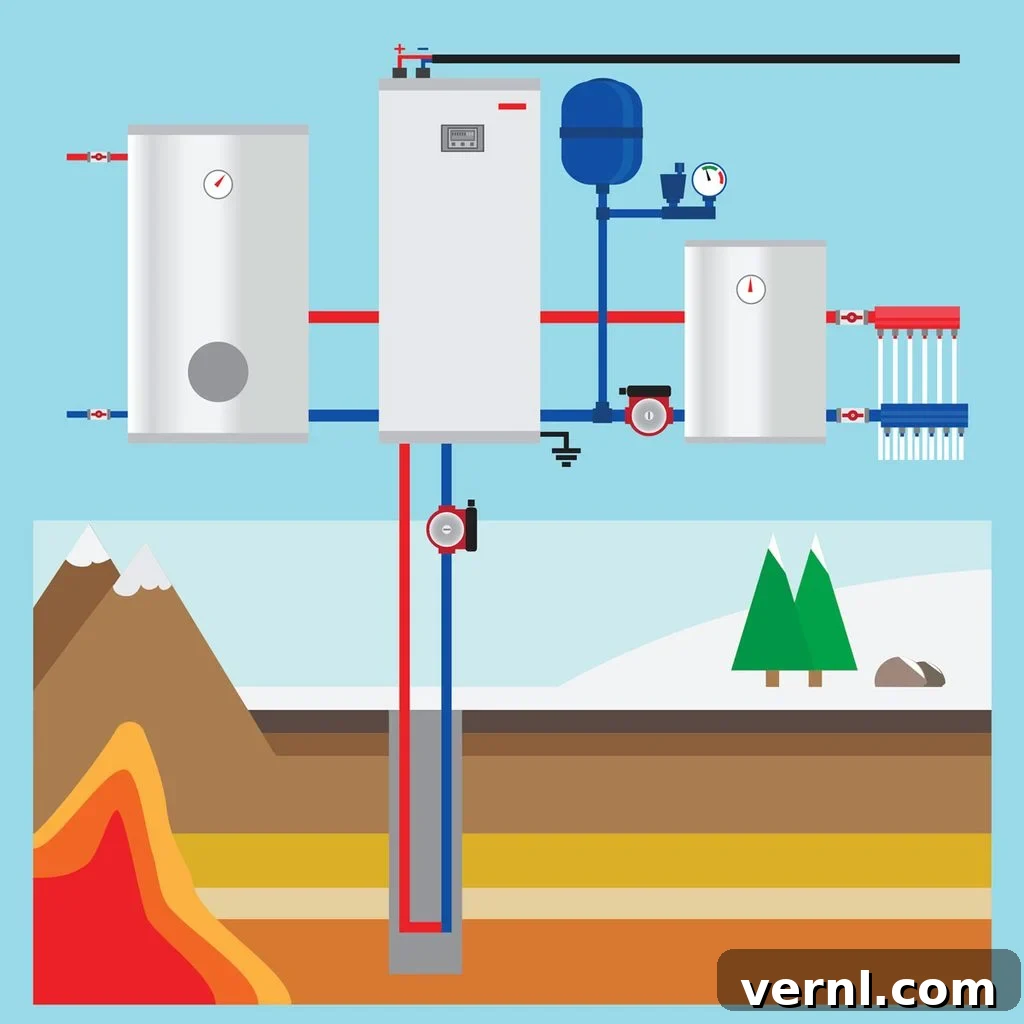
Despite their name, heat pumps are remarkable systems capable of both heating and cooling your home. They consist of an indoor unit and an outdoor unit, both containing coils that circulate refrigerant. The magic of a heat pump lies in its ability to move thermal energy rather than generating it. In heating mode, the heat pump extracts warmth from the outdoor air (even in cold temperatures) and transfers it indoors. Conversely, in cooling mode, it reverses the process, capturing warm indoor air and expelling it outside.
This “heat transfer” mechanism makes heat pumps incredibly energy-efficient, often surpassing the efficiency of traditional furnaces and boilers that generate heat through combustion or electrical resistance. Their dual functionality means you don’t need separate heating and air conditioning units, potentially saving on installation and equipment costs. Furthermore, heat pumps are often cheaper to purchase and install than a combined furnace and AC system.
However, heat pumps do have specific operational considerations. Their efficiency and effectiveness can decrease significantly when outdoor temperatures drop below approximately 30 degrees Fahrenheit, as it becomes harder to extract sufficient heat from the very cold air. In extremely cold climates, supplemental heating (often from electric resistance coils or a gas furnace in a “dual-fuel” system) may be necessary. Additionally, standard air-source heat pumps are exclusively powered by electricity, which can be a factor depending on local electricity rates and availability.
Ductless Home Heating Systems: Targeted Comfort Solutions
Ductless heating systems, as their name implies, provide warmth to a home without the need for extensive ductwork or pipes. Instead of conditioning the entire house from a central point, these systems typically focus on heating individual rooms or specific living zones, offering targeted comfort and energy savings. They are an excellent solution for additions, renovated spaces, or homes where installing traditional ductwork is impractical or too costly.
Mini-split Heat Pumps: Flexible and Efficient Zone Control
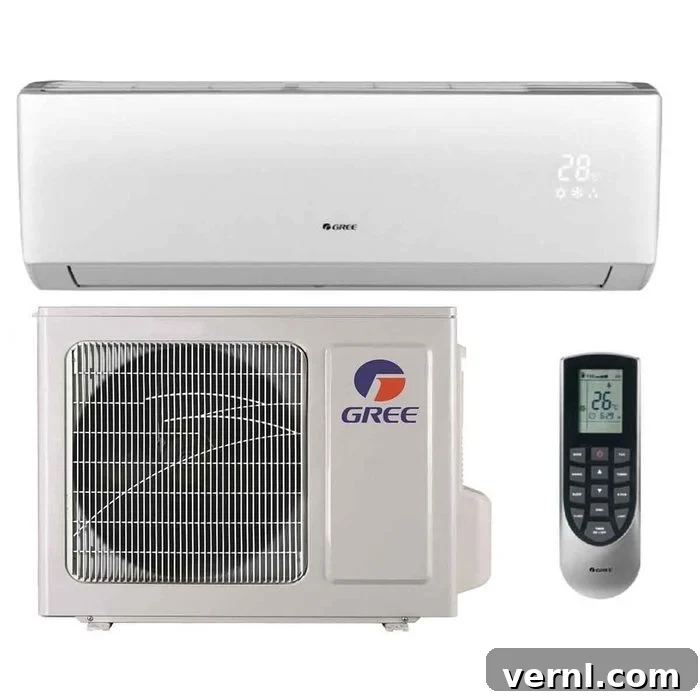
A mini-split heat pump, also commonly referred to as a “ductless mini-split,” functions on the same principle as a regular heat pump by moving heat rather than generating it. The key difference lies in its distribution method: it does not rely on extensive ductwork. A mini-split system consists of an outdoor compressor/condenser unit and one or more indoor air-handling units. The indoor units are typically mounted high on a wall in the room they serve, connected to the outdoor unit by a small conduit that houses the refrigerant lines, power cable, and condensate drain.
The absence of ductwork is a significant advantage, making mini-splits much easier and often cheaper to install compared to central ducted systems, especially in existing homes. This also eliminates the energy losses associated with leaky ducts. Mini-splits are excellent for creating independent comfort zones within a home, allowing occupants to heat or cool only the rooms they are using, thus reducing energy waste. While a single indoor unit cannot typically condition an entire home, it’s possible to connect multiple indoor units to a single outdoor unit, providing multi-zone heating and cooling for several rooms.
The main limitation is that they are not designed to heat and cool an entire large home as effectively as a central ducted system would. While multiple units can be installed, it still differs from a whole-home solution. Aesthetics can also be a minor concern for some homeowners, as the indoor units are visibly mounted on the wall.
Window AC Units With Heat: Economical Room Conditioning

Window air conditioning and heating units are self-contained systems that are mounted directly into an open window frame. They operate similarly to mini-splits, utilizing coils filled with refrigerant to absorb and transfer heat. In cooling mode, they expel warm indoor air outside, and in heating mode, they draw in warmth from outside (or generate it with electric resistance) and release it indoors. Unlike mini-splits, window units are single, integrated systems that require no external piping or separate outdoor unit, simplifying installation.
These units are significantly more affordable than mini-split systems, offering a budget-friendly option for supplemental heating and cooling. Their installation costs are minimal, often requiring only basic handyman skills. However, window AC and heating units have limitations regarding their heating and cooling capacities; they are generally not capable of effectively conditioning particularly large rooms. Furthermore, having a unit partially protruding from a window can be aesthetically unappealing to some, and certain homeowners associations (HOAs) or historical districts may impose restrictions or outright prohibit their use.
Portable AC Units With Heat: Versatile and Movable Climate Control
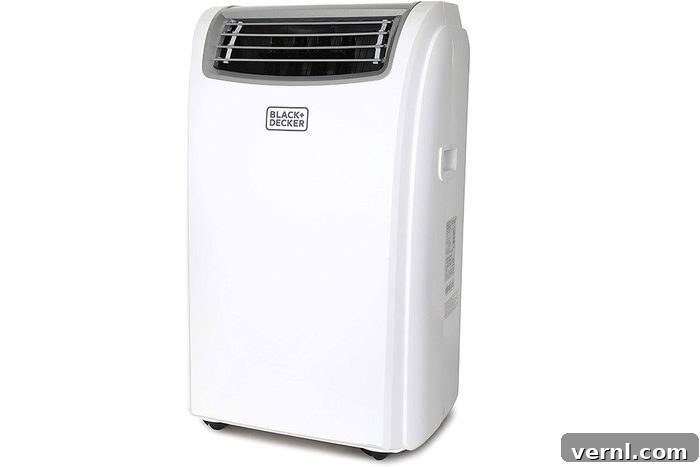
A portable AC and heating system is a free-standing unit designed to rest on the floor, providing a flexible solution for spot heating or cooling. Instead of being mounted in a window, these units typically use one or two flexible intake/exhaust hoses that vent through a window or a small opening in a wall to exchange air with the outdoors. Their design often makes them light, compact, and easy to move between rooms, with many models featuring built-in wheels for added convenience.
While offering greater versatility than window AC units in terms of placement, portable units usually come with a higher price tag. They also generally have lower heating and cooling capacities compared to dedicated window units or mini-splits, making them less ideal for larger spaces. Another consideration is that they occupy valuable floor space, which can be a drawback in smaller rooms. Despite these limitations, their mobility makes them a practical choice for temporary use or for areas where permanent installation isn’t feasible.
Direct Home Heating Systems: Instant, Localized Warmth
Direct heating systems operate by emitting heat directly from their heating elements into the immediate surrounding area. These systems do not rely on ducts, pipes, or an exchange of air with the outdoors. They are primarily designed for localized or supplemental heating rather than conditioning an entire home.
Electric Space Heaters: Simple, Portable Heat on Demand
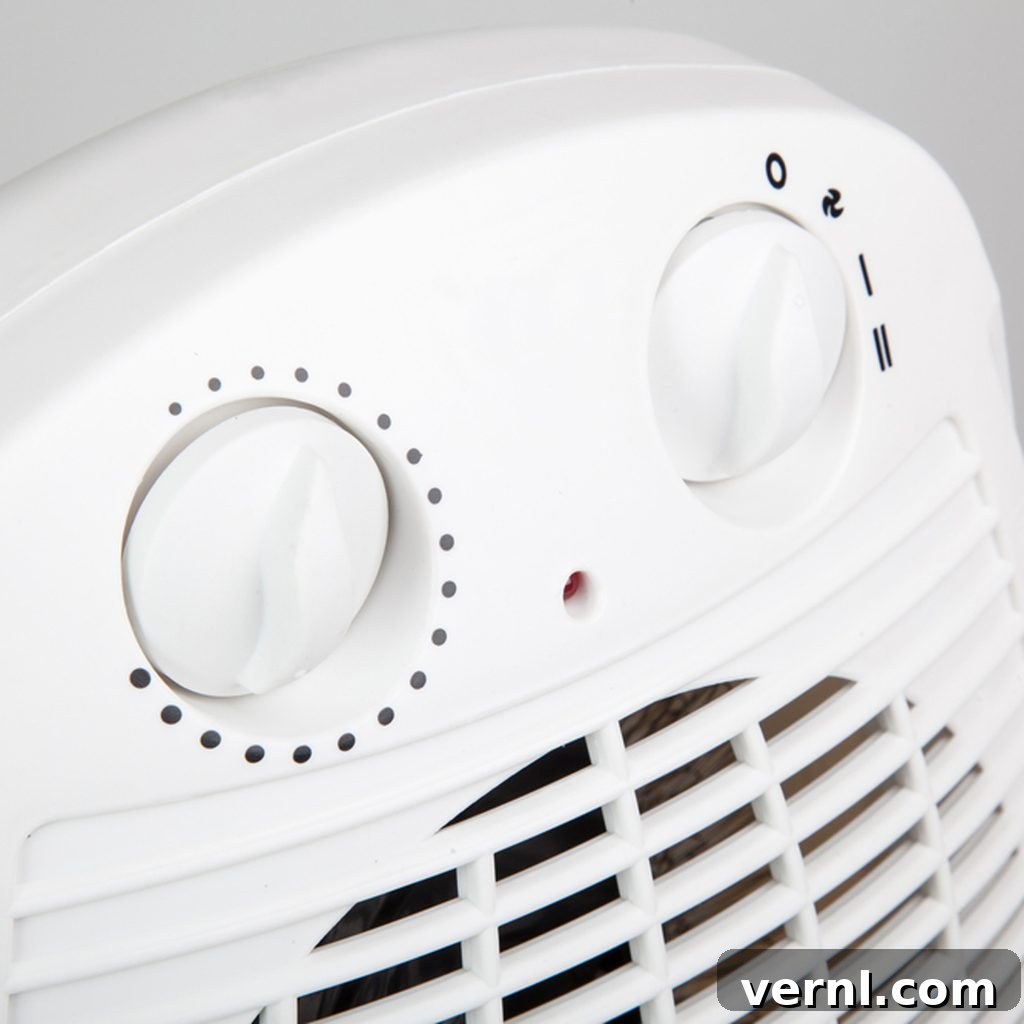
An electric space heater is a straightforward appliance that plugs into a standard electrical outlet. It converts electrical energy into heat by warming internal heating elements, which then radiate or convect heat into the room. There are three primary types of electric space heaters: convection heaters, which warm the air; radiant heaters, which emit infrared radiation to heat objects and people directly; and combination heaters, which utilize both methods. These heaters are available in various designs, including wall-mounted and free-standing models, offering flexibility for different spaces.
Electric space heaters are typically the cheapest heating devices to purchase upfront, making them an accessible option for instant, temporary warmth. However, they are often the least energy-efficient for continuous use across larger areas, as electricity can be an expensive fuel source for heating. Their heating capacities are also relatively low, meaning they are best suited for warming small, specific areas rather than providing primary heat for an entire room or home. While convenient, relying heavily on electric space heaters can lead to significantly higher electricity bills if not used judiciously.
Gas-Fired Space Heaters: Powerful Localized Heating
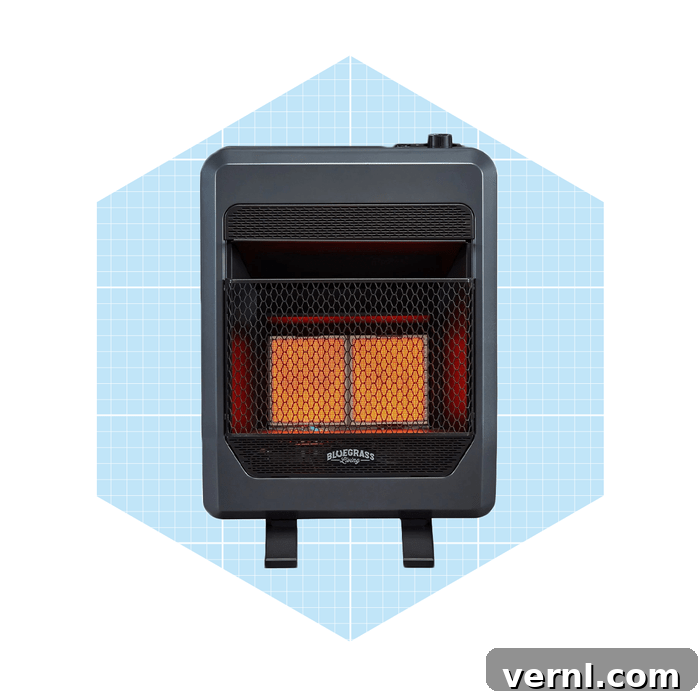
Gas-fired space heaters generate heat by burning fuel such as propane, natural gas, or kerosene. These units can be free-standing or permanently wall-mounted, providing a robust source of localized heat. Compared to electric space heaters, gas-fired models are capable of producing much greater amounts of heat and are often considerably more energy-efficient, especially when compared to resistive electric heating. This makes them a viable option for workshops, garages, or supplemental heating in larger, well-ventilated rooms.
However, gas-fired heaters typically come with a higher purchase price than electric models and often necessitate additional installation considerations. Because the combustion of gas produces various chemicals, including potentially harmful carbon monoxide, most gas-fired space heaters require the installation of vent pipes to safely release these combustion gases outdoors. While ventless gas heaters are available and generally more affordable to install, they pose a significant risk of carbon monoxide poisoning and other hazards if not used in strictly controlled, highly ventilated environments. Homeowners must be acutely aware of these safety risks and follow all manufacturer guidelines and local building codes if considering a ventless option.
How To Choose the Best Home Heating System for Your Needs
The optimal heating system for your home is not a one-size-fits-all solution; it depends on a multitude of factors unique to your property and lifestyle. Carefully evaluating these aspects will guide you toward the most efficient, comfortable, and cost-effective choice:
- Heating Requirements: Determine if you need to heat your entire home uniformly, or if you only require supplemental heating for specific rooms, or perhaps a zoned system for customized comfort in different areas.
- Climate Region: Your geographical location and its typical weather patterns play a significant role. A heat pump might be ideal in a temperate climate, while a furnace or boiler might be more suitable for colder regions with prolonged sub-freezing temperatures.
- Existing Infrastructure: Assess your home’s current setup. Does it already have ductwork for a furnace or an existing network of pipes for a boiler? Utilizing existing infrastructure can significantly reduce installation costs.
- Available Space: Consider the physical space required for installation. Central heating systems demand indoor or outdoor space for the main unit, while ductless systems need wall space for indoor units and an outdoor location for the compressor. Portable units, though flexible, occupy floor space.
- Budget Considerations: Evaluate your upfront budget for purchasing and installing the system, as well as long-term operational costs, including fuel prices and maintenance.
- Energy Efficiency and Environmental Impact: Prioritize your preferences for energy efficiency ratings (AFUE, SEER, HSPF) and your desire to minimize your carbon footprint. Newer, high-efficiency systems can lead to substantial long-term savings on energy bills.
- Fuel Availability and Cost: Consider which fuel sources (natural gas, propane, oil, electricity) are readily available in your area and their current and projected costs.
- Noise Levels: Some systems are quieter than others. If noise sensitivity is a concern, research the operational noise levels of different units.
- Maintenance Requirements: Understand the typical maintenance needs and associated costs for each system to ensure longevity and optimal performance.
Consulting with a qualified HVAC professional is highly recommended. They can assess your home’s specific needs, perform detailed load calculations, and provide tailored recommendations that align with your budget and comfort goals.
Helpful Resources for Choosing the Best Furnace for Your Home
If you’ve narrowed down your choice to a furnace or wish to explore furnace options further, these resources provide valuable buyer’s guidelines and detailed information to help you make an informed decision:
- Exploring Different Types of Furnaces
- Top Furnace Brands: A Guide to Quality and Reliability
- Comprehensive Gas Furnace Buying Guide
- Complete Wall Furnace Guide for Compact Spaces
- Oil Furnace Buying Guide: Considerations for Fuel and Efficiency
- Electric Furnace Buying Guide: Understanding Performance and Costs
- Hydronic Baseboard Heater Buying Guide: Radiant Warmth Solutions