In the demanding world of construction, heavy machinery, and industrial assembly, precision and efficiency are paramount. Amongst the vast array of specialized tools, the spud wrench stands out as an indispensable companion for professionals. This versatile hand tool, characterized by its unique dual functionality, plays a crucial role in ensuring the safe and accurate alignment of bolt holes, a task that is fundamental to the structural integrity and smooth operation of countless systems.
Far from being just another wrench, the spud wrench combines the tightening power of a conventional wrench with the pinpoint accuracy of a tapered alignment tool. This distinctive design makes it a favorite among ironworkers, pipefitters, mechanics, and anyone involved in the assembly of heavy-duty components. Understanding its features, applications, and variations is key to appreciating its value on the job site.
What is a Spud Wrench?
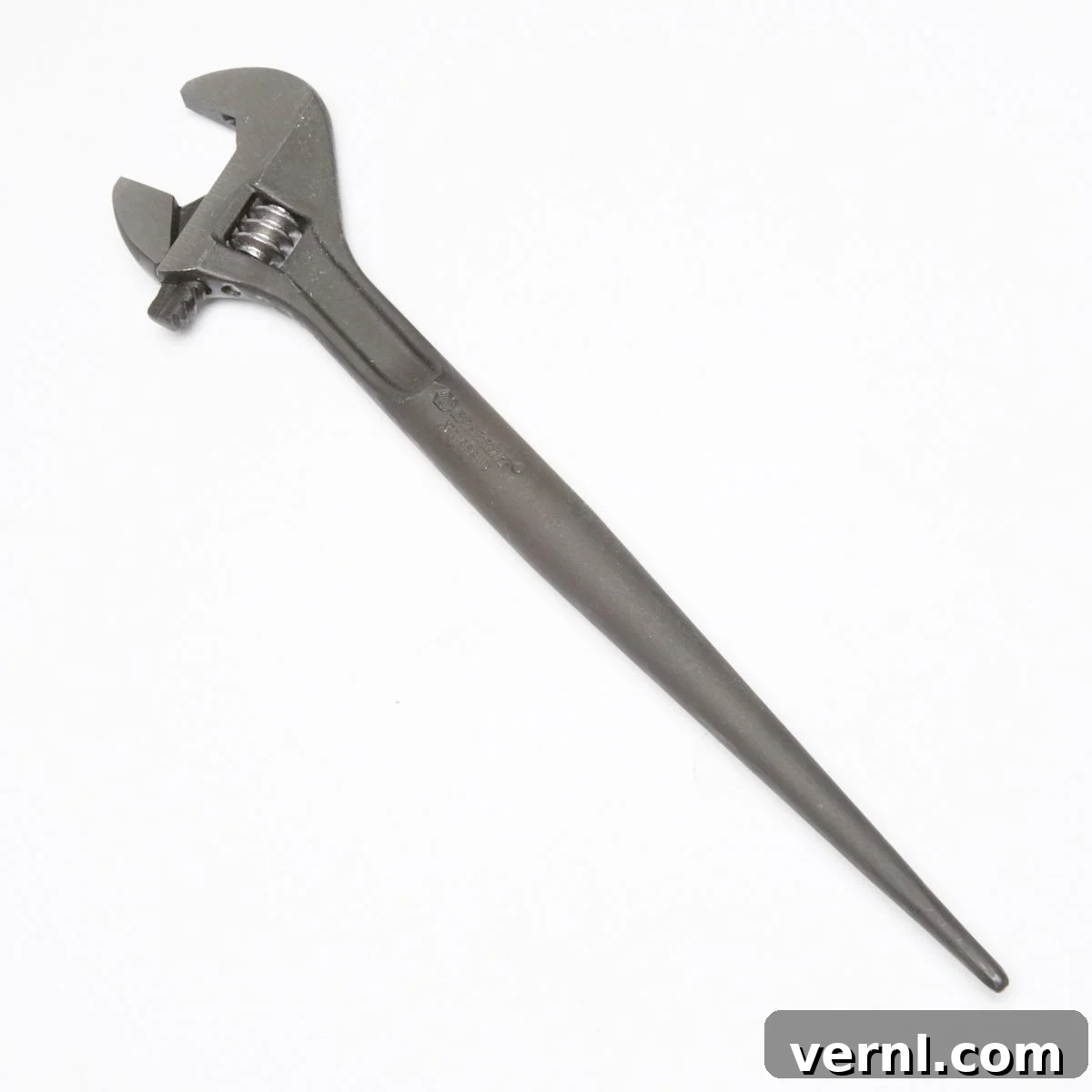
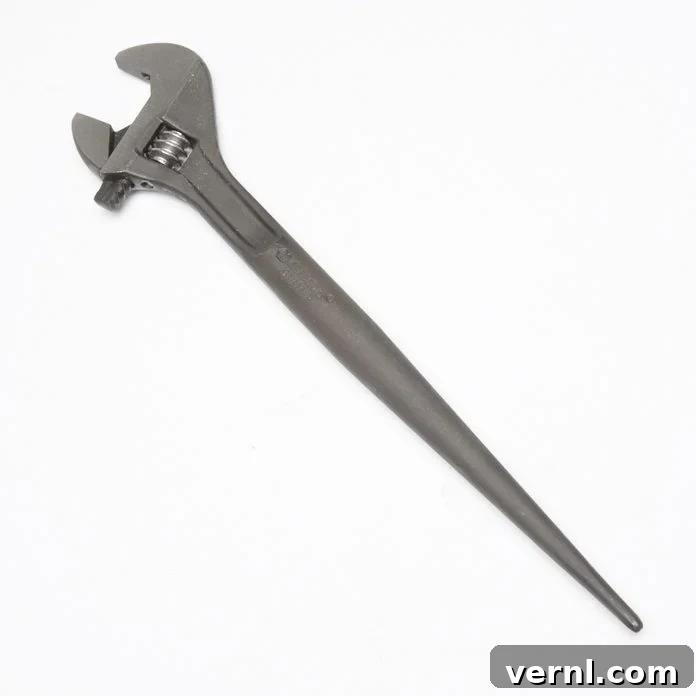
At its core, a spud wrench is a specialized hand tool engineered for dual-purpose functionality. It features a robust wrench head on one end, designed for tightening or loosening fasteners, and a distinctive tapered spike, often referred to as a “spud,” on the opposite end. This spike is its defining characteristic, setting it apart from standard wrenches.
The Two Halves of a Spud Wrench
Let’s delve deeper into the components that make a spud wrench so effective:
- The Wrench Head: This end is where the spud wrench performs its primary function of gripping and turning nuts and bolts. It can manifest in several forms:
- Fixed Box Wrench: Many spud wrenches come with a fixed-size box end, providing a secure, non-slip grip on specific hexagonal or square fasteners. These are often chosen for repetitive tasks involving a consistent bolt size.
- Adjustable Wrench: Some spud wrenches integrate an adjustable jaw mechanism, similar to a crescent wrench. This offers greater versatility, allowing the tool to accommodate a range of fastener sizes, making it a valuable all-in-one solution for varied tasks.
- Ratcheting Box Wrench: For increased speed and convenience, some modern spud wrenches feature a ratcheting mechanism on the box end, enabling continuous turning without having to remove and reposition the wrench after each swing.
The wrench head is typically forged from high-strength alloy steel, ensuring durability and resistance to wear under extreme torque.
- The Tapered Spike (Spud): This is the hallmark of the spud wrench. The spike is precisely tapered to allow it to be inserted into misaligned bolt holes. Its pointed tip and gradually widening body enable the user to leverage and manipulate components until their bolt holes align perfectly. The spud is also crafted from hardened steel to withstand the immense forces applied during alignment without bending or breaking.
The synergy between these two components creates a powerful tool that significantly streamlines assembly processes, enhances safety, and improves the overall quality of construction and maintenance work.
The Indispensable Role of the Tapered Spike
While the wrench end handles the actual fastening, it’s the tapered spike that truly defines the spud wrench and earns its specialized reputation. This seemingly simple component is critical for overcoming one of the most common and frustrating challenges in heavy assembly: misaligned bolt holes.
Precision Alignment Made Easy
Imagine trying to connect two massive steel beams or position a heavy pipe flange where bolt holes, though designed to match, are slightly off by a few millimeters. Manual manipulation is often impossible or extremely hazardous. This is where the spud comes into play:
- Insertion: The pointed tip of the tapered spike can be easily inserted into one of the misaligned bolt holes.
- Leverage: As the spike is driven deeper or angled, its increasing diameter exerts outward pressure on the surrounding material, subtly shifting the component.
- Fine-Tuning: With controlled leverage, the user can meticulously bring the corresponding bolt holes into perfect concentric alignment, allowing bolts to be inserted smoothly and without force.
This method not only saves considerable time and effort but also prevents damage to the bolt holes or the fasteners themselves, which could occur if brute force were used on misaligned components. The spike ensures a clean, precise fit, which is vital for the long-term integrity of any bolted connection.
Key Applications Across Industries
The spud wrench’s unique design makes it an essential tool across a wide spectrum of industries where robust and precise bolted connections are a daily requirement.
1. Structural Steel and Ironworking
This is perhaps the most iconic application of the spud wrench. Ironworkers, who are responsible for erecting steel frameworks for buildings, bridges, and other structures, rely heavily on this tool. When connecting massive steel beams, girders, and columns, perfect alignment of bolt holes is non-negotiable for structural stability and safety. The spud wrench allows ironworkers to:
- Align bolt holes on heavy steel members quickly and accurately.
- Maneuver and position structural components before final bolting.
- Ensure that all bolts can be inserted without binding, speeding up the assembly process.
2. Pipefitting and Plumbing
In industrial plumbing and pipefitting, especially for large-diameter pipes and high-pressure systems, flanged connections are common. These require precise alignment of multiple bolt holes around the flange perimeter. A spud wrench is invaluable for:
- Lining up flanges on large pipes to prevent leaks and ensure proper sealing.
- Facilitating the installation of heavy valves and other pipe components.
- Working on water treatment plants, petrochemical facilities, and other large-scale pipeline projects.
3. Automotive and Heavy Equipment Mechanics
While not as frequently used for smaller automotive tasks, the spud wrench is incredibly useful in heavy-duty automotive repair and in the maintenance of construction equipment, agricultural machinery, and commercial vehicles. Its uses include:
- Aligning bolt holes for chassis components, suspension systems, and engine mounts in trucks and buses.
- Assisting in the assembly and disassembly of large machinery where components are heavy and difficult to maneuver.
- Working on agricultural implements where robust connections are vital.
4. General Fabrication and Maintenance
Beyond these specialized fields, the spud wrench finds application in any scenario where heavy components need to be assembled with bolts. This can include:
- Setting up industrial machinery.
- Assembling large outdoor structures.
- Performing general maintenance tasks where components have shifted or require precise positioning.
Types and Variations of Spud Wrenches
While the basic concept remains consistent, spud wrenches come in several variations, each designed to cater to specific needs and preferences on the job site.
1. Fixed vs. Adjustable Spud Wrenches
- Fixed Spud Wrenches: These wrenches have a fixed-size box end and are ideal for tasks where the same bolt size is encountered repeatedly. They offer maximum strength and durability for that specific size.
- Adjustable Spud Wrenches: Featuring an adjustable jaw, these provide greater flexibility, capable of gripping various fastener sizes. This versatility makes them a popular choice for professionals who encounter a range of bolt dimensions.
2. Handle Designs
- Straight Handle: The most common design, offering direct leverage.
- Offset Handle: Some spud wrenches feature an offset handle. This design provides improved clearance in tight spaces or offers enhanced leverage in situations where a straight handle might impede access. The offset helps prevent knuckle busting and allows for a more comfortable grip.
3. Ratcheting Spud Wrenches
Combining the speed of a ratcheting mechanism with the alignment capability of a spud, these wrenches allow for quicker fastening and unfastening without repeatedly removing the wrench from the fastener. This is a significant advantage in high-volume assembly tasks.
4. Double-Ended Spud Wrenches
Some models feature a wrench head on both ends, often of different sizes, in addition to the tapered spike. While less common, these offer even more versatility by consolidating multiple wrench sizes into a single tool.
Distinguishing from the “Closet Spud Wrench”
It’s crucial to clarify a common point of confusion regarding tool names. While the term “spud wrench” generally refers to the heavy-duty bolt alignment tool discussed throughout this article, there is another specialized tool called a “closet spud wrench.”
A “closet spud wrench” is a plumber’s tool designed for an entirely different purpose. It’s used in close quarters, typically for tightening or loosening nuts associated with toilet spuds, basket strainers, and other plumbing fixtures found in confined spaces like behind toilets or under sinks. It often has a specialized head with various openings or a curved shape to grip these specific plumbing nuts. It does NOT feature the tapered spike for bolt hole alignment found on the industrial spud wrench. Always ensure you are selecting the correct tool for your specific application to avoid frustration and potential damage.
Benefits of Using a Spud Wrench
The integration of a spud wrench into a professional’s toolkit yields several significant advantages:
- Increased Efficiency: The ability to quickly align bolt holes drastically reduces the time and effort spent struggling with misaligned components, leading to faster assembly and project completion.
- Enhanced Safety: Forcing bolts into misaligned holes can lead to stripped threads, broken fasteners, or even cause heavy components to shift unpredictably, posing a safety risk. The spud wrench minimizes these hazards by ensuring proper alignment.
- Improved Accuracy and Quality: Precise alignment ensures that bolted connections are made correctly, reducing stress on components and enhancing the overall structural integrity and longevity of the assembly.
- Versatility: Combining two essential functions (tightening and alignment) into a single tool reduces the need to switch between different tools, saving time and simplifying the workflow.
- Durability: Built for demanding environments, spud wrenches are typically constructed from robust materials designed to withstand heavy use and provide a long service life.
How to Choose the Right Spud Wrench
Selecting the appropriate spud wrench is essential for optimizing performance and ensuring safety. Consider the following factors:
- Size Compatibility: The wrench head must match the size of the nuts and bolts you will be working with. If choosing a fixed spud wrench, ensure it corresponds to the most common fastener sizes in your work. For versatility, an adjustable spud wrench might be a better choice.
- Material and Construction: Look for wrenches made from high-grade alloy steel (e.g., chrome vanadium steel) that is drop-forged and heat-treated for maximum strength and durability. A corrosion-resistant finish is also beneficial for outdoor or harsh environments.
- Handle Design: Evaluate whether a straight or offset handle is more suitable for your typical working conditions. Offset handles are excellent for reaching fasteners in obstructed areas or for generating extra leverage. A comfortable, non-slip grip is also important for prolonged use.
- Type of Wrench Head: Decide between fixed, adjustable, or ratcheting based on your need for specific sizes, versatility, or speed.
- Spud Taper: While most spuds have a standard taper, ensure the tip is sufficiently robust for the type of alignment work you anticipate.
- Brand Reputation: Opt for reputable brands known for producing high-quality hand tools. Investing in a well-made spud wrench will pay off in terms of reliability and longevity.
- Ergonomics: For tools used frequently, the comfort and balance in hand can significantly impact user fatigue and overall productivity.
Maintenance and Care for Your Spud Wrench
Like any quality tool, a spud wrench benefits from proper care and maintenance to ensure its longevity and optimal performance:
- Cleaning: After each use, wipe down the wrench to remove dirt, grease, and debris. A clean tool is easier to handle and inspect for wear.
- Lubrication: For adjustable spud wrenches, periodically apply a light coat of lubricant to the adjusting mechanism to ensure smooth operation and prevent corrosion.
- Storage: Store your spud wrench in a dry place to prevent rust. Toolboxes, wall organizers, or dedicated wrench racks are ideal.
- Inspection: Regularly inspect the wrench head for signs of wear, rounding, or cracks. Check the spike for any bending, chipping, or excessive wear on the taper. Damaged tools should be repaired or replaced to prevent accidents and ineffective work.
- Avoid Over-Stressing: While robust, avoid using the spud wrench as a pry bar for tasks beyond its design limits, as this can bend the handle or damage the spike and wrench head. Use it for its intended purpose: bolt alignment and fastening.
Conclusion
The spud wrench, with its ingenious combination of a fastening head and a tapered alignment spike, is far more than just a simple hand tool. It is a specialized instrument that dramatically improves efficiency, precision, and safety in heavy assembly and construction. From the towering steel skeletons of skyscrapers to the complex network of industrial pipelines, its role in facilitating perfect bolt alignment is critical.
Understanding the different types, their specific applications, and how to choose and maintain them ensures that professionals can harness the full potential of this indispensable tool. By investing in a quality spud wrench and using it correctly, workers can tackle demanding tasks with greater confidence and deliver superior results, reinforcing the integrity of structures and machinery that form the backbone of modern industry.