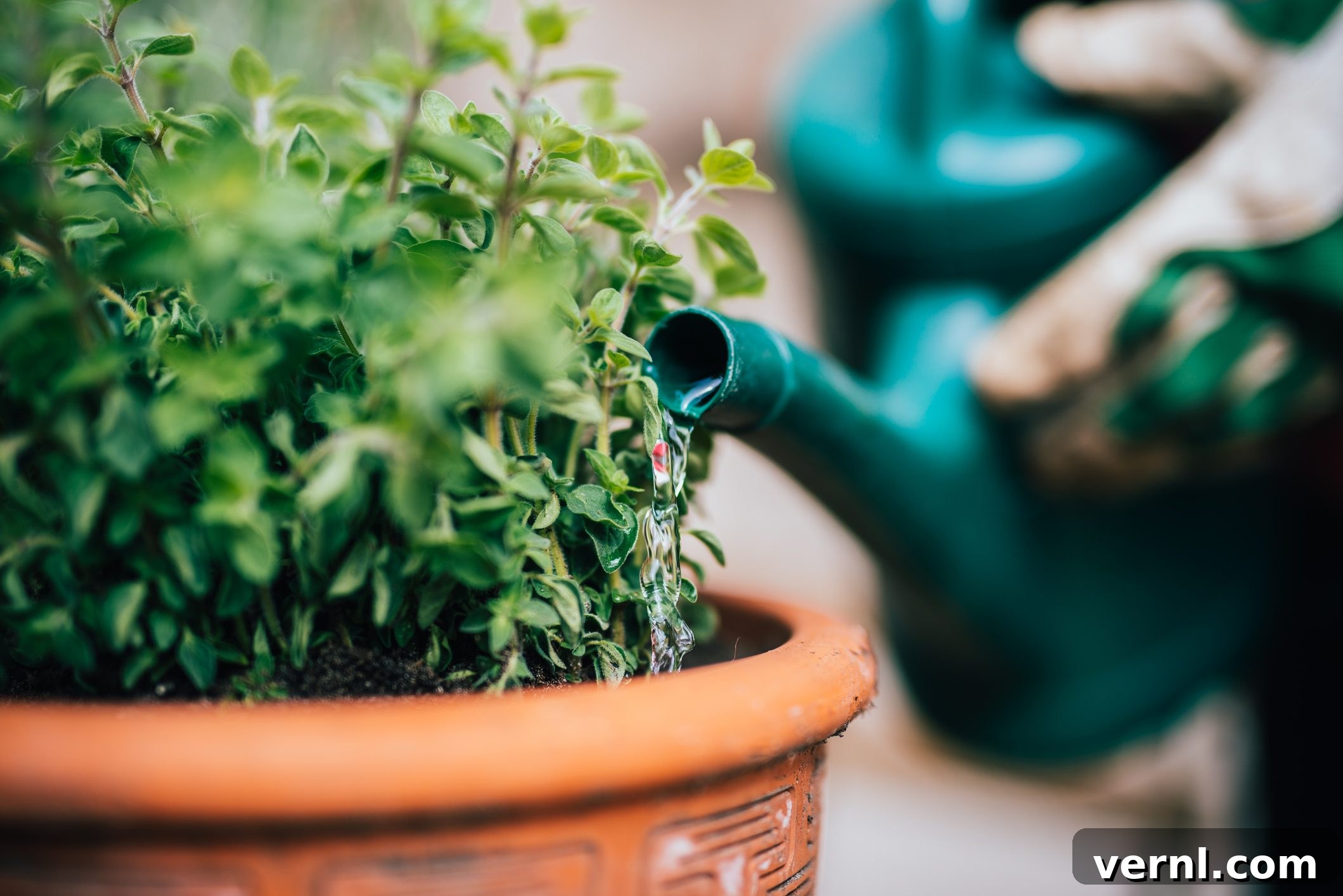
As the vibrant hues of autumn paint the landscape and the air grows crisp, many gardeners begin their preparations for winter. Among the numerous tasks involved in fall garden maintenance, a common misconception often leads to prematurely shutting off your sprinklers. While it might seem counterintuitive to continue watering as plants shed their leaves and appear to enter dormancy, proper hydration in the fall is, in fact, one of the most critical steps to ensuring your garden not only survives but thrives through the colder months. This essential task should be one of the last on your checklist, rather than the first, allowing your plants to build crucial reserves for winter resilience. Understanding the profound impact of autumn watering can make all the difference between a struggling garden and a robust landscape come spring.
The Crucial Importance of Fall Watering for Winter Plant Survival
While the sight of falling leaves might signal the end of the growing season above ground, a vital process is actively underway beneath the soil surface: robust root growth. During autumn, plants strategically redirect their energy reserves from the upper foliage and branches down to their root systems. This underground activity is crucial for developing a strong foundation that will sustain them through the dormancy of winter and fuel vigorous new growth in the spring. Unlike the fluctuating air temperatures, the soil retains warmth longer into the fall, providing an ideal environment for roots to continue expanding and storing carbohydrates until the ground eventually freezes solid.
For this essential root development to occur effectively, plants require adequate moisture. If your region is blessed with plentiful autumn rainfall, your supplemental watering efforts may be minimal or unnecessary. However, for those gardening in arid climates, or when seasonal rains are unexpectedly scarce, active intervention with sprinklers or a garden hose becomes indispensable. Denying plants sufficient hydration as they head into winter can have severe, often irreparable consequences. A common scenario involves plants that become dehydrated, leading to significant foliage and branch loss, or even the complete demise of the plant.
The effects of insufficient fall watering can sometimes be deceptive. A water-starved tree or shrub might appear to survive the winter, only to leaf out weakly in the spring before succumbing and dying when the summer heat returns. In such cases, the true culprit is often traced back to the lack of vital moisture in the preceding fall, which prevented the plant from adequately preparing for dormancy. Proper hydration ensures that the plant’s vascular system remains functional, allowing it to draw upon moisture reserves and withstand the desiccation stresses of winter. This pre-winter preparation is a cornerstone of plant health and longevity, and knowing whether you should even water your trees during winter can further protect them.
Identifying Which Plants Need Your Attention Most in Autumn
While a general approach to fall watering benefits most of your landscape, not every corner of your yard requires the same intensity of care, especially if natural rainfall is adequate. Strategic watering focuses on specific plant types and locations that are particularly vulnerable to winter dehydration. Prioritizing these areas will yield the greatest impact on your garden’s overall health and resilience.
Newly Planted and Transplanted Specimens
Top on your list should be any perennials, shrubs, or trees that you planted or transplanted within the current year. These plants have not yet had sufficient time to extend their root systems deep into the surrounding soil. Their rootballs are still relatively confined and more susceptible to drying out. Providing consistent moisture around the base of these younger plants is critical to help their developing roots establish firmly and remain hydrated, giving them a much-needed head start before winter’s onset. A well-hydrated rootball is less likely to experience winter heaving or desiccation.
Evergreens: A Special Case for Winter Hydration
Second, dedicate significant attention to all evergreen plants. This category encompasses both broadleaf evergreens, such as the vibrant rhododendrons and camellias, and needle evergreens like stately pines and various spruce varieties. Unlike deciduous plants that shed their leaves and enter a deeper dormancy, evergreens maintain their foliage year-round. This means they are continuously exposed to the drying effects of sun and wind, even during winter. Consequently, evergreens transpire moisture from their leaves throughout the colder months. Without sufficient water in the soil, they cannot replenish this lost moisture, leading to a condition known as winter burn, characterized by burnt or browning foliage. This vulnerability is particularly pronounced for evergreens planted in the current year, whose limited root systems struggle to access deep moisture.
Shallow-Rooted Trees and Shrubs
Horticulture specialists, such as J.E. Klett of Colorado State University Extension, specifically recommend providing supplemental water to shallow-rooted trees and shrubs in the fall. These species, by their nature, have root systems closer to the surface, making them more vulnerable to rapid soil drying and freezing. Examples include European white and paper birches; Norway, silver, red, Rocky Mountain, and hybrid maples; lindens, alders, hornbeams, dogwoods, willows, mountain ashes, spruces, firs, arborvitaes, yews, Oregon grape hollies, and boxwoods. Their shallower roots require more consistent attention to ensure they are adequately hydrated to withstand winter stresses.
Plants in Exposed or Windy Locations
Finally, make sure to water your trees or shrubs situated in particularly windy or sunny locations. Wind significantly accelerates moisture loss from plant tissues through increased transpiration and evaporation from the soil. This effect is especially detrimental for evergreens and any plants that are still establishing themselves. A newly planted broadleaf evergreen in an exposed, windy, or sunny spot faces a heightened risk of winter damage. Moisture continuously transpires from its leaves even in winter, but if the ground is frozen, the plant cannot draw up water to rehydrate, leading to severe dehydration and often irreversible browning or “burning” of foliage. Proactive watering minimizes this desiccation.
Other Considerations: Fruit Trees, Roses, and Perennial Beds
Don’t overlook other garden favorites. Fruit trees, while deciduous, benefit from a good soaking to ensure their energy reserves are topped up for next year’s bounty. Roses, especially those in colder climates, also benefit from deep watering before winter protection is applied. Even established perennial beds can suffer if the soil dries out excessively, weakening their root systems and potentially affecting their vigor in the spring. A well-hydrated perennial garden recovers faster and produces more robust blooms.
Mastering the Art of Deep Watering: How Much and How Often?
The quantity and frequency of fall watering differ significantly from the demands of spring and summer. During the warmer months, typical recommendations suggest 1 to 1-1/2 inches of water per week to keep most plants hydrated, primarily due to higher evaporation rates and active growth. In the cooler temperatures of fall, the soil does not dry out as quickly, meaning you generally won’t need to water with the same frequency. However, the critical principle of deep watering remains paramount.
For water to be truly beneficial and absorbed by the plant, it must thoroughly saturate the soil down to the root zone, which typically extends 12 inches deep or even more for mature trees. Shallow, frequent watering sessions are largely ineffective; they only moisten the top inch or two of soil, encouraging shallow root growth that makes plants more vulnerable to drought. Instead, the strategy should be to water less frequently but more deeply. This encourages roots to grow downward in search of moisture, establishing a stronger, more resilient root system that is better equipped to handle periods of drought or frozen ground.
There are several effective techniques to ensure deep water penetration. Soaker hoses or drip irrigation systems are excellent for delivering water slowly and directly to the root zone, minimizing runoff and evaporation. If using a sprinkler, allow it to run for an extended period, checking periodically to ensure the water is penetrating deeply. For individual trees and shrubs, a slow trickle from a hose at the base of the plant for several hours, or using a specialized tree watering bag, can provide the necessary deep saturation. The goal is to get the water to sink, not to run off.
A reliable method for checking if you’ve watered the plants deeply enough is a simple shovel test. After watering, wait a few hours, then make a slit in the ground with a shovel near the plant’s dripline. If the soil at the bottom of the 12-inch slit still feels dry, you need to water longer to allow the moisture to penetrate further. Alternatively, a soil moisture meter can provide a more precise reading. Understanding the difference between outdoor and indoor plant needs is also key; learn how often to water your house plants for comparison.
Knowing When to Bid Farewell to Fall Watering for the Season
The decision of when to cease supplemental fall watering is crucial and hinges primarily on consistent environmental cues. The general guideline is to stop watering when both air and soil temperatures consistently fall below 40 degrees Fahrenheit (approximately 4 degrees Celsius). At this point, the metabolic activity of plants significantly slows down, and their ability to absorb water from the soil diminishes dramatically. More importantly, once the top few inches of the ground begin to freeze solid, the soil can no longer effectively absorb liquid water, rendering further watering efforts futile and potentially harmful, as standing water can lead to rot or ice damage.
It is imperative to continue watering your plants right up until this freezing point. The objective is to send your plants into winter as thoroughly hydrated as possible. This final deep watering ensures that their root systems and tissues are fully charged with moisture, providing a critical buffer against the desiccation that can occur during periods of cold winds and frozen ground. This last drink can truly make the difference between a plant’s survival and its demise when confronted with the harsh realities of winter.
For gardeners residing in regions where the ground typically does not freeze solid throughout the winter, the watering regimen should continue year-round, simply adjusted to account for cooler temperatures and potentially less evaporation. In these milder climates, plants may not enter a full dormancy and will continue to require moisture to sustain their physiological processes. Pay attention to rainfall and only supplement when natural precipitation is insufficient, using the same deep watering principles applied in the fall.
Timing the shutdown of your sprinkler system is therefore a strategic decision, not merely an arbitrary date on the calendar. Wait until the last possible moment, ensuring your plants have had every opportunity to absorb vital moisture, before taking steps to winterize your irrigation to prevent pipes from freezing and bursting. This thoughtful approach to the very end of the growing season will significantly contribute to a healthier, more resilient garden in the spring.
Common Mistakes to Avoid in Your Fall Watering Routine
Even with good intentions, some common mistakes can undermine the effectiveness of fall watering efforts. Being aware of these pitfalls can help ensure your plants receive the optimal care they need for winter survival.
- Shallow Watering: As previously emphasized, short, frequent watering sessions are largely ineffective. They encourage surface root growth, leaving plants vulnerable to dry conditions. Always aim for deep saturation to promote robust, deep root systems.
- Watering Too Early or Too Late: Stopping watering too early in the fall deprives plants of critical pre-winter hydration. Conversely, attempting to water once the ground is consistently frozen solid is a waste of resources and can potentially lead to ice accumulation around plant crowns, which can cause damage.
- Ignoring Specific Plant Needs: Treating all plants equally can be a mistake. Evergreens, newly planted specimens, and shallow-rooted varieties have heightened needs compared to established, deep-rooted deciduous plants. Tailor your watering to the specific requirements of each plant type.
- Overwatering: While hydration is key, overwatering can also be detrimental. Saturated soil can lead to root rot, especially in cooler temperatures where water evaporation is slow. Always check soil moisture before watering to prevent waterlogging.
- Forgetting About Mulch: While not a direct watering mistake, neglecting to apply or refresh mulch after fall watering can be a missed opportunity. A good layer of mulch helps retain soil moisture, insulates roots, and moderates soil temperature, extending the benefits of your watering efforts.
Conclusion: A Well-Hydrated Garden, Ready for Winter’s Embrace
As the gardening season transitions from the lush vibrancy of summer to the quiet dormancy of winter, your role in providing adequate fall hydration becomes paramount. Far from being an optional chore, strategic autumn watering is a critical investment in the long-term health and resilience of your landscape. By understanding the vital process of underground root growth, recognizing the unique needs of vulnerable plants like evergreens and new plantings, and mastering the technique of deep, infrequent watering, you equip your garden with the best possible defense against the harsh elements of winter.
The effort expended in ensuring your trees, shrubs, and perennials are thoroughly hydrated before the ground freezes solid will pay dividends in the spring, manifesting as robust growth, vibrant foliage, and fewer losses. So, as you finalize your fall garden maintenance checklist, remember to keep your watering system active until the very last moment, providing that essential final drink. A well-hydrated garden is a resilient garden, ready to emerge from winter’s embrace with renewed vigor and beauty.