
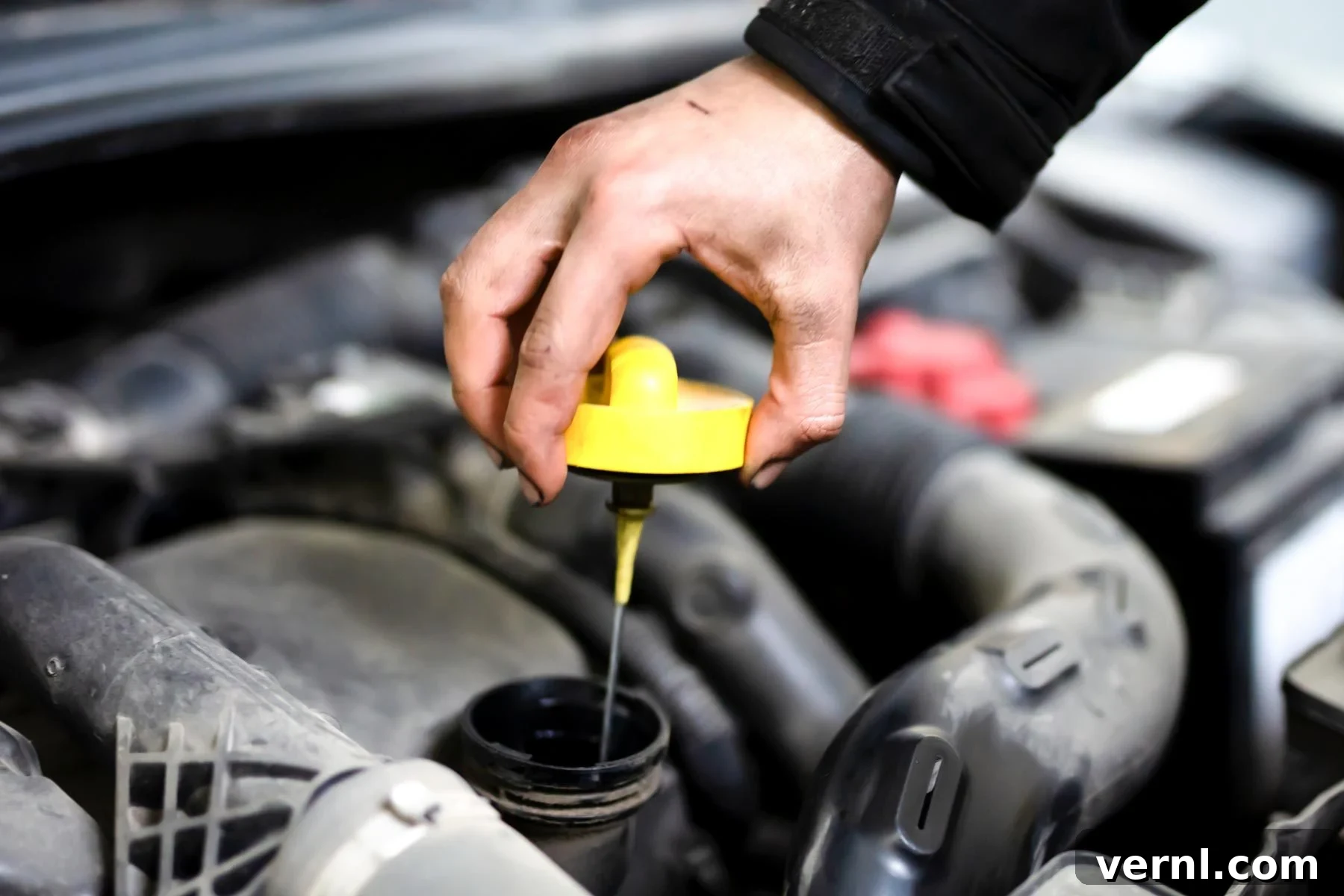
Comprehensive Guide to Automotive Fluid Health: Essential Checks for Vehicle Longevity
Every vehicle relies on a sophisticated network of fluids to perform optimally, ensuring everything from engine protection to smooth braking and comfortable steering. These vital liquids don’t just lubricate; they also clean, cool, and absorb vibrations from thousands of moving parts, acting as the lifeblood of your car. Proactively testing and understanding the condition of these automotive fluids is paramount for years of trouble-free driving, safeguarding against expensive repairs and inconvenient breakdowns.
In my five decades as a professional automotive technician and vocational educator, I’ve learned that truly effective car care goes far beyond merely checking fluid levels or changing fluids at mandated intervals – especially sooner if you drive in harsh conditions. The real secret lies in examining your fluids closely to decipher the crucial messages they communicate about your vehicle’s internal health.
The Unseen Guardians: Why Vehicle Fluids Are Critical
Neglecting the quality and condition of your vehicle’s fluids can have dire consequences, turning minor issues into major financial burdens. Throughout my career, I’ve witnessed firsthand the devastating impact of fluid degradation:
- Severely degraded motor oil led to a staggering $4,500 engine failure, a completely preventable incident had the oil’s condition been properly monitored.
- Depleted coolant resulted in a $3,800 repair bill, highlighting its critical role in temperature regulation and corrosion prevention.
- Contaminated brake fluid caused a brake line to corrode and rupture, leading to a serious accident – a stark reminder that brake fluid health directly impacts safety.
Pro tip: Any automotive fluid displaying silvery or copper-colored metal dust is a critical warning sign. This indicates that a component within that system is actively failing and requires immediate professional inspection to prevent catastrophic damage.
Meet the Automotive Fluid Experts
Our insights are enriched by the knowledge of leading experts in automotive diagnostics and fluid testing:
Jerry Truglia (“Mr. G”) – Automotive Diagnostic Master
Mr. “G” (Jerry) Truglia is widely recognized as one of the foremost automotive diagnostic technicians and trainers in the United States. A recipient of the prestigious Golden Wrench Award from the Trucking Association of New York (TANY) Safety Council, Mr. Truglia has achieved National Institute for Automotive Service Excellence (ASE) certification. He is one of a select group of only 1,900 individuals worldwide certified by the ASE as a world-class technician, a testament to his unparalleled expertise in vehicle diagnostics and repair.
Ron Schornstein – Pioneer in Fluid Testing Technology
Ron Schornstein serves as the president and CEO of Acustrip, a pioneering company based in Denville, New Jersey. Acustrip is renowned for producing innovative fluid testing products and devices that cater to both the demanding transportation industry and everyday home use. Schornstein’s dedication to fluid analysis has significantly advanced preventative maintenance practices, making it easier for professionals and car owners alike to assess fluid health accurately.
Essential Methods for Testing Automotive Fluids
Understanding the condition of your vehicle’s fluids doesn’t always require a visit to the mechanic. Several accessible methods empower you to conduct preliminary checks and gain valuable insights into your car’s operational health. Here are a few ways you can test the condition of your vehicle’s fluids:
Precision Diagnostics: The Power of Fluid Test Strips
While checking fluid levels, you can simultaneously assess their condition using specialized fluid test strips. This method offers the easiest and most thorough approach for a comprehensive fluid health assessment.
- Usage: For coolant, power steering, and brake fluid, simply dip the test strip directly into the fluid reservoir. If the reservoir is in a hard-to-reach location, needle-nose pliers or long kitchen tweezers can facilitate the dipping process. For motor oil or automatic transmission fluid, allow a few drops to drip from the dipstick onto the designated pads of the strip.
- Why they matter: Ron Schornstein emphasizes that unseen contamination in any of your vehicle’s fluids can rapidly lead to premature failure of that specific part, and often, other interconnected components. For instance, highly acidic coolant (low pH) can corrode an automatic transmission cooler, which is typically integrated into the radiator. If coolant mixes with automatic transmission fluid (ATF), it can destroy virtually all steel, cast iron, copper, plastic, and rubber components within the transmission, alongside all rubber coolant hoses.
- Beyond color: Mr. Truglia highlights that fluid color alone is an insufficient indicator of its condition. He points out that the automotive base fluids rarely deteriorate significantly. Instead, it’s the “additive package depletion” that renders parts vulnerable to excessive wear and tear. Test strips, which Truglia aptly calls “predictive maintenance,” can accurately determine if a fluid merely requires draining and replacing, or if its protective additives have completely broken down, necessitating a full system flush to remove accumulated corrosion or gunk before refilling.
The Visual Check: White Paper Towel Test
A simple, yet effective, method involves using a clean white paper towel to evaluate fluid color and clarity. This visual assessment can quickly identify if fluids are merely dirty and in need of a change. However, if the fluid contains “floaters” – foreign particles, debris, or suspended contaminants – it should prompt an immediate inspection by your mechanic. These floaters could signify internal component degradation, indicating the system might require flushing, servicing, or more extensive repair.
Specific Gravity Measurement: Hydrometers and Refractometers
For specific fluids like coolant and battery fluid, specialized tools offer precise measurements. An inexpensive coolant or battery hydrometer (some models combine both functions) or a more advanced refractometer can accurately measure the antifreeze protection level and assess the condition of battery fluid. These tools provide quantitative data crucial for maintaining optimal performance and preventing damage caused by extreme temperatures or improper battery charge.
Decoding Your Car’s Health: A Deep Dive into Each Fluid
While it’s generally best to entrust the assessment of manual transmission, differential, and four-wheel drive transfer case fluids to seasoned professionals, you can confidently test others yourself. When using test strips, always adhere to the manufacturer’s recommended waiting time before comparing the distinct colors on the strip pads to the supplied color chart. This ensures an accurate diagnosis of your car’s fluid health. Different test strips are designed to analyze specific fluids by measuring various contaminants and conditions. Always follow the manufacturer’s instructions and observe all safety information when performing these tests.
Coolant: The Engine’s Temperature Regulator and Protector
Coolant, typically a 50/50 mix of water and antifreeze, comes in various colors and formulations (e.g., IAT, OAT, HOAT). It circulates throughout the cooling system and engine to maintain the optimum operating temperature, preventing both overheating and freezing. Beyond temperature regulation, coolant contains vital additives that protect against corrosion, cavitation, and scale buildup, and also lubricates the water pump. Once these additives, corrosion inhibitors, and lubricating properties deteriorate, it significantly compromises your engine’s health, leading to engine overheating, poor heater output, and potentially severe engine damage.
Here’s what coolant test strips typically analyze:
- Glycol concentration: This crucial measurement determines the coolant’s freeze and boil-over protection points. An incorrect concentration can lead to engine damage in extreme temperatures.
- Nitrite and molybdate levels: These are key corrosion protection additives that shield engine cylinder liners, radiator fins, and other internal engine parts from pitting, galvanic corrosion, and excess wear. Depletion leaves these components vulnerable.
- Hydrocarbons: The presence of unacceptable levels of hydrocarbons (gasoline or engine oil) in the coolant can indicate a serious issue such as a blown head gasket, a cracked engine block or cylinder head, or a leaking oil cooler.
- Potential of Hydrogen (pH): The pH level indicates the coolant’s acidity or alkalinity. High pH levels can cause scaling and corrosion within the cooling system, impeding heat transfer. Conversely, low pH levels (acidic) can lead to clogging deposit buildup in the radiator or heater core, and can also contribute to the formation of bubbles. These bubbles, under high pressure, can create shockwaves that damage components like the intake manifold or water pump through cavitation.
Brake Fluid: The Lifeline of Your Braking System
Ranging in color from clear to a yellowish light brown, brake fluid is inherently hygroscopic, meaning it readily absorbs moisture from the ambient air, even within a seemingly tightly sealed system. This absorbed moisture is a significant problem as it contaminates the fluid, drastically lowering its boiling point and initiating internal corrosion of crucial brake components. This can cause brake parts to rust, deteriorate, and ultimately fail, compromising your vehicle’s safety.
Here’s what brake fluid test strips typically analyze:
- Moisture Content 1: High moisture levels are the primary catalyst for internal corrosion. They cause metal brake parts (calipers, wheel cylinders, lines) to rust and corrode from the inside out. Furthermore, rubber and composite components within the brake system can swell, deteriorate, and weaken, leading to fluid leaks and component failure.
- Moisture Content 2 (Boiling Point Degradation): Elevated moisture levels also significantly reduce the brake fluid’s boiling point. Under heavy braking, the heat generated can cause this water-contaminated fluid to boil, forming gas bubbles. Unlike incompressible fluid, these gas bubbles compress when you press the brake pedal, leading to “brake fade” – a mushy pedal feel – and greatly increasing stopping distances, which is a critical safety hazard.
- The pH level: The pH of brake fluid is vital for its long-term stability and protective qualities. High or low pH levels impair the brake fluid’s ability to inhibit corrosion, prevent the buildup of harmful particles, and maintain a safe operating temperature, directly impacting braking performance and component longevity.
Pro tip: Clutch fluid is essentially the same as brake fluid in composition and properties, and therefore should be checked using the same methods and at similar intervals to ensure proper clutch operation and prevent hydraulic system failures.
Motor Oil: The Heartbeat of Your Engine
Typically yellowish to light brown when new, motor oil is unequivocally an engine’s lifeblood. Its multifaceted role includes lubricating engine parts to minimize friction and wear, cleaning by holding sludge and carbon deposits in suspension, cooling by dissipating heat, and sealing combustion chambers. It achieves this by holding harsh chemicals, contaminants, and abrasive particles in suspension, preventing them from damaging critical engine components.
Here’s what motor oil test strips typically analyze:
- Hydrocarbons: Detecting unacceptable levels of gasoline or ethanol in motor oil is critical. Fuel dilution “washes” away the oil’s protective film on metal surfaces, significantly increasing wear. It can also be a key diagnostic indicator of a blown head gasket, leaking fuel injectors, or excessive rich running conditions.
- Moisture: Moisture buildup in motor oil, often from condensation that occurs when an engine repeatedly fails to reach its full operating temperature (e.g., during short drives), can severely compromise the oil’s performance. This moisture prevents the oil’s additives from effectively protecting the engine from excess wear, and accelerates the formation of corrosion, harmful carbon deposits, and damaging sludge, all of which reduce engine lifespan.
Automatic Transmission Fluid (ATF): Smooth Shifting and Heat Management
New ATF is typically light red to pinkish. However, when contaminated or degraded by extreme heat and friction, it turns deep red to deep brown and loses its crucial ability to properly lubricate internal transmission parts and effectively dissipate heat. This degradation allows for the buildup of harmful sludge and varnish, leading to noticeable symptoms such as slipping gears, harsh shifting, shuddering, and ultimately, other catastrophic transmission failures.
Here’s what automatic transmission fluid test strips typically analyze:
- Moisture: High moisture levels in ATF can lead to severe issues. It can cause internal corrosion of precision transmission components, promote fluid foaming which degrades lubrication, and significantly increase metal-to-metal contact and friction wear, rapidly damaging the transmission.
- Coolant: If ATF appears foamy or takes on a milky pinkish color, it is a definitive indication of a failed radiator transmission cooler. When this cooler leaks, engine coolant mixes with the ATF, creating a highly destructive concoction. This scenario necessitates immediate professional attention, as continued operation will lead to complete transmission failure.
Power Steering Fluid (PSF): Ensuring Effortless Control
Power steering fluid, typically amber, light brown, or reddish clear when fresh, is subjected to immense heat, friction, and pressure within the power steering system. Over time, these conditions cause the fluid’s essential additives to decompose, leading the fluid to darken, often turning a deep brown. It’s a clear indicator that it’s time to flush the power steering system when the fluid turns black – often a sign of degrading rubber hoses – or milky tan, which signals significant moisture contamination.
Here’s what power steering fluid test strips typically analyze:
- Moisture and Oxidation: Older PSF that has become contaminated with air and moisture undergoes oxidation, severely diminishing its lubricating properties. This can lead to fluid foaming, which starves the pump of fluid, causing the steering to bind, groan, or lose power assist entirely, especially when turning. Regular testing can prevent premature wear of the power steering pump and other components.
Battery Fluid: Powering Your Vehicle’s Electrical System
If your car is equipped with a non-maintenance-free battery (easily identified by the removable filler caps on the top), it’s crucial to regularly check and top off the battery fluid. This fluid, also known as electrolyte, is a precise mixture of sulfuric acid and distilled water. It is fundamental to the electrochemical reactions that create electricity, allowing modern batteries to operate efficiently and consistently. Ron Schornstein advises testing your tap water for pH and hardness if you plan to use anything other than distilled water to top off your battery, as impurities can significantly shorten battery life.
- Electrolyte Specific Gravity: Using a hydrometer or refractometer, the specific gravity reading of the electrolyte should ideally fall between 1.265 to 1.299. This range indicates a fully charged battery in good condition, capable of delivering optimal performance and longevity. Readings outside this range can indicate undercharging, overcharging, or internal battery issues.
Pro tip: Always wear robust gloves and essential eye protection when working around a car battery or performing tasks like jump-starting a car. Battery fluid contains sulfuric acid, which is highly corrosive. In the event of skin or eye contact with battery fluid, immediately flush the affected area with copious amounts of water and seek prompt medical attention.
Conclusion: Proactive Maintenance for a Reliable Ride
The health of your vehicle’s fluids is directly correlated with its overall performance, safety, and longevity. By moving beyond routine level checks and embracing proactive fluid analysis through methods like test strips, visual inspections, hydrometers, and refractometers, you gain an invaluable window into your car’s internal condition. Understanding what these fluids tell you about potential issues – from additive depletion and contamination to component wear – empowers you to make informed maintenance decisions. This preventative approach not only averts costly repairs and inconvenient breakdowns but also ensures your vehicle remains a reliable and safe mode of transportation for many years to come. Invest a little time in fluid care, and your car will repay you with miles of dependable service.