
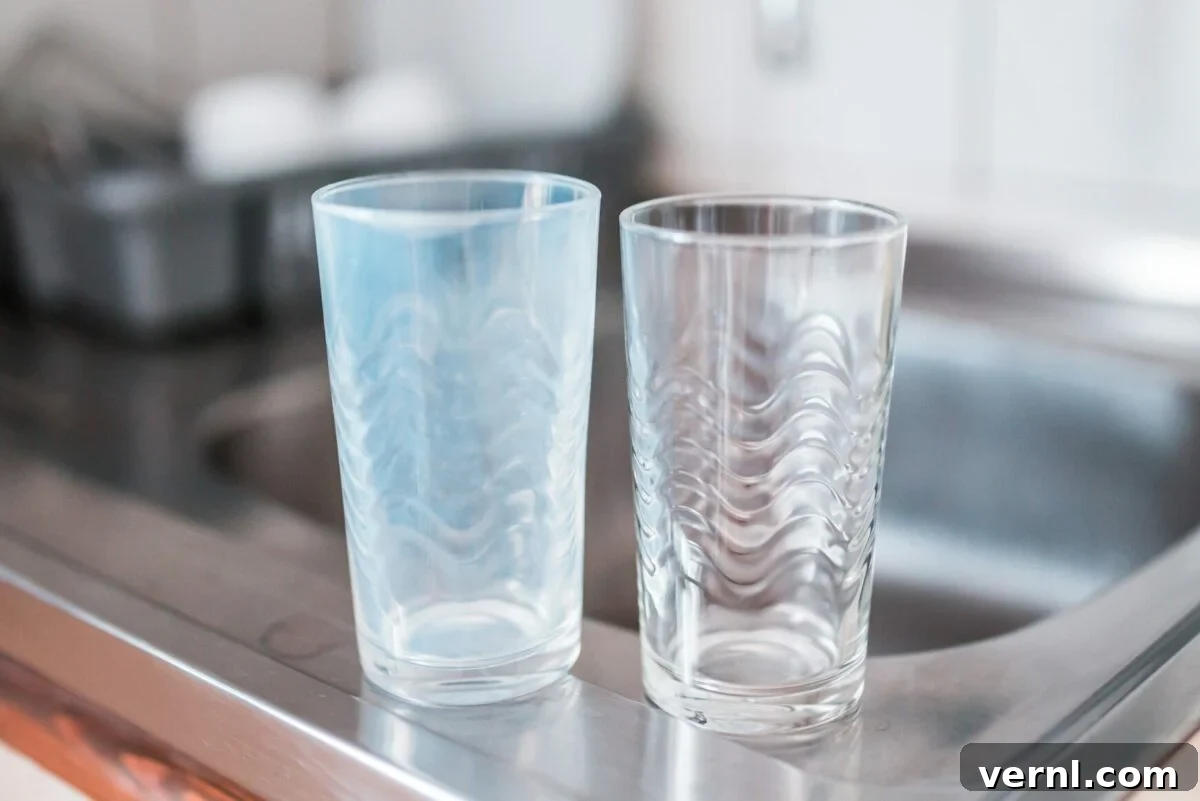
Say Goodbye to White Residue: Your Ultimate Guide to Sparkling Clean Dishes
Dishwashers are undoubtedly a modern kitchen marvel, transforming the chore of washing dishes from a tedious manual task into a simple push of a button. For many, like myself who grew up washing every dish by hand, the convenience is truly invaluable. These machines not only save precious time and effort but can also be incredibly efficient with water usage, especially if you opt for an eco-friendly model. However, even the most advanced dishwasher can sometimes fall short, leaving behind frustrating problems such as unsightly white streaks, cloudy film, or hard water marks on your otherwise clean plates and glassware.
The appearance of a mysterious white substance on your dishes often raises immediate concerns. Is it harmful? Is it safe to eat off these dishes? Typically, this residue doesn’t pose any health risks, but its presence is a clear indicator that your dishwasher might need some attention. Understanding the root causes of dishwasher residue is the first step toward effective solutions that can keep your dishes consistently clean, clear, and streak-free.
Unveiling the Mystery: What Exactly Is the White Residue on Your Dishes?
If you’ve ever opened your dishwasher only to find your dishes covered in a foggy film or chalky streaks, rest assured, you’re not alone. White residue is a remarkably common household concern. While generally not dangerous to your health, its presence signals potential issues with your water quality, the type or amount of detergent you’re using, or even your dishwasher’s performance. The good news is that identifying the specific type of residue is key to resolving the problem and ensuring your dishes come out sparkling clean every time.
Understanding Hard Water Deposits: The Limescale Culprit
One of the most prevalent causes of those stubborn white streaks and cloudy film is hard water. Hard water contains a high concentration of dissolved minerals, primarily calcium and magnesium. When this mineral-rich water dries on your dishes, these minerals are left behind, forming visible spots, haze, or a chalky film, which is particularly noticeable on dark dishes and glassware. Without appropriate dishwasher residue treatments, such as regular vinegar rinses or the installation of water softening systems, these hard water marks can seem impossible to eliminate, gradually accumulating and affecting the appearance of your entire dishware collection. Over time, these mineral deposits can also build up inside your dishwasher, affecting its efficiency and lifespan.
How Detergent Buildup Contributes to Streaks and Film
Another significant, yet often overlooked, source of residue is excessive detergent usage or improper detergent application. If you use too much detergent, especially if you live in an area with soft water, the soap may not fully rinse away. Instead of cleaning your dishes, it can cling to them, creating a hazy film or streaky appearance. This problem is exacerbated when the detergent doesn’t dissolve properly or when the dishwasher is overloaded, preventing adequate water circulation. Correcting this issue often involves adjusting the amount of detergent based on your water hardness and ensuring you’re using a high-quality detergent formulated for your specific needs.
Deciphering the Clues: How to Identify Different Types of White Residue
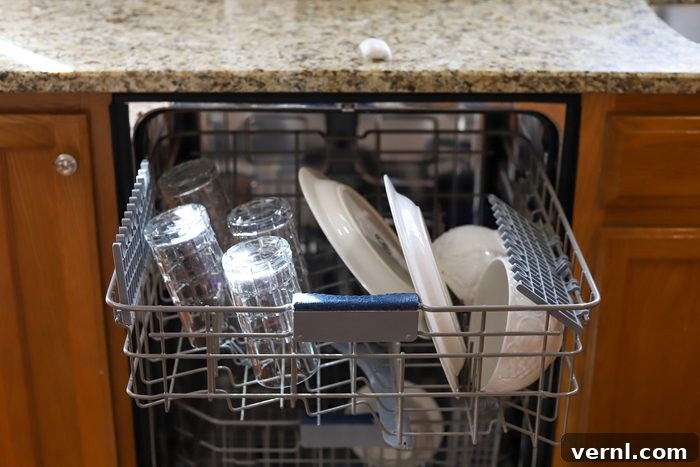
Do you consistently observe white streaks, chalky buildup, or a cloudy film on your dishes after a dishwasher cycle? This leftover residue isn’t just an annoyance; it’s a valuable diagnostic tool that can reveal underlying problems with your appliance or water supply. Knowing precisely what kind of white film is on your dishes is crucial for pinpointing the cause and selecting the most effective dishwasher residue solution.
- Dry Residue That Comes Off Easily: Salt Residue
If you notice a white, powdery residue that wipes away with minimal effort, you’re likely dealing with salt residue. Many modern dishwashers, particularly those designed for hard water areas, feature a built-in salt compartment. This special dishwasher salt helps to regenerate the appliance’s internal water softener, improving cleaning performance. However, if too much salt is added, spilled during replenishment, or if the salt compartment cap isn’t securely closed, it can leave behind easily removable white traces. While simple to wipe off, it’s important to address the cause to maintain optimal dishwasher function and prevent future occurrences. - Dry Residue That Doesn’t Wipe Away Easily: Limescale from Hard Water
When you’re confronted with hard water spots on dishes—the kind that forms a stubborn, opaque film or chalky buildup that doesn’t easily budge with a simple wipe—you’re almost certainly battling limescale. This issue is highly common in homes with well water or in regions where the municipal water supply is naturally rich in minerals. A quick and reliable test for limescale involves scrubbing a small area of the affected dish with white vinegar. If the streaks or film dissolve and disappear, you’ve successfully identified the problem as limescale. Understanding this distinction is an important step in learning how to effectively get rid of white streaks on plates and glassware. Limescale can also damage the interior components of your dishwasher over time if left untreated. - Greasy, Fatty Residue: A Temperature or Detergent Issue
If the white streaks you observe have a greasy, somewhat milky, or cloudy appearance and feel, it could be a strong signal that your dishwasher isn’t reaching a sufficiently high temperature to effectively break down fats and oils. When the wash water is too cool, food grease that might have been left on your dishes can emulsify during the wash cycle but then redeposit as a hazy film or white streaks as the water cools and drains. This can also happen if your detergent isn’t powerful enough to tackle tough grease. To remedy this, verify that your hot water supply line to the dishwasher is delivering water between 120 and 140 degrees Fahrenheit (approximately 49-60 degrees Celsius) during the wash cycle. You might also need to ensure your dishwasher’s internal heating element is functioning correctly. - Permanent Cloudiness: Glass Etching (Corrosion)
While not strictly “residue,” glass etching is often confused with hard water spots because it also results in cloudy glassware. However, etching is a permanent form of damage where the glass surface itself has been corroded, usually due to a combination of excessively soft water, too much detergent, very high water temperatures, or prolonged wash cycles. Unlike limescale, etching cannot be removed with vinegar or cleaning products. If your glassware develops a milky, iridescent sheen that doesn’t disappear, it’s likely etching. Prevention is key here: use less detergent, lower water temperatures if possible, and avoid overloading.
Is the White Residue on Dishes Harmful to Your Health?
Fortunately, none of the common types of white streaks or film on dishes described above—be it salt residue, limescale buildup, or residual grease—are considered dangerous for human consumption. You could, in theory, choose to ignore them and suffer no ill effects from eating off white-streaked dishes. The components are generally inert and non-toxic in the small quantities that might transfer to food.
That said, I strongly advise against ignoring these symptoms. While the white streaks won’t directly harm you, they almost always indicate an underlying problem with your dishwasher’s operation, water quality, or maintenance routine. Ignoring these issues can lead to several undesirable consequences:
- Reduced Cleaning Performance: Your dishes won’t get as clean as they should, potentially leaving behind food particles and bacteria.
- Appliance Damage: Limescale buildup, in particular, can accumulate on heating elements, spray arms, and pumps, reducing efficiency and potentially shortening the lifespan of your expensive appliance.
- Wasted Resources: An inefficient dishwasher might use more water and energy to achieve suboptimal results.
- Aesthetic Dissatisfaction: No one enjoys serving food on cloudy or streaky dishes.
Therefore, addressing the white residue is not just about aesthetics; it’s about maintaining a healthy, efficient kitchen and preserving your investment in your dishwasher and dinnerware.
Comprehensive Solutions: How to Permanently Eliminate White Residue from Your Dishes
Achieving consistently spotless dishes is an attainable goal with the right approach to dishwasher care and understanding of your water conditions. Here’s a detailed guide on how to stop white residue from appearing on your dishes and maintain a sparkling clean kitchen.
1. Assess Your Water Hardness
Before implementing any solutions, it’s incredibly helpful to know your water hardness level. You can purchase an affordable home water test kit online or from a hardware store. Your local water utility company might also provide this information. Knowing your water’s mineral content will guide your detergent dosage and determine if a water softener is a necessary long-term solution.
2. Optimize Detergent Usage and Selection
- For Salt Residue Streaks: If your dishwasher has a salt dispenser, ensure you’re using the correct type and amount of dishwasher salt for your water hardness. If your water isn’t particularly hard, you may not need to use salt at all. Always make sure the salt compartment cap is securely closed after refilling to prevent spillage into the wash cycle.
- Right Amount for Your Water: This is crucial. If you have soft water, you’ll need significantly less detergent than someone with very hard water. Most detergent packaging provides guidelines based on water hardness; follow them closely. Using too much detergent, especially with soft water, is a common cause of residue. If using powder, start with less and gradually increase if dishes aren’t clean. For pods, try a half-tab if your machine or load is small, or if you have very soft water.
- Detergent Type: Experiment with different brands and forms (powder, gel, pods). Some formulations work better with specific water types. Ensure your detergent isn’t expired, as older detergents can lose their effectiveness and leave residue.
- Don’t Pre-Rinse Too Much: Modern detergents are designed to work best when there are some food particles for their enzymes to latch onto. Excessively pre-rinsing dishes can sometimes lead to detergent buildup because the detergent has nothing to “work on,” and thus, it can redeposit on dishes. Scrape off large food scraps, but don’t feel the need to rinse everything perfectly clean.
3. Embrace the Power of Rinse Aid
Rinse aid is a game-changer for preventing white streaks and improving drying. It works by reducing the surface tension of water, causing it to sheet off dishes more effectively rather than forming droplets that leave mineral spots. Fill your dishwasher’s rinse aid dispenser regularly. Brands like Finish Jet-Dry Rinse Aid are widely available and highly effective. This simple addition can drastically improve the appearance of your dishes, especially glassware.
4. Regular Dishwasher Maintenance is Key
A clean dishwasher cleans dishes better. Neglecting your appliance can lead to buildup inside the machine, which then transfers to your dishes.
- Clean the Filter: Most modern dishwashers have a removable filter at the bottom. Check your manual for instructions on how to remove and clean it regularly (e.g., once a month). Food particles and grease can accumulate here, leading to dirty wash water and residue.
- Clean Spray Arms: Periodically check the spray arms for clogged holes. Use a toothpick or small brush to clear any blockages, ensuring water is distributed evenly and with sufficient pressure.
- Door Gasket Cleaning: Wipe down the rubber seal around the dishwasher door to remove any trapped grime or mold, which can also contribute to unpleasant odors and residue.
- Monthly Deep Clean (Especially for Limescale):
- Using White Vinegar: To remove limescale and freshen your dishwasher, clean your dishwasher with vinegar. Place a dishwasher-safe bowl filled with 1 cup of distilled white vinegar (like AVO Distilled White Vinegar) in your washer’s top rack. Ensure the dishwasher is empty of all other dishes. Run a regular hot wash cycle. The vinegar’s acidity will dissolve mineral deposits. If significant limescale is present, you may need to repeat this process. After the vinegar cycle, run one more quick rinse cycle with no dishes to flush out any remaining vinegar smell.
- Using Commercial Cleaners: For a more intensive clean, consider using a commercial dishwasher cleaner like Affresh Dishwasher Cleaner Tablets. These are designed to break down hard water deposits, grease, and food soils that accumulate inside the appliance.
5. Ensure Proper Water Temperature and Pressure
- For Greasy/Fatty Residue: As mentioned, sufficient water temperature is critical for breaking down fats. Most dishwashers are designed to operate optimally with an incoming hot water supply between 120-140°F (49-60°C). Check your home’s water heater setting to ensure it’s within this range. You can also run the hot water at the kitchen sink for a minute or two before starting the dishwasher cycle to ensure hot water is readily available. If your dishwasher has a “sanitize” or “high temp wash” option, use it periodically, especially for heavily soiled or greasy loads.
- Water Pressure: Ensure adequate water pressure to your dishwasher. Low water pressure can prevent effective spraying and rinsing, leading to residue.
6. Load Your Dishwasher Correctly
Overcrowding your dishwasher prevents water and detergent from reaching all dish surfaces, leading to incomplete cleaning and residue. Follow these loading tips:
- Don’t block the spray arms.
- Load dishes facing the center or spray arms for optimal cleaning.
- Separate different types of dishes to allow water to circulate freely.
- Place bowls and larger items on the bottom rack, facing the center.
- Glasses and cups go upside down on the top rack.
7. Consider a Whole-Home Water Softener
If you live in an area with extremely hard water, and the above solutions provide only temporary relief, investing in a whole-home water softener might be the most effective long-term solution. A water softener removes minerals from your entire home’s water supply, benefiting not just your dishwasher but also your laundry, plumbing, and even your skin and hair.
When to Call a Professional
While most white residue issues can be resolved with DIY solutions and proper maintenance, there are times when professional help is needed. If you’ve tried all troubleshooting steps and still experience persistent problems like poor cleaning, unusual noises, or if you suspect a malfunctioning heating element or pump, it’s best to contact a qualified appliance repair technician. They can diagnose and fix mechanical issues that are beyond typical user maintenance.
Conclusion: Enjoy the Brilliance of Spotless Dishes
White residue on your dishes is a common frustration, but it’s a problem with clear solutions. By understanding the causes—primarily hard water minerals and improper detergent use—and implementing a proactive approach to dishwasher maintenance, you can banish those unsightly streaks and cloudy films for good. Regularly cleaning your dishwasher, using the correct amount of detergent, incorporating rinse aid, and ensuring proper water temperature are all vital steps towards achieving sparkling, perfectly clean dishes with every wash. Embrace these tips, and you’ll not only enjoy pristine tableware but also extend the life and efficiency of your hardworking kitchen appliance.
Sources
- Amazon: “AVO 1 Gallon (128 oz) Pure Natural Distilled White Vinegar”
- Amazon: “Finish Jet-Dry Dishwasher Rinse Aid”
- Amazon: “Affresh W10549851 Dishwasher Cleaner”