
Understanding Your Septic System’s Drainfield: A Comprehensive Guide to Maintenance and Longevity
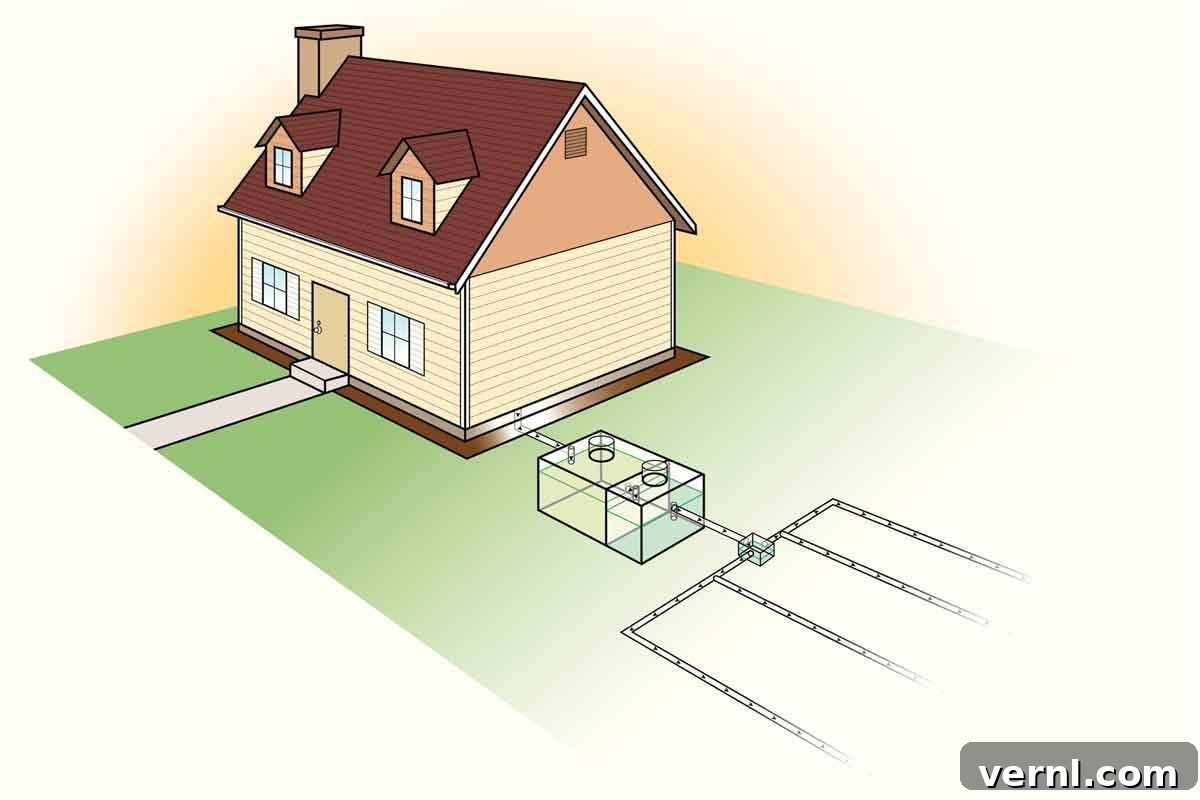
For countless homeowners across rural and suburban landscapes, a direct connection to a municipal sewer system simply isn’t an option. In such cases, a septic system serves as the essential wastewater treatment solution, diligently managing all household wastewater. From the moment you flush a toilet, or water cascades down the drain from sinks, showers, or laundry machines, it embarks on a journey into your septic tank. While there are various types of residential septic systems, most fundamentally consist of two main components: a septic tank, where preliminary wastewater treatment occurs, and the drainfield (also known as a leach field or absorption field), which is the crucial final stage where treated wastewater dissipates into the soil.
What is a Septic System and Its Vital Drainfield?
A septic system is an underground wastewater treatment structure commonly used in areas without centralized sewer systems. It typically comprises a septic tank and a drainfield. The septic tank is a watertight container, usually made of concrete or fiberglass, designed to hold wastewater long enough for solids to settle to the bottom, forming sludge, and lighter materials like oil and grease to float to the top, forming scum. Beneficial bacteria within the tank work to break down organic matter in the wastewater, reducing its volume. This partially treated liquid, called effluent, then flows out of the septic tank into the drainfield for further purification.
The Heart of the System: How the Drainfield Works
The drainfield, also interchangeably referred to as a leach field or absorption field, is the most critical component for the long-term effectiveness of a properly functioning septic system. Its primary role is to safely remove and manage the effluent pumped from the septic tank. It typically consists of a network of perforated pipes, usually buried two to four feet underground, laid in trenches filled with gravel or other aggregate materials. These pipes distribute the effluent evenly over a large area, allowing it to slowly trickle out through the perforations into the surrounding soil.
As the effluent percolates through the layers of gravel and soil, a natural purification process takes place. The soil acts as a natural filter, removing harmful bacteria, viruses, and nutrients. Furthermore, a complex ecosystem of aerobic bacteria and microbes residing in the soil breaks down remaining organic contaminants, effectively purifying the wastewater before it re-enters the groundwater system. This intricate biological and physical filtration process is essential. Without a functional drainfield, septic tanks would quickly overflow, leading to hazardous runoff, pooling water, and pervasive foul odors in your yard, posing significant health and environmental risks.
Understanding the concept of grey water systems can offer an interesting comparison. These simpler systems are designed to take unfiltered grey water (water from sinks, showers, and laundry, excluding toilet water) and distribute it directly to larger plants like trees and bushes, bypassing the septic tank and drainfield for non-potable irrigation. While an effective water-saving strategy, it’s distinct from the comprehensive treatment provided by a full septic system drainfield.
Key Indicators: Signs of a Struggling Drainfield
Just like any vital home system, your septic drainfield requires attentive care and vigilance. Recognizing the early warning signs of a problem can save you from costly repairs and environmental hazards. Here are the most common indicators that your drainfield may be experiencing issues:
- Persistent Sewage Odors: One of the most unmistakable signs of a drainfield problem is the presence of sewage odors, particularly noticeable outside near the septic tank and drainfield area. This noxious smell indicates that untreated or poorly treated wastewater is surfacing or accumulating, often due to an overloaded or failing system.
- Unnaturally Lush or Dark Green Vegetation: While healthy landscaping is desirable, an area of unusually vibrant, dark green, and fast-growing vegetation directly over your drainfield trenches can be a red flag. This seemingly appealing growth points to an overstressed septic system, where excess nutrients from untreated effluent are leaking into the soil, acting as a potent fertilizer.
- Wet, Soggy, or Spongy Ground: Perhaps the most direct visual cue, the appearance of wet, soggy, or spongy areas over the septic tank or drainfield, even during dry weather periods, is a clear sign of trouble. You may even observe distinct pools of standing water. This indicates that the drainfield is no longer effectively absorbing and dispersing wastewater, leading to saturation and surfacing effluent.
- Sluggish Interior Drains: If you notice your kitchen and bathroom drains are consistently slow to empty, or if multiple drains become sluggish simultaneously, it could signal a backup in your septic system. A failing drainfield struggles to accept effluent, causing a hydraulic backup that impedes water flow throughout your home’s plumbing.
- Overflowing Toilets or Sewage Backups: The most alarming and unsanitary sign is when toilets overflow or sewage backs up into sinks, bathtubs, or other drains inside your home. This is an urgent indication of severe drainfield failure or a significant blockage within the system, requiring immediate professional attention to prevent health risks and extensive property damage.
Root Causes: Why Drainfields Fail or Deteriorate
Understanding the reasons behind drainfield problems is the first step toward prevention and effective troubleshooting. Several factors, both natural and human-induced, can contribute to the decline of your septic system’s drainfield:
The Inevitable March of Time: Age and Wear
While a well-maintained drainfield can remarkably last for 50 years or more, age is an undeniable factor in its eventual decline. Over decades of continuous operation, the soil within the drainfield can become saturated with a thick, slimy layer known as a “biomat.” This biomat is composed of anaerobic bacteria and insoluble materials from the wastewater, and while it’s a natural part of the treatment process, excessive buildup can significantly reduce the soil’s permeability. When the system simply has no more capacity to accept waste due to this saturation, it leads to the telltale signs of failure such as sewage backups, foul outdoor smells, and slow drainage in your home. The lifespan of a drainfield is also heavily influenced by the initial design, soil type, and the amount of wastewater it has processed over its lifetime.
Heavy Burden: Crushing Damage and Soil Compaction
The area above your drainfield is not just an ordinary patch of ground; it’s a critical part of your wastewater treatment system. Placing weighty items such as sheds, temporary structures, vehicles (cars, trucks, RVs), or even allowing large grazing animals to wander over the drainfield can cause severe damage. The excessive weight can physically crush the delicate perforated pipes buried below, leading to immediate blockages or leaks. Beyond direct pipe damage, heavy loads also lead to significant soil compaction. Compacted soil loses its natural porosity and ability to effectively absorb wastewater, impeding the filtration process and triggering many of the adverse signs mentioned above, as the effluent simply cannot percolate properly.
Blocked Pathways: Infiltrating Roots and Internal Clogs
Nature’s quest for water can be a drainfield’s worst enemy. Tree and plant roots may have aggressively infiltrated the pipes within the drainfield, seeking out the nutrient-rich moisture. Once inside, these roots can grow and create dense blockages, preventing wastewater from draining properly and causing backups. Beyond roots, internal blockages can also occur due to sludge buildup from an inadequately maintained septic tank. Furthermore, flushing items that should never go down a toilet—such as feminine hygiene products, wet wipes (even “flushable” ones), paper towels, cotton swabs, or excessive amounts of toilet paper—can lead to severe clogs within the drainfield pipes, hindering the flow of effluent and leading to system failure.
Overwhelmed System: Hydraulic Overload
Septic systems, including their drainfields, are designed to handle a specific volume of wastewater over a given period. An “overloaded” septic system occurs when it receives more wastewater than it can effectively treat and disperse. This often happens from excessive water usage, such as doing several loads of laundry, running the dishwasher, taking long showers, and bathing children all on the same day. Even seemingly minor issues like a persistently dripping faucet or a running toilet can contribute significantly to this problem over time, adding hundreds of gallons of unnecessary water to the system daily.
All septic systems require adequate time to allow the wastewater to undergo the full treatment procedure in both the tank and the drainfield. When overloaded, wastewater is forced to flow into the drainfield at a faster rate than the soil and biomat can handle. This hydraulic overload prevents proper absorption and filtration, leading to standing water, soggy areas, and premature failure of the drainfield due to oversaturation and insufficient treatment capacity.
External Water Intrusion: Gutter Downspouts and Surface Water
The design of your property’s drainage can significantly impact your septic system. Specifically, gutters that discharge rainwater directly over or too close to the septic system drainfield can introduce an overwhelming amount of clean water into an area designed to handle only household effluent. This excess surface water saturates the soil in the drainfield, making it much harder for the system to absorb and treat actual wastewater. The result is often a continuously soggy area, standing water, and a reduced capacity for the drainfield to function properly, potentially leading to system failure even if household water usage is moderate.
Proactive Care: Essential Maintenance for a Healthy Drainfield
Maintaining a healthy drainfield is paramount for the longevity and efficient operation of your entire septic system. By implementing a few key preventative measures, you can significantly extend the life of your system and avoid costly repairs:
- Protect from Heavy Loads and Traffic: It cannot be stressed enough: keep the area above your drainfield free from any heavy equipment, automobiles, recreational vehicles (RVs), boats, construction materials, or outbuildings. Even repeated foot traffic in a specific spot can contribute to compaction over time. This includes avoiding parking vehicles on the drainfield, even temporarily, as their weight can crush pipes and compact the soil, severely impairing its ability to absorb wastewater.
- Strategic Landscaping and Planting: Do not plant trees, shrubs, or any vegetation with extensive root systems over or near your drainfield. Aggressive tree and shrub roots are notorious for seeking out moisture and infiltrating the perforated pipes, causing blockages and structural damage. Instead, opt for shallow-rooted plants like grass, annual flowers, or groundcovers that won’t interfere with the underground components. Ensure you understand the typical spread of roots for any plant you consider planting in your yard.
- Manage Surface Water Effectively: Verify that all gutter downspouts and other landscape drainage systems (like sump pump discharges) direct water far away from the drainfield. Proper grading of your yard should ensure that surface water flows away from the septic area, preventing oversaturation of the soil and allowing the drainfield to efficiently process household wastewater without being burdened by rainwater.
- Regular Septic Tank Pumping: One of the most crucial maintenance tasks is to pump your septic tank every two to three years, or as recommended by a professional based on your household size and water usage. Lack of periodic pumping allows the accumulated sludge and scum layers to build up excessively. Eventually, these solids can be carried out of the tank and into the drainfield, where they clog the perforated pipes and the soil absorption area, leading to irreparable damage to the biomat and soil structure.
- Mindful Flushing and Drainage Habits: The golden rule for toilets is: the only thing that should be flushed down, aside from what comes out of your body, is septic-safe toilet paper. Absolutely avoid flushing any other solids, including “flushable” wipes (they aren’t!), feminine hygiene products, paper towels, dental floss, cigarette butts, or cat litter. Equally important is to avoid pouring fats, oils, or grease (FOG) down your drains. FOG solidifies and coats pipes, contributing to clogs and rapidly filling your septic tank with non-biodegradable material, increasing the frequency required for pumping.
- Efficient Water Usage: Spread out your laundry and dishwashing days to avoid overloading the septic system with large volumes of water in a short period. Consider upgrading to high-efficiency washing machines, dishwashers, and low-flow showerheads and toilets to significantly reduce your overall water consumption. Repair any leaky faucets or running toilets promptly, as these can add hundreds to thousands of gallons of unnecessary water to your system each month.
- Avoid Harsh Chemicals: Be cautious about what goes down your drains. Excessive use of harsh chemical drain cleaners, strong disinfectants, or antibacterial products can harm the beneficial bacteria in your septic tank that are essential for breaking down waste. Opt for biodegradable and septic-safe cleaning products whenever possible.
- Regular Inspections: Consider having your septic system professionally inspected every few years, even if you don’t notice any obvious problems. A professional can identify potential issues early, assess the condition of your tank and drainfield, and provide recommendations for preventative maintenance.
Conclusion: Ensuring Your Septic System’s Longevity
Your septic system’s drainfield is an unsung hero, working tirelessly beneath your lawn to protect your home and the environment from wastewater contamination. By understanding its function, recognizing the signs of distress, and committing to proactive maintenance, you can significantly extend the life of your system, avoid costly repairs, and ensure a healthy, odor-free property. Treating your drainfield with the care it deserves is an investment in your home’s infrastructure and the well-being of your family and the planet.