
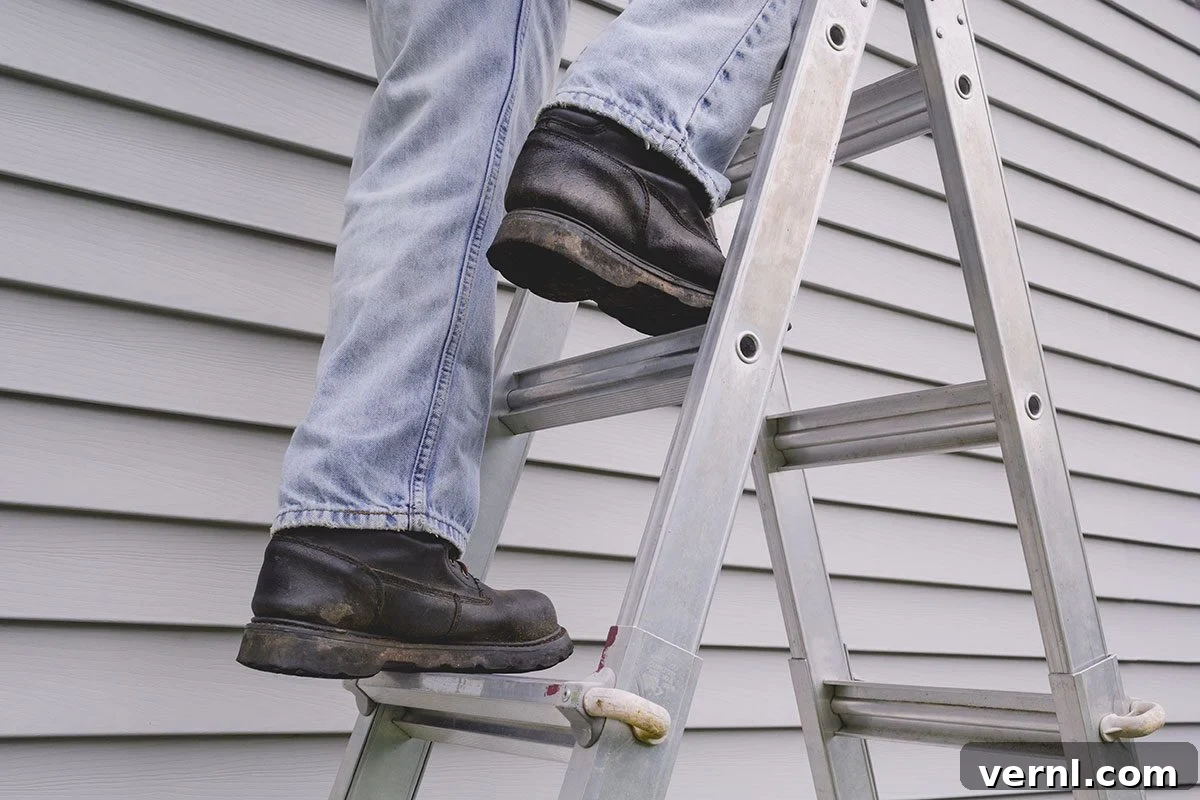
For many, the image of a beloved family member diligently climbing a ladder to handle various household tasks is a common one. Whether it’s hanging cherished photographs, meticulously cleaning ceiling fans, or adorning the home with festive holiday decorations, the desire for independence and self-reliance often drives older adults to tackle these chores themselves. However, this dedication, while admirable, often sparks an important conversation: at what point does the use of a ladder become a significant safety concern for an aging individual?
This isn’t merely a question of chronological age; rather, it delves into a complex interplay of individual health, physical capabilities, and the inherent risks associated with elevated tasks. Factors such as underlying medical conditions, changes in mobility, vision, and balance, and even the side effects of certain medications can dramatically increase the danger. Navigating this decision requires a thoughtful and informed approach, prioritizing safety without unduly sacrificing a sense of autonomy.
To shed light on this crucial topic, we consulted with leading physical therapists and medical doctors. Their insights provide a comprehensive understanding of the escalating risks of ladder use as we age, offer practical advice for safer ladder operation when necessary, and help identify the critical junctures when alternative solutions should be considered or adopted entirely. Our goal is to empower older adults and their families to make informed choices that safeguard well-being while maintaining an active lifestyle.
Understanding the Increased Risks of Ladder Use as You Age
All the health experts we consulted universally agree: the risks associated with using a ladder intensify significantly as individuals advance in age. What might have been a routine task in younger years can become fraught with potential hazards later in life, primarily due to natural physiological changes.
One of the most immediate and severe consequences of a ladder-related incident is injury. Even a seemingly minor fall from a low height can have devastating effects on an older adult. Dr. John Gallucci Jr., a distinguished physical therapist and CEO of JAG Physical Therapy, emphasizes this point. “As you age, using a step ladder comes with increased risks due to changes in balance, muscle strength, and vision, so it’s important to take note of these before climbing,” Dr. Gallucci explains. “Even a slight misstep can result in serious injuries such as fractures, which are more common with conditions like osteoporosis, or potentially life-threatening head trauma.”
Declining Balance and Muscle Strength
A primary concern for older adults on ladders is the decline in balance and muscle strength. The systems responsible for maintaining equilibrium—including the vestibular system in the inner ear, proprioception (the body’s sense of position), and vision—can all degrade with age. This makes it harder to maintain a stable posture, especially on an unstable surface like a ladder. Concurrently, sarcopenia, the age-related loss of muscle mass and strength, can weaken the legs and core, making it more challenging to climb securely, hold onto the ladder, or quickly adjust to a shift in weight.
Impaired Vision and Depth Perception
Visual acuity and depth perception often diminish with age. This can make it difficult to accurately judge the distance to the next rung, identify uneven surfaces on the ground, or perceive obstacles. Poor vision directly contributes to missteps and falls, especially in poorly lit areas or when transitioning from bright indoor light to dim outdoor conditions.
Slower Reaction Times
The body’s ability to react quickly to unexpected movements or loss of balance also slows down with age. As Dr. Gallucci points out, “Your reaction time typically slows down as you get older, making it harder to correct a slip or regain stance when using a ladder, which is important to keep in mind.” This diminished responsiveness means that if an older individual starts to fall, they have less time and capacity to brace themselves or grab onto something, increasing the severity of any resulting injury.
Neurological Conditions and Sensory Impairments
Beyond typical aging, certain medical conditions prevalent in older populations introduce additional layers of risk. Lindy Royer, a physical therapist and educator at Balanced Body, highlights the danger posed by nerve disorders such as neuropathy in the legs and feet. Neuropathy can lead to decreased sensation, making it difficult to feel the ladder rungs or the stability of their footing, thereby creating a significant safety hazard. Similarly, conditions like multiple sclerosis and Parkinson’s disease can impair balance, coordination, and motor control, rendering ladder use exceptionally perilous for those affected.
Medication Side Effects and Cardiovascular Concerns
Dr. Nicholas Dragolea, MD, a general practitioner at My Longevity Centre, brings another critical factor to the forefront: polypharmacy, or the use of multiple medications, which is common among adults over 60. Many prescriptions for conditions like high blood pressure, diabetes, and other chronic ailments can interact or individually cause side effects such as dizziness, lightheadedness, or postural hypotension (a sudden drop in blood pressure upon standing). Experiencing any of these symptoms while elevated on a ladder can lead to immediate loss of balance and a catastrophic fall.
The cumulative effect of these age-related changes and medical conditions paints a clear picture: what was once a routine household chore can transform into a high-risk activity. Recognizing these dangers is the first step toward promoting safer practices and making informed decisions about ladder use in later life.
Essential Tips for Safer Ladder Use as You Age

While the risks of ladder use undeniably increase with age, there are situations where using a ladder might still be necessary or desired. In such instances, implementing stringent safety precautions and thoughtful considerations is paramount. These tips, endorsed by our panel of experts, are designed to mitigate potential hazards and promote a safer experience.
1. Adhere Strictly to Setup and Manufacturer Guidelines
Safety begins before you even step foot on a ladder. Lindy Royer emphasizes the critical importance of strictly following the manufacturer’s recommendations for safe operation. This includes understanding the ladder’s user height and weight limitations, adhering to maintenance guidelines, and ensuring proper ladder setup every single time.
Dr. Gallucci adds that aging adults should specifically choose a sturdy, well-balanced ladder. Opt for models with wide steps for better footing and slip-resistant feet for maximum stability. Before climbing, always ensure the ladder is fully open and locked into position, and placed on a firm, level, and non-slippery surface. Avoid setting up ladders on rugs, uneven ground, or near doorways that could unexpectedly open.
2. Never Work Alone: The Importance of a Spotter
The temptation to quickly complete a task solo can be strong, but when using a ladder as an older adult, working alone is a significant risk. Dr. Dragolea stresses, “Always make sure there is someone else in the vicinity, both to supervise you and to call upon in case of a fall or other emergency.” A reliable spotter can provide crucial support by stabilizing the base of the ladder, handing up tools, and most importantly, offering immediate assistance if you lose your balance or fall. Communication with your spotter is key throughout the task. Remember, there’s no rush; take your time, and if you feel even the slightest discomfort or instability, communicate it and ask for help.
3. Dress for Safety: Proper Attire and Footwear
What you wear on a ladder is just as important as how you set it up. Dr. Dragolea strongly advises wearing appropriate clothing and footwear. “Wear non-slip footwear and avoid slippers or bare feet,” he cautions. Shoes with good grip and ankle support are ideal. Furthermore, ensure that “none of your clothes are loose enough that they could cause you to trip when climbing the ladder.” Baggy pants, long scarves, or untied shoelaces can easily catch on rungs or protruding objects, leading to a fall. Consider wearing gloves for better grip on the ladder rails and tools.
4. Pre-Task Assessment: Your Physical Condition and the Environment
Before even retrieving the ladder, conduct a quick but thorough self-assessment. Are you feeling well today? Are you rested? Have you taken any new medications that might cause dizziness? Check your vision and overall balance. Also, assess the environment: Is there adequate lighting? Are there any obstacles in the way? Is the ground stable and dry? Never climb a ladder if you feel unwell, lightheaded, or unusually tired.
5. Maintain Three Points of Contact
This is a fundamental rule for ladder safety often overlooked: always maintain three points of contact with the ladder – either two hands and one foot, or two feet and one hand – at all times while ascending, descending, or working. This ensures maximum stability and significantly reduces the risk of slipping. Always face the ladder when climbing up or down, and avoid carrying heavy or bulky items in your hands; use a tool belt or have your spotter hand them to you.
6. Avoid Overreaching and Reposition Often
A common cause of ladder falls is overreaching to access a difficult spot. This shifts your center of gravity outside the ladder’s base, making it unstable. It’s always safer to descend, reposition the ladder closer to your work area, and then re-ascend. Never attempt to “walk” or “shimmy” a ladder while standing on it. Your belt buckle should ideally stay within the side rails of the ladder.
7. Understand Your Limits and Take Breaks
Aging can bring a decrease in stamina. Don’t push yourself to complete a lengthy task on a ladder in one go. Take frequent breaks to rest, rehydrate, and re-evaluate your physical condition. Listen to your body; any sign of fatigue, dizziness, or discomfort is a clear signal to stop. Prioritizing your well-being over completing a task quickly is always the wisest choice.
When Is it Truly Time to Stop Using a Ladder Safely?
The question of “how old is too old” to use a ladder is nuanced and often misunderstood. As Dr. Gallucci eloquently states, “It doesn’t matter how old you are to use a step ladder correctly, but it actually depends on the person’s physical condition, balance, vision, and confidence.” There isn’t a magic chronological number at which ladder use automatically becomes unsafe. Instead, it’s about a dynamic interplay of individual capabilities and health status.
However, recognizing when it’s time to significantly reduce or altogether cease ladder use is a critical aspect of aging gracefully and safely. This decision hinges on proactive self-assessment and, ideally, consultation with healthcare professionals. Dr. Gallucci suggests conducting regular self-assessments about your general physical condition and attending regular check-ups. These assessments should focus on key indicators:
Key Indicators for Reconsidering Ladder Use:
-
Frequent Unsteadiness or Dizziness: If you frequently feel unsteady on your feet, experience episodes of dizziness (especially when changing positions), or have a history of unexplained falls, these are strong warning signs. Your vestibular system or blood pressure regulation may be compromised.
-
Diminished Muscle Strength: Are daily tasks like climbing stairs becoming more difficult? Do you struggle to lift objects you once handled with ease? A noticeable decline in leg and core strength directly impacts your ability to safely ascend, descend, and stabilize yourself on a ladder.
-
Vision Changes: Beyond needing stronger reading glasses, if you notice significant changes in your depth perception, peripheral vision, or ability to adapt to varying light conditions, your visual cues for ladder safety are compromised.
-
New or Worsening Medical Conditions: The onset or progression of conditions like arthritis, osteoporosis, neuropathy, Parkinson’s disease, or even chronic pain can severely impair your physical capacity and safety on a ladder.
-
Changes in Medication Regimen: If your doctor has recently prescribed new medications or adjusted existing ones, and you’re experiencing side effects like drowsiness, lightheadedness, or impaired coordination, defer ladder use until you’ve fully adjusted and discussed concerns with your physician.
-
Loss of Confidence: Perhaps one of the most telling signs is a decline in your confidence. If you feel apprehension, fear, or a sense of unease when contemplating ladder use, your body might be signaling a genuine risk that your mind is picking up on.
“If you have been feeling unsteady or have a history of falls, it’s best to avoid these activities and consider alternatives for reaching your goals,” Dr. Gallucci advises. This advice underscores a crucial message: maintaining independence doesn’t necessarily mean doing every task yourself, but rather making smart, safe choices about how tasks get done.
Embracing Alternatives and Seeking Assistance
When the time comes to step back from ladder use, it’s not a sign of weakness but rather a demonstration of wisdom and self-care. There are numerous safe and effective alternatives:
-
Long-Handled Tools: Many tasks, like dusting high shelves or changing light bulbs, can be accomplished with specialized long-handled tools or reach extenders, eliminating the need for climbing.
-
Professional Help: For complex or high-risk tasks like gutter cleaning, exterior painting, or significant repairs, hiring licensed and insured professionals is always the safest option.
-
Family and Friends: Don’t hesitate to enlist the help of younger family members, friends, or neighbors. Most would be happy to assist, ensuring both the task gets done and your safety is preserved.
-
Adjustable-Height Devices: For certain indoor tasks, a sturdy rolling chair with armrests, or specialized step stools with integrated handrails, might offer a safer alternative than a traditional stepladder.
Ultimately, the decision to stop using a ladder is a personal one, but it should be informed by objective self-assessment, medical advice, and a clear understanding of the evolving risks. Prioritizing safety allows for continued enjoyment of independence through alternative means, ensuring that cherished activities remain enjoyable and free from unnecessary hazards.
About Our Expert Panel
-
Lindy Royer, physical therapist and educator at Balanced Body.
-
Dr. John Gallucci Jr., MS, ATC, PT, DPT, physical therapist and CEO of JAG Physical Therapy.
-
Dr. Nicholas Dragolea, MD, general practitioner at My Longevity Centre.
Related Articles for Home Safety
- The Real Reason Aluminum Foil Has a Shiny Side and a Dull Side
- Think Adirondack Chairs Are Uncomfortable? You’re Using Them Wrong
- Why You Shouldn’t Crush Aluminum Cans Before Recycling
[cf]skyword_tracking_tag[/cf]