The Silent Threat: Protecting Your Car from Pollen Damage
Spring and summer bring vibrant blooms and longer days, but for car owners, they also usher in a less welcome phenomenon: pollen season. Often underestimated, pollen isn’t just a nuisance that makes your car look dirty; it’s a silent assailant capable of inflicting significant damage if left unchecked. From compromising your car’s pristine paint finish to insidiously impacting engine performance and even reducing fuel efficiency, understanding and mitigating pollen’s effects is crucial for maintaining your vehicle’s health and value.
“Pollen season tends to catch drivers off guard because it doesn’t feel as urgent as winter hazards like ice or salt,” explains Lucas Waldenback, a seasoned driver education expert and co-founder of Zutobi. “However, over just a few weeks, the cumulative effect of pollen can severely impact driving visibility, interior air quality, and the overall ease of maintaining your car.” Proactive measures are key to safeguarding both your vehicle and the air you breathe inside it.
Why Your Car is Susceptible: The ‘Allergy’ to Pollen
While cars don’t sneeze or develop watery eyes, they exhibit their own form of “allergy” to pollen. Just as microscopic pollen particles can trigger respiratory problems and discomfort in humans, they can wreak havoc on various automotive systems. One of the primary areas of impact is your car’s air filtration system, where pollen can rapidly accumulate and clog filters, significantly reducing the vehicle’s ability to take in clean air.
Beyond air quality, pollen poses a specific threat to your car’s exterior. “It may feel soft to the touch, but under a microscope, pollen actually has a spiky, irregular surface,” reveals automotive specialist Matt Clamp from Scrap Car Comparison. “This abrasive texture allows pollen to act like an extremely fine-grit sandpaper, especially when it’s moved across your car’s finish.” This microscopic detail highlights why traditional dry wiping is a damaging mistake.
The Hidden Dangers: How Pollen Damages Your Vehicle
The damage pollen inflicts upon a vehicle is multifaceted, affecting both aesthetics and crucial operational components. Understanding these mechanisms is the first step toward effective prevention and remediation.
Paintwork Peril: Acidic Assault and Abrasive Scratches
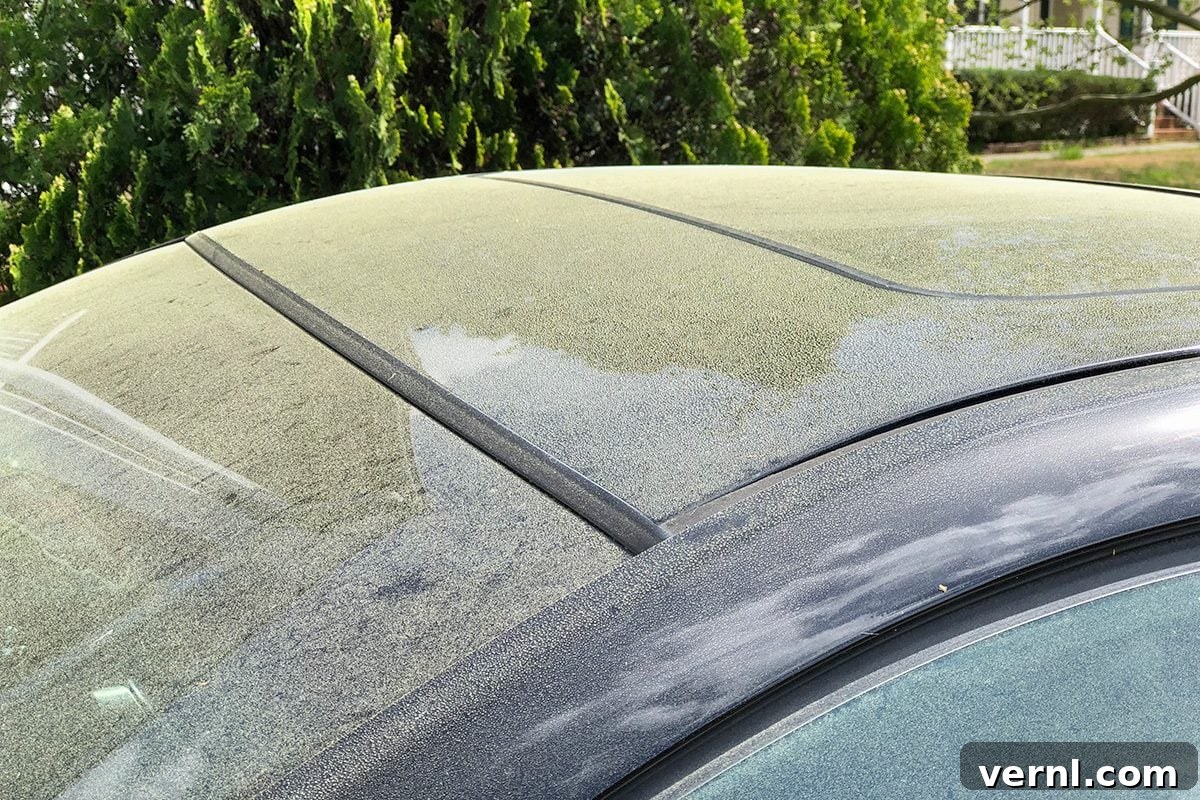
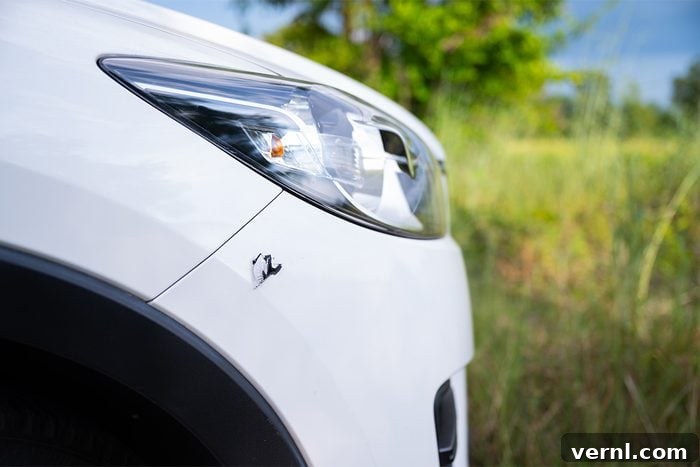
The most visible and often most distressing damage caused by pollen is to your car’s paintwork. When pollen particles settle on your vehicle and subsequently come into contact with moisture – be it from rain, humidity, or even morning dew – they undergo a chemical reaction. This process transforms them into an acidic substance. This newfound acidity then begins to corrode the clear coat, which is the transparent protective layer sitting atop your car’s colored paint. Over time, this corrosion can lead to dulling of the finish, permanent etching, and even discoloration. The result is a vehicle that looks prematurely aged and neglected.
Compounding this chemical attack is pollen’s abrasive nature. As Matt Clamp highlighted, the microscopic spikes on pollen grains make them behave like tiny pieces of sandpaper. If you attempt to dry wipe pollen off your car, these abrasive particles are dragged across the paint, creating a multitude of micro-scratches and swirl marks. These imperfections, though tiny, accumulate over time, dulling the paint’s reflectivity and making it appear hazy. This type of damage is not only costly to repair, often requiring professional paint correction or even repainting, but it also significantly diminishes your car’s aesthetic appeal and resale value.
Compromised Air Filtration: Engine and Cabin Performance
Beyond the exterior, pollen poses a substantial threat to your vehicle’s critical air filtration systems, impacting both engine performance and interior air quality:
- Clogging Cabin Air Filters: Pollen can rapidly clog the cabin air filter, which is responsible for filtering the air entering your car’s interior. As Lucas Waldenback notes, “This is especially noticeable for drivers with allergies, but it can also make the ventilation system less efficient.” A clogged cabin filter restricts airflow, forcing your heating, ventilation, and air conditioning (HVAC) system to work harder, which can lead to reduced cooling/heating efficiency, unpleasant odors, and, most importantly, a significant decrease in the quality of the air you breathe. For allergy sufferers, this means a constant influx of allergens into the cabin, exacerbating symptoms.
- Clogging Engine Air Filters: The engine air filter is vital for protecting your engine by preventing contaminants from entering the combustion chamber. When pollen builds up and clogs this filter, it restricts the airflow essential for proper combustion. “Over time, that can reduce fuel efficiency and lead to engine damage,” warns automotive expert Steve Haney, a corporate technical trainer at Bosch Mobility Aftermarket. A starved engine has to work much harder to achieve the same power output, leading to reduced horsepower, diminished acceleration, increased fuel consumption, and potentially, long-term engine wear. In severe cases, a very clogged filter can even trigger your check engine light.
Visibility and Safety Hazards
Pollen accumulation also creates direct safety concerns:
- Lowering Visibility and Wiper-Blade Effectiveness: A layer of pollen on your windshield can severely impair visibility, especially in direct sunlight or at night. When windshield wipers are used over a pollen-laden surface, they don’t just clear the pollen; they often smear it, further obscuring your view. The abrasive pollen particles can also cause micro-scratches on the windshield itself and prematurely wear down wiper blades, making them less effective at clearing rain or debris.
- Reduced Headlight/Taillight Output: A fine film of pollen on your headlight and taillight lenses can diffuse light, reducing their brightness and effectiveness. This not only impairs your ability to see the road but also makes your vehicle less visible to other drivers, increasing the risk of accidents.
Proactive Pollen Defense: Essential Prevention Strategies
The key to mitigating pollen damage lies in consistent, proactive maintenance. Taking preventative steps can save you significant time, money, and hassle in the long run.
- Regular Air Filter Replacement and Checks: Make it a habit to replace both your engine and cabin air filters at the very beginning of pollen season. After initial replacement, check them periodically – perhaps monthly – to ensure they aren’t becoming clogged. For cabin filters, consider upgrading to HEPA-rated filters, which offer superior filtration against microscopic allergens.
- Clean Your Wiper Blades: Regularly wipe your wiper blades with a wet cloth to remove pollen buildup. This simple action helps prevent smearing and micro-scratches on your windshield, preserving visibility and extending the life of your blades.
- Never Dry Wipe Pollen: This cannot be stressed enough. Attempting to wipe dry pollen off your car with a cloth or even your hand will inevitably drag the abrasive particles across your paint, creating unsightly micro-scratches and swirl marks.
- Utilize Water-Repellent Windshield Fluid: Opt for a high-quality windshield washer fluid that contains water-repellent additives, such as those found in products with Rain-X technology. These fluids help water (and pollen-laden moisture) bead up and roll off, making it harder for pollen to stick and easier for wipers to clean.
- Frequent Car Washes: The most effective defense against pollen damage is regular washing. Aim to wash pollen off your car two or three times a week, preventing it from bonding with the surface and turning acidic. “This is a good time to sign up for the unlimited wash level at your local car wash,” suggests Ken Huening, CEO of CoverSeal vehicle covers. For DIY washers, always use a pH-balanced car shampoo and a soft, dedicated car wash sponge or microfiber mitt to protect your paint.
- Apply Paint-Protective Coatings: Invest in high-quality paint protection. Applying a durable wax, sealant, or ceramic coating creates a sacrificial barrier between your paint and environmental contaminants like pollen. “This can make it harder for the pollen to stick, and will make it much easier to wash off next time,” explains Matt Clamp. These coatings also provide hydrophobic properties, causing water and acidic pollen mixtures to bead up and run off more readily.
- Strategic Parking: Whenever possible, park your car in a garage or under a covered spot. If covered parking isn’t available, consider using a car cover, especially during peak pollen season. “At the very least, try to avoid parking directly under trees known for producing a lot of pollen, such as oak, birch, cedar, and ash,” advises Steve Haney.
“Prevention is mostly about consistency,” emphasizes Lucas Waldenback. “A common mistake drivers make is waiting until the car looks visibly dirty. By that point, pollen has often already mixed with moisture, formed a more stubborn, acidic layer, and may have already begun to etch the clear coat.” Early and consistent action is the best defense.
Maintaining Interior Comfort: Keeping Pollen Out of Your Car’s Cabin
For allergy sufferers, keeping pollen out of the car’s interior is paramount for comfort and health. These measures help create a cleaner, safer cabin environment:
- Windows Up, Sunroof Closed: The simplest yet most effective step is to keep all windows and your sunroof fully closed, particularly when driving. This prevents airborne pollen from directly entering the cabin.
- Utilize AC Recirculation Mode: When running your air conditioning, engage the recirculation mode. This setting prevents your system from pulling in outside air, instead recirculating the air already inside the cabin, which has likely already been filtered by your cabin air filter.
- Replace Cabin Air Filter with HEPA: At the beginning of allergy season, replace your cabin air filter. For superior pollen and allergen filtration, opt for a high-efficiency particulate air (HEPA)-rated filter. These filters, such as those made by Bosch, are designed to capture a much higher percentage of microscopic particles, significantly improving indoor air quality.
- Thorough Interior Cleaning: Pollen can settle on every interior surface. Regularly vacuum your floor mats and seats, and wipe down your dashboard, door panels, and center console with a damp microfiber cloth. “It can also help to clean your vents with compressed air or a soft detailing brush to dislodge trapped pollen,” suggests Steve Haney, preventing it from being blown into the cabin.
The Art of the Clean: How to Properly Remove Pollen from Your Car
When it comes to removing pollen, a careful and systematic approach is essential to avoid causing further damage. Simply rinsing your car with a hose or waiting for rain is not a good idea, as Steve Haney cautions, “since pollen turns acidic when wet, simply rinsing will just activate the corrosive properties and potentially spread the problem.”
- Pre-Rinse Thoroughly: Begin by thoroughly rinsing your entire vehicle with a gentle stream of water. The goal here is to dislodge as much loose pollen as possible without rubbing it in. Work from the top down, allowing gravity to carry the pollen away.
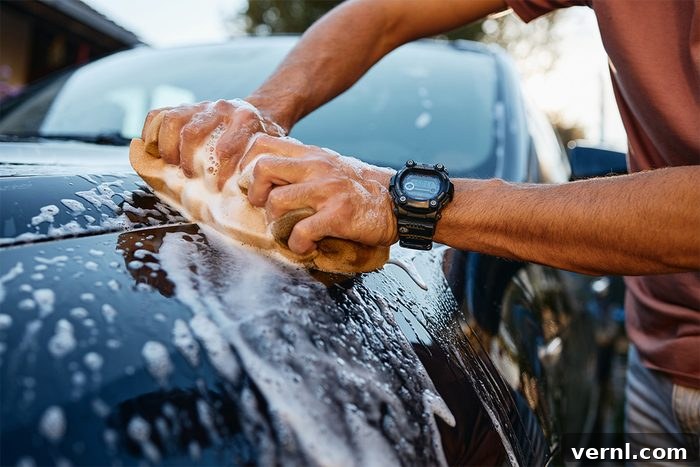
- Use pH-Balanced Soap and Soft Tools: Always use a high-quality, pH-balanced car shampoo. This ensures the soap is gentle on your paintwork. Apply it with a soft microfiber wash mitt or a dedicated car wash cloth, avoiding abrasive sponges or brushes that can scratch the paint.
- Never Wipe Dry Pollen: Reiterate this golden rule. Dry wiping will create micro-scratches and swirl marks. Always ensure the surface is wet and lubricated with soap before making contact.
- Focus on Pollen-Prone Areas: Pay special attention to areas where pollen tends to settle most heavily, such as the roof, hood, trunk lid, windshield, and wipers. “Open the doors to clean the sills, and wipe down the rubber seals as well,” advises Ken Huening, as pollen can accumulate in these crevices.
- Work Top to Bottom, Section by Section: Always start washing from the highest points of your car (the roof) and work your way down to the lower panels. This prevents dirt and pollen from lower, dirtier sections from being transferred back to already-cleaned upper sections. Wash and then thoroughly rinse one section at a time to prevent soap and dirty water from drying on the paint. “Wash the car in the shade if you can,” suggests Matt Clamp, “so water and soap don’t dry too quickly on the paint, which can lead to water spots.”
- Use Light Pressure: When washing, use only light pressure. Let the soap and wash mitt do the work of lifting the pollen and dirt, rather than scrubbing vigorously, which can lead to scratches.
- Thorough Rinsing: After washing each section, rinse it completely with clean water to remove all soap residue and loosened pollen.
- Dry with Microfiber: Immediately after rinsing the entire vehicle, dry it with a clean, soft, highly absorbent microfiber drying towel. Drying prevents water spots and ensures a streak-free finish. Gently blot or lightly glide the towel over the surface, rather than rubbing.
- Apply Post-Wash Protection: After drying, consider applying a quick detailer with wax, a spray wax, or a ceramic coating booster. Huening recommends the Teflon-based wax DriWash for an extra layer of protection and shine. This final step not only enhances gloss but also makes subsequent pollen removal easier.
“This might feel like a never-ending cycle of washing your vehicle during pollen season, but this type of proactive car maintenance is truly an investment,” says Steve Haney. “It helps keep your car looking its best, preserves its paint and mechanical integrity, and ultimately, gets the most life out of it. And who doesn’t love driving a shiny, well-maintained car?”
Meet the Automotive Experts
- Steve Haney is a corporate technical trainer at Bosch Mobility Aftermarket, bringing over 35 years of extensive hands-on automotive repair experience.
- Lucas Waldenback is the co-founder of Zutobi, a leading driver education platform utilized by millions of learners globally to master road safety, vehicle care, and responsible driving practices.
- Ken Huening is the CEO of CoverSeal vehicle covers, specializing in protective solutions for various vehicles.
- Matt Clamp is an automotive specialist at Scrap Car Comparison, where he is responsible for vehicle valuations and overseeing the car scrapping process. He provides valuable insights into end-of-life vehicle trends and the factors that render cars unsafe or uneconomical to operate.
Further Reading & Resources
- Do You Know What That Little Button on Your Seat Belt Is For?
- What Those Lines on Your Backup Camera Really Tell You
- Here’s What The Small Panel On Your Car’s Front Bumper Is For