Window Insulation Film: A Guide to Energy Savings and Comfort
Are your windows letting in drafts and letting out your hard-earned money? When it comes to addressing old, drafty windows, homeowners typically face two main choices: replace the windows entirely, or seal them with insulating window film, also known as plastic wrap. But does window insulation film actually work? Let’s delve into the details and explore how this often-overlooked solution can significantly impact your home’s energy efficiency and comfort.
Understanding Window Insulation Film
Window insulation film is a thin, transparent plastic sheeting designed to be applied to the interior of your windows. It creates an insulating barrier that helps to reduce heat transfer, both in and out of your home. This can lead to a more comfortable living environment and, crucially, lower energy bills.
One popular option is the 3M Indoor Window Insulator Kit. This kit, a product from a trusted name, is designed to insulate up to five windows. The company’s claim of lowered heating costs and energy savings is backed by scientific principles and real-world results.
Does Window Insulation Film Really Work?
The short answer is yes. According to Energy Star, a program of the Environmental Protection Agency (EPA), sealing leaks around windows and doors can lead to significant energy savings. Their findings suggest that you could potentially cut your utility bills by up to 20 percent by addressing air leaks throughout your home.
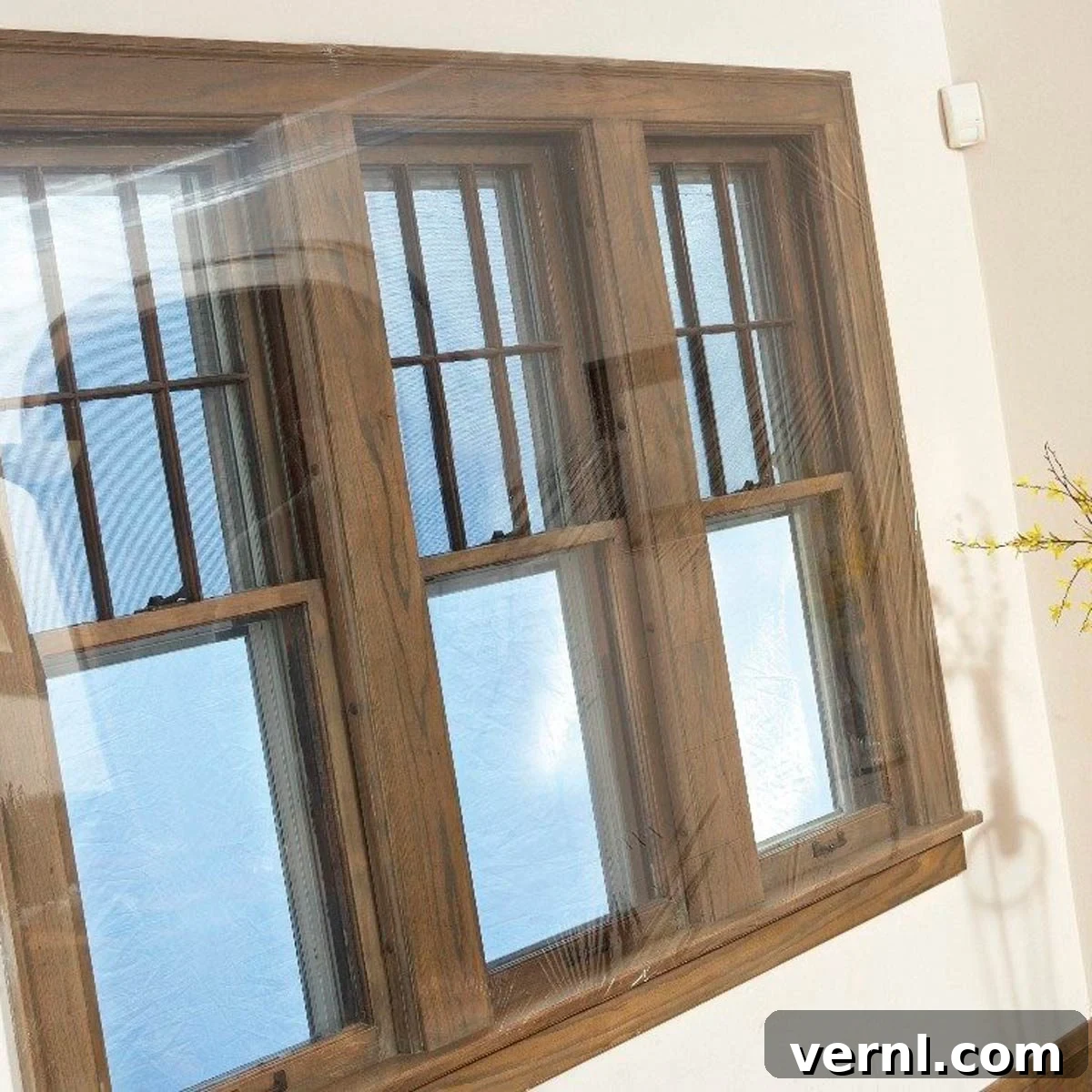
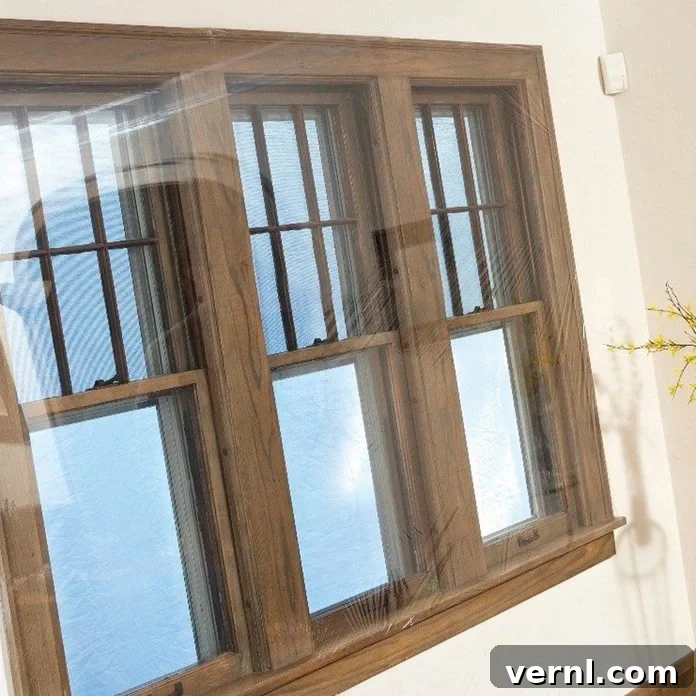
To fully experience the benefits of window insulation kits, it’s essential to shrink-wrap the plastic coverings during installation. This creates a tight seal that effectively minimizes air leaks and maximizes the insulation effect. This typically involves using a heat source like a hairdryer to tauten the film after application. This ensures the film adheres closely to the window frame, eliminating gaps and drafts.
Identifying Windows That Need Insulation
Not sure if your windows are candidates for window insulation film? Energy Star offers several telltale signs that indicate your windows may be contributing to energy loss:
- Rattling Windows: If your windows rattle, they likely don’t seal tightly, allowing air to escape.
- Visible Gaps: Look for gaps around the window frame or trim. These are direct pathways for air leaks.
- Pests and Dust: Notice pests or dust entering through or around your windows? This is a clear indicator of drafts.
- Odors: Are you smelling outside odors inside your home? Air leaks can transmit smells.
- Peeling Paint: Peeling paint around the window frame can signify moisture issues stemming from drafts and temperature fluctuations.
Simple Tests to Check for Window Leaks
If you’re unsure whether your windows are leaking, you can perform some simple tests to assess their condition:
- The Paper Test: Close the window on a piece of paper. If the paper slides easily back and forth, the window isn’t sealing properly, and air is likely escaping. Weather stripping may be a good solution in this case.
- The Incense Test: Light an incense stick and hold it near the seams or sash of your window. Observe the smoke. Does it waft in a particular direction? If so, you probably have a leak where the smoke is being drawn.
Beyond Window Film: Other Considerations
While window insulation film is a cost-effective and relatively simple solution, it’s not the only way to improve your windows’ energy efficiency. Consider these additional factors:
Weather Stripping
As mentioned, weather stripping can be an effective solution if the paper test reveals leaks. Weather stripping involves applying a flexible material to fill gaps around the window frame, creating a tighter seal and preventing air leakage. This is a relatively inexpensive DIY project that can significantly improve your home’s energy efficiency.
Caulking
Caulking is another crucial element. Apply caulk to seal any cracks or gaps around the exterior of your window frames. This prevents water intrusion and air leaks. Proper caulking can make a substantial difference in energy savings.
Window Replacement
If your windows are old, damaged, or severely inefficient, replacement might be the best long-term solution. New windows offer advanced insulation, improved energy performance, and enhanced aesthetics. While a more significant investment, they can dramatically reduce energy bills over the long run.
The Benefits of Window Insulation
Applying window insulation film offers a range of benefits, making it an attractive option for homeowners seeking to improve energy efficiency and home comfort:
- Reduced Energy Bills: By minimizing air leaks, window insulation film helps reduce the amount of energy needed to heat or cool your home, leading to lower utility bills.
- Improved Comfort: Window insulation film reduces drafts, creating a more comfortable and consistent temperature throughout your home. This eliminates cold spots near windows.
- Reduced Condensation: By insulating the window surface, film can help reduce condensation, which can lead to mold and mildew growth.
- Protection Against Fading: Window film can block UV rays, helping protect your furniture, carpets, and other belongings from fading due to sun exposure.
- Ease of Installation: Window insulation film kits are relatively easy to install, making them a good DIY project for homeowners.
Professional Assistance
If you prefer a more comprehensive assessment of your home’s energy efficiency, consider hiring a professional. A home energy audit can identify all the areas where your home is losing energy, not just your windows. An energy auditor will use specialized tools and techniques to evaluate your home’s insulation, air leaks, and other factors that affect energy consumption. They will then provide recommendations for improvements. Learn more about home energy audits here.
By taking a proactive approach to window insulation and addressing air leaks throughout your home, you can significantly reduce your energy costs, improve your home’s comfort, and contribute to a more sustainable future.
Photo courtesy of 3M.