It’s easy to imagine life might be better somewhere else — in another town or another state. I love many things about where I live, but when the summers get too hot or the utility bills climb, it’s natural to wonder whether a nearby state might offer a better balance of safety, health, and affordability. CNBC recently assessed quality of life across the United States, grading each state using a range of measurable factors.
How Are the States Ranked?
CNBC’s analysis combines objective data across public safety, health, environmental quality, and social and economic indicators. Their methodology includes crime rates, air quality, healthcare outcomes, access and cost of childcare, inclusiveness of laws, worker protections, and reproductive rights. Using those measures, CNBC produced a ranking of the states, identifying the ten lowest-performing states based on the aggregated scores.
According to the CNBC report, the ten states that ranked lowest — listed from the best of the worst down to the state deemed the most challenged — are:
- Arkansas
- Oklahoma
- Alabama
- Missouri
- Utah
- Georgia
- Louisiana
- Indiana
- Texas
- Tennessee
Why Are These States Ranked So Poorly?
CNBC’s write-up highlights strengths and weaknesses for each of the ten states. Below is a concise, clear summary of the reasons each state placed on the list, emphasizing measurable factors rather than opinion.
Arkansas
Arkansas received a D- in CNBC’s evaluation. Major concerns include high crime rates and public health challenges, as well as significant food insecurity in parts of the state. Legal protections against discrimination are limited compared with higher-ranked states, which lowers inclusiveness scores. On the positive side, Arkansas benefits from relatively good air quality in many regions and reasonably accessible childcare options, which helped prevent an even lower grade.
Oklahoma
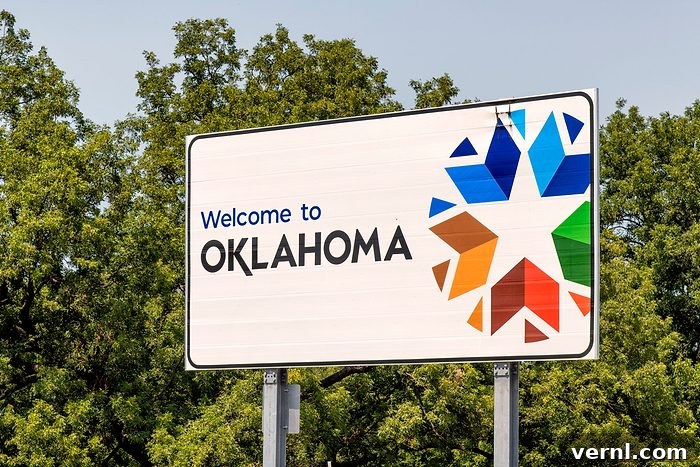
Oklahoma also earned a D-. The state’s restrictive policies on reproductive care contributed to a lower ranking, alongside weak worker protections and reluctance to raise the minimum wage. Nonetheless, Oklahoma scored comparatively well on air quality and childcare availability, which softened the overall assessment.
Alabama
Alabama’s D- grade reflects a mixed profile: the state shows strengths in air quality and childcare access in certain areas, but falls behind on worker protections, inclusiveness, and several health indicators. These deficits collectively pulled the state’s overall score down.
Missouri
Missouri received a D- as well. While it shows reasonably strong air quality in many locales and has protections for some workers, Missouri struggled with higher-than-average crime rates, public health challenges, and gaps in inclusive policies. Together these factors lowered its ranking.
Utah
Utah is the first state on this list to receive an F. Its single notable strength in CNBC’s evaluation was relatively low crime rates, yet that did not offset poor scores in health outcomes, childcare availability, worker protections, and air quality measures. The cumulative effect of these areas of concern resulted in a failing grade.
Georgia
Georgia also earned an F. Its strongest attribute in the report was childcare availability, which performed better than many peer states. However, Georgia’s scores were weak on inclusiveness, public health metrics, and worker protections, leading to an overall failing grade in the analysis.
Louisiana
Louisiana scored an F despite having better-than-expected childcare access and pockets of good air quality. The state’s ranking was adversely affected by higher crime rates, limited inclusiveness in state policies, and challenging reproductive rights measures, all of which weighed heavily in the final grade.
Indiana
Indiana earned an F in the CNBC ranking. Similar to Utah, Indiana’s crime rate was listed as a relative strength, yet the state showed weaker performance on health measures, childcare availability, and air quality. Those shortcomings combined to produce a low overall score.
Texas
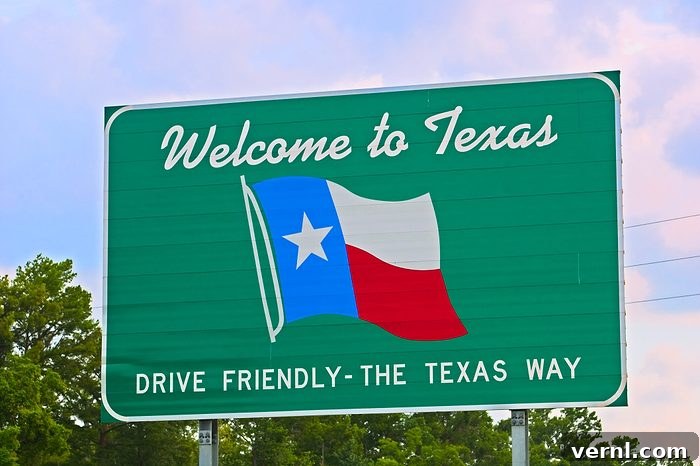
Texas ranked second to last with an overall F. The state showed some areas of strength, including childcare and regions with decent air quality, but persistent challenges across health outcomes, crime, inclusiveness, worker protections, and reproductive rights left Texas with one of the lowest aggregate scores.
Tennessee
Tennessee finished at the bottom of the list with an F. While parts of the state displayed acceptable air quality, that single area of relative strength was not enough to counterbalance higher crime rates and deficits in legal inclusiveness and worker protection measures. These combined factors resulted in Tennessee’s placement as the lowest-ranked state in the CNBC evaluation.
Source
These are America’s 10 worst states to live in for 2026, CNBC, July 2026.