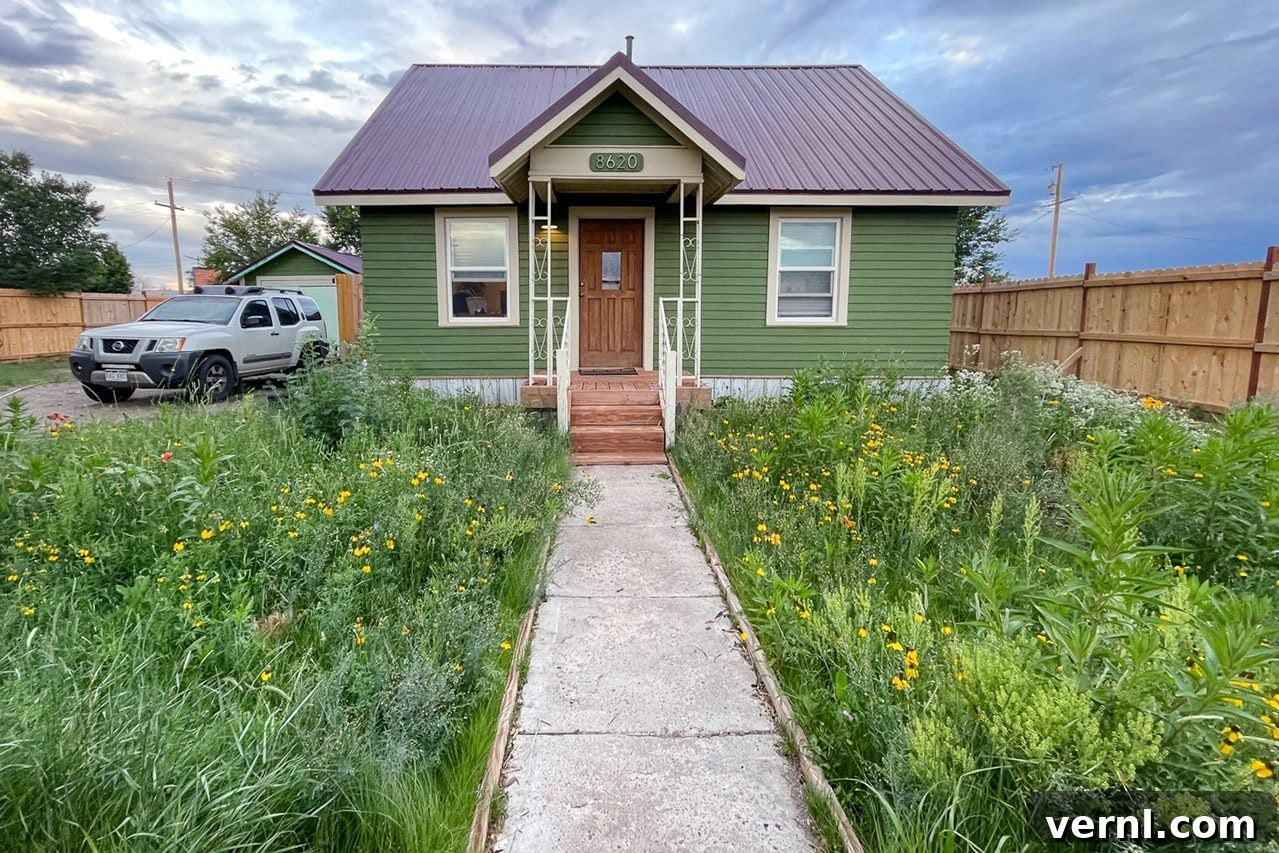
A few years ago, the view from my window was a bleak, dusty expanse. Now fledgling sparrows romp through a wildflower meadow, where deep purple flax sways in the breeze alongside native grasses and bright orange poppies.
Each year brings a fresh surprise. One season the yard was a blanket of delicate white baby’s breath; another year towering evening primroses drew goldfinches into their spires of yellow. The small details are captivating: native bees moving from bloom to bloom, delicate spiders spinning intricate webs and beetles making their slow way through the undergrowth.
Below I describe how I turned a barren front yard into a thriving oasis — from tackling invasive weeds to welcoming wildlife and managing neighbors’ reactions.
Inspiration in a Tough Climate
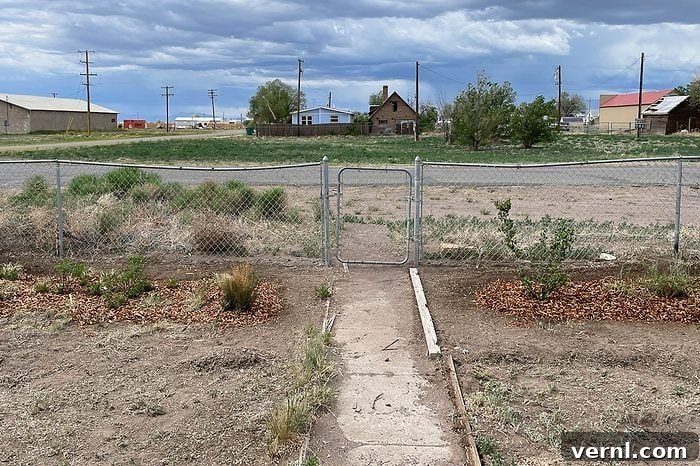
A few years ago my partner and I began renovating a century-old house in rural Colorado. The home had sat empty for 12 years and needed a full gut job. The yard was worse: mostly bare dirt scattered with tumbleweeds and layers of trash. Whenever the wind blew it unearthed old blankets, broken glass and plastic debris.
Little grew there for good reason. Winters in our high-altitude valley can be brutally cold and annual precipitation hovers around seven inches. In a drought-prone place like this, installing an ornamental turf lawn felt irresponsible. I considered a Southwest-style gravel xeriscape as a practical alternative.
Then I interviewed Mary Phillips, who leads Native Plant Habitat Strategy at the National Wildlife Federation, and everything changed. She made a compelling case for native grasses and wildflowers: they provide far better habitat for birds, pollinators and the invertebrates that sustain them. Native plants are also better adapted to local conditions and far more likely to survive without constant watering or chemical treatments.
“Even a small planting of native species can create ripple effects throughout the food web, providing essential food, shelter and nesting habitat,” Phillips said. Convinced, I decided to try creating a native wildflower meadow.
The Hurdles I Knew Awaited
Fortunately, we have no HOA or town rules forbidding a meadow, and most neighbors had yards as bare as ours, so public pushback wasn’t a major concern. My real challenge was inexperience: I didn’t fully know what would survive and become self-sustaining in this harsh climate.
The prior year I’d planted a mix of native and non-native shrubs that supposedly suited my USDA Zone 5a conditions. About half didn’t survive winter. Even hardy-seeming junipers and Russian sage struggled. What did persist were native currants, chamisa (rabbitbush) and a few sages — plants I’ve come to love for their resilience.
Year One Hurdles I Didn’t Know About
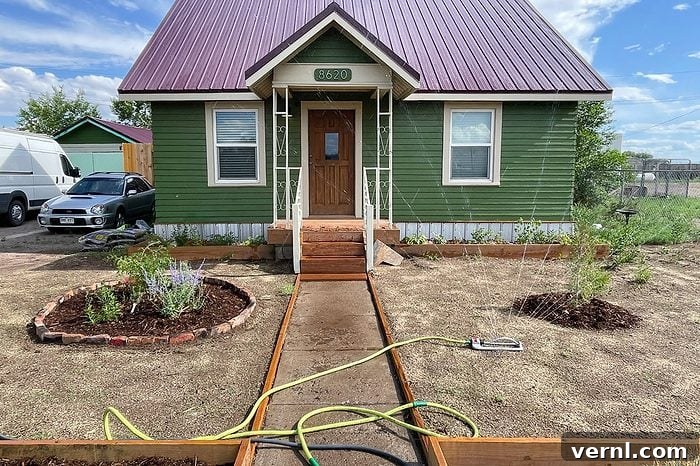
In early May I spread a custom mix of wildflower and native grass seed recommended for my region by a patient representative at a seed company. The advice was clear: while established natives need little water, the seeds must stay consistently moist until they sprout and then well-watered through their first summer.
I watered twice daily and watched for green shoots. A few weeks later small greens appeared — but they were mostly tumbleweeds and other invasive species, not the wildflowers I hoped for.
I tilled the area and started again. That largely worked: giving native grasses and wildflowers a head start allowed them to grow big enough to outcompete some invasives. Still, the first year involved a lot of weeding to keep undesirable plants from taking over.
The First-Season Transformation
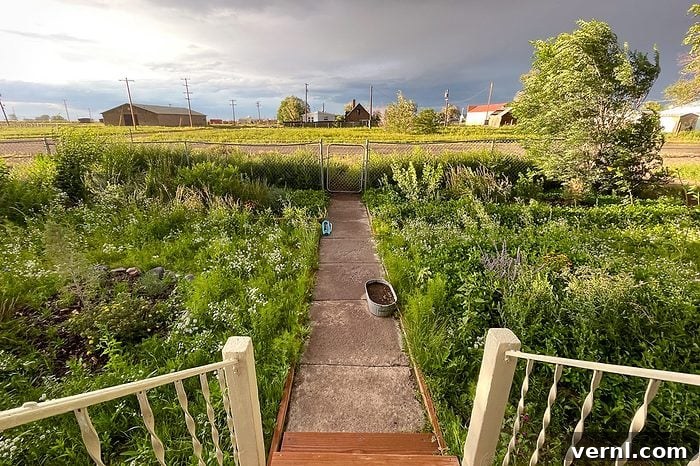
As the grasses filled in and the flowers bloomed, the rewards outweighed the work.
Before the meadow, the yard hosted little more than mice and stray cats. Birds were limited to house finches, sparrows, starlings and the occasional robin. Invertebrates were rare aside from a few spiders and ants.
Once blooms were abundant, native bees appeared, along with ladybugs, garden spiders and many tiny insects. Hummingbirds arrived and then two rabbits. We even had chipmunks and a striped ground squirrel for a time.
By mid-summer our 45-by-25-foot dirt patch had become a genuine oasis. It lifted our spirits during a period when we’d been questioning the wisdom of moving here. Even formerly wary neighbors commented on how much they enjoyed watching the yard come to life. (Not everyone doing similar projects is so fortunate; some people face criticism for “messy” yards.)
Nature’s Resilience
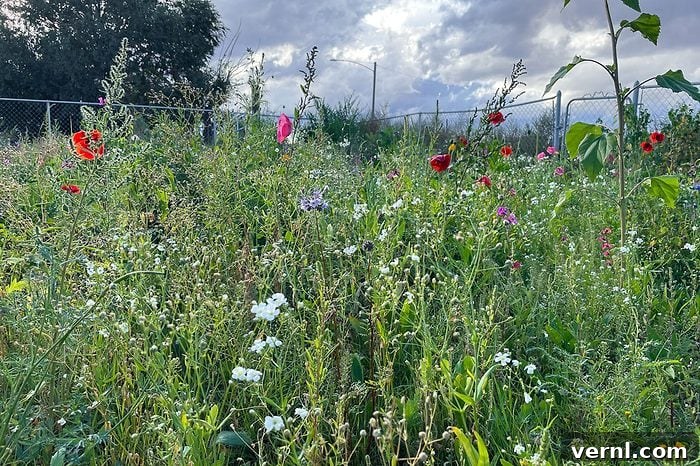
Where this biodiversity came from still surprises me. Our town sits in a broad valley dominated by potato and alfalfa fields, tumbleweeds and saltbrush. A century of overgrazing and intensive farming has drained wetlands and reduced native habitats. Yet many insects and birds found our yard and made it a stop on their routes, proving how quickly nature will reclaim suitable habitat when it’s available.
Year Two: A High Point
I left the yard largely untouched over winter. It looked messy, but that rough structure protected dormant plants, and when spring arrived I scattered more seed and watered, though far less than the first year.
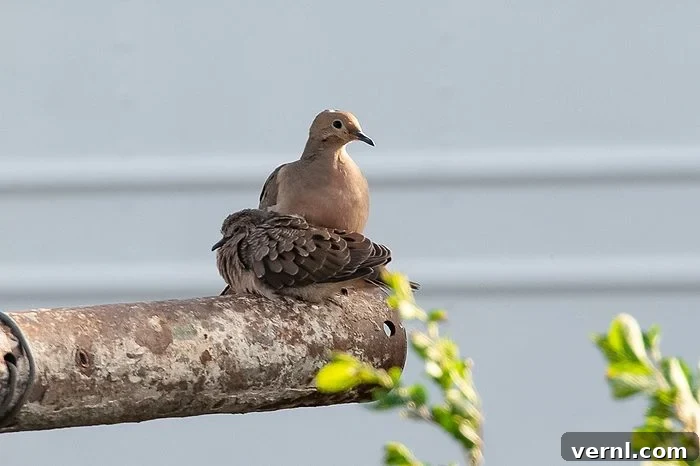
Within weeks the meadow was lusher and more colorful than before. Native bee numbers increased and a wider variety of insects appeared. The yard became an established stop for birds: bluebirds, swallows, nighthawks, several finch species and resident families of robins and doves joined the regular visitors.
Year Three: Temporary Setback
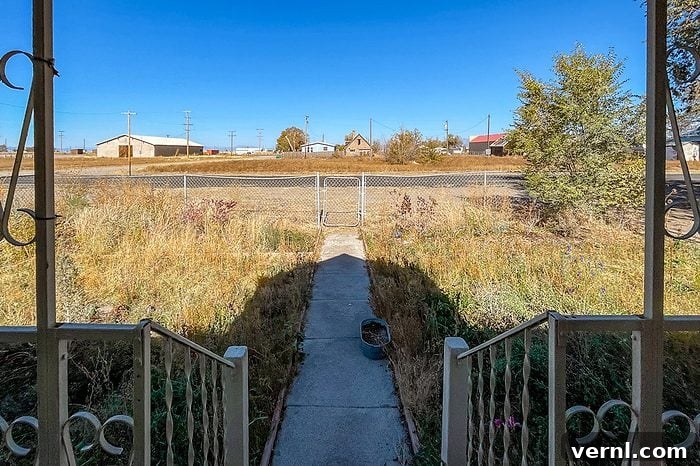
This year tested the meadow’s independence. We were away much of spring and summer, and when we returned in May I cleared some overgrowth to make way for new shoots. That might have been a mistake: the protective layer likely sheltered developing roots and seeds through the cold, and removing it may have left plants exposed.
I watered heavily for a couple of weeks and saw green returning, but photos from a friend show the yard turned brown and dormant again. The shrubs remain healthy, but much of the meadow looks paused. It’s a reminder that even labeled “low-maintenance” natives can struggle in exceptionally harsh conditions without occasional attention. I expect much will rebound next year with a bit of regular watering.
Tips For Growing A Wildflower Meadow Yard
Prepare the Space
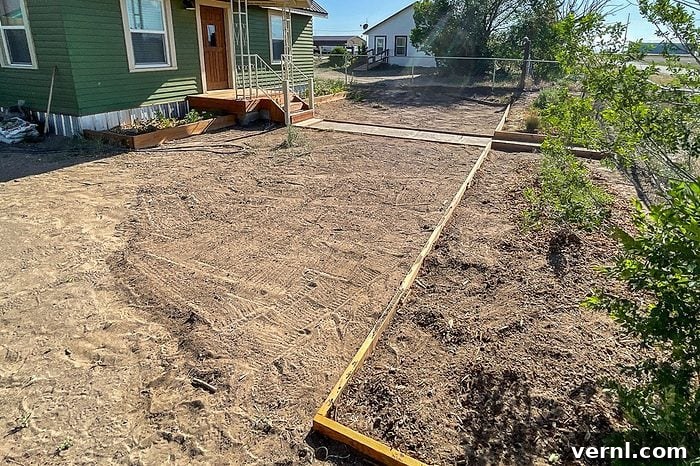
I prepared the bed by hand-tilling compacted soil. It was hard work but easier than removing existing turf. I also scattered extra seed to account for birds eating some of it, which helped ensure a good stand.
Pro tip: Use local resources to select seeds and plants suited to your region so they have the best chance to establish.
Understand Costs and Time
Wildflower meadows can be surprisingly affordable. My seed cost about $50 and aside from regular watering and considerable weeding the first year, maintenance was minimal. The main investment was water to establish plants; after that, irrigation needs dropped significantly compared with a traditional lawn.
Say No to Fertilizers and Pesticides
Avoid chemical fertilizers and pesticides. Native plants evolved for local soils and climates and usually don’t need added fertilizers. A balanced mini-ecosystem of plants, pollinators and predators keeps pests in check naturally. Pesticides harm beneficial insects and disrupt that balance.
Pro tip: Boost soil nutrients with compost, mulch, leaves and grass clippings instead of synthetic fertilizers.
Work with Neighbors and HOAs
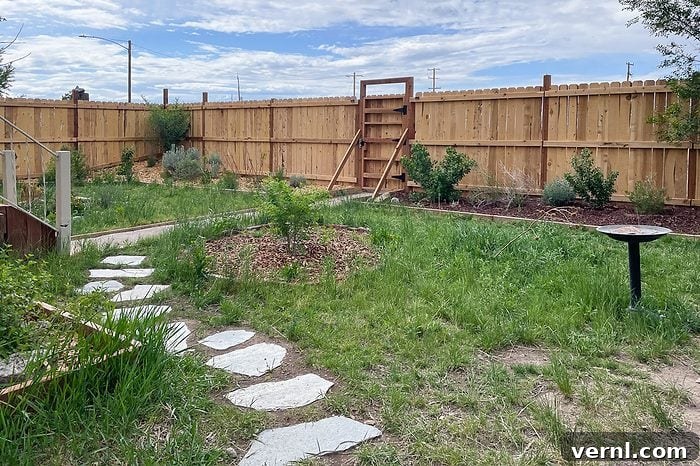
Some neighbors may not immediately appreciate a natural-looking landscape. Define edges and add paths or simple borders to signal intentional design. Displaying information about the habitat purpose can help neighbors understand the yard is cared for, not neglected.
Start Small
You don’t have to replace an entire lawn at once. Converting one bed, a container grouping or a sunny corner into native plantings can still provide meaningful habitat and is easier to manage as you learn what thrives in your microclimate.
Check for Local Incentives
Many local water utilities, conservation districts and municipalities offer rebates or grants for replacing turf with waterwise or native landscapes. Check local resources for potential incentives to offset costs.
Would I Do It Again?
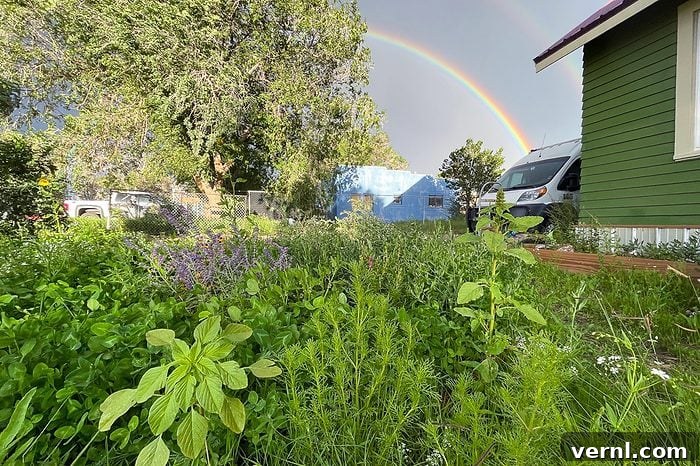
Absolutely. Despite setbacks, converting the yard has been deeply rewarding. It brightened my days, improved the neighborhood’s view and taught me how much small actions matter. Creating habitat felt like a meaningful response to the environmental losses we see around us — a concrete way to help wildlife and find personal restoration. Stewarding this small patch of land has brought real satisfaction and a sense of connection with the living world that preceded us.