
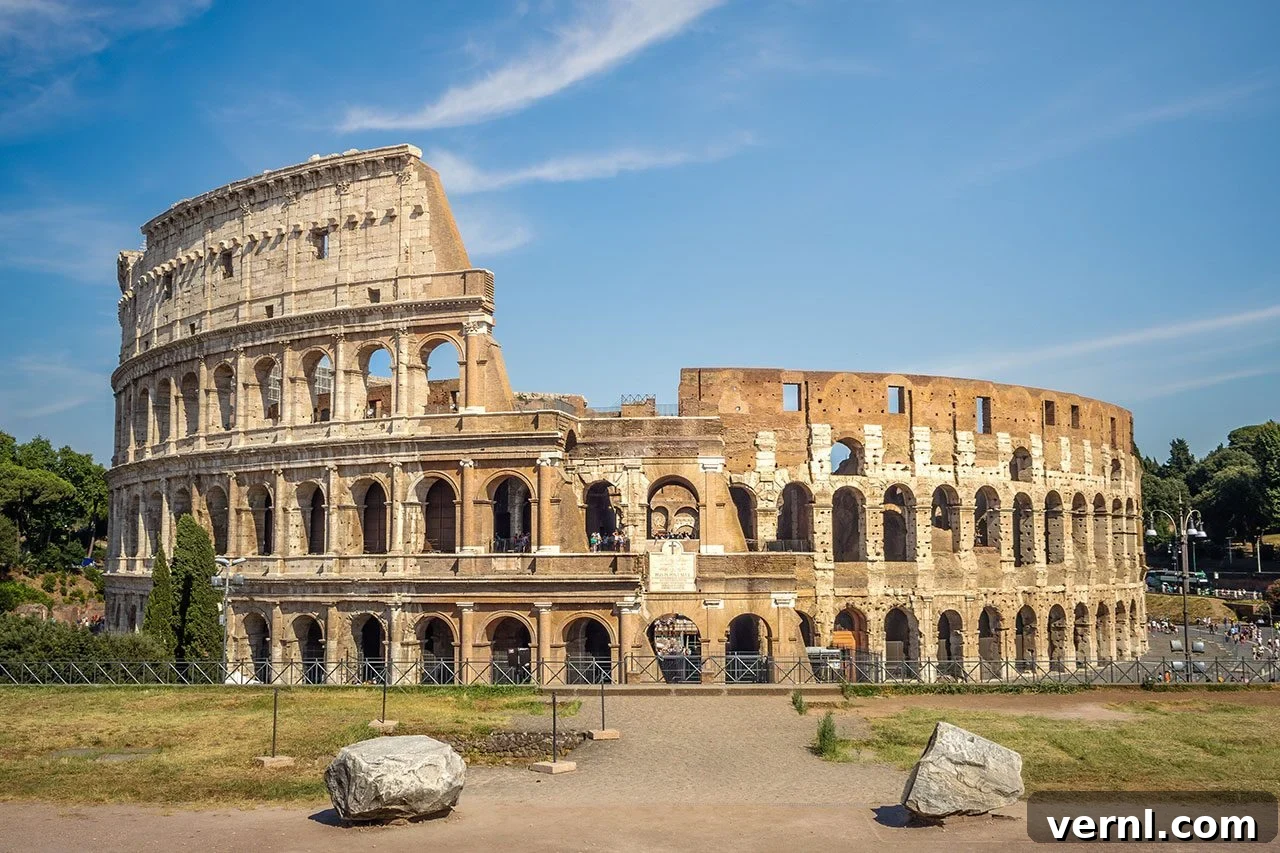
When you visit historic cities, it’s easy to focus only on the events that took place at famous sites and overlook the materials and construction that allowed those sites to survive for centuries. Houses, temples, roads, aqueducts and harbors built thousands of years ago have endured wind, rain, earthquakes, shifting climates, and continuous wear. For homeowners tackling renovations and anyone curious about how buildings are made, these ancient structures are a powerful reminder that the long-term performance of a project depends not just on craftsmanship but on the materials and the chemistry behind them.
Researchers recently gained fresh insight into why some ancient building materials have held up so well. A team studying an undisturbed section of Roman concrete at Hadrian’s Villa in Italy found evidence that the material continued to change and strengthen over many centuries. Those findings point to chemical processes that may help explain the exceptional durability of some Roman structures and suggest lessons that could inform modern construction practices.
Roman Concrete Didn’t Stop Changing After It Set
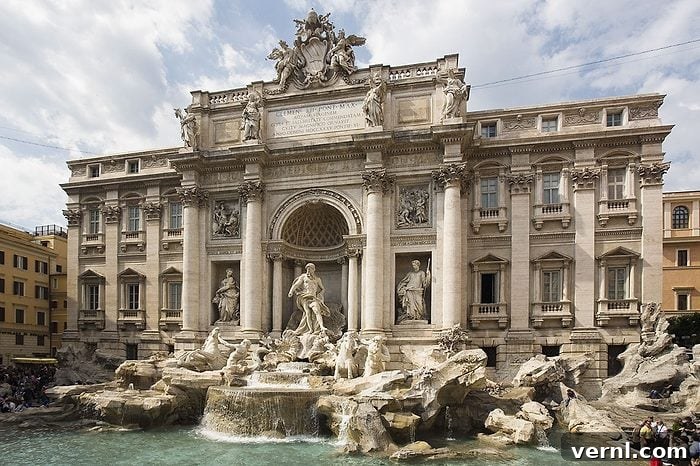
Unlike most modern concrete, which is engineered for predictable strength over a short time frame, the Roman mix studied by scientists showed evidence of ongoing chemical reactions centuries after it was poured. Because the sample came from an undisturbed section of nearly 1,900-year-old concrete, researchers had a rare opportunity to study how the material naturally evolved rather than being affected by later repairs or contamination.
The team’s analysis suggests that Roman concrete benefited from slow, long-term mineral growth that helped seal microcracks and reinforce the material internally. Rather than relying solely on initial curing and immediate strength, these reactions continued to transform the concrete’s structure and improve its resilience over generations.
“Exploring ancient engineering techniques can lead to important revelations,” said Paulo J. M. Monteiro, a co-author of the study and a civil engineer at the University of California, Berkeley. The hope is that by understanding how Roman builders achieved this longevity, engineers can eventually develop more durable, sustainable materials for modern infrastructure.
Why Modern Materials Often Have Different Priorities
Modern concrete is typically formulated with different goals in mind than ancient mixes. Today’s projects emphasize fast construction, predictable short-term strength, consistency across batches, cost efficiency, and compatibility with reinforcements such as steel. Contemporary buildings face demands that ancient structures rarely encountered, including heavier traffic loads, continuous dynamic stresses, and corrosion risks associated with embedded steel.
Because of these priorities, current concrete recipes are engineered to meet immediate performance benchmarks and regulatory requirements. That focus can come at the expense of mechanisms that favor long-term self-healing or slow mineral transformations.
By contrast, Roman builders used natural materials that encouraged slow chemical changes inside the concrete. Over time these processes could fill cracks and form new mineral bonds, contributing to the longevity of their structures. Learning from those natural reactions could help modern engineers design mixes that are less reliant on frequent repairs and more capable of maintaining structural integrity over long periods.
If materials scientists and civil engineers can incorporate similar self-healing or long-term stabilizing processes into contemporary concrete—while still meeting modern standards for strength, cost and constructability—the potential benefits are significant. Longer-lasting roadways, bridges, seawalls and buildings would reduce maintenance costs, lower environmental impact, and improve resilience.
Implications and Next Steps
The recent research underscores how studying historic materials can inform 21st-century engineering. The Roman example does not offer a one-to-one recipe for modern construction, but it reveals mechanisms worth exploring: mineral growth over time, interaction with environmental chemistry, and the use of locally available natural components that continue to react long after placement. Future work will focus on how to adapt those mechanisms to modern requirements—such as reinforcing steel and rapid construction schedules—so that durability gains do not compromise safety, cost or performance.
Sources
- Smithsonian Magazine, “How Has Roman Concrete Lasted for Millennia? A 1,900-Year-Old Latrine Offers New Clues About the Material’s Impressive Durability”
- Smithsonian Magazine, “The Secrets of Ancient Rome’s Buildings”