
Flies get a bad reputation for good reason. These persistent insects carry bacteria and disease, contaminate food, and can be surprisingly hard to catch. While a classic fly swatter is often the most reliable tool, it’s not always within reach. This guide focuses on the common housefly (Musca domestica), a grayish-black, two-winged insect attracted to organic material like food and waste, and offers practical, humane, and effective ways to kill, trap, or catch-and-release flies without a swatter.
Why Are Flies So Hard to Catch?
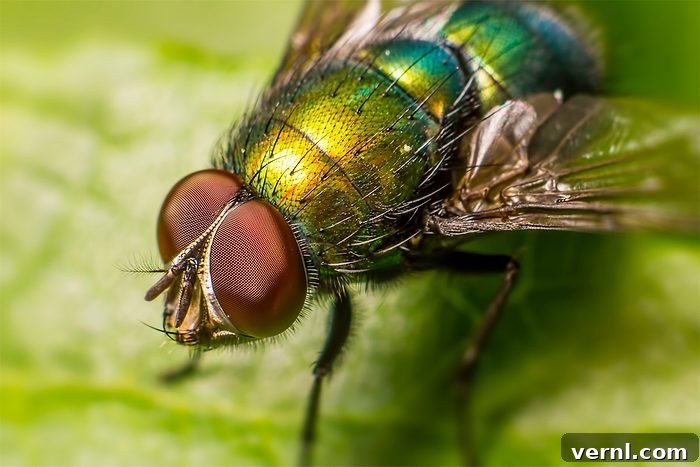
Flies have exceptional visual processing: their compound eyes contain thousands of lenses, allowing them to perceive motion at a rate far faster than humans. Where people interpret movement at roughly 60 frames per second, flies can process the equivalent of hundreds of frames per second. That makes approaching motion appear slow to them, giving ample time to escape. In addition to fast vision, flies have rapid muscle responses and specialized flight stabilizers that let them launch away from threats almost instantly. Because of those adaptations, a slow or poorly aimed swat often fails.
Common Fly-Swatting Mistakes
When attempting to swat or catch a fly, avoid these typical errors:
Swatting with a solid, non-perforated object
Dense objects like books or large magazines often fail because the air displacement alerts the fly long before contact. Items that allow some airflow through them work better.
Aiming exactly at the fly’s resting spot
Flies typically escape by launching upward or backward the moment they detect danger. Instead of striking the exact spot where the fly sits, aim slightly above or behind that location to intercept its likely escape route.
Striking from too far away
Long-range swings give flies more time to react. Closing the distance before you strike reduces the window for escape and increases your chances of success.
Simple Household Alternatives to Fly Swatters
If you don’t have a swatter, these common items can be effective:
Slotted spatula
A slotted spatula mimics a fly swatter by letting air pass through, reducing the fly’s warning and increasing the odds of a hit. If you use a kitchen utensil, clean it well before cooking.
Hands
Hands can work if used strategically. Rather than a direct, long swing, clap your palms together in the air just above the fly’s resting spot so that when it lifts off it meets the impact. Another method is to slowly move your hand close without causing alarm, then quickly slap the area.
Dish towel
A dry towel is often too slow. A lightly dampened dish towel used with a quick whipping motion can be effective while still being gentle enough for catch-and-release attempts.
Catch-and-Release Options
If you prefer to relocate flies instead of killing them, try these humane methods:
Vacuum cleaner
Use the crevice or hose attachment to suction flies into the canister or bag, then open and release them outdoors away from entry points.
Cup-and-cardboard method
Trap a fly by placing a cup over it and sliding a piece of cardboard or paper underneath. Carry the makeshift trap outside and remove the cover to release the fly.
DIY bottle trap
Create a simple trap from a plastic bottle by cutting off the top and inverting it into the base. Add a bit of fruit, sugar water, or apple cider to attract flies. Once they enter, they tend to have difficulty escaping; empty the trap outdoors.
How to Prevent Flies
Prevention is the most effective strategy. Reduce attractants and breeding sites by adopting these habits:
- Keep trash in sealed containers and store bins away from building entrances.
- Clean up pet waste promptly and regularly.
- Cover food indoors and wipe up spills immediately.
- Do not leave overripe produce sitting out; refrigerate or discard turning fruit.
Also be vigilant for signs of other pests. Decaying rodent carcasses, for example, can attract flies and lead to sudden indoor infestations. A quick check around attic entries and storage areas can help you spot problems early.
FAQ
Can a fly really see you coming?
Yes. With compound eyes made of thousands of tiny lenses, many flies have nearly 360-degree vision and can detect sudden movement quickly.
Are flies dangerous?
They can be. Flies transfer bacteria and pathogens as they move between waste and food sources. They may regurgitate or defecate on surfaces, potentially spreading E. coli, salmonella, and numerous other microbes that can contaminate food and surfaces.
About the Experts
- Ed Dolshun is vice president of business development and technical director at Catchmaster, a national pest-control device brand.
- Damian Marcello is an associate certified entomologist at Fox Pest Control, a pest extermination service company.