
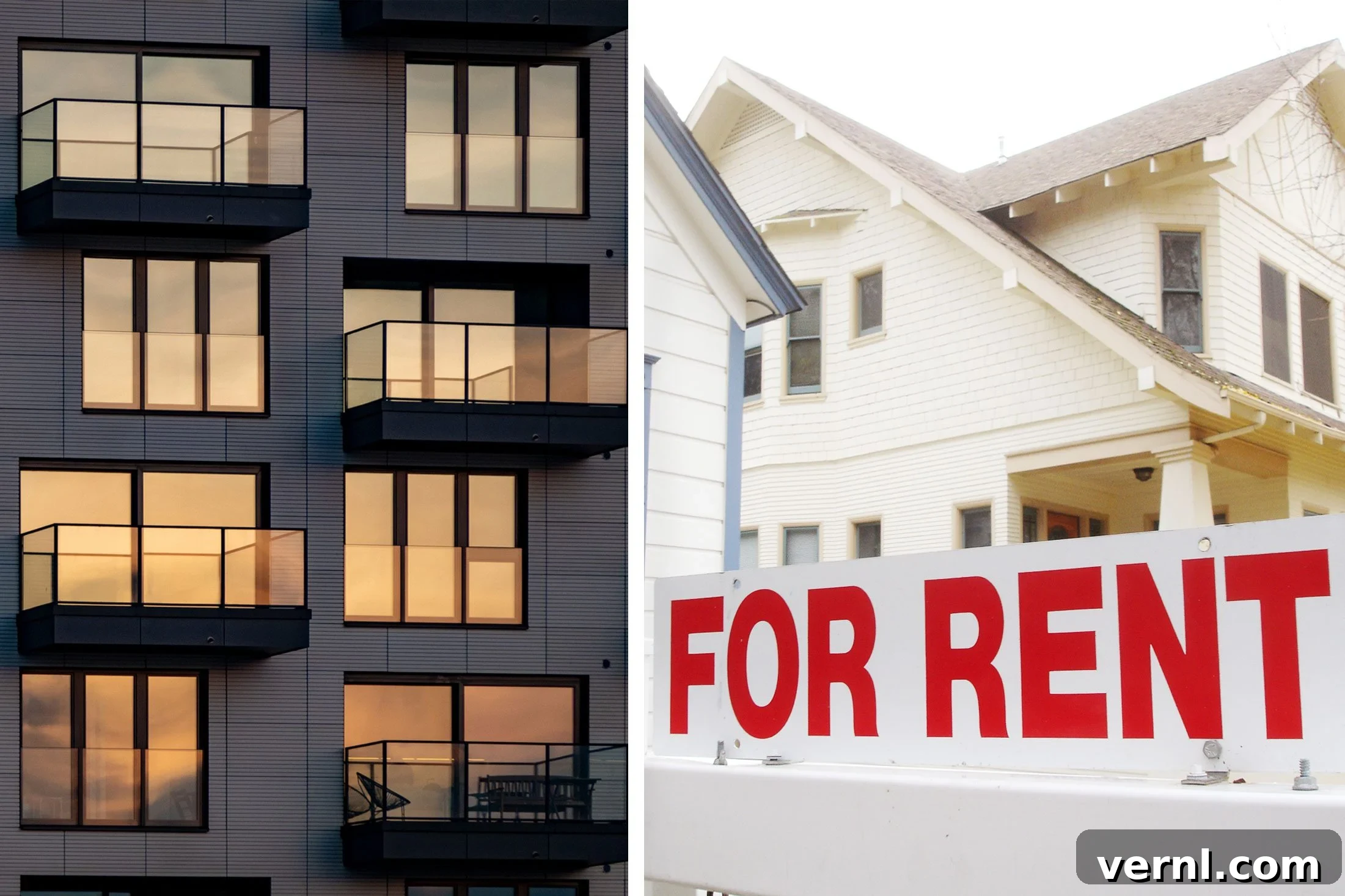
Choosing a place to live is one of the most significant decisions you’ll make, deeply influencing your daily life, finances, and overall well-being. Whether you’re a first-time renter, looking to downsize, or seeking a change of scenery, the fundamental choice often boils down to renting a house versus an apartment. Both options provide shelter and a place to call home, offering unique benefits and drawbacks that align differently with various lifestyles and priorities.
This comprehensive guide delves into the intricate details of renting a house compared to renting an apartment, exploring everything from space and privacy to cost, amenities, and maintenance responsibilities. By understanding the core distinctions and considering your personal needs, you can make an informed decision that perfectly suits your current circumstances and future aspirations. Let’s explore the pros, cons, and essential factors to help you find your ideal rental property.
The Appeal and Challenges of Renting a House
Renting a house often conjures images of spacious living, a private yard, and a greater sense of independence. These properties typically offer more room to spread out, increased flexibility, and a tranquil environment. However, this extended comfort often comes with a higher price tag and a broader range of responsibilities. For those contemplating a house rental, it’s crucial to weigh these factors carefully.
Benefits of Renting a House
- Ample Space and Enhanced Privacy: Houses are renowned for their generous square footage, often featuring larger rooms and a greater number of them compared to apartments. This translates into unparalleled privacy for individuals or family members, allowing for diverse activities to coexist peacefully. Imagine one person enjoying a movie in the living room while another works undisturbed in a home office or takes a quiet nap. This separation of space can significantly reduce household friction and enhance individual comfort.
- Private Outdoor Areas and Yards: A major draw for many house renters is the inclusion of a private backyard or garden. These outdoor sanctuaries offer endless possibilities: cultivating a vibrant garden, providing a safe and spacious environment for pets (subject to landlord approval), or hosting memorable barbecues and social gatherings. A private yard can be a game-changer for those who value outdoor living, offering a personal green escape right at home.
- Dedicated Parking and Storage Solutions: Most rental houses come equipped with private driveways, garages, or both. This eliminates the common apartment challenge of finding parking and offers secure storage for vehicles, bicycles, and personal belongings. Garages can also serve as versatile spaces for hobbies, workshops, or additional storage, keeping clutter out of the main living areas.
- Versatile Bonus Rooms and Spaces: Many houses boast additional rooms or areas such as basements, attics, sheds, or spare rooms. These spaces can be incredibly valuable, transforming into dedicated home offices, workout rooms, art studios, craft nooks, or simply extra storage. This versatility allows tenants to customize their living environment to better suit their individual interests and needs without encroaching on primary living spaces.
- Abundant Natural Light and Ventilation: With more windows and often multiple exposures, houses typically benefit from an abundance of natural light throughout the day. This not only creates a brighter, more inviting atmosphere but can also contribute to lower energy bills by reducing the need for artificial lighting. Furthermore, the ability to open windows on multiple sides allows for excellent cross-ventilation, bringing in refreshing breezes and improving indoor air quality.
- Greater Freedom for Personalization: While still subject to lease agreements, renting a house often provides a bit more leeway for tenants to personalize their space. This could range from minor landscaping tweaks in the garden to choosing interior paint colors (with landlord permission), offering a greater sense of ownership and the ability to truly make the space feel like your own.
Drawbacks of Renting a House
- Higher Rental Costs: Generally, the rent for a house is higher than that for an apartment of comparable size or in a similar location. This premium reflects the added space, privacy, and amenities like a yard or garage. While exceptions exist, especially if you explore various neighborhoods, houses typically represent a larger monthly financial commitment.
- Elevated Utility Expenses: Larger square footage means more space to heat and cool, leading to significantly higher utility bills compared to a smaller apartment. Factors like older insulation, less efficient windows, and sprawling layouts can further inflate costs for electricity, gas, and water, potentially adding a substantial amount to your monthly budget.
- Increased Tenant Responsibilities: Although the landlord is responsible for major structural maintenance, house renters often bear more day-to-day responsibilities. This can include tasks such as lawn care, snow removal from walkways and driveways, taking out the trash and recycling bins, and generally keeping the property’s exterior tidy. These chores require both time and effort, and sometimes additional expense if you hire help.
- More Frequent Maintenance and Repairs: Houses, especially older ones, tend to require more frequent maintenance and repairs than units within a managed apartment complex. While the landlord covers the cost, the inconvenience of having contractors or maintenance workers on your property more often can be disruptive to your privacy and routine.
- Individual Landlord Dynamics: Rental houses are frequently owned and managed by individual landlords rather than large property management companies. This can sometimes lead to less formal communication channels, slower response times for maintenance requests, or a less standardized approach to tenant relations, potentially causing frustration if issues arise.
- Location and Commute Considerations: Rental houses are often located in suburban or rural areas, which may be further away from city centers, workplaces, or public transportation hubs. This could necessitate a longer commute, increased transportation costs, and less immediate access to urban amenities.
The Practicality and Community of Renting an Apartment
Apartments, particularly in urban and suburban settings, offer a distinct living experience characterized by convenience, community, and often lower overall living expenses. They cater to a lifestyle that prioritizes accessibility and minimal upkeep, though they may require compromises on space and privacy. For many, the benefits of apartment living perfectly align with their daily needs and financial goals.
Benefits of Renting an Apartment
- Prime Location and Accessibility: Apartments are strategically located, often in dense, commercially zoned neighborhoods. This means unparalleled access to essential amenities like grocery stores, diverse restaurants, cozy coffee shops, vibrant entertainment venues, and public transportation. This proximity can significantly reduce commute times, reliance on personal vehicles, and enhance walkability, contributing to a more dynamic and convenient lifestyle.
- Access to Shared Community Amenities: Many modern apartment complexes boast an impressive array of shared amenities that would be costly or impossible to have in a private home. These can include state-of-the-art fitness centers, sparkling swimming pools, co-working spaces, community lounges, pet parks, and even concierge services. These amenities add significant value, offering residents opportunities for recreation, relaxation, and socializing without additional membership fees.
- Effortless Socialization and Community Building: Living in close proximity to neighbors within the same building or complex naturally fosters a sense of community. Shared amenities, common areas, and organized events create easy opportunities to meet and socialize with fellow residents, building connections and a support network. This can be particularly appealing for singles, newcomers to a city, or those who enjoy an active social life.
- Maintenance-Free Living: One of the most significant advantages of apartment renting is the minimal responsibility for property upkeep. Landscaping, trash removal, snow clearing, and all major repairs are typically handled by professional building maintenance staff. This “lock-and-leave” lifestyle frees up valuable time and eliminates the stress and financial burden of home maintenance, allowing tenants to focus on their personal and professional lives.
- Lower Overall Living Expenses: While rent prices vary, apartments often present a more affordable housing option compared to houses in similar areas. Furthermore, utility costs for smaller, more compact spaces are generally lower, especially for heating and cooling. Some complexes may even include certain utilities like water or trash in the monthly rent, simplifying budgeting and reducing overall expenditure.
- Enhanced Security Features: Many apartment buildings offer advanced security measures, including controlled access systems, intercoms, security cameras, and sometimes even on-site security personnel. This added layer of protection can provide residents with greater peace of mind regarding their safety and the security of their belongings.
Drawbacks of Renting an Apartment
- Reduced Privacy and Proximity to Neighbors: Apartments almost always offer less privacy than houses. Shared walls mean you’re often within earshot of your neighbors, and front doors and windows frequently face communal hallways or shared outdoor spaces. This constant proximity can sometimes lead to a feeling of being less secluded and can be a challenge for those who highly value solitude.
- Limited Space and Lack of Bonus Rooms: Apartment living typically means less square footage and the absence of dedicated bonus rooms like basements, attics, or dens. This can be problematic for individuals who need a home office, a dedicated laundry room, or hobby space. Every inch counts, requiring creative storage solutions and often leading to a more minimalist lifestyle.
- Parking Challenges and Additional Fees: Parking can be a significant drawback in apartment complexes, especially in urban areas. While some buildings offer assigned spots, these often come with an additional monthly fee. Visitor parking can be scarce, inconvenient, or non-existent, posing difficulties when guests come over.
- Potential for Noise Disturbances: Sharing walls, floors, and ceilings with neighbors means noise transfer is a common issue. Sounds from footsteps, music, conversations, or appliances can easily travel between units. While some buildings offer better sound insulation than others, the potential for being disturbed by noisy neighbors is a frequently cited concern for apartment dwellers.
- Limited Storage Options: Apartments are often characterized by a lack of expansive storage space. While some units may have small closets, it’s rare to find the generous storage solutions available in a house. On-site storage rooms, lockers, or cages might be available in some complexes, but these usually come with an additional monthly fee, further adding to expenses.
- Restrictions on Activities and Personalization: Apartment living often comes with a stricter set of rules and regulations. Activities that create excessive noise, messes, or potential hazards, such as woodworking, extensive DIY projects, or loud music past certain hours, are typically prohibited. There may also be limitations on painting, decorating, or making any significant alterations to the unit, curbing personal expression.
- Shared Laundry Facilities: Many apartment buildings, particularly older ones or those designed for efficiency, feature shared laundry rooms rather than in-unit washers and dryers. This can be an inconvenience, requiring residents to schedule their laundry, carry clothes to a common area, and potentially pay per load.
- Minimal Private Outdoor Space: For most apartment renters, a small balcony or a compact patio is the extent of their private outdoor space, if any at all. This can be a significant compromise for those who enjoy gardening, having pets roam freely, or simply relaxing outdoors in a private setting.
Other Crucial Factors to Consider When Renting
Beyond the inherent characteristics of houses and apartments, several other factors can significantly influence your rental decision. These often overlooked elements can impact your financial obligations, availability, and overall satisfaction with your chosen home.
Financial Considerations Beyond Rent
While monthly rent is a primary financial concern, it’s important to look at the broader picture. Ryan Barone, CEO and founder of RentRedi, notes that “the cost of renter’s insurance tends to depend less on whether you’re living in a house or an apartment, and more on the type of coverage you sign up for.” This means protecting your belongings through renter’s insurance is a constant, regardless of housing type. Similarly, security deposits are typically equivalent to a month’s rent for both houses and apartments. However, be prepared for additional costs such as application fees, background check fees, pet deposits or monthly pet rent, and potential amenity fees in apartment complexes. Factor these into your initial moving budget.
Availability and Market Dynamics
The type of rental available can vary dramatically based on location. Barone points out a common trend: “In urban areas, there tends to be more availability of apartments due to the way the cities are laid out.” These dense environments are built for multi-unit dwellings. Conversely, finding a rental house is often easier in suburban or rural communities, where single-family homes are more prevalent. Seasonal demand also plays a role; rental markets can be more competitive during certain times of the year, such as late spring and summer, impacting both availability and pricing.
The Impact of Short-Term Rentals
The rise of platforms like Airbnb and Vrbo has undeniably reshaped the long-term rental market. Laura Adams, a senior real estate analyst, highlights that “short-term rentals can reduce the number of homes for rent, especially in hot housing markets like Austin, San Francisco, and Miami.” This phenomenon has two main consequences: it can drive up rental prices for available long-term properties, and in some highly sought-after areas, it can make finding any rental property at all a significant challenge. Be aware of local regulations and how they might affect the supply in your desired location.
Lease Terms and Landlord Relationships
The type of landlord can also influence your experience. Property management companies, common with apartment complexes, often have standardized leases, professional staff, and dedicated maintenance teams. Individual landlords, more common with houses, might offer more flexibility but could also have less formal communication or slower response times. Always review lease agreements meticulously, understanding terms related to maintenance, pet policies, rent increases, and lease termination.
Future Needs and Lifestyle Evolution
Consider your long-term plans. Are you planning to start a family, adopt a pet, or take on a new hobby that requires significant space? Your current rental choice should ideally accommodate your foreseeable future needs, preventing another costly and disruptive move too soon. Think about how your lifestyle might evolve and if your chosen rental type can grow with you.
Commute, Transportation, and Walkability
Finally, assess the commute to work, school, and frequently visited places. Apartments often offer excellent access to public transportation and are situated in walkable neighborhoods. Houses, particularly in suburbs, might require a car for most errands and have longer commute times. Factor in transportation costs and the value of your time spent commuting when making your decision.
Ultimately, every rental house, apartment, and neighborhood possesses its own unique characteristics. Therefore, it’s essential to conduct thorough research, tour actual units you’re interested in, and compare them against your specific priorities. However, the following general guidelines can help steer your decision-making process:
Choose a House if…
- You require substantial living space for a large family, multiple roommates, or simply prefer abundant room to spread out.
- Your hobbies, recreational activities, or professional work (e.g., woodworking, extensive crafting, home gym) demand significant dedicated space that an apartment cannot provide.
- Spending time outdoors in a private yard for gardening, relaxation, or children’s play is a high priority for your lifestyle.
- You enjoy entertaining and hosting large social gatherings, barbecues, or events that benefit from more space and privacy.
- You own multiple vehicles, RVs, boats, or have a significant amount of personal belongings, sporting equipment, or tools requiring secure storage in a garage or shed.
- Privacy, quiet, and a sense of detachment from neighbors are among your top living priorities.
- You are comfortable with and willing to take on more responsibilities for yard maintenance and minor property upkeep.
Choose an Apartment if…
- Maintaining lower monthly living expenses, including rent and potentially utilities, is your primary financial consideration.
- You thrive in an environment with a strong sense of community, enjoy being around people, and appreciate opportunities for spontaneous social interaction.
- Proximity to urban amenities such as shops, restaurants, entertainment venues, and public transportation is crucial for your daily convenience.
- You desire a low-maintenance lifestyle, preferring to have professional staff handle landscaping, repairs, and other property upkeep.
- Your hobbies are relatively compact and don’t involve excessive noise, large equipment, or messy materials that might disturb neighbors or violate lease terms.
- You prefer the vibrant energy of city life or a bustling neighborhood over the peace and quiet of a more secluded setting.
- You value the convenience of shared amenities like fitness centers, pools, or co-working spaces without the financial commitment of owning them.
- You seek enhanced security features and a more “lock-and-leave” lifestyle, ideal for frequent travelers.
Before finalizing your decision, you might also want to understand the difference between a townhouse and a house, as townhouses often blend elements of both apartment and house living.