Effective Indoor Mosquito Control: Busting Myths and Finding Solutions
The relentless hum of mosquitoes is enough to ruin any outdoor summer evening, but that infuriating, high-pitched buzz near your ear when you’re trying to relax on your couch can be truly maddening. Beyond the sheer annoyance, there’s the inevitable reality of itchy, red welts left by their bites, no matter how diligently you try to cover up. While outdoor mosquito battles are a given, finding these unwelcome guests inside your sanctuary presents a unique challenge, often leading homeowners to seek quick fixes.
Perhaps you’ve found yourself staring at the myriad of mosquito traps lining the shelves at your local hardware store, wondering if any of them truly deliver on their promises. Should you invest $20, $30, or even a hefty $50 in a commercial trap advertised to clear your home of these pests? To cut through the marketing hype and get to the truth, we turned to a leading authority in the field: Daniel Markowski, Ph.D., a respected technical advisor for the American Mosquito Control Association. His insights shed light on the most effective indoor options for controlling mosquitoes and, more importantly, what simply doesn’t work.
The Myth of Indoor Mosquito Traps: Why Most Don’t Work
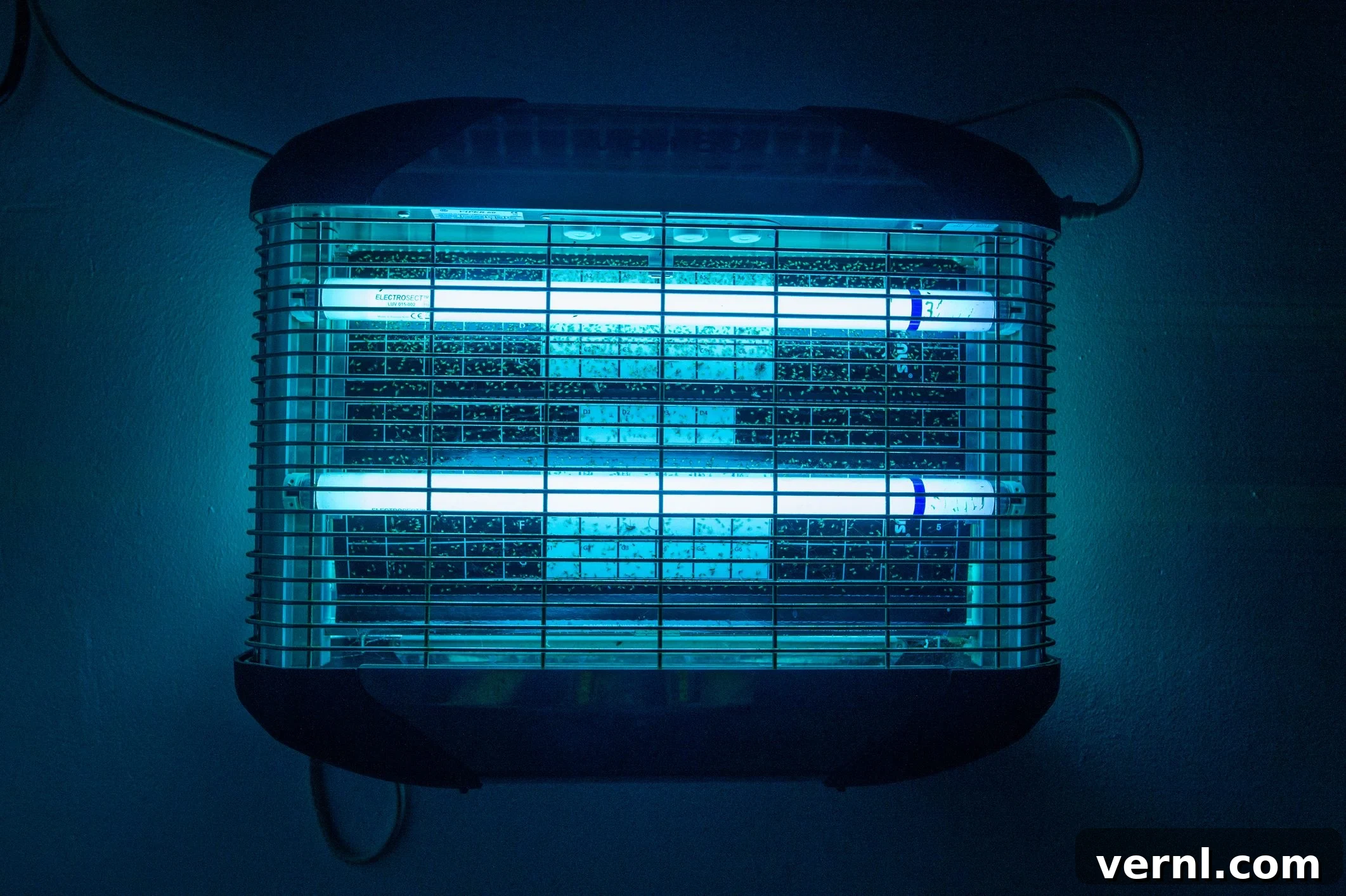
Many homeowners seeking a swift solution to indoor mosquito invasions gravitate towards commercially available traps. However, according to Dr. Markowski, it’s crucial to understand their significant limitations. The vast majority of these indoor devices rely on ultraviolet (UV) light as their primary attractant, a strategy that is fundamentally flawed when it comes to mosquitoes.
Why UV Light Traps Are Ineffective Against Mosquitoes
Contrary to popular belief, mosquitoes are simply not significantly attracted to UV light. While these traps might catch a diverse range of nocturnal insects, including moths, beetles, and other “good bugs,” any mosquito that happens to wander into a UV light trap does so largely by pure chance, rather than active attraction. Mosquitoes have evolved sophisticated methods for locating their blood meal, none of which primarily involve UV light detection. Their primary sensory receptors are geared towards detecting very specific cues, making UV light a largely irrelevant beacon. Essentially, these traps are more likely to catch a random moth than a blood-seeking mosquito, making them a poor investment for indoor mosquito control.
Revisiting the Outdoor Bug Zapper: A Misguided Solution
This same principle applies to the more robust outdoor bug zappers often found on patios and decks. These devices also employ UV light to draw in insects, leading many to assume they are effective against mosquitoes. Dr. Markowski clarifies this common misconception: “Bug zappers attract all the moths and butterflies and all sorts of good bugs.” The indiscriminate killing these zappers inflict has detrimental effects on local ecosystems, wiping out beneficial pollinators, decomposers, and natural mosquito predators. This ecological imbalance can, paradoxically, sometimes worsen pest problems by removing natural controls.
The scientific evidence further underscores their ineffectiveness against mosquitoes. A seminal study conducted by the University of Delaware in 1996 revealed that of all the insects killed in bug zappers, a minuscule 0.22% were mosquitoes and biting flies. More recent research from the University of Notre Dame, while showing slightly higher figures, still indicated incredibly low percentages, placing them at just 4.1% and 6.4% over an entire season. This means that for every mosquito killed, dozens, if not hundreds, of harmless or beneficial insects meet an unnecessary end, creating an ecological imbalance without providing meaningful mosquito control. It’s an inefficient, environmentally harmful approach to a targeted problem.
Exploring Baited Traps: A Closer Look at CO2 and Odor Attractants
So, if UV light isn’t the answer, whataremosquitoes attracted to? The answer lies in understanding the complex biology of the female mosquito – the only one that bites. Female mosquitoes are equipped with highly sensitive receptors designed to detect carbon dioxide (CO2) that we exhale, as well as specific body odors, lactic acid, and heat signals we emit. These are the primary cues they use to precisely locate a blood meal, often from significant distances.
The Promise and Pitfalls of CO2 and Odor Traps
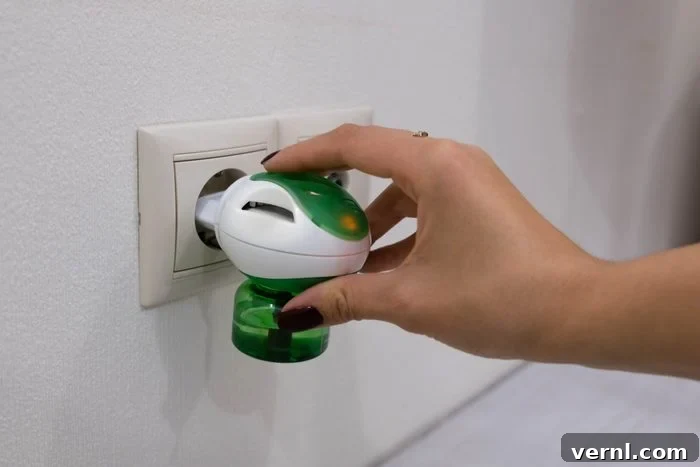
Recognizing these key attractants, some manufacturers have developed indoor mosquito traps that incorporate sources of CO2 (such as propane-based systems, dry ice, or bottled CO2) or specialized synthetic odor packets designed to mimic human scent. Theoretically, these should be more effective than simple UV light traps because they tap into mosquitoes’ natural hunting instincts. “Some traps will have a source of CO2 or an odor packet that they’ll put with it to help attract mosquitoes,” Dr. Markowski confirms, adding, “and that’s better than something that’s just reliant on UV light.”
However, even these more sophisticated traps face a critical, insurmountable challenge: they simply cannot compete with the real thing – you. Mosquitoes, driven by instinct and survival, will always choose the most potent and comprehensive source of attractants. When presented with a trap emitting a modest chemical lure and a trickle of CO2, versus a breathing, blood-pumping human body that radiates a rich combination of heat, moisture, and a full spectrum of enticing odors and a strong CO2 plume, the choice is overwhelmingly clear. The natural, living host is an overwhelmingly powerful attractant that no commercial trap, regardless of its technological advancement, can truly replicate in a confined indoor space.
As Dr. Markowski succinctly puts it, “It’s very difficult to outcompete.” The sheer volume and complexity of the attractants a human body produces make any artificial lure pale in comparison, rendering even advanced traps largely ineffective for significant indoor mosquito control. While some CO2 traps can be moderately effective in large outdoor areas by disrupting breeding cycles, their performance indoors, in direct competition with human occupants, is consistently disappointing.
Effective Strategies for Indoor Mosquito Prevention and Control
Despite the often-dubious claims of indoor mosquito trap manufacturers, Dr. Markowski assures us that homeowners are far from out of options. As with most pest issues, a proactive approach centered around prevention is paramount. By understanding how mosquitoes gain entry and what conditions they prefer, you can strategically create an inhospitable indoor environment, effectively turning your home into a mosquito-free zone.
Sealing Your Home: The First Line of Defense
The most fundamental and cost-effective step in preventing indoor mosquito invasions is to physically block their access points. This requires a thorough inspection and diligent maintenance of your home’s exterior envelope:
- Windows and Doors: The simplest rule is to ensure all windows and doors are kept tightly closed, especially during peak mosquito activity times, which are typically at dusk and dawn when they are most active.
- Screens: Meticulously inspect all window and door screens for any tears, holes, or loose frames. Even the smallest gap, no larger than a pencil eraser, can serve as an entry point for these tiny insects. Mend or replace damaged screens promptly. For added protection in highly infested areas, consider installing fine-mesh screens that offer a tighter barrier.
- Weatherstripping and Door Sweeps: Check the integrity of weatherstripping around all windows and exterior doors. Worn or damaged weatherstripping creates gaps. Install or replace door sweeps at the bottom of exterior doors to eliminate the space between the door and the threshold that mosquitoes can easily slip through.
- Attic Vents and Chimneys: Ensure attic vents are properly screened to prevent mosquitoes from entering your attic space, where they might find shelter. If your chimney is open or used seasonally, make sure it has a cap or screen to block access.
- Utility Openings: Seal around pipes, wires, and utility lines where they enter the house. Small cracks and crevices around these penetrations are often overlooked but can provide easy access. Use caulk, expanding foam, or other suitable sealants to close these gaps.
Mosquitoes often rest on the exterior walls and door frames of your home, in shaded, sheltered areas, waiting for an opportunity to enter. When you open the door to let your pet out, or simply to step outside yourself, they seize the chance to fly in, turning a moment of convenience into an indoor pest problem.
Managing Entry Points with Targeted Residual Pesticides
Beyond physical barriers, a strategic application of pesticides can create an additional layer of defense at common entry points. Dr. Markowski recommends treating these specific areas with a residual pesticide, which creates a long-lasting barrier that deters and eliminates mosquitoes before they can penetrate your home.
He explains his own effective technique: “I treat around the doorway and the ceiling of the front porch with a barrier-type spray.” The goal is not to fumigate your entire property, but to create targeted zones of protection. As mosquitoes approach these shaded, sheltered areas looking for a resting spot before entering, they come into contact with the treated surface. This exposure can “knock them down before they could ever fly into the home,” providing a highly effective, localized control measure right where they attempt to breach your defenses.
It is crucial to understand that this targeted approach differs significantly from indiscriminate yard spraying. Dr. Markowski emphasizes: “Whatever you do, don’t spray your entire yard.” Broad-spectrum outdoor spraying is detrimental to beneficial insects, including vital pollinators like bees and butterflies, disrupting the local ecosystem. Moreover, it has little to no impact on the indoor mosquito population you’re trying to control. “You’re not trying to kill every mosquito out there,” he clarifies. “You’re just trying to prevent them from coming in your home.” Always follow product instructions carefully, use appropriate personal protective equipment, and apply pesticides responsibly to minimize environmental impact and ensure safety for your household and pets.
Non-Chemical Indoor Control Methods
Even with the best prevention strategies, a few resilient mosquitoes might occasionally find their way indoors. For these stragglers, several non-chemical methods can offer a final, practical line of defense:
- Flypaper and Sticky Traps: If a few mosquitoes do manage to get inside, Dr. Markowski notes that one of the most reliable “traps” is simple flypaper. While it won’t actively lure mosquitoes or target them specifically (they catch insects by chance), placing these sticky ribbons near common entry points like doorways, near windows, or in dark corners where mosquitoes might rest significantly increases the chance of catching opportunistic individuals who happen to bump into them. It’s a remarkably cheap, non-chemical alternative to expensive commercial traps, and as Markowski wisely observes, it’s “probably going to work about as well.”
- Strategic Fan Use: Mosquitoes are notoriously weak fliers. Positioning fans – whether ceiling fans or oscillating floor fans – in living areas can create strong air currents that make it incredibly difficult for mosquitoes to fly, land, and locate their targets. The moving air also helps to disperse the CO2 plumes and body odors that attract them, further reducing their ability to pinpoint you.
- Air Conditioning and Dehumidifiers: Mosquitoes thrive in warm, humid conditions. Keeping your home cool with air conditioning and using dehumidifiers to reduce indoor humidity levels makes the environment significantly less hospitable for them, discouraging their presence and activity. Lower temperatures and drier air inhibit their metabolism and flight capabilities.
- Eliminate Indoor Breeding Sites: Though less common indoors than outdoors, small sources of standing water can absolutely become breeding grounds. Regularly check and empty plant saucers, pet water bowls, decorative indoor fountains, and ensure there are no leaky pipes or clogged drains accumulating water. Even a tablespoon of stagnant water can be enough for mosquitoes to lay eggs and complete their life cycle.
- Manual Removal: Sometimes, the simplest method is the most effective. A well-aimed hand, a traditional fly swatter, or even a vacuum cleaner can quickly and satisfyingly deal with visible mosquitoes, especially when they are resting on walls or ceilings.
Personal Protection Indoors
In cases of persistent indoor mosquito problems, or if you’re particularly sensitive to bites, personal protection can offer immediate relief and peace of mind:
- Mosquito Nets: For ultimate protection while sleeping, a mosquito net draped over your bed is a time-tested and highly effective physical barrier against nocturnal bites.
- Light-Colored Clothing: While indoors, wearing light-colored, loose-fitting clothing can make it slightly harder for mosquitoes to detect you, as they are often attracted to darker colors and contrasts. Long sleeves and pants offer physical protection.
- Personal Repellents: If the problem is severe and other methods haven’t fully solved it, approved personal repellents (containing active ingredients like DEET, picaridin, oil of lemon eucalyptus, or IR3535) can be used sparingly indoors according to product instructions. These can be particularly useful if you are trying to sleep or relax without interruption during peak mosquito hours.
Conclusion: Prioritizing Prevention and Smart Control
Battling indoor mosquitoes can be a frustrating experience, but armed with the right knowledge, you can reclaim your home and ensure a peaceful, bite-free environment. The consensus from experts like Dr. Daniel Markowski is clear: fancy, UV-based indoor mosquito traps and bug zappers are largely ineffective against mosquitoes and often detrimental to beneficial insects. Even traps using CO2 and odor lures, while theoretically sound, struggle to compete with the powerful, multi-faceted attractants of a living human body in an indoor setting.
The most effective strategy centers on a comprehensive, multi-pronged approach: rigorous prevention by meticulously sealing your home’s entry points, strategic use of targeted barrier treatments at key access areas, and employing simple, non-chemical methods for any mosquitoes that manage to bypass your initial defenses. By understanding mosquito behavior and prioritizing proactive, evidence-based measures, you can significantly reduce their presence indoors, ensuring a more comfortable and bite-free living environment for you and your family throughout the season.