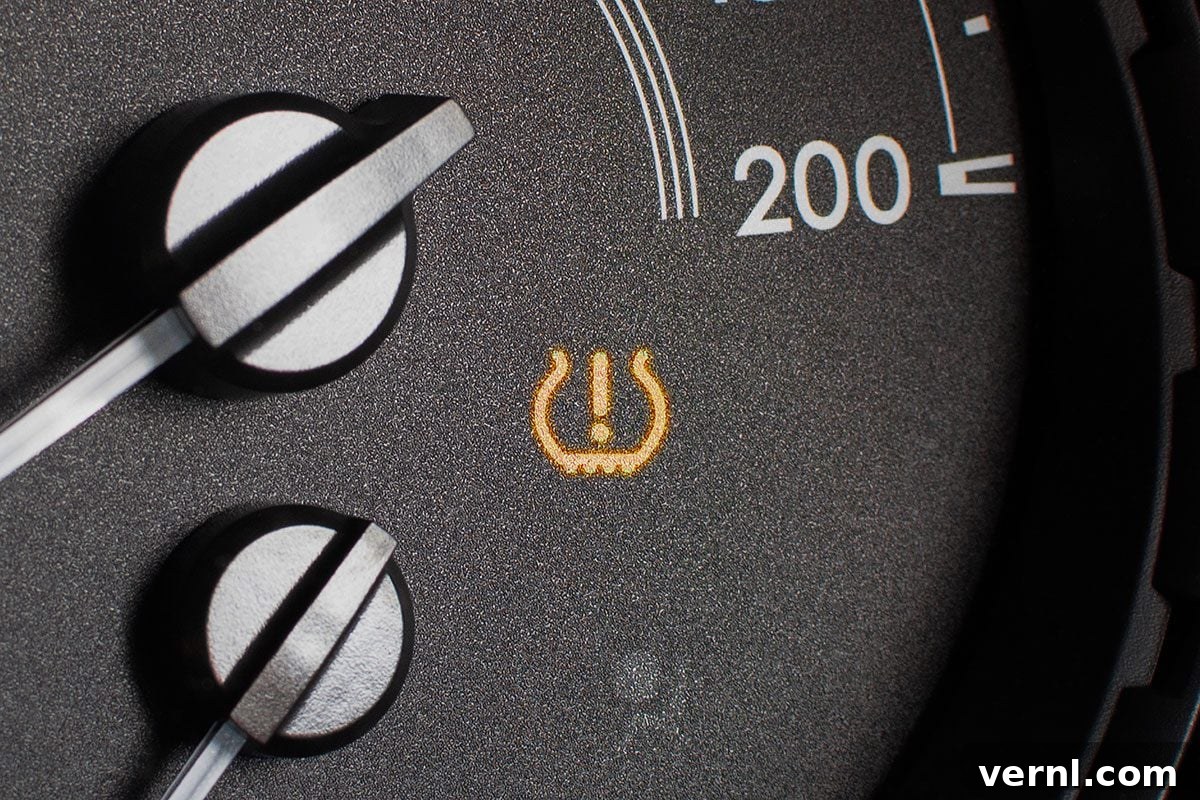
What Does Your Tire Pressure Light Mean? A Comprehensive Guide
Many modern vehicles, including my Subaru Crosstrek Hybrid, come equipped with a dashboard light that can cause some concern. This amber-colored light, often resembling an exclamation mark inside a horseshoe shape, is the tire pressure light, also known as the Tire Pressure Monitoring System (TPMS) indicator. But what exactly does it mean when this light illuminates, and what should you do about it?
This guide will break down everything you need to know about your tire pressure light, from its purpose and causes to how to troubleshoot and address the issue. We’ll cover how to check your tire pressure, how to reset the system, and when to seek professional help. Let’s dive in!
What is the Tire Pressure Monitoring System (TPMS)?
The tire pressure light is an integral part of the TPMS, a system designed to monitor the air pressure in your vehicle’s tires. Its primary function is to alert you when the pressure in one or more tires falls below a certain threshold, typically 10 to 25 percent below the recommended level. This threshold varies depending on the vehicle model.
Most vehicles (excluding some Hondas) have sensors located inside the tires, typically on the wheel rims behind the air valve stems. These sensors constantly measure the tire pressure and transmit the data to the vehicle’s computer. When a significant drop in pressure is detected, the TPMS activates the dashboard warning light, alerting the driver.
What Causes the Tire Pressure Light to Turn On?
Several factors can trigger the tire pressure light. Understanding these causes can help you diagnose the problem and take appropriate action. According to Brock Bowman, Senior Vice President of Business Development at Tires Easy, the light illuminates when the TPMS detects a significant pressure discrepancy.
Common causes include:
- Puncture or Slow Leak: A nail, screw, or other object can puncture a tire, leading to a slow leak and a gradual decrease in pressure.
- Seasonal Temperature Drops: As temperatures decrease, the air pressure inside your tires also drops. This is a natural phenomenon, and the light may come on as a result.
- Natural Loss of Pressure Over Time: Tires naturally lose pressure over time, even without any leaks.
It’s important to remember that the spare tire, if installed, can also trigger the light. “Many temporary spares lack TPMS sensors,” explains Bowman, “or if they have one, they might not be properly integrated or inflated to the correct pressure for the main system.” Furthermore, tire rotations can sometimes confuse the TPMS, and it may require recalibration. Finally, malfunctioning sensors, often due to dead batteries, can also be the culprit.
How to Check Your Tire Pressure
Many vehicles, including some newer models, provide real-time tire pressure readings on the dashboard. However, when the tire pressure light is illuminated, this feature often becomes unavailable, and you will need to manually check the pressure.
Using a Tire Pressure Gauge
The process of checking your tire pressure is straightforward and requires a tire pressure gauge. You can use a manual gauge, which looks similar to a pen and has a spring-loaded bar, or you can use a digital gauge, which often comes with a portable air compressor.
Here’s how to check your tire pressure:
- Remove the valve cap: Unscrew the valve cap from each tire.
- Attach the gauge: Place the head of the gauge onto the tire valve stem. If using a handheld gauge, press firmly until the scale bar extends. If using a compressor, screw the hose onto the valve stem.
- Read the pressure: Note the pressure reading. On a handheld gauge, the pressure is indicated by the last visible gradation. On a digital compressor, the pressure is displayed on the screen, typically in PSI (pounds per square inch).
- Replace the valve cap: Once you have a reading, re-inflate the tire to the recommended pressure, if needed, and replace the valve cap.
Finding Your Vehicle’s Recommended Tire Pressure
The recommended tire pressure for your vehicle is displayed on a sticker, usually located on the driver’s side doorjamb. Open the driver’s door and look for the sticker. You can also find this information in your vehicle’s owner’s manual.
- Pro Tip: Pay close attention to the sticker. The recommended pressure may vary between the front and rear tires. Always inflate your tires to the manufacturer’s recommended pressure.
How to Reset the TPMS
If the tire pressure light was triggered by a drop in tire pressure (due to temperature changes or simply needing air), you will need to reset the TPMS system after inflating your tires to the correct pressure. There are several ways to do this:
Driving the Vehicle
Sometimes, simply driving the car for 10 to 20 minutes at speeds above 15 mph is enough to reset the system and turn off the light.
Using a TPMS Reset Button
Some vehicles have a dedicated TPMS reset button. This button is often located under the steering column, in the glove box, or on the dashboard. Consult your owner’s manual if you can’t find it to verify its location.
Using the Dashboard Menu
Many newer vehicles have a TPMS reset function within the infotainment system. Navigate through the menu to find the reset option.
What To Do If Your Tire Pressure Light Won’t Go Off
If the light remains illuminated after inflating your tires to the correct pressure and attempting to reset the system, there may be a more significant issue. “If the tires are properly inflated and the light remains on, it indicates a system issue,” advises Bowman. In this situation, you should consider the following:
- Inspect for Leaks: Thoroughly examine your tires for any signs of punctures or slow leaks. Even a small puncture can cause a gradual pressure loss. Check the valve stems for damage as well.
- Seek Professional Help: If you can’t find a leak, or the light persists, visit a qualified mechanic or tire shop. They can diagnose the problem, assess the TPMS sensors for battery failure or signal issues, and reprogram or replace any faulty sensors.
Frequently Asked Questions (FAQ)
Why is Tire Pressure Important?
Maintaining the correct tire pressure is crucial for several reasons:
- Safety: Properly inflated tires maintain optimal contact with the road, improving braking, steering, and preventing skids.
- Fuel Efficiency: Underinflated tires increase rolling resistance, forcing your engine to work harder and consuming more fuel.
- Tire Wear: Incorrect tire pressure leads to uneven tire wear, shortening the lifespan of your tires.
Can I Drive with the Tire Pressure Light On?
The tire pressure light is primarily a warning indicator, and it doesn’t directly affect the car’s operation. If you have verified that all tires are properly inflated, it’s generally safe to continue driving until you can have the vehicle serviced. However, it’s a good idea to monitor your tire pressure regularly with a gauge.
About the Expert
Brock Bowman is the Senior Vice President of Business Development at Tires Easy, an online tire retailer.