
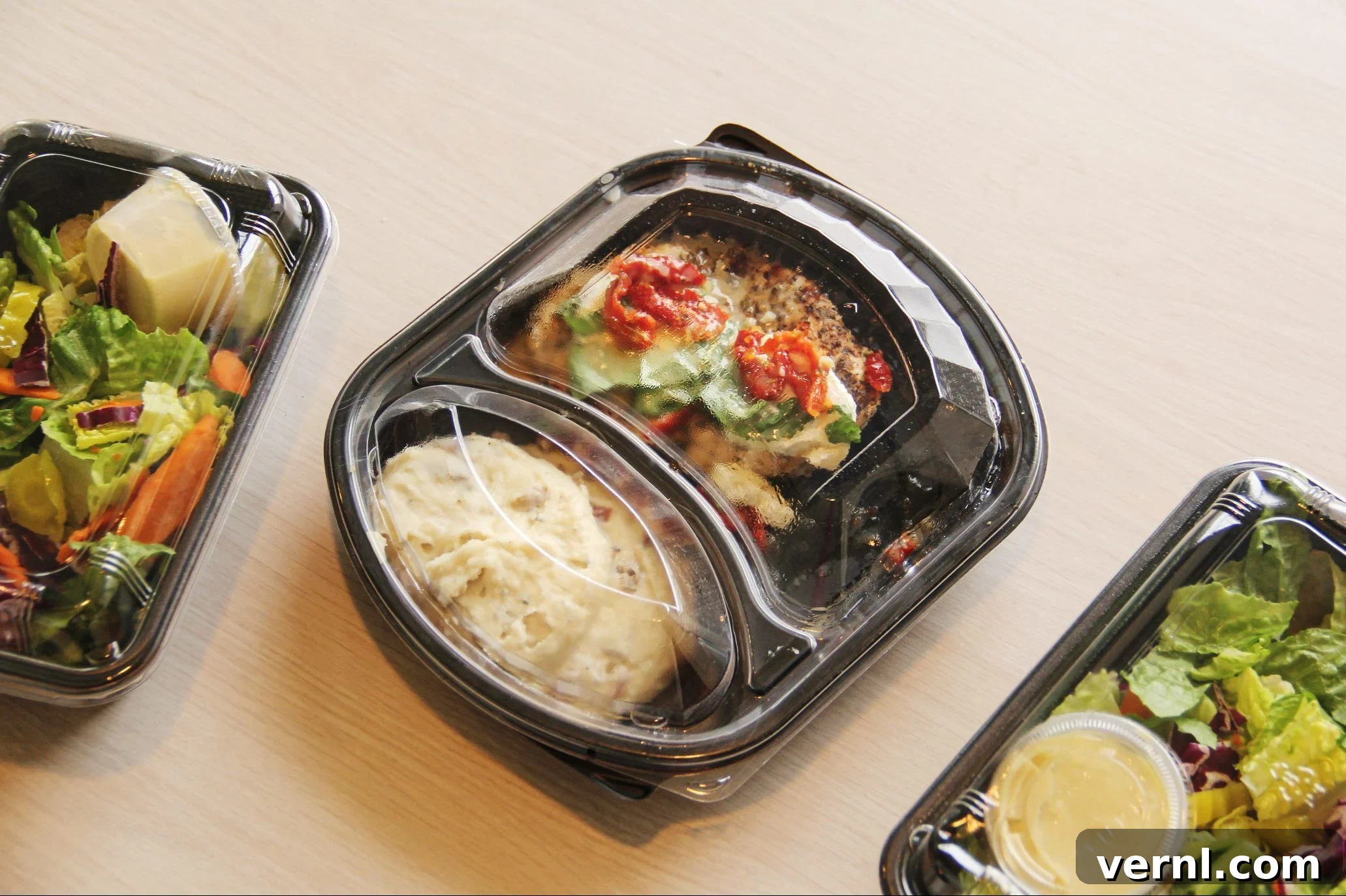
Every time I open my cupboard, I’m greeted by an overwhelming sight: towering, precarious stacks of plastic takeout food containers. This common household dilemma often pits our environmental aspirations against the practicalities of modern life. For many, this accumulation escalated significantly during recent times, as opting for takeout became a prevalent and necessary choice for dining.
The quandary is widespread. These containers and their accompanying lids are often surprisingly robust, making the thought of simply discarding them into the recycle bin feel incredibly wasteful, especially when uncertain if they will actually be processed. While the ideal scenario involves patronizing restaurants that consciously choose compostable or truly recyclable packaging, achieving this for every meal can be a significant logistical challenge. Until more widespread sustainable options become the norm, or until we become perfectly organized eco-consumers, finding innovative solutions for these durable plastic vessels is essential.
Before resorting to disposal, consider the vast potential these containers hold for a second life. Repurposing them not only reduces waste but also sparks creativity and offers practical solutions for everyday needs. Here are more than a dozen ingenious and practical ideas for how to repurpose those plastic takeout containers, transforming them from kitchen clutter into valuable tools for organization, gardening, and community giving.
“For those who are feeling particularly bold and committed to zero waste, consider taking a proactive approach,” suggests Stephanie Miller, founder of Zero Waste in DC. “We advocate for bringing your own reusable containers to restaurants and politely asking the staff to place your prepared food directly into them. While it might require a little courage and advance planning, it’s a powerful step towards eliminating single-use waste entirely.” This method, though not always feasible for everyone, represents the pinnacle of reducing takeout container waste at its source.
Start Your Spring Garden
As spring approaches, those plastic takeout containers can become invaluable assets for any budding gardener. They are perfect for creating economical and effective seed starting trays. To prepare them, simply drill or punch several small holes in the bottom to ensure proper drainage—this is crucial to prevent root rot. Once the drainage holes are in place, add a good quality seed-starting mix, plant your chosen seeds, and provide gentle watering. The clear lids can even act as mini-greenhouses, helping to retain moisture and warmth, creating an ideal environment for germination. For larger plants, if the containers are robust enough to support the weight of soil and moisture, they can also serve as temporary planters. However, it’s generally advisable to avoid growing consumable plants in plastic containers long-term, as there’s a potential for chemicals to leach into the soil and subsequently into the plants over an extended period. For decorative plants or temporary starts, they are an excellent choice. Beyond direct planting, these containers and their lids also make excellent saucers to place under potted plants, protecting surfaces from water overflow and keeping your home tidy.
Give a Karma Care Package
Embrace the spirit of generosity by transforming your clean takeout containers into practical vessels for giving. They are perfectly sized and secure for delivering a comforting meal to a neighbor recovering from an illness, an elderly friend, or a person experiencing homelessness. Furthermore, when hosting gatherings, these containers are ideal for sending leftovers home with your guests, eliminating the need for them to return your own good dinnerware. This thoughtful gesture ensures delicious food doesn’t go to waste and provides convenience for your guests. Before packing any food, proper sterilization is paramount to ensure safety and hygiene. Begin by soaking the containers in warm (not hot, as hot water can warp or damage plastic) soapy water for five to ten minutes. Gently clean them with a sponge or brush, paying close attention to any crevices. After washing, spray them lightly with isopropyl alcohol (rubbing alcohol) to sanitize, then allow them to air dry completely. To prevent stubborn stains from acidic or colorful foods like tomato sauce or curry, a light spray of non-stick cooking spray on the interior before adding food can act as a protective barrier, making future cleaning much easier.
Save a Gift Box
Step away from conventional gift wrapping and embrace an eco-friendly, creative alternative: using repurposed takeout containers as unique gift boxes. This approach not only saves money you’d otherwise spend on store-bought boxes but also significantly reduces the demand for new ecological resources, making your gift more sustainable. These containers are ideal for packaging small presents such as homemade cookies, jewelry, small crafts, or even gift cards. To elevate the aesthetics and make the gift feel special, unleash your creativity! You can line the inside or decorate the outside of the container with colorful fabric scraps, beautiful wrapping paper, decorative paint, or even natural elements like dried flowers or leaves. Personalizing the container adds an extra layer of thoughtfulness and charm, transforming a simple takeout box into a memorable and eco-conscious presentation for your gift.
Buy Bulk Foods
For environmentally conscious shoppers who frequent stores offering bulk bins, takeout containers are an absolute game-changer. They provide a lightweight, durable, and clear solution for transporting bulk staples like flour, granola, rice, pasta, nuts, and other dry goods from the store to your home. Before filling them, simply ask the cashier to weigh your empty containers to establish their “tare weight.” This allows them to subtract the weight of the container at checkout, ensuring you only pay for the product inside, not the packaging. Once you’re back home, you can easily transfer the contents into your preferred long-term storage solutions, such as glass jars, which are often ideal for pantry organization and food preservation. However, beyond the grocery run, these containers excel at storing bulk grains and beans directly at home. Their uniform shapes allow them to stack efficiently in cupboards or pantry shelves, maximizing space. The clear plastic makes it easy to see exactly what’s inside at a glance, eliminating guesswork. For added convenience, you can use a Sharpie to write cooking instructions, expiration dates, or contents directly on the lid, keeping your pantry perfectly organized and your cooking streamlined.
Take Them on an Outing
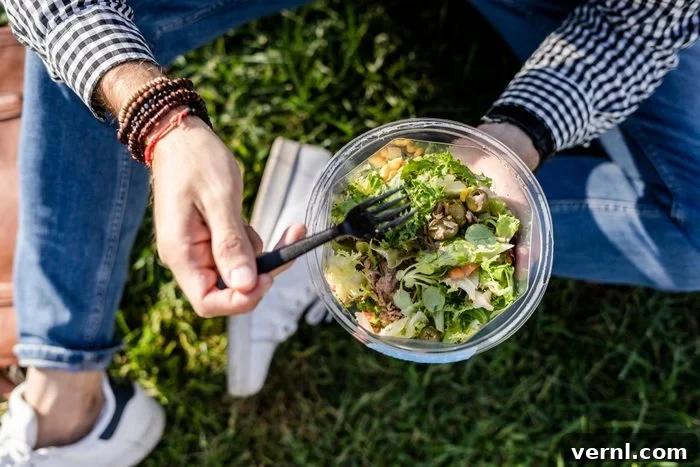
While I often rely on glass storage containers at home for their non-reactive properties and aesthetic appeal, they’re not always the best choice when venturing out. Their weight and fragility make them impractical for coolers, car trips, or adventurous hikes. This is where repurposed takeout containers truly shine as a perfect, lightweight, and virtually unbreakable substitute. They are incredibly handy for packing a few quick snacks for a road trip, organizing ingredients for a picnic in the park, or even carrying a full meal without the added bulk or worry of breakage. By choosing to use these containers, you effectively eliminate the need for single-use zip-top baggies or other disposable packaging, making your outings more environmentally friendly. Whether you’re packing fruit slices, a sandwich, trail mix, or a fresh salad, these versatile containers keep your food secure and fresh, ensuring you’re prepared for any adventure while minimizing your environmental footprint.
Prep Food Like a Pro
Maintaining a healthy diet can be challenging amidst a busy schedule, but meal prepping offers an excellent solution, and repurposed takeout containers are your secret weapon. By taking the time to peel, chop, and portion your vegetable ingredients ahead of time, you create an array of ready-to-use components that significantly streamline your cooking process during the week. This strategy allows you to quickly assemble nutritious meals, even when time is tight. Store these meal prepped vegetables – think sliced bell peppers, diced onions, chopped carrots, or washed greens – in your clean takeout containers in the refrigerator. This method mirrors the efficient organization seen in professional restaurant kitchens, where prep cooks meticulously prepare ingredients in advance to ensure smooth service. The clear containers also make it easy to see what you have on hand, reducing food waste and inspiring healthier eating habits throughout your busy week.
Water the Dog
Any pet owner knows the feeling: you’re out for a walk or on a car journey, and your beloved canine companion starts panting, looking at you with hopeful, drooling eyes – and then you realize you’ve forgotten their water bowl. This scenario can be easily avoided by keeping a repurposed takeout container in every vehicle you own. Its lightweight, durable, and leak-resistant design makes it an ideal makeshift water bowl, ensuring your furry friend stays hydrated on the go. These containers are far more practical and less cumbersome than carrying a traditional dog bowl and are certainly a more sustainable option than relying on single-use plastic bottles or cups. This simple habit saves you from the guilt of seeing your pet thirsty and provides an instant solution for their hydration needs, whether you’re at the park, on a long drive, or simply running errands around town. It’s a small change that makes a big difference for your four-legged companion.
Make an Art Wall
Unleash your creativity and transform discarded takeout containers into vibrant, three-dimensional art. This project is perfect for both classroom tasks and engaging at-home art projects, offering a unique canvas for expression. Begin by cleaning the containers thoroughly, then paint them using paints specifically formulated to adhere to plastic, ensuring a durable and long-lasting finish. Encourage artists to pick a cohesive theme – perhaps a collection of wild animals, an array of native plants, a vibrant rainbow-filled sky, or abstract geometric patterns. Once dry, these colorful containers can be easily stapled or glued to a wall, cork board, or even a large piece of cardboard, creating an eye-catching, textured art installation. Beyond their aesthetic appeal, these containers can also serve a functional purpose in rooms with excessive echo. By placing soft materials like foam scraps or fabric remnants inside the containers and then attaching them to the wall, they can act as rudimentary sound dampeners, helping to absorb noise and improve the room’s acoustics, making it a more comfortable and quieter space.
Light Up the Neighborhood
Elevate your outdoor decor and create enchanting luminaries with a sustainable twist by repurposing plastic takeout containers instead of traditional paper bags. This eco-friendly alternative offers both durability and safety. To craft these unique lanterns, carefully wrap the outside of the clean plastic containers with thin, translucent fabric, delicate tissue paper, or even decorative vellum. Secure the material with glue or tape, ensuring the light can still filter through beautifully. For illumination, prioritize safety: opt exclusively for LED battery-operated candles or solar-powered lights to place inside the containers. This eliminates any fire risk associated with open flames, making them perfect for pathways, garden edges, patio decorations, or holiday displays. These repurposed luminaries provide a soft, inviting glow, enhancing the ambiance of your home and neighborhood while showcasing your commitment to creative reuse and safety.
Make a Snow Fortress
For a fun and eco-conscious winter activity, transform your plastic takeout containers into building blocks for an impressive snow fortress or igloo. This method simplifies the construction process and yields sturdy, uniform snow bricks. To build the walls, simply fill the containers with fresh snow, pack it down firmly, and then secure the lids. This creates compact, easily stackable snow bricks. As you begin stacking, remember to stagger the rows just as you would construct a traditional masonry wall, ensuring maximum stability. Crucially, pack loose snow in between each “brick” as mortar, reinforcing the structure and sealing any gaps. For a roof, consider using a tarp or a thick blanket draped over the top, which helps to trap body heat inside the fort. The packed snow will act as an excellent insulator, much like the ingenious design of an igloo, creating a surprisingly warm and cozy shelter even on the coldest days. It’s a fantastic way to engage the family in outdoor play while giving plastic containers a temporary, yet memorable, new purpose.
Don’t Forget the Obvious
Beyond all the creative and unique repurposing ideas, it’s easy to overlook the most straightforward and universally useful application for these plastic containers: general storage and organization. Their sturdy construction, consistent shapes, and often transparent design make them ideal for decluttering and organizing countless small items around the house, workshop, or office. They are excellent for storing hardware like screws, nails, washers, and bolts, keeping them sorted and easily accessible. In a craft room, they can neatly hold beads, buttons, fabric scraps, or art supplies. For tech enthusiasts, they’re perfect for corralling charger cords, cables, and small electronic components, preventing tangles and lost items. Costume jewelry, hair ties, paper clips, rubber bands, batteries, and all sorts of tiny odds and ends that tend to accumulate can find a designated, visible home within these versatile containers. By utilizing them for everyday organization, you not only reduce clutter but also extend the life cycle of these plastics, making your home more functional and sustainable.
Can Takeout Containers Be Recycled or Donated?
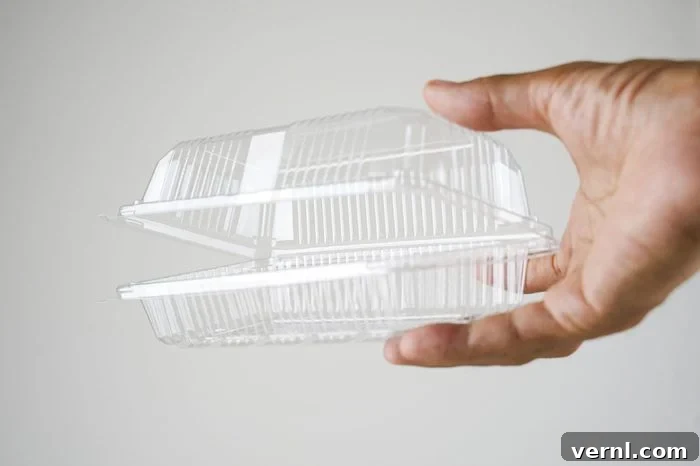
The question of whether plastic takeout containers can be recycled or donated is far more nuanced than many might expect, and the answer often boils down to a definitive “it depends.”
“Unfortunately, the recycling of plastic to-go containers is not as straightforward as you would hope,” explains Mitch Ratcliffe, publisher of Earth911, a leading resource for recycling information. He highlights a significant hurdle: “Many of these containers do not clearly identify the specific plastic type with a recycling symbol. Globally, only plastics labeled #1 (PET) and #2 (HDPE) are widely and consistently recycled by municipal programs. The vast majority of takeout containers, however, are made from #5 plastic (polypropylene), and the recycling infrastructure for this type of plastic has been severely limited, particularly exacerbated during the recent pandemic where it was often considered an infection vector, leading many facilities to refuse it.” This lack of clear labeling and limited processing capabilities makes it challenging for consumers to make informed decisions about disposal.
To determine the correct disposal method, it’s crucial to proactively “check with your local recycler to see what forms of plastics they accept in their curbside or drop-off programs.” Recycling guidelines vary significantly by municipality, so what’s accepted in one area might be rejected in another. If your containers happen to fit your local program’s criteria, always remember to “clean off all food and greasy residue thoroughly before placing them in the bin.” Contamination from food particles is one of the primary reasons recyclable materials are sent to landfills. If your local recycler doesn’t accept them, don’t despair; “search Earth911 to find the closest place that does,” as specialized facilities might exist in your region.
What about donating them for reuse by organizations? Ratcliffe cautions against this as well, stating that “the inherent risk of sanitary issues and plastic degradation means most places, such as food banks or community kitchens, won’t accept them.” The potential for contamination and the unknown history of the container make them unsuitable for redistribution, even for non-food purposes in many cases, due to liability concerns.
Regarding reusing plastic takeout containers for personal food storage, Ratcliffe draws a pertinent parallel: “Reusing plastic to-go containers for food storage is akin to reusing single-use bottled water containers.” He further elaborates, “If you look at most bottled water packaging, it will typically include guidance not to reuse the bottle. This warning exists because plastic, especially thinner, single-use varieties, can break down over time, potentially releasing microplastics or other chemical components that could contaminate the food or beverage stored within.” While sturdier takeout containers might last longer, the general principle holds: repeated use, especially with heat or acidic foods, can accelerate wear and tear, increasing the risk of chemical migration. For optimal safety, glass or food-grade stainless steel remain the best choices for long-term food storage.
In conclusion, while the journey of a plastic takeout container to recycling or donation is fraught with complexities, their potential for creative repurposing is vast and impactful. By embracing these innovative ideas, you not only divert waste from landfills but also contribute to a more sustainable, organized, and resourceful lifestyle. Every small act of reuse makes a difference in our collective effort towards environmental stewardship.